

Purple hair has moved past the Halloween costume phase and into the mainstream color aisle, and this year the shift is toward lived-in shades with soft, face-framing layers and curtain bangs that move with your natural texture. From deep plum to pastel lavender, the spectrum is wider than ever.
You’ll find 26 ways to wear Purple Hair Color, from low-maintenance balayage that grows out gracefully to bold, solid shades that demand a standing appointment with your colorist. Whether your hair is fine and falls flat or you’re battling a visible grow-out line, there’s a version here that fits your routine and your roots.
Mid-Back Wavy Hair With Purple Lavender Balayage
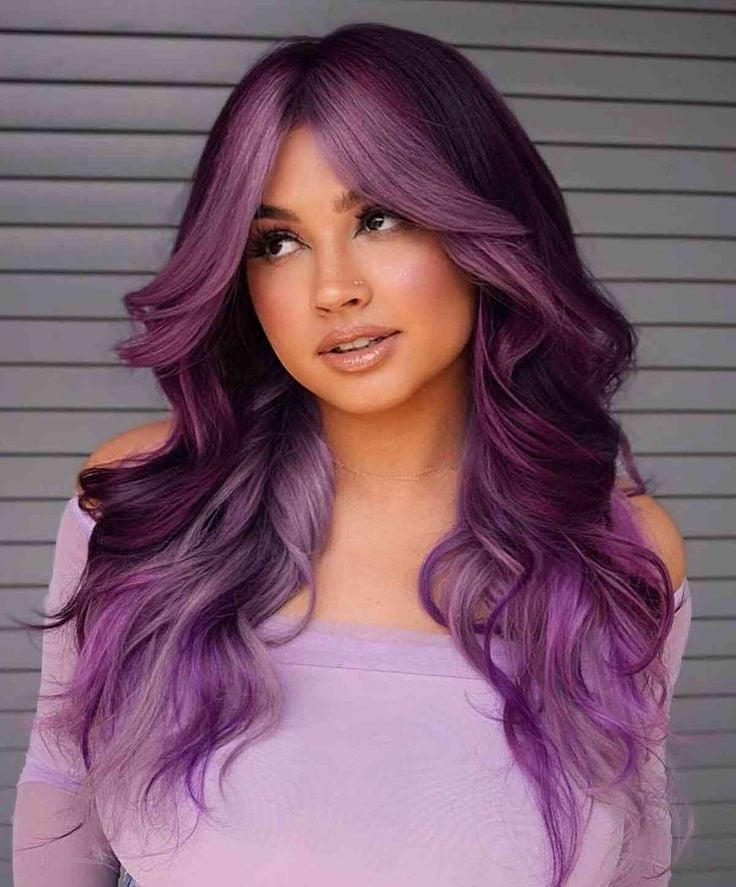
The trick to this look is the two-tone balayage: purple against lavender on a dark base creates depth without a harsh line. The wavy blowout and soft curtain bangs keep it from reading as a solid block of color. Thick, wavy hair at mid-back length has enough surface area for the blend to show, and the curtain bangs soften round and heart faces.
Ask your colorist for: mid-back balayage with purple and lavender, soft curtain bangs. A texturizing spray on dry hair defines the waves. Trim those curtain bangs every four to six weeks to keep them light.
Collarbone Amethyst Purple Bob With Soft Waves
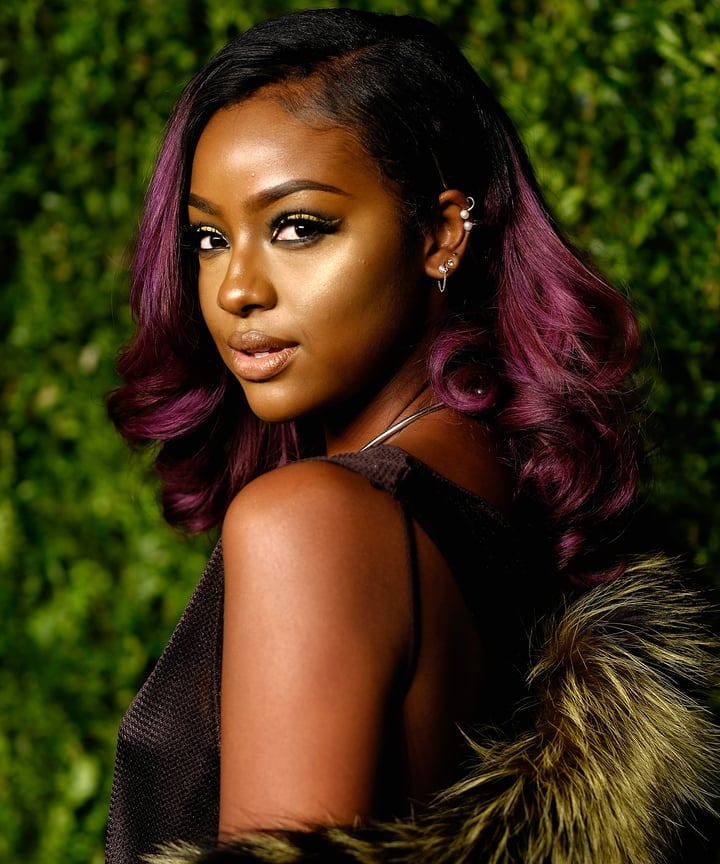
Does a vibrant purple work on a shorter length? Yes, when the base is amethyst and the roots are slightly darker for a lived-in feel. Thick, wavy hair at collarbone length holds the soft wave pattern well, and the curtain bangs suit round and heart faces. This is a shade that reads as rich rather than pastel, which means it works for both the office and evening plans. Ask your colorist for: collarbone amethyst purple bob, subtle darker roots, curtain bangs. A smoothing serum before blow-drying gives the glossy finish. Plan a trim every six to eight weeks to maintain the bob shape.
Mid-Back Dark Base With Purple Ombre
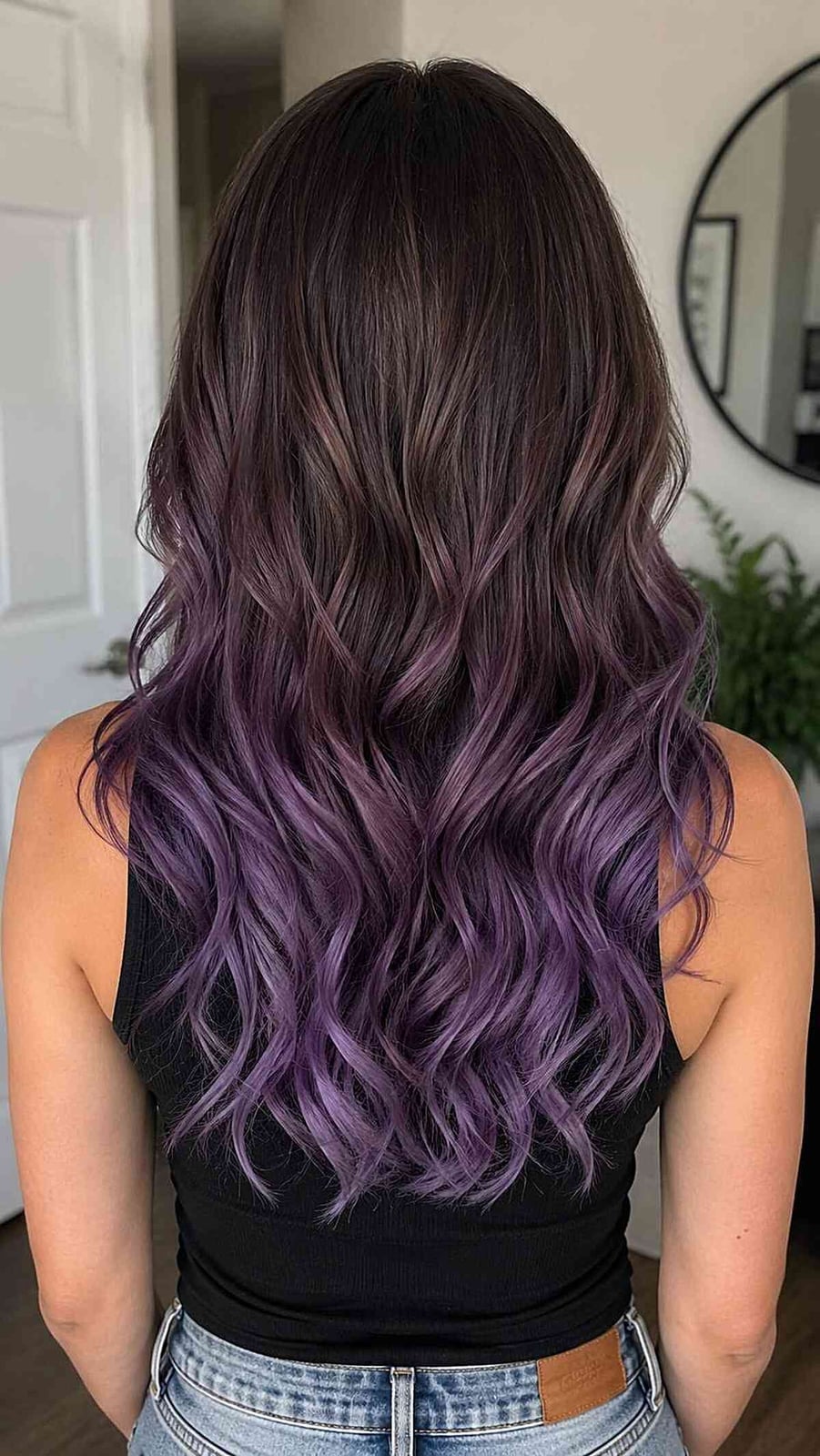
An ombre differs from a color melt in one key way: the transition here is visible, starting dark brown at the roots and shifting to vibrant purple at the ends. That clear line of demarcation means less frequent root maintenance, which is the main appeal. Thick, wavy hair at mid-back length shows off the gradient, and the loose waves keep it looking casual rather than formal. This is a solid everyday option for anyone who wants color without the weekly upkeep of a bright root. Ask your colorist for: mid-back dark brown to purple ombre. A curl-defining cream enhances the waves. It works for fall or spring, depending on how saturated you go.
Chin Length Bob With Purple Tips
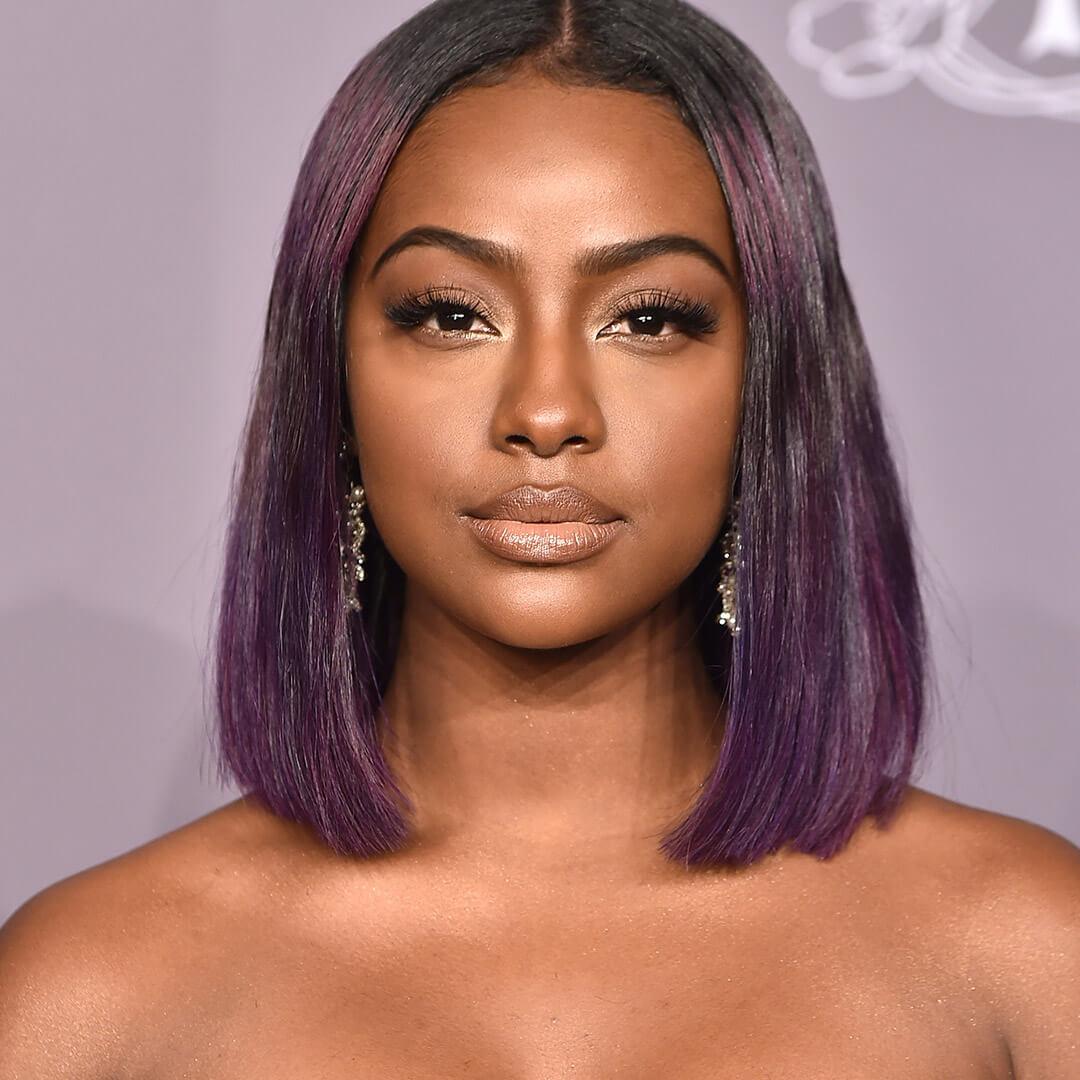
The straight styling makes the contrast read as deliberate rather than accidental. Fine to medium straight hair at chin length holds this shape best, and the cut suits square and oval faces. Ask your colorist for: chin length bob with purple tips, dark base. Use a heat protectant before straightening. A trim every six to eight weeks keeps the bob crisp.
Light Purple Chin Length Bob With Curtain Bangs
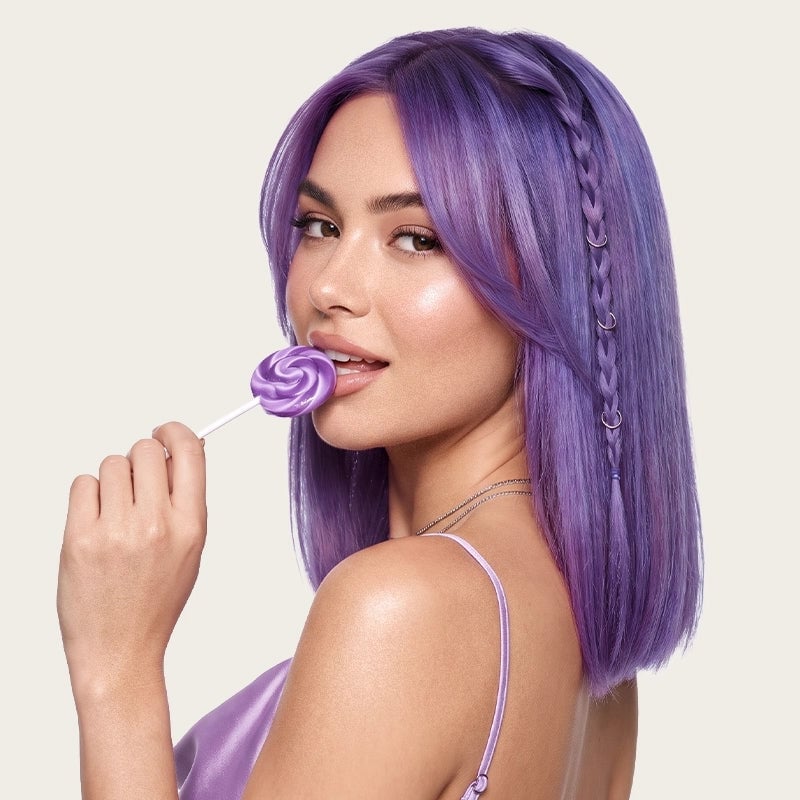
Light purple on fine, straight hair reads as soft rather than bold, and the smooth blowout adds a glossy finish. The curtain bangs frame the face without overwhelming the length. The honest downside: light purple fades faster than deeper shades, especially on fine hair that doesn’t hold pigment as long. A toning shampoo every two weeks helps maintain the tone. Ask your colorist for: chin length light purple bob, curtain bangs. A volumizing spray at the roots gives lift. Trim the bob and bangs every six weeks.
Long Layered Lavender Purple Hair With Curtain Bangs
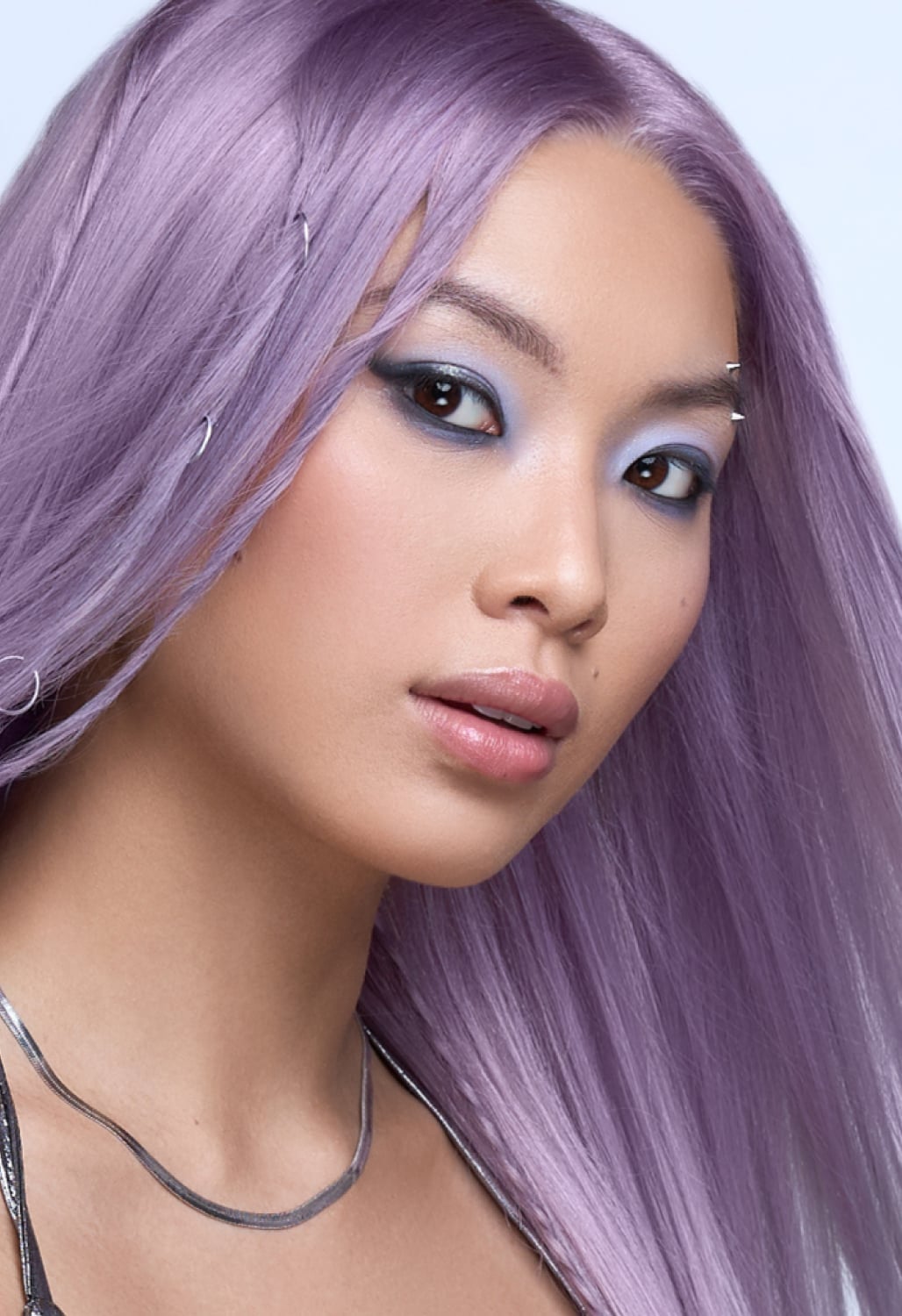
Lavender purple hair gets its depth from the layers, not just the color. The long layers shift the shade as they move, so the base tone appears different from the front versus the ends. Curtain bangs frame the face without cutting off the length, and the middle part keeps the focus on the color’s subtle dimension.
This works best on mid-back length hair with a thick, wavy texture, since the weight helps the waves hold their shape. Ask your colorist for: long layered lavender purple hair, curtain bangs. A heat protectant before styling keeps the waves smooth, and a toning appointment every four to six weeks keeps the lavender from drifting toward gray.
Mid-Back Red Purple Ombre On Dark Base With Styled With Soft Waves
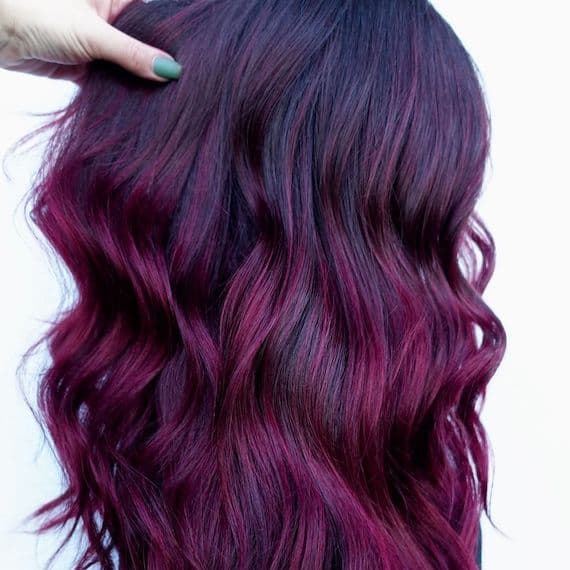
When the temperature drops, this is the color that makes you look like you planned your whole season around it. The dark base gives the roots a natural depth, then the deep red-purple ombre takes over from the mid-lengths to the ends. On thick, wavy hair that reaches mid-back, the gradient shows up best in soft waves that catch the color shift.
It suits most face shapes because the color does the work, not the cut. Ask your colorist for a mid-back dark base with deep red-purple ombre. A color-depositing conditioner keeps the red tones from turning muddy between visits, and a trim every eight to ten weeks keeps the ends healthy enough to hold the gradient.
Collarbone Deep Purple With Lighter Streaks
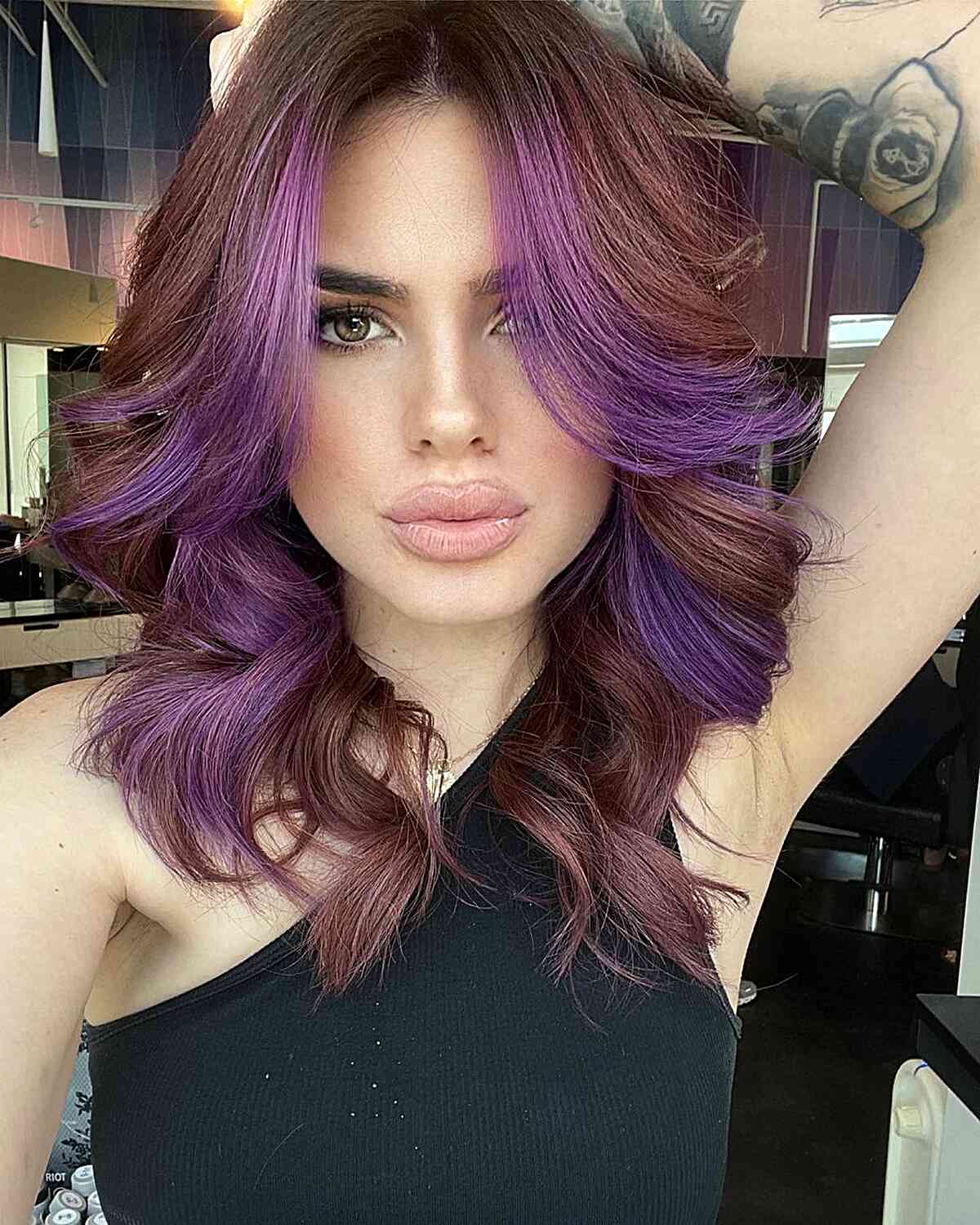
The trick to making bold purple streaks look deliberate is placement, not volume. Here, the deep purple base stays solid at the roots, and the lighter purple highlights run through the face-framing pieces and the layers around the collarbone. On medium density wavy hair, those streaks add movement instead of a solid block of color.
Ask your colorist for collarbone deep purple with lighter purple streaks, face-framing pieces. A side part lets the highlights show on one side, so the contrast appears even when the waves settle. Deep purple fades faster than you think, so plan on a toning appointment every six to eight weeks to keep the lighter streaks from going brassy.
Shoulder Length Deep Purple With Subtle Dimension
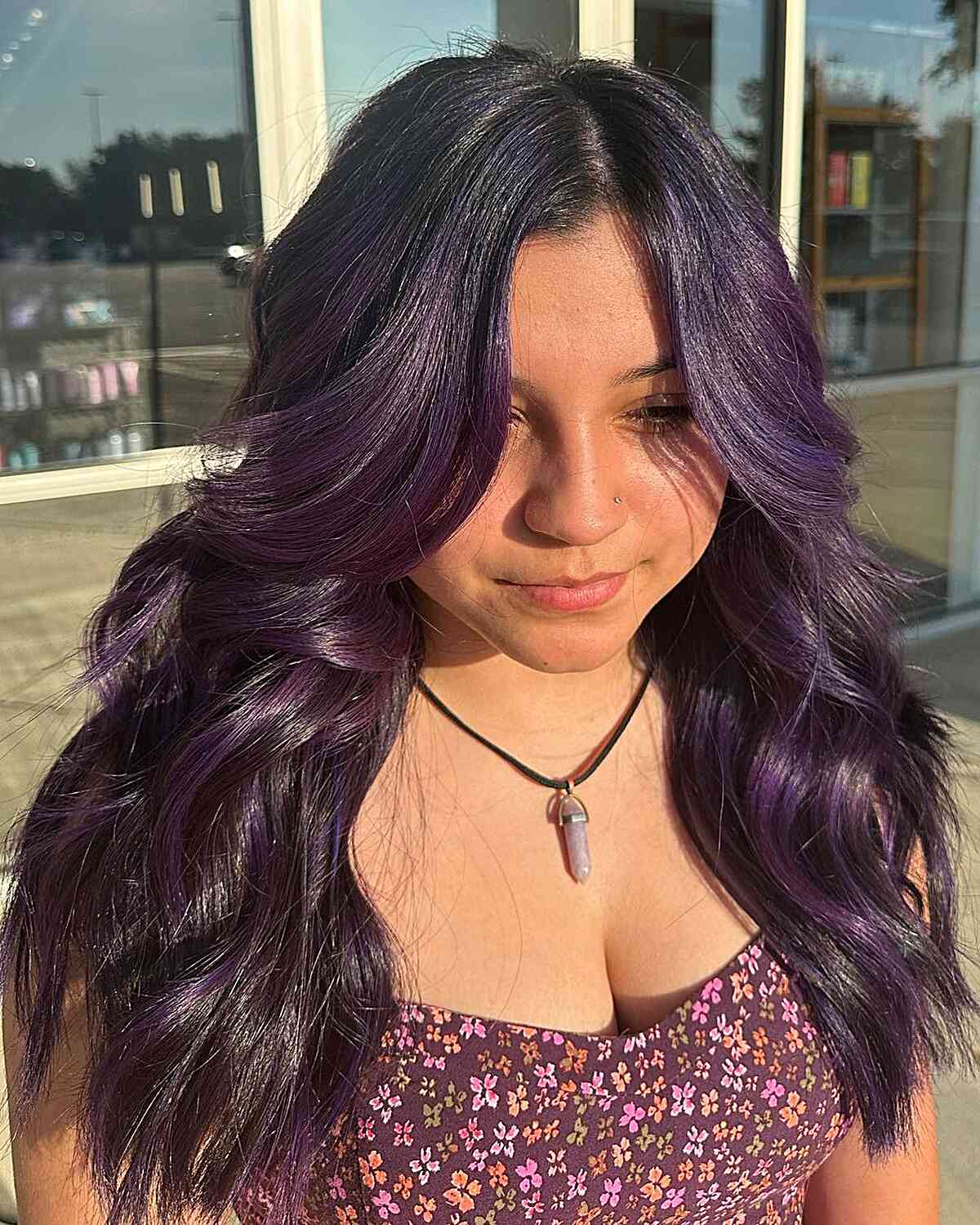
A deep purple base on shoulder-length hair is one of those colors that looks simple until you try to recreate it at home. The mistake is assuming one all-over shade will do, when the real depth comes from subtle dimension painted through the layers. On medium density wavy hair, those soft shifts in tone keep the color from looking flat, and the face-framing layers pull the eye forward.
Ask your colorist for shoulder length deep purple with subtle dimension, face-framing layers. The downside is that getting this right on a lighter base often means extra processing, because the color has to be built up in stages. A wide-tooth comb on wet hair protects the waves, and a refresh every six to eight weeks keeps the purple from washing out to a dull violet.
Mid-Back Midnight Purple With Root Shadow
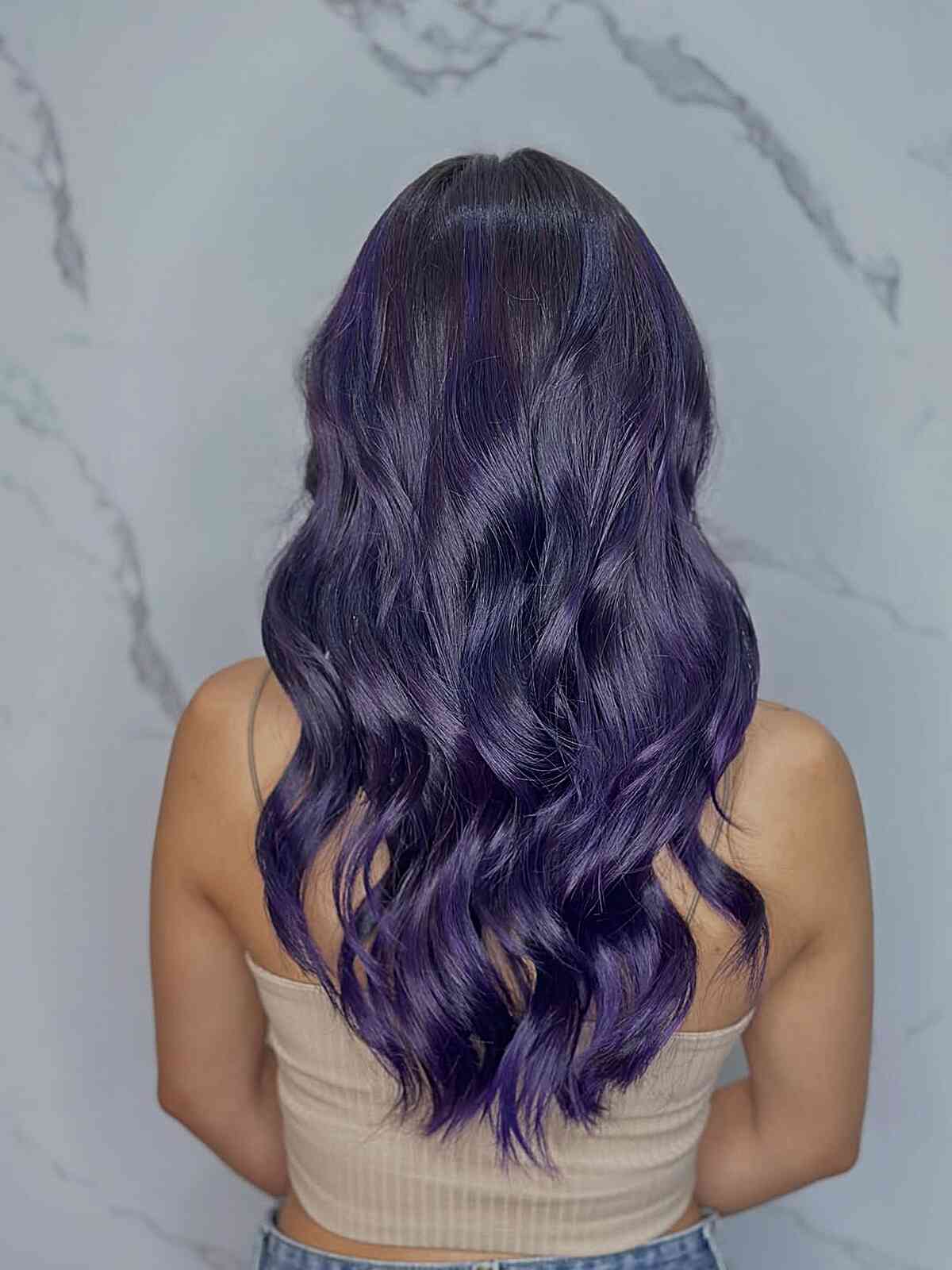
Midnight purple is the color for people who want purple without the commitment of a bright shade. The root shadow does the heavy lifting here: it keeps the base dark at the scalp, so the deep purple has somewhere to grow from. On thick, wavy hair that reaches mid-back, the color stays saturated from root to tip, and the middle part lets the shade run uninterrupted.
Ask your colorist for mid-back midnight purple with root shadow. The root shadow means you can stretch the time between touch-ups, since the grow-out line blends into the dark base. A leave-in conditioner adds the shine that keeps a dark color from looking flat, and expect the purple to fade toward blue or violet tones, so a toning visit every six to eight weeks keeps it on the purple side.
Collarbone Brown Base With Purple Balayage
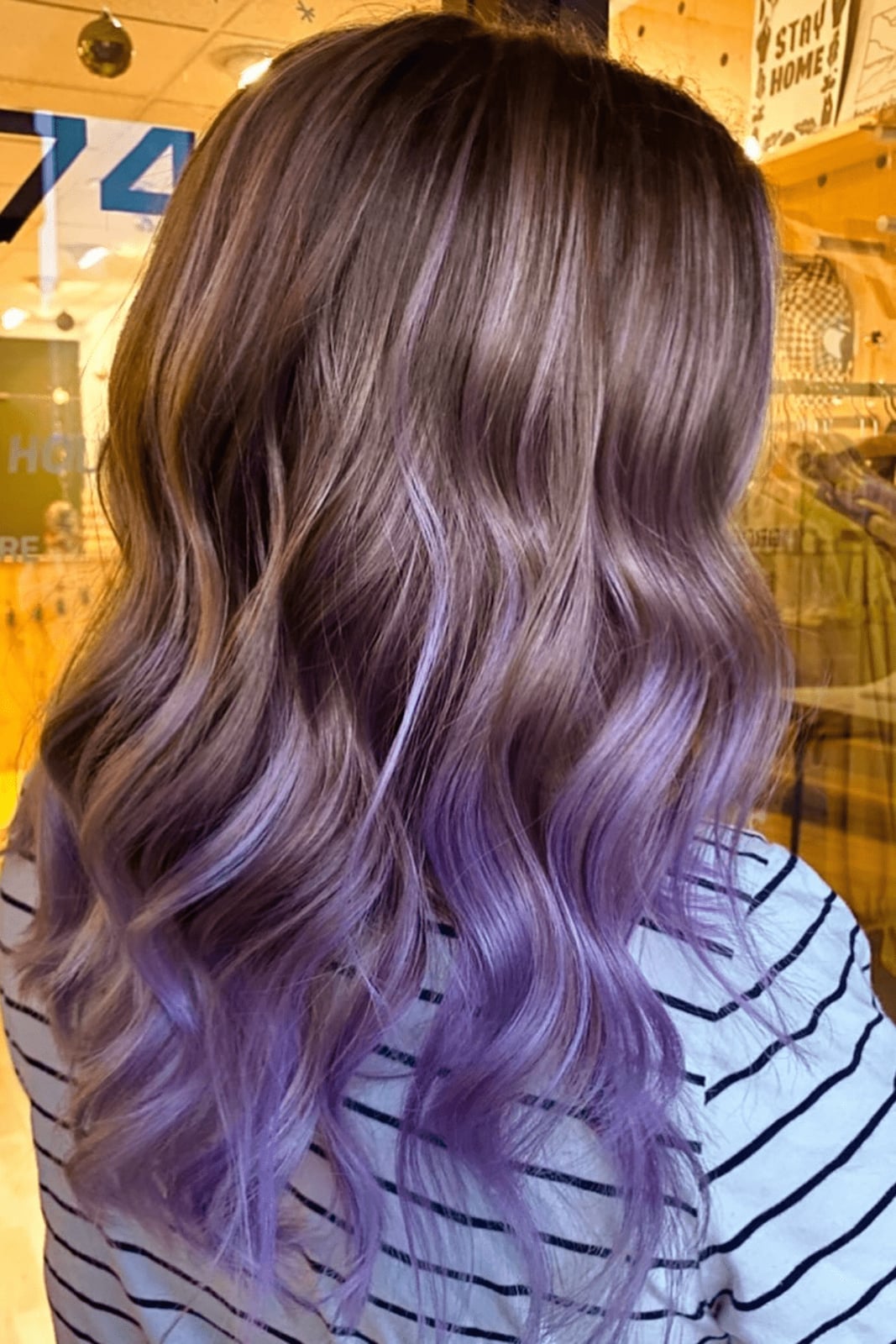
How do you get purple hair without committing to a solid shade from root to tip? Start with a brown base and let the color live only on the ends. This collarbone-length cut uses subtle layers and curtain bangs to soften the transition, while loose waves show off the vibrant purple balayage. Medium-density wavy hair holds the movement best, and the curtain bangs help round and heart faces feel balanced. Ask your colorist for: collarbone brown base with vibrant purple balayage, curtain bangs. The balayage grows out gracefully, so you can push a root appointment to every ten weeks and just refresh the ends.
Shoulder Length Deep Purple With Violet Undertones
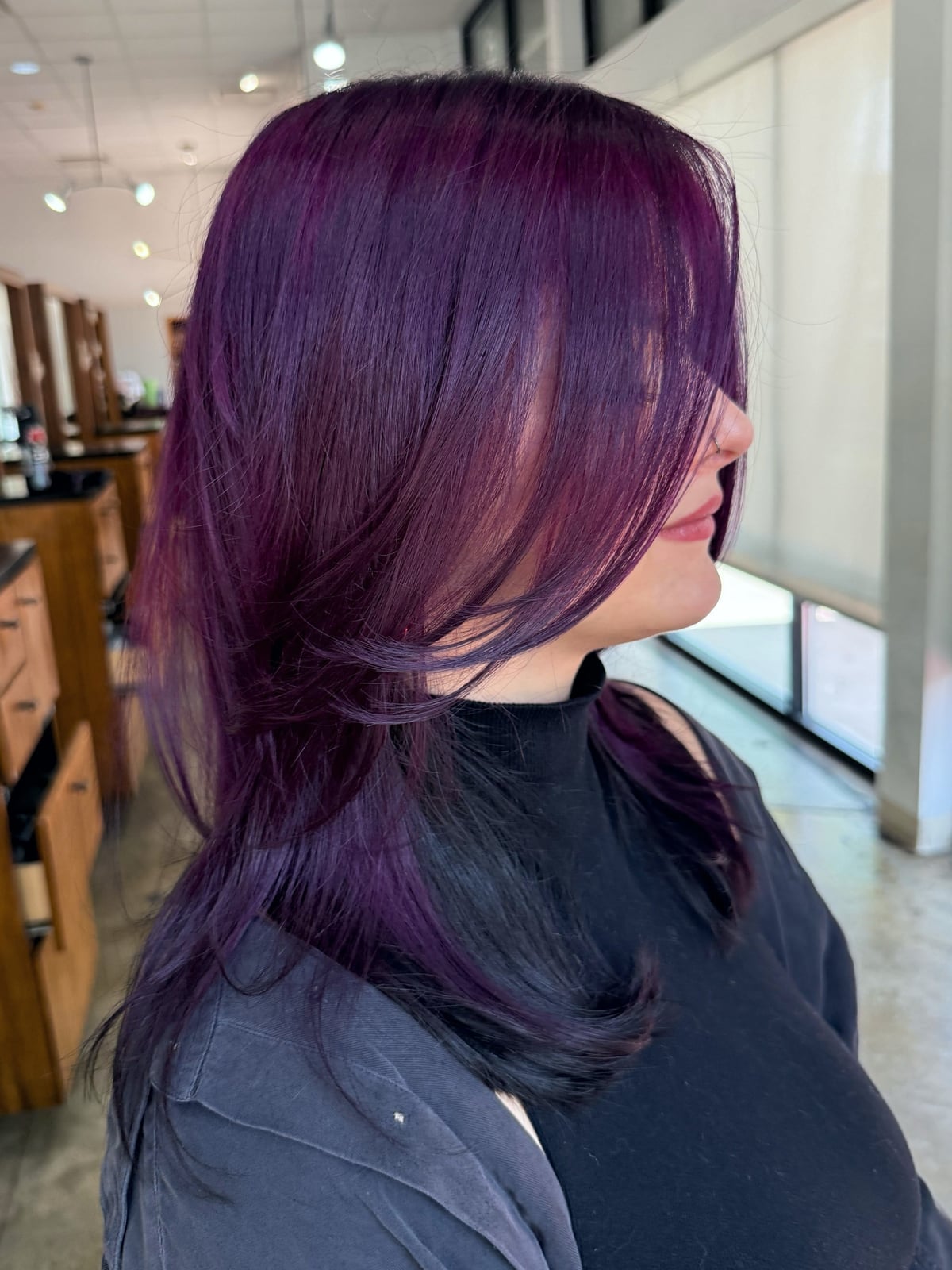
Fine, straight hair gets a bad rap for not holding onto bold color, but a deep purple with subtle violet undertones proves otherwise. The key is in the tone: violet gives the purple depth without needing heavy pigment that can weigh down fine strands. Curtain bangs and a middle parting keep the look modern and soft.
This shoulder-length blowout works because the color looks glossy, not flat. Fine hair at this length needs a heat protectant before blow-drying to preserve the cuticle. The deep purple with violet undertones will need a toning appointment every four to six weeks to stop the violet from shifting toward brassiness.
Ear Length Pastel Lavender Pixie Bob
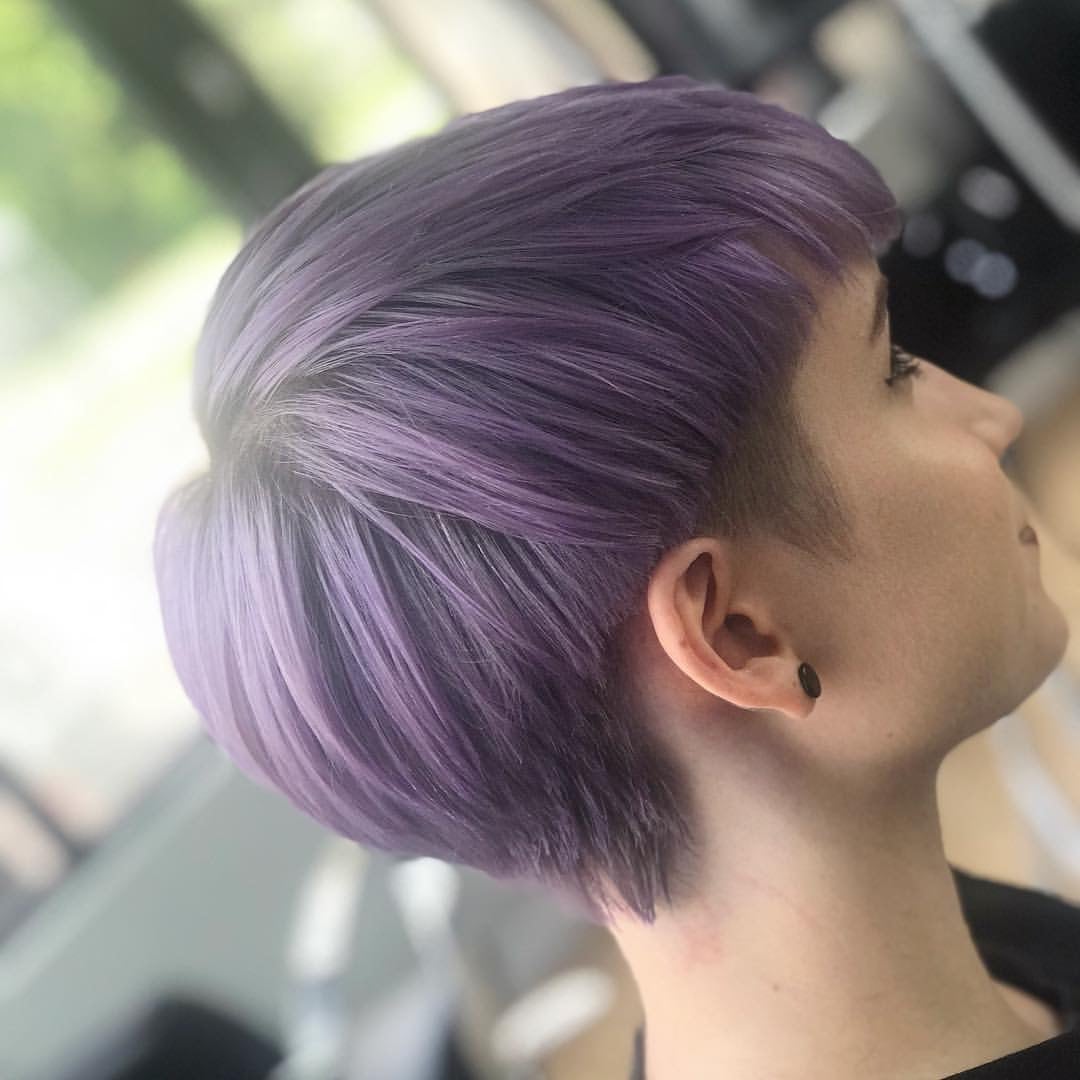
A pastel lavender pixie bob looks simpler than it is. The ear-length cut with short bangs relies on fine, straight texture to keep the shape clean. At-home kits rarely lift dark hair light enough for a true pastel, so this one belongs in a salon chair. A good colorist will pre-lighten to a pale blonde before applying the lavender tone, which takes about three hours. The result is a soft, muted purple that looks intentional, not faded. Once the color is in, a texturizing paste helps define the short layers.
Mid-Back Purple Gray Ombre
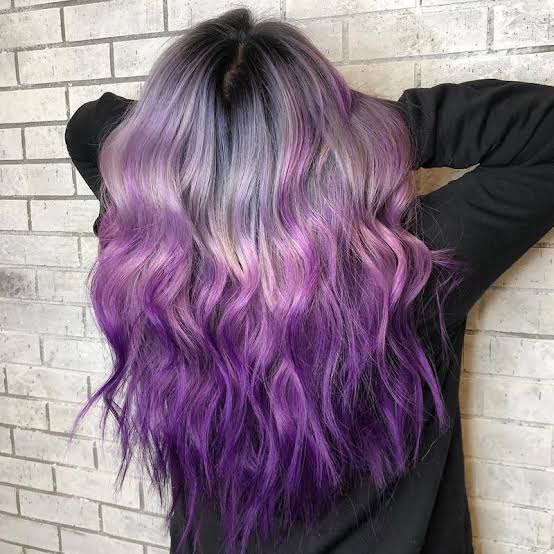
An ombre that starts gray at the roots and shifts to vibrant purple at the ends sounds like a maintenance nightmare, but it is actually one of the lower-upkeep purple options. Thick, wavy hair at mid-back length gives the gradient enough canvas to read as seamless rather than abrupt. The gray base grows in naturally, so there is no harsh root line to chase every few weeks.
That said, the purple ends still need attention. A purple-toning shampoo used once a week keeps the ends from turning muddy, especially if your water runs hard. The loose waves in this back view help blend the two tones, but the real trick is asking for a soft, painted transition rather than a hard line. Ask your colorist for: mid-back gray to purple ombre. A trim every eight weeks keeps the ends healthy enough to hold the color.
Collarbone Dark Base With Purple Magenta Ombre
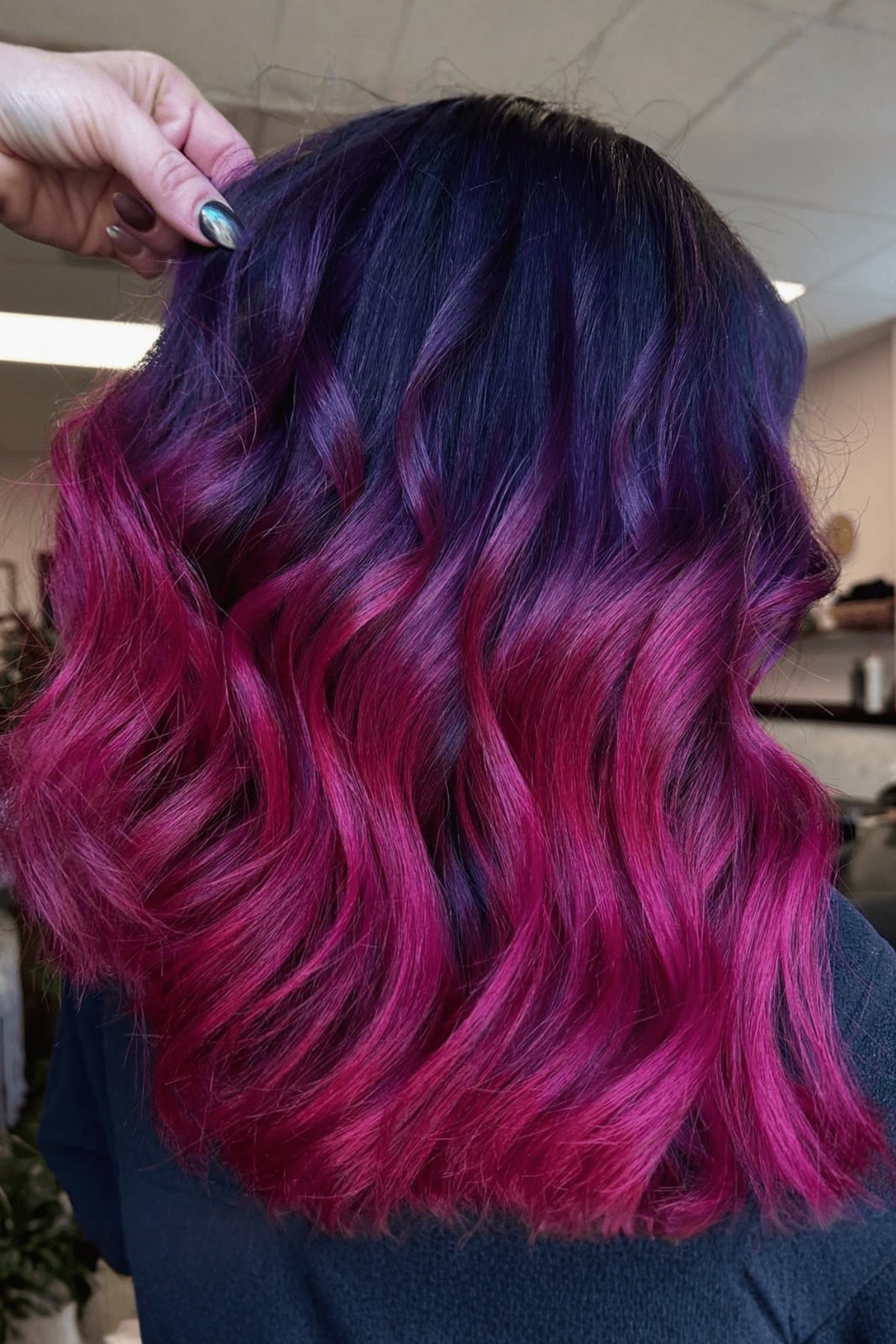
Starting with a dark base and ending in bright magenta creates a gradient that feels both grounded and electric. This collarbone-length cut uses a seamless ombre technique: the colorist applies lightener to the mid-lengths and ends only, then overlays purple and magenta tones so the transition hits in stages. Thick, wavy hair holds the multi-tone effect better than fine hair because the waves catch each shade at a different angle. The back view shows how the layers help the color move. Ask your colorist for: collarbone dark base with purple to magenta ombre. No bangs, just soft layers that let the ombre speak for itself.
Mid-Back Solid Light Purple Hair
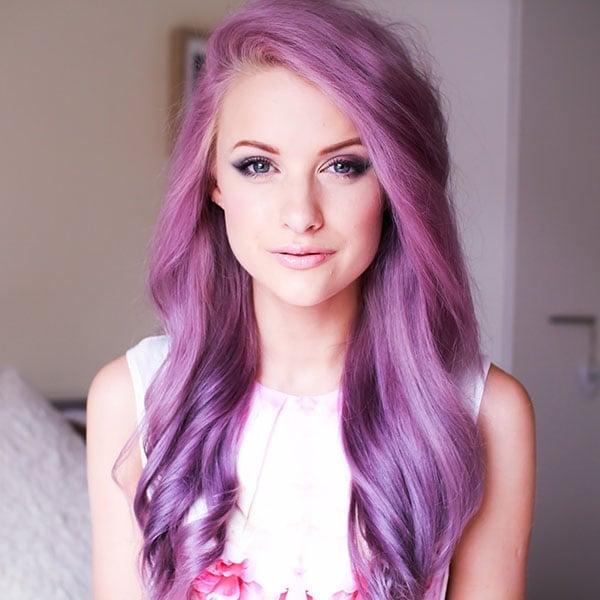
Can you pull off a solid pastel purple at mid-back length? The honest answer depends on your commitment to upkeep. This shade requires a pre-lightened base to achieve that uniform, soft tone, and the fine wavy texture here gives it movement without hiding the color. The middle parting and loose curls add volume, which helps a solid pastel look lively instead of flat.
Ask your colorist for: mid-back solid light purple, pastel tone. This color needs a toning appointment every three to four weeks to keep brassiness at bay. A purple shampoo is not optional here: it is the difference between pastel and dishwater. The result is a head-turning shade that works for those ready to maintain it.
Shoulder Pink Purple Blend Balayage
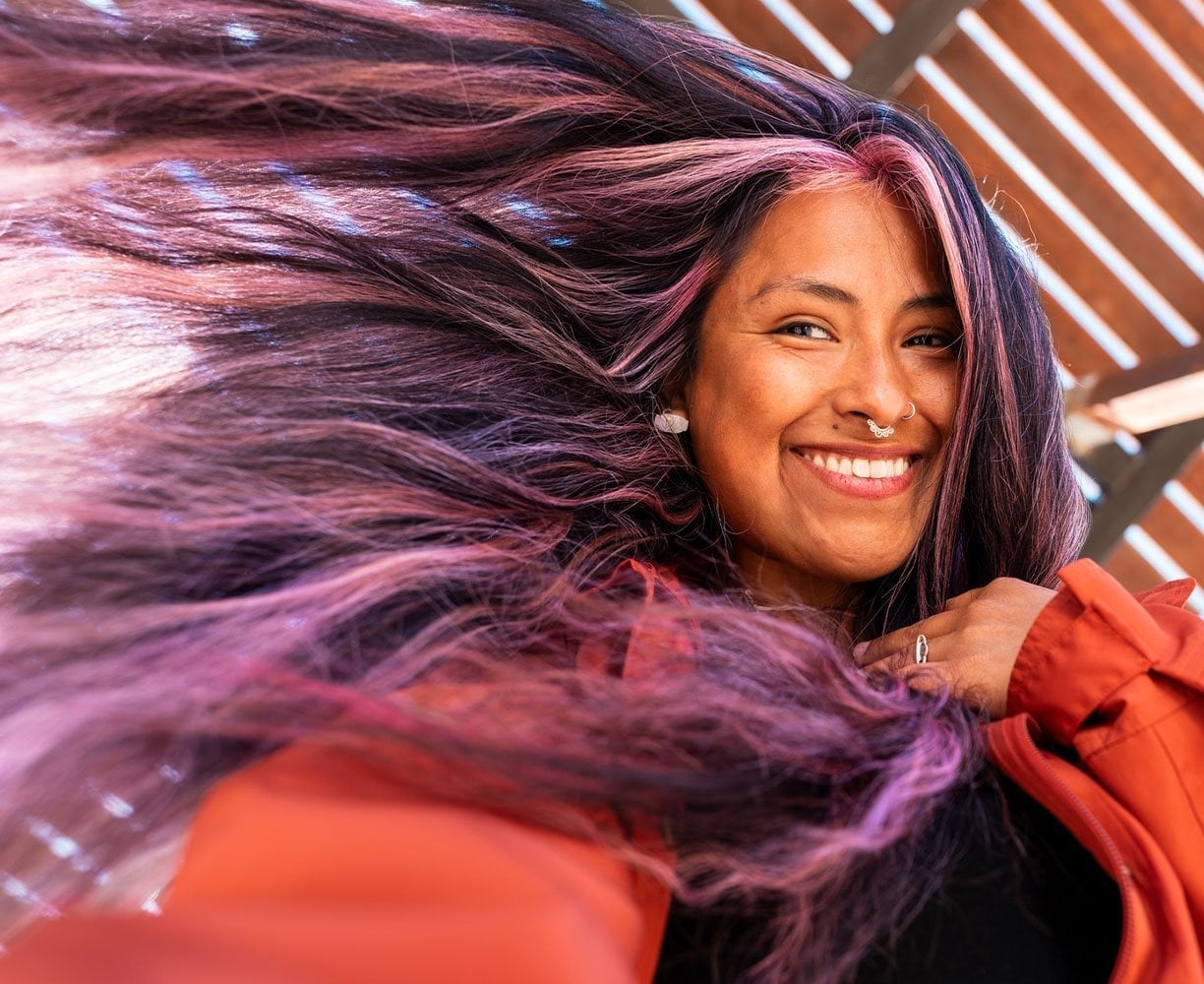
The blend of pink and purple here is not a gradient: it is a deliberate balayage where each section picks up a different tone. On fine wavy hair at shoulder length, the curtain bangs frame the face while the middle part lets the color read clearly. The soft blowout keeps the waves defined without weighing down the fine texture.
Ask your colorist for: shoulder length pink and purple blend balayage, curtain bangs. The balayage technique means the grow-out is soft, not stark, so you can stretch visits to eight or ten weeks. Alternate between a color-safe shampoo and a toning one to keep the pink and purple distinct.
Collarbone Lob With Purple Balayage
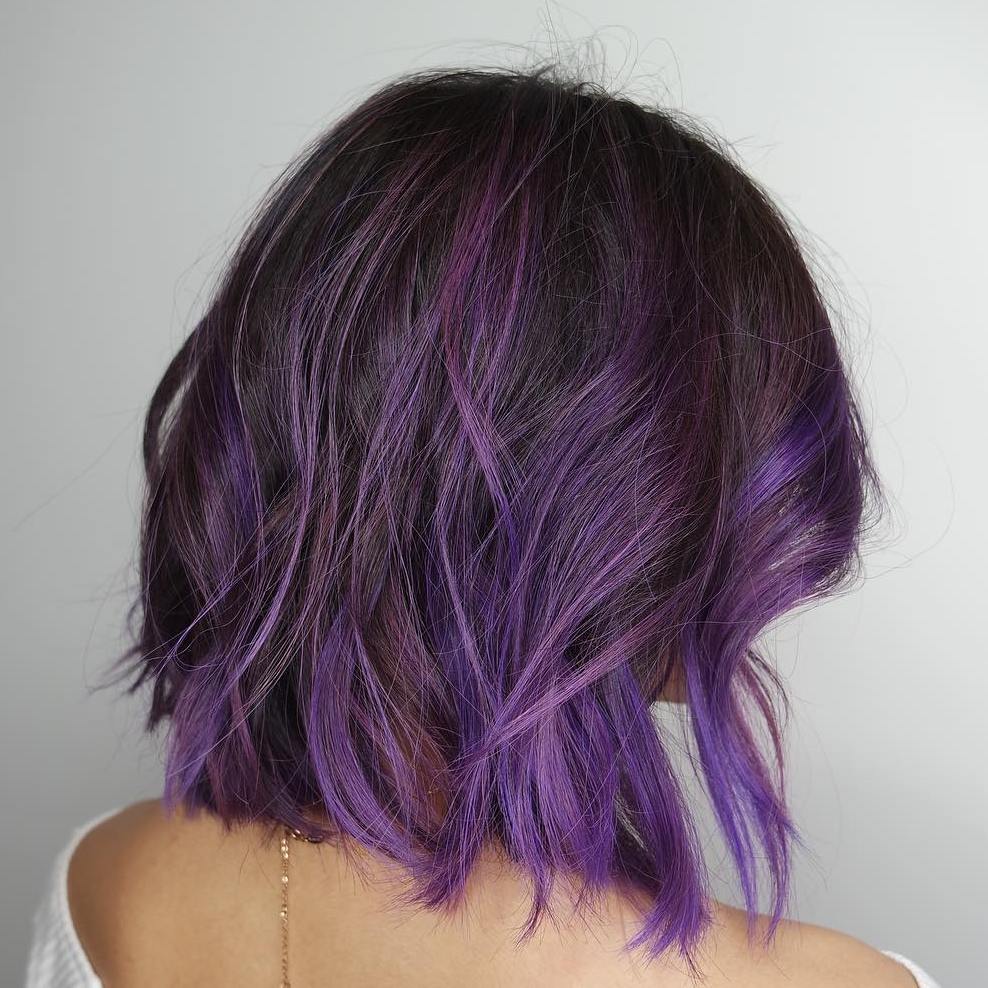
A purple balayage on a lob only works if the transition is clean. The mistake is letting the dark root bleed into the vibrant ends, which turns the whole thing muddy. Here the dark base stays deep at the root and the purple hits hard at the ends, and that contrast is what gives the lob its shape. The loose textured waves make the color look dimensional, not solid.
Ask your colorist for: collarbone lob with purple balayage. The one real drawback: if your stylist over-blends the root, the purple gets lost. Insist on a sharp transition at the mid-lengths. A texture spray on the waves keeps the cut looking polished.
Mid-Back Straight Burgundy Purple Hair
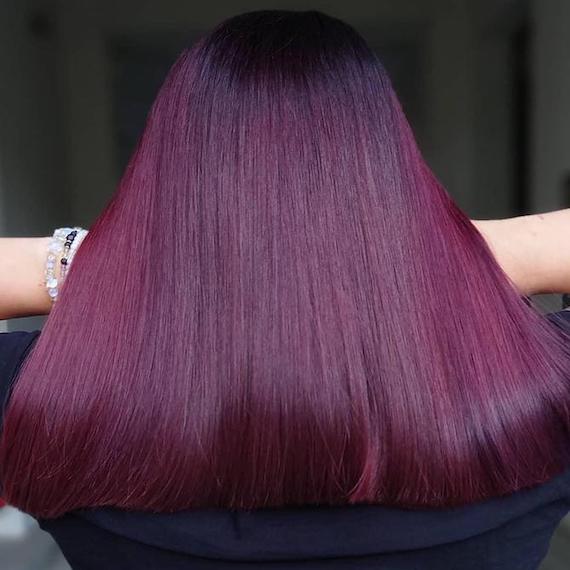
Burgundy purple is a fall and winter staple for a reason. The deep, wine-adjacent tone works with the lower light and heavier fabrics of those seasons, and the uniform application here means the color reads as saturated from root to tip. The poker-straight styling on thick hair highlights the consistency of the shade, no waves to hide any unevenness.
Ask your colorist for: mid-back uniform burgundy purple, poker straight style. This shade fades to red tones over time, so expect a toning appointment every four to five weeks. For a work-to-evening transition, the sleek finish and deep color hold their own without additional styling.
Mid-Back Lilac Purple Balayage Waves
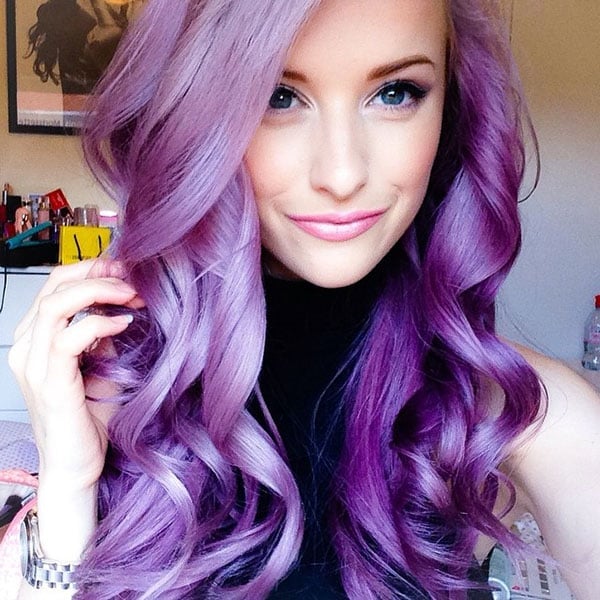
The balayage technique for a lilac and purple blend starts with a lightened base at the ends. The colorist paints the lilac lower and the deeper purple closer to the root, creating a soft transition that does not need a hard line. The loose waves on thick hair here let the two tones show separately, so the blend looks dimensional.
Ask your colorist for: mid-back lilac and purple balayage, loose waves. This blend requires a toning appointment every three weeks to keep the lilac from turning yellow and the purple from fading. A wave-enhancing mousse applied to damp hair helps the texture hold without heat.
Shoulder Length Dark Base With Purple Highlights
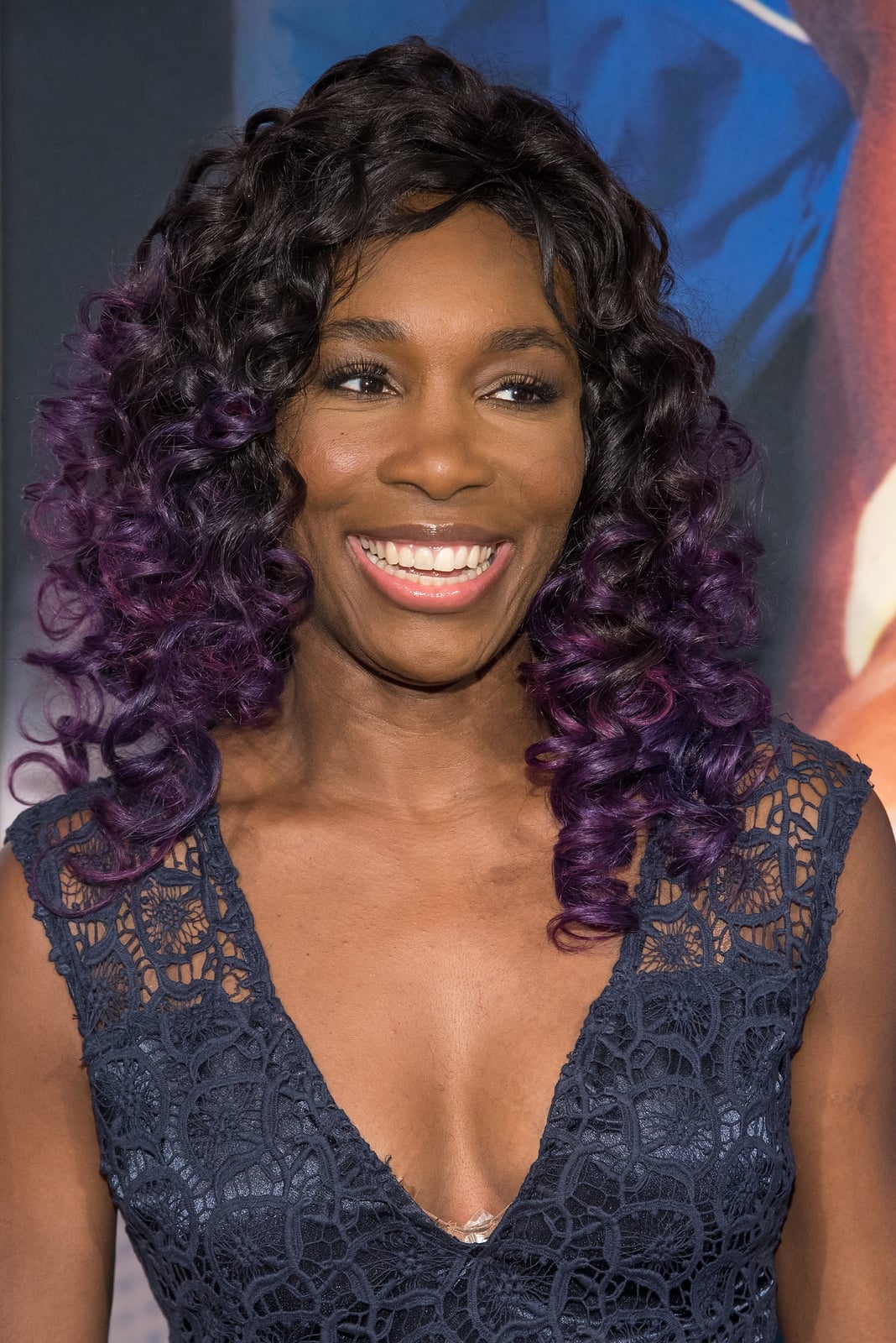
Purple highlights can enter dark hair without an all-over bleach session. This shoulder-length cut uses a dark base with purple highlights that concentrate toward the ends, so the color stays a subtle accent. The side-parted, thick wavy texture in loose curls lets the purple strands peek through without overpowering the base. Ask your colorist for: shoulder length dark base with vibrant purple highlights. This technique works best on thick, wavy hair at shoulder length and suits most face shapes.
Collarbone Blunt Bob With Blunt Bangs
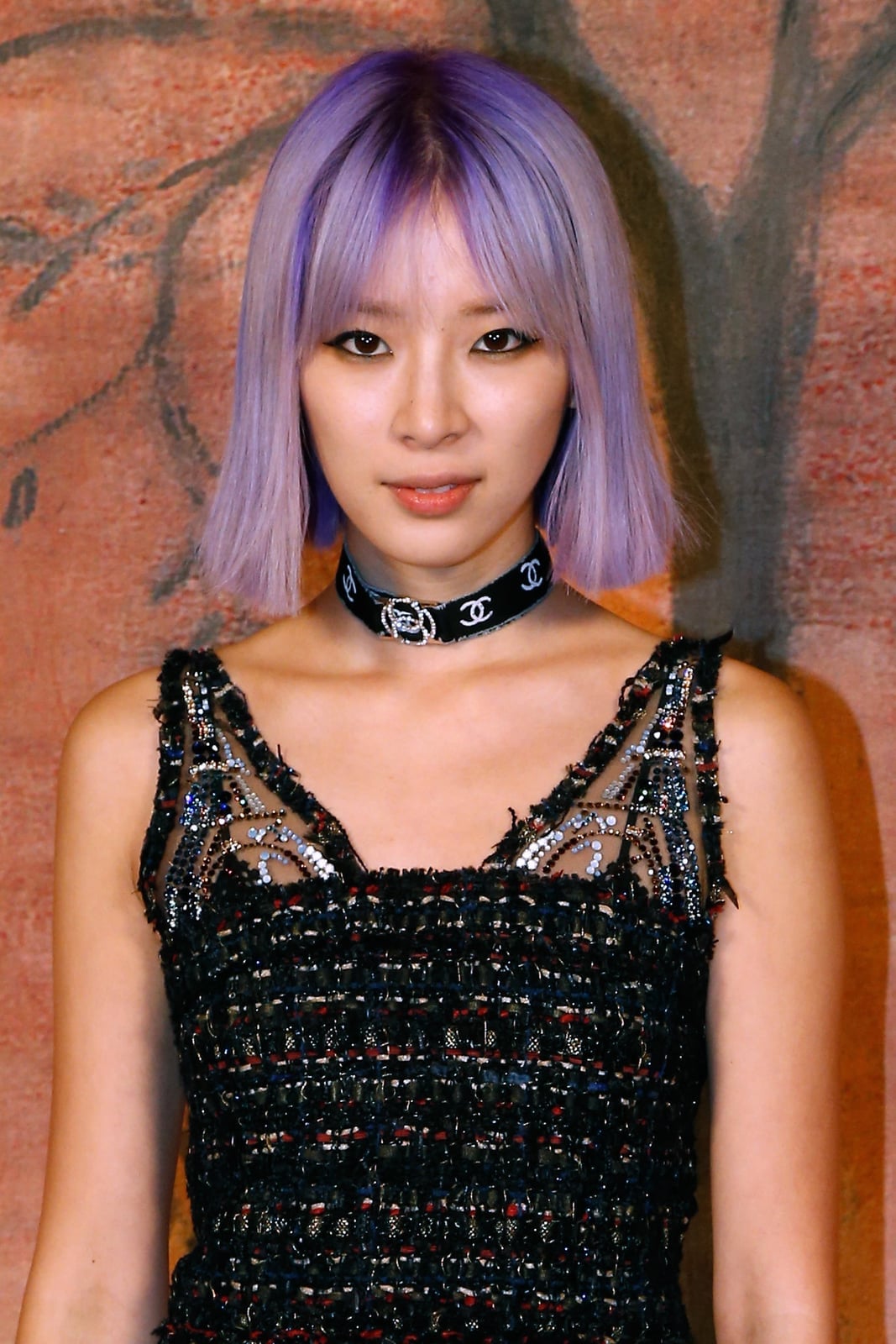
Blunt bangs and a blunt bob on fine, straight hair leave no room for hiding. The collarbone length cut lands in a vibrant lavender shade, with a smooth blowout showing off the precision of every line. The trade-off is real: blunt bangs need a trim every three to four weeks to stay sharp, and that crisp edge is essential. Fine, straight hair at collarbone length is the ideal canvas, but oval and long faces handle the heavy bang weight best. Ask your stylist for: collarbone blunt bob, vibrant lavender, blunt bangs.
A smoothing cream before blow-drying keeps the finish polished and the lavender tone even. Anyone who prefers a softer, more lived-in look should consider curtain bangs instead.
Collarbone Blonde With Peek-a-Boo Purple, Face-Framing
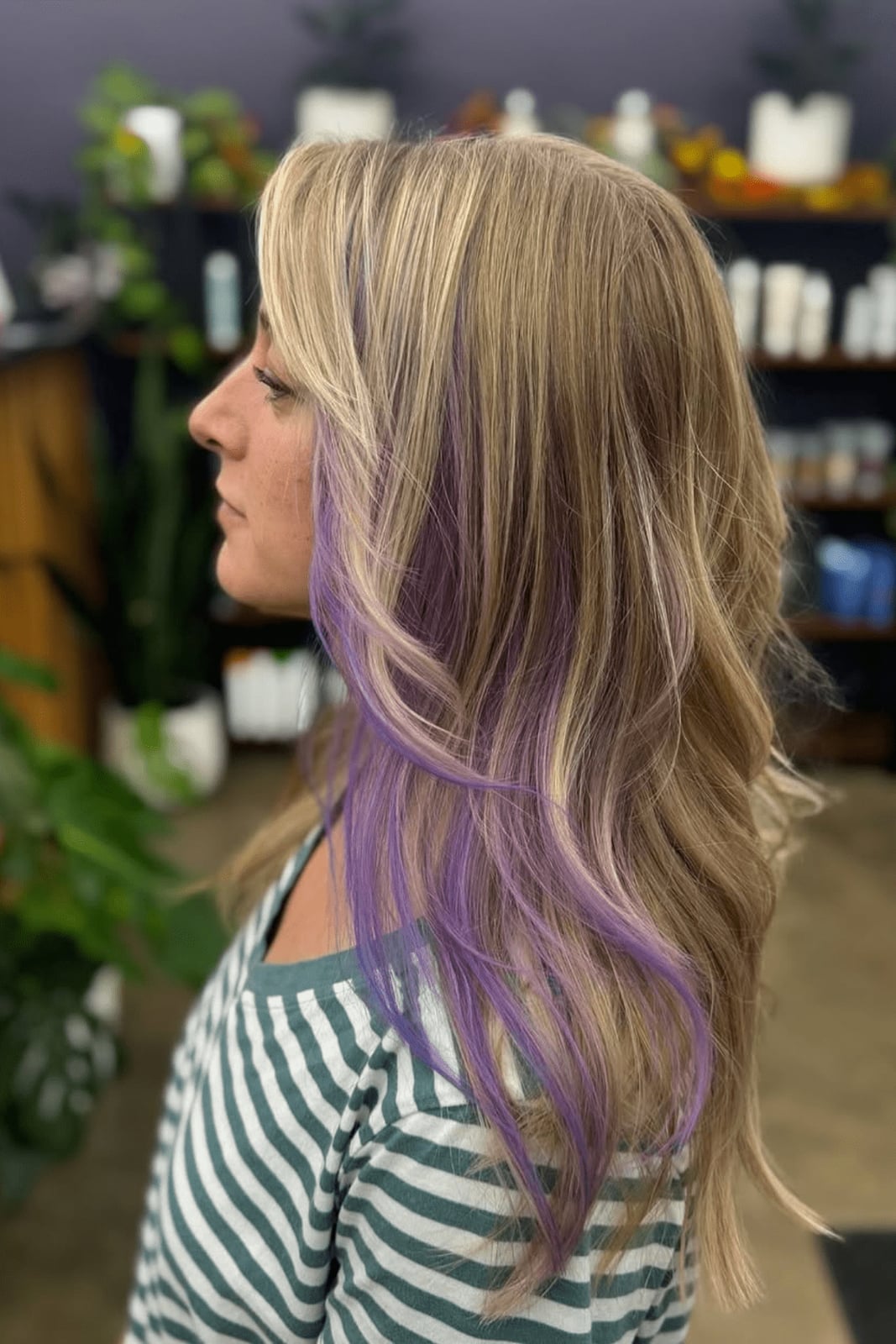
If full-on purple feels like a leap, peek-a-boo highlights offer a gentler landing. This collarbone-length cut keeps a blonde base with subtle purple strands woven through the layers, so the color only appears when the loose waves shift or the side part falls a certain way. It is the difference between wearing purple hair and letting purple hair wear you.
The side-parting suits oval and heart faces, and the medium density wavy texture gives the hidden strands enough movement to peek out without taking over. Ask your colorist for: collarbone blonde with subtle peek-a-boo purple highlights. This is a salon-leaning job because the purple pieces need to be placed precisely beneath the blonde sections, and doing it at home tends to end with blotchy patches. A color-safe shampoo will help the lighter tones stay fresh between six-week gloss appointments.
Mid-Back Deep Plum With Purple Undertones
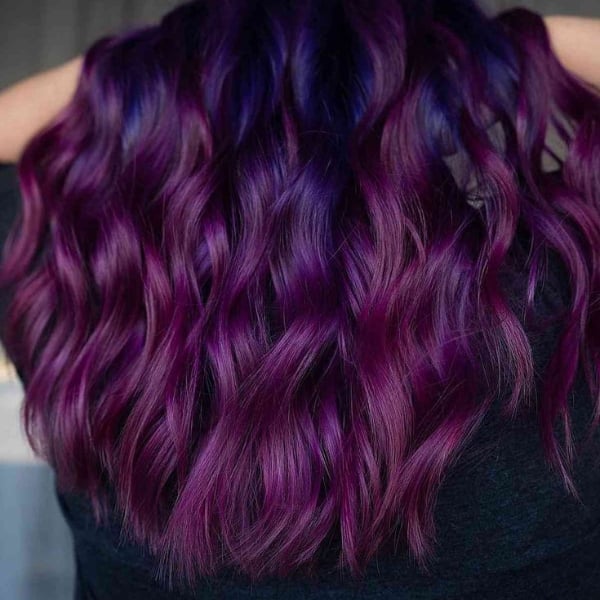
A deep plum shade with purple undertones shifts between burgundy, violet and near-black depending on the lighting. This mid-back length cut with thick, wavy texture and subtle layers gives the color a glossy, dimensional finish. The back view shows how the undertones appear differently on each wave. Ask your colorist for: mid-back deep plum with rich purple undertones. Upkeep is straightforward for a dark shade: deep plum fades warmer over time, so a color depositing conditioner every second wash keeps the violet note alive. Thick, wavy hair of mid-back length carries the depth best, and the shade suits most face shapes without requiring a specific part.
Mid-Back Black With Vibrant Purple Streaks
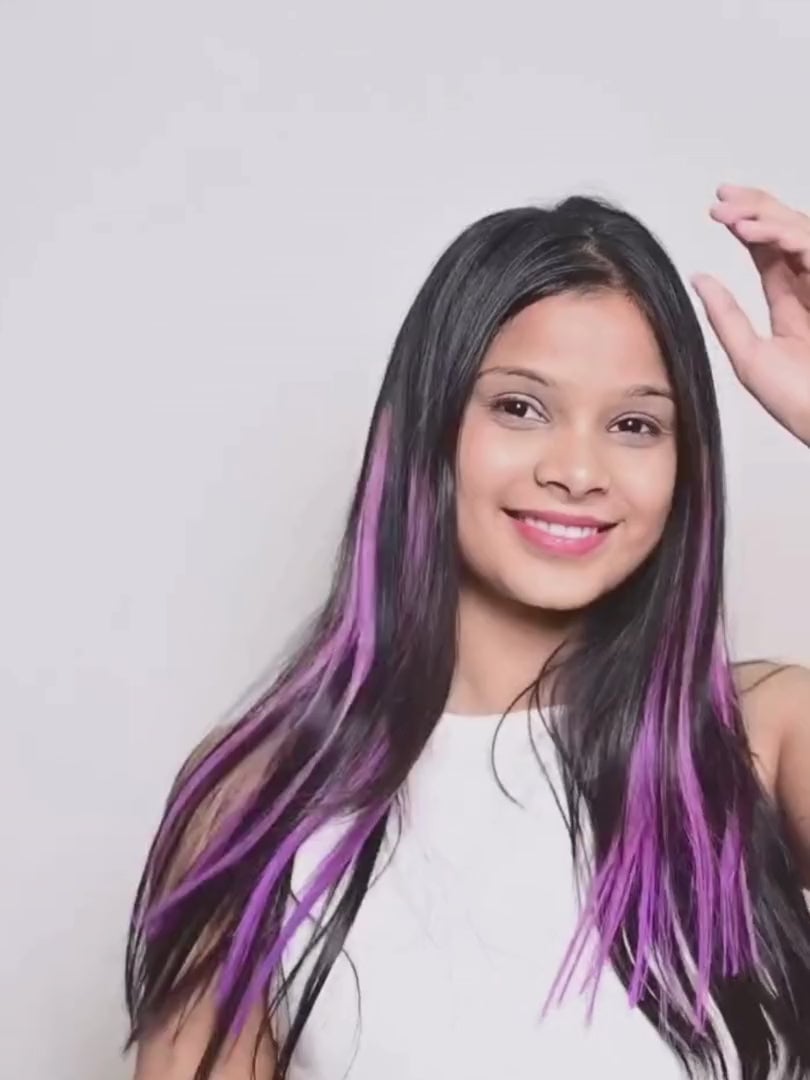
Black hair with vibrant purple streaks is less about blending and more about contrast. The mid-back length with straight, thick texture and a middle parting shows the purple sections as deliberate ribbons. Each streak sits as a separate panel, creating a high-impact stripe effect against the dark base. Ask your colorist for: mid-back black with vibrant purple streaks. The difference between this and a full balayage is that the streaks are placed strategically for maximum visibility, not for soft graduation. Thick, straight hair of mid-back length holds the stripe effect cleanly, while fine or layered textures risk the purple getting lost in the movement. Most face shapes can wear the middle parting, but the bold contrast means the look works best on those comfortable with a graphic approach to color.
Mid-Back Dark Hair With Vibrant Purple Streaks, Wavy
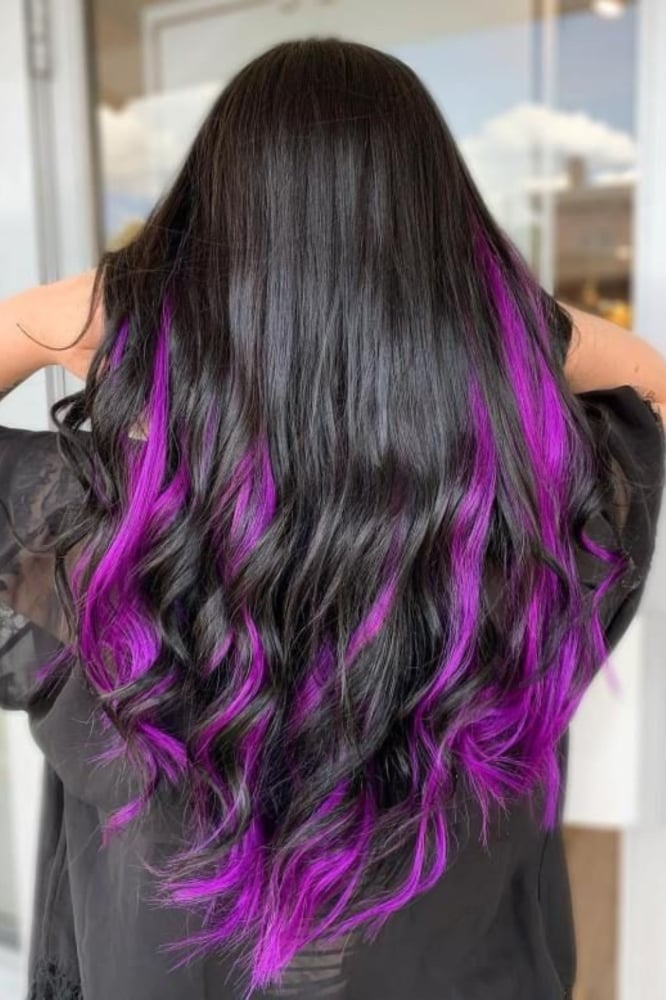
Wondering if you can get away with vibrant purple streaks when your base is dark? You can, but the trade-off is real: those bright pieces need a pre-lighten pass before the color goes on, and on dark hair they tend to fade faster than the base. That contrast you see here, the vivid purple against a near-black background, is exactly what you’re signing up for, and it’s worth knowing the upkeep before you commit.
This look suits thick, wavy hair at mid-back length, with layers that let the streaks peek through the movement. Ask your colorist for: mid-back dark hair with vibrant purple streaks. A middle parting helps the color read as a deliberate choice rather than an accident. Because the streaks are lighter than your natural base, they’ll show brassiness or dullness first, so a color-safe shampoo and cooler water will stretch the time between refresh appointments. If you’re not ready for that rhythm, consider a darker plum instead.
Final Thoughts
For a low-maintenance purple, ask for balayage or ombre so your natural base blends with the color and the grow-out line stays soft. Solid vibrant purples and pastel shades need more upkeep, so book toning and root touch-ups accordingly.
- Use color-safe shampoo and conditioner to preserve vibrancy.
- Wash hair with cool water to prevent premature fading.
- Deep condition weekly to maintain moisture and shine.
- Schedule toning treatments every 4-6 weeks to refresh cool tones.
- Book root touch-ups every 6-10 weeks.
Embrace the vibrant world of purple hair color.
