

Ombre hair is a coloring technique that transitions from a darker root to lighter ends, creating depth and movement. Right now, the trend leans toward lived-in color with soft face-framing layers and curtain bangs, so the blend feels natural rather than stark.
This collection of 27 Ombre Hair Ideas spans the spectrum, from low-maintenance balayage that grows out gracefully to high-impact vibrant gradients that demand attention. Whether your hair is fine or thick, straight or curly, or you’re working with a bob or waist-length strands, there’s a version here that fits your routine and your risk tolerance. If you’ve battled a visible grow-out line or color that fades fast, these options show how to keep the transition looking deliberate.
Black To Fiery Red Orange Collarbone Ombre
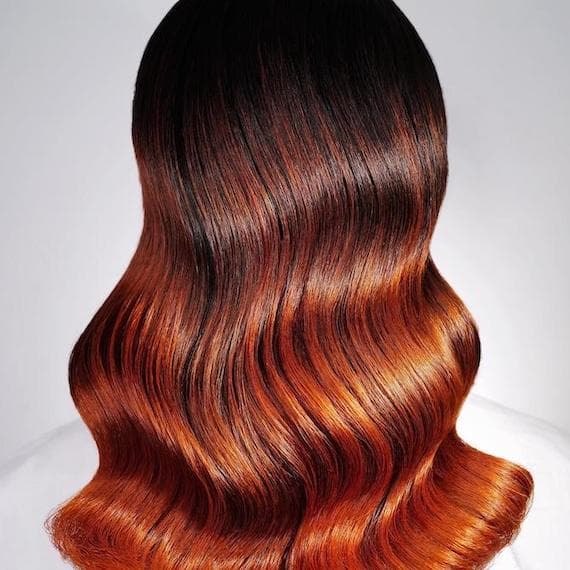
The transition here is precise: black roots hold their ground until about mid-length, then the color shifts into a warm red-orange that lands at the collarbone. Medium density wavy hair takes the pigment evenly, and the polished blowout keeps the glossy finish front and center. Ask your colorist for: black to fiery red-orange ombre, collarbone length, soft waves. A heat protectant spray before blow-drying maintains the shine; expect a root touch-up every six to eight weeks.
Dark Blonde To Light Blonde Balayage Lob
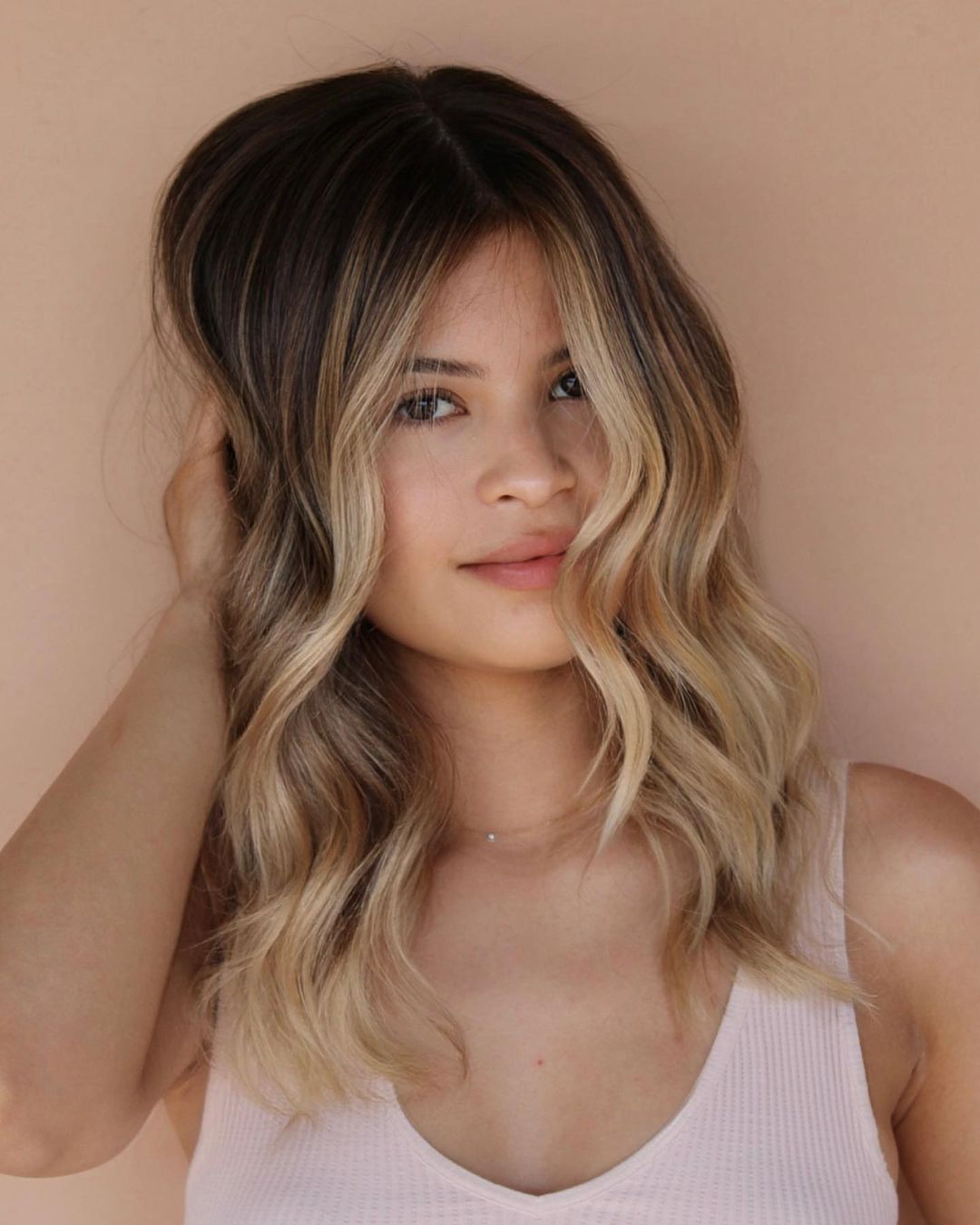
Can fine, wavy hair pull off a balayage? Yes, when the base is a dark blonde and the lighter pieces are painted softly through the mids and ends. The collarbone lob keeps the weight off the strands, so the texture shows movement rather than limpness. Ask your colorist for: dark blonde to light blonde balayage, collarbone lob, loose waves. A sea salt spray can enhance the wave pattern; the lob needs a trim every six to eight weeks.
Dark Brown With Honey Blonde Balayage and Creating A Vibrant Contrast
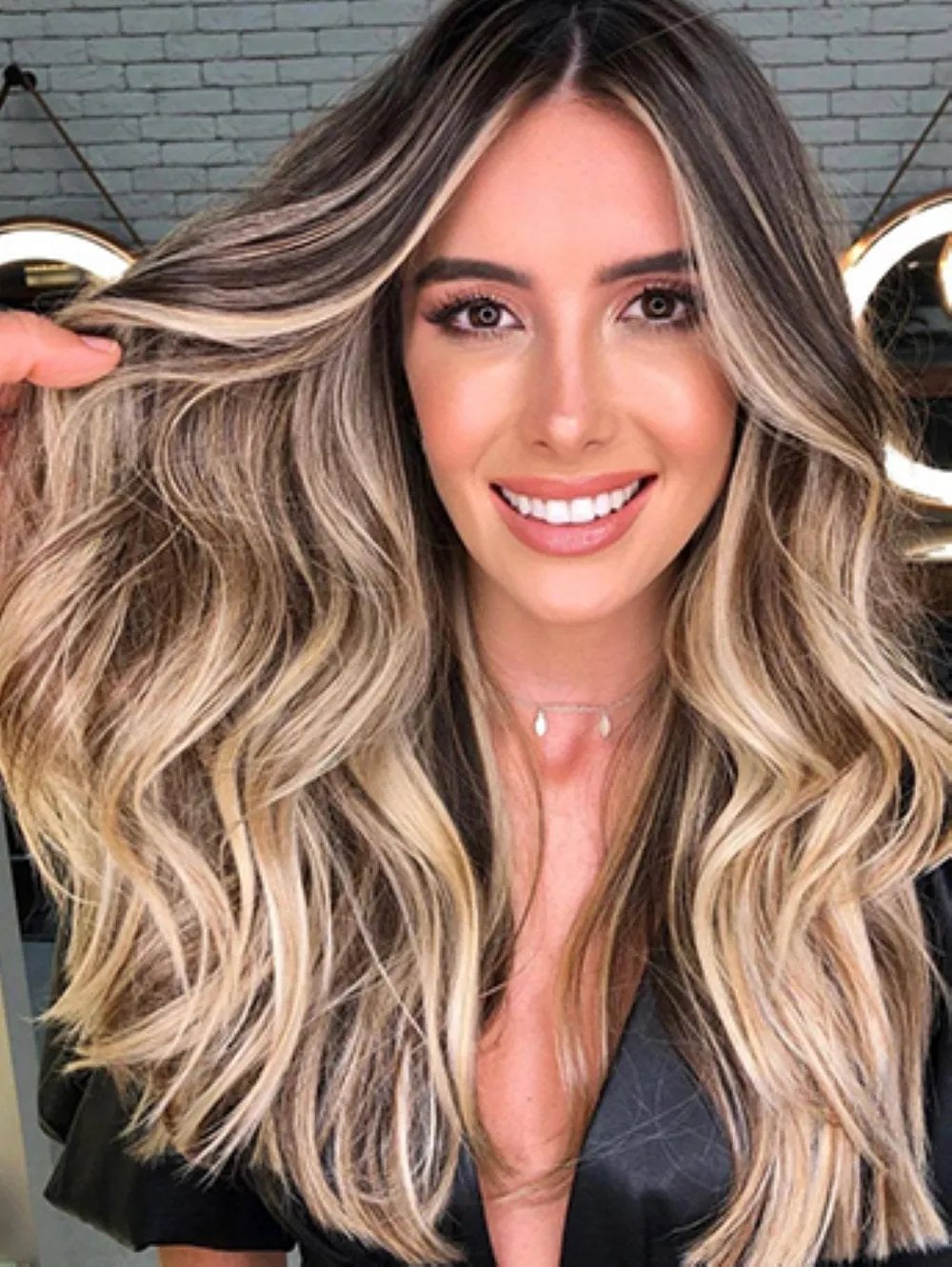
The honey blonde balayage on this mid-back length cut starts about three inches from the root, so the dark brown base keeps its depth while the lighter pieces add a bright, dimensional contrast. Long layers and loose waves give the color room to move, and a middle parting shows the full gradient from root to tip. Ask your colorist for: dark brown base with bright honey blonde balayage, mid-back length layers.
Thick, wavy hair is the ideal canvas here because the texture reflects light at different angles, making the balayage look like it shifts as you move. The honey tone leans warm, so if your base has any red undertones, the colorist will need to neutralize them before applying the lighter shade to avoid a brassy result.
Dark Brown Base With Dimensional Highlights, Close-Up Take
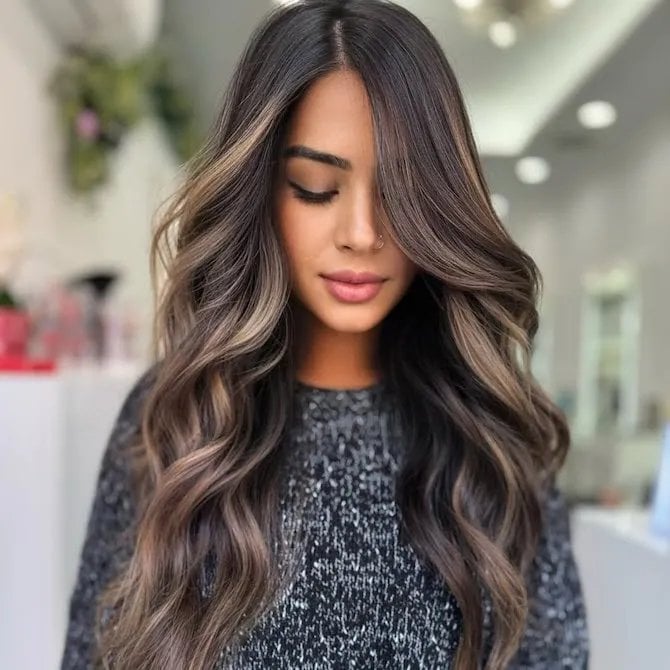
The one drawback is that the highlights need more precise placement than a standard ombre, so a colorist who knows how to weave fine sections is non-negotiable. On thick, wavy hair at mid-back length, the dimensional effect softens square and oval face shapes, but if your hair is fine, the scattered light pieces can read as sparse rather than intentional.
Dark Brown To Ash Blonde Ombre
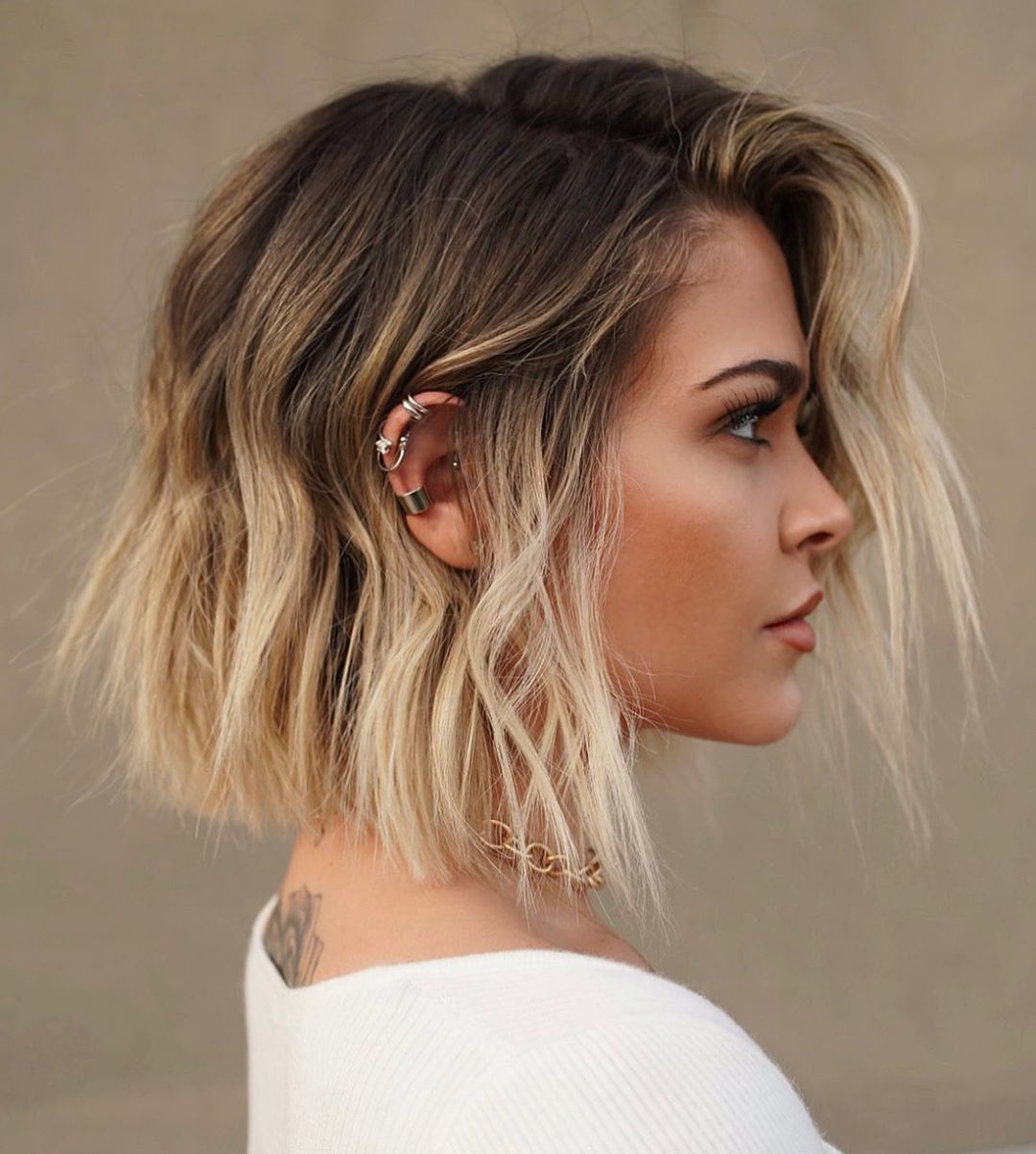
The dark brown base sits at the roots, then the color fades into a cool ash blonde that runs through the mid-back length. The loose waves and middle parting let the contrast breathe without competing. Ask your colorist for: dark brown to ash blonde ombre, mid-back length, loose waves.
Ash blonde ends need maintenance: a purple shampoo used weekly keeps the tone from veering brassy. The ombre grow-out is forgiving, so you can stretch trims to every eight to ten weeks. The middle part also elongates round face shapes.
Black To Vibrant Purple Ombre
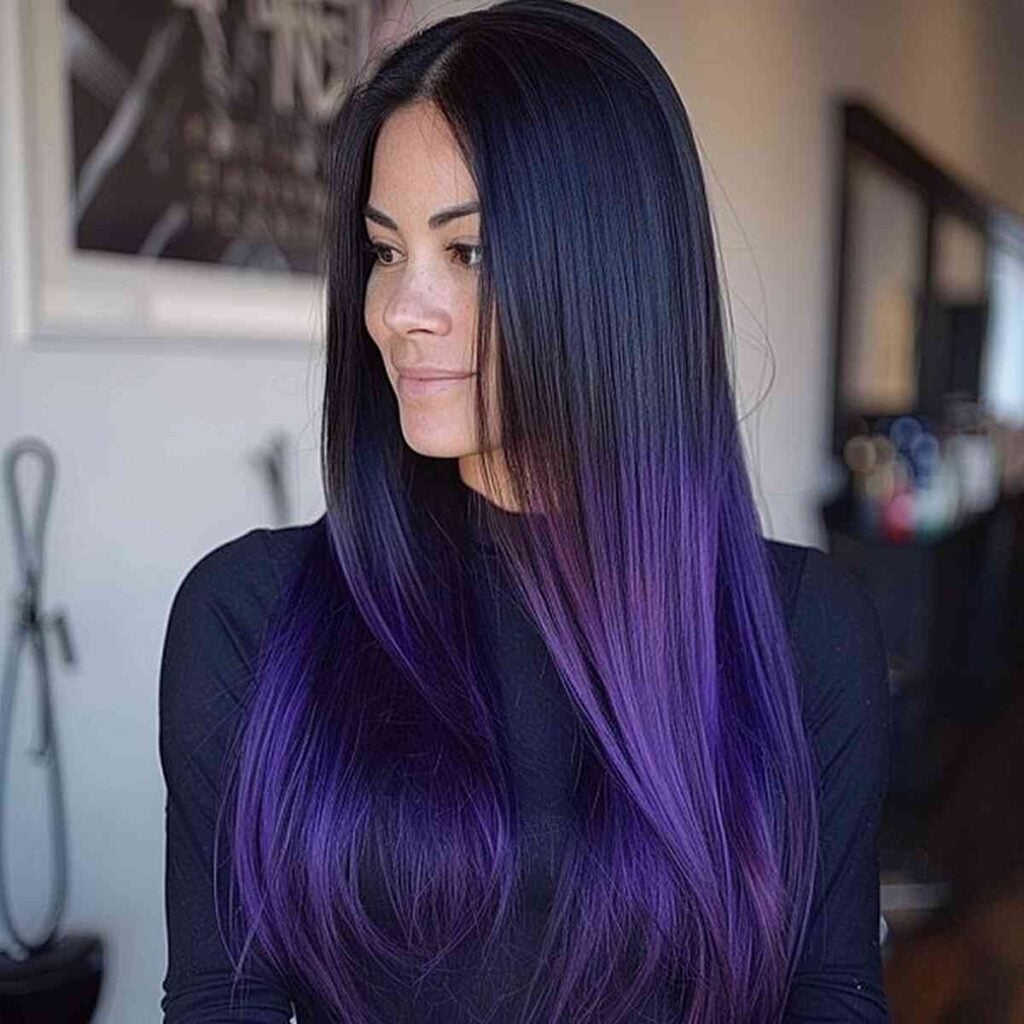
Wondering when to break out that vivid purple you’ve been eyeing? A black to vibrant purple ombre on mid-back length, straight, thick hair works for a night out or a festival weekend when you want the color to actually show. The dark roots keep the grow-out low-key, so you can go a few weeks between touch-ups without looking like you forgot an appointment. Ask your colorist for: black to vibrant purple ombre, mid-back length. A color-protecting serum helps the purple stay saturated longer than it would on its own.
Red To Orange Collarbone Ombre
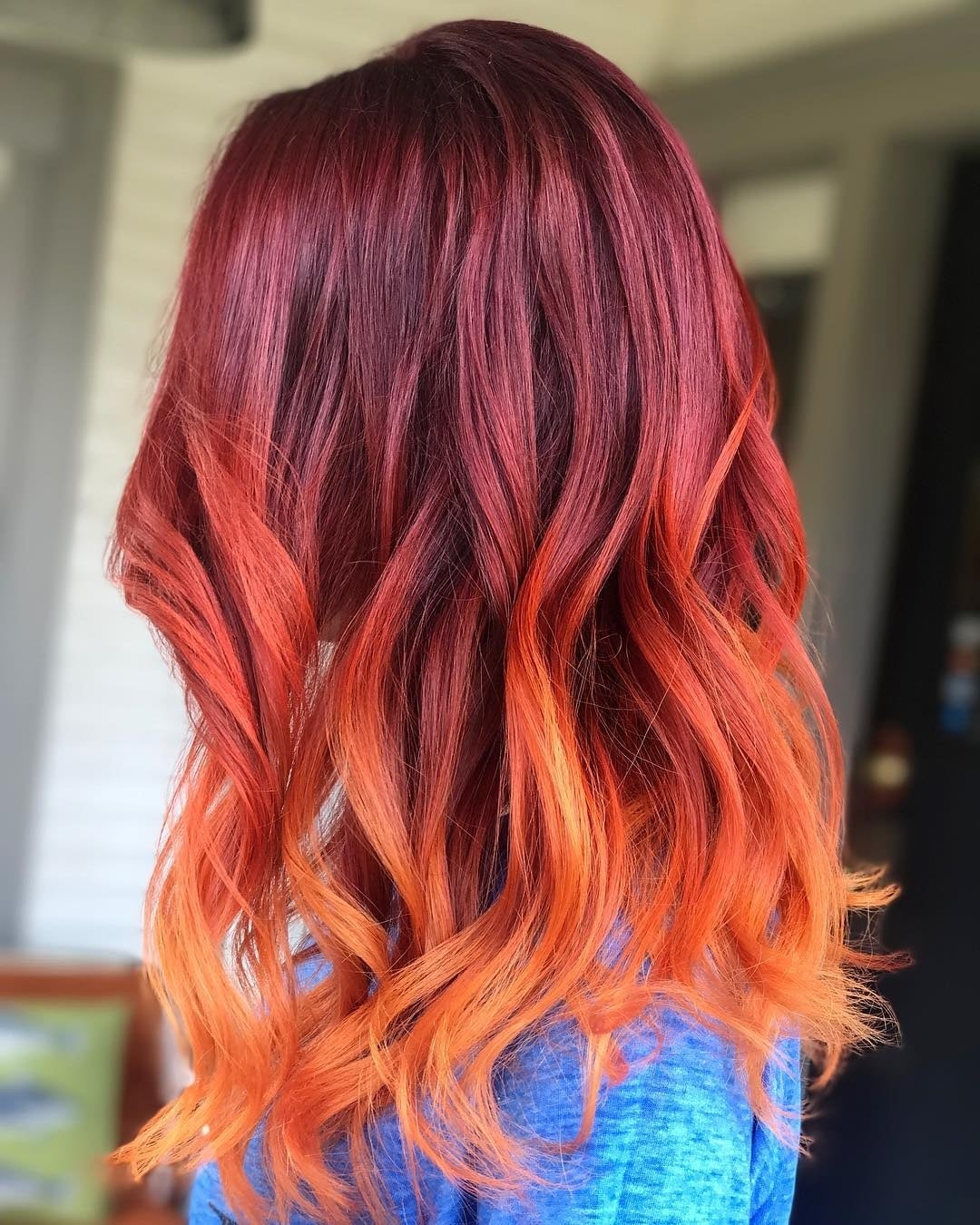
The colorist applies the deep red from the roots down through the mid-lengths, then hand-paints the bright orange onto the ends, blending where the two meet. A middle parting and loose waves let the gradient read clearly from every angle. Ask your colorist for: red to orange ombre, collarbone length, loose waves. The result softens angular jawlines without needing a full commitment to a single vivid shade.
Medium Brown To Golden Blonde Ombre
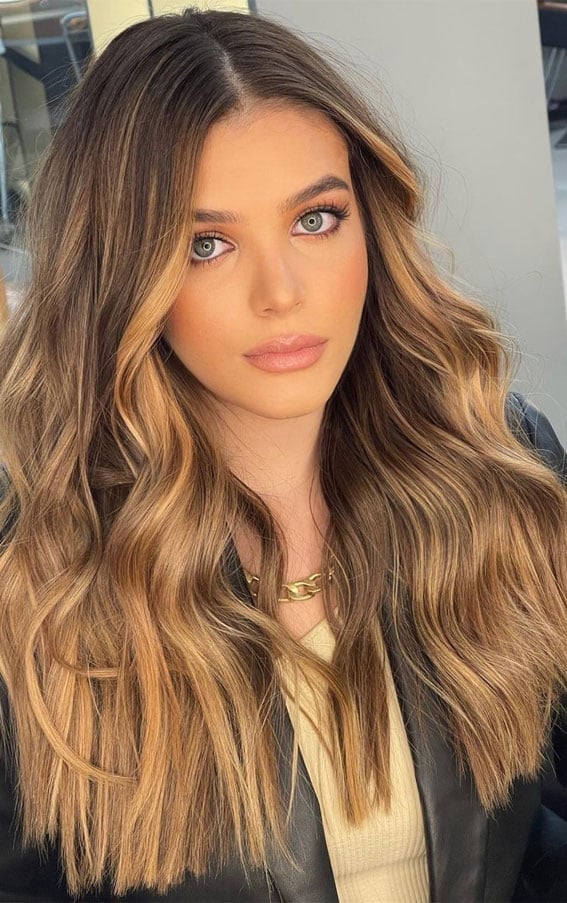
You might think a medium brown to golden blonde ombre on shoulder-length, wavy hair is a weekend project. It is not. The seamless transition here comes from a salon-only technique that lifts the ends in sections, then glosses them to the right warmth.
At home, you risk uneven color or that brassy stripe where the two shades meet. A professional uses foils and a toner to keep the golden blonde clean and the brown base rich. Ask your colorist for: medium brown to golden blonde ombre, shoulder length, loose waves. Book a full day for the application; the result holds its shape for months.
Black To Emerald Green Bob Ombre
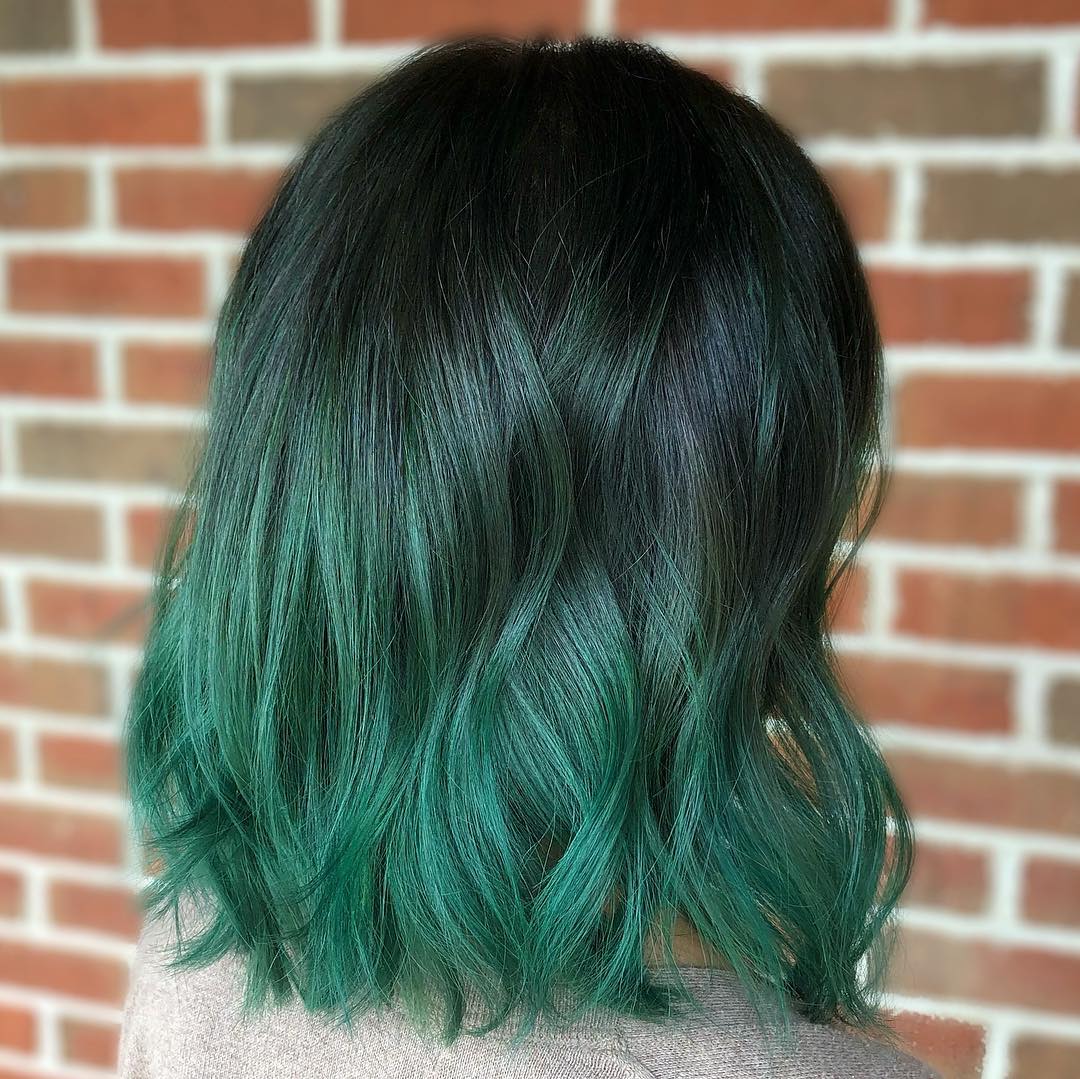
A black to emerald green ombre bob at chin length with a middle parting is a statement that lands hard. The green is rich and saturated, but on a bob the ends get cut every six to eight weeks, which means that vibrant emerald fades faster than it would on longer hair. Ask your colorist for: black to emerald green ombre bob. You will need a color-depositing conditioner to keep the green from turning teal between appointments. Worth it for the drama, but know the upkeeep schedule going in.
Dark Brown To Caramel Blonde Ombre, Mid-Back
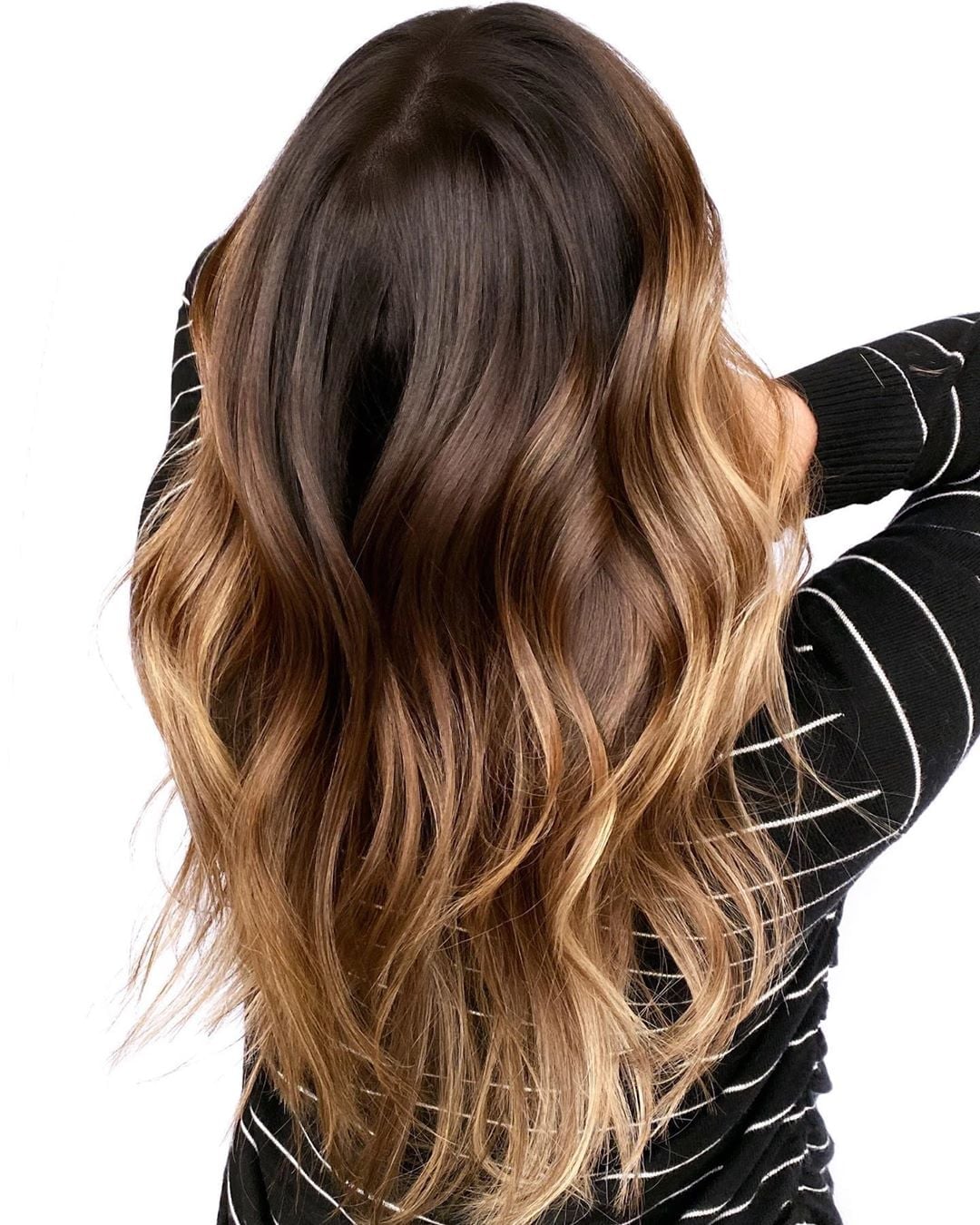
How much time does a dark brown to carmel blonde ombre on mid-back length, thick, wavy hair actually take? About three hours in the chair for the initial application. The colorist sections the hair, applies lightener to the mid-lengths and ends, then tones the carmel shade to avoid brassiness. The layers help the gradient look natural even when the hair is down.
Upkeep is where the time adds up. A gloss appointment every eight to ten weeks keeps the carmel from turning muddy, and a trim every eight weeks keeps the ends healthy. Ask your colorist for: dark brown to caramel blonde ombre, mid-back length, soft waves. The result is low-maintenance between appointments, but the schedule is not optional if you want it to stay warm.
Dark Brown With Ash Blonde Balayage Collarbone
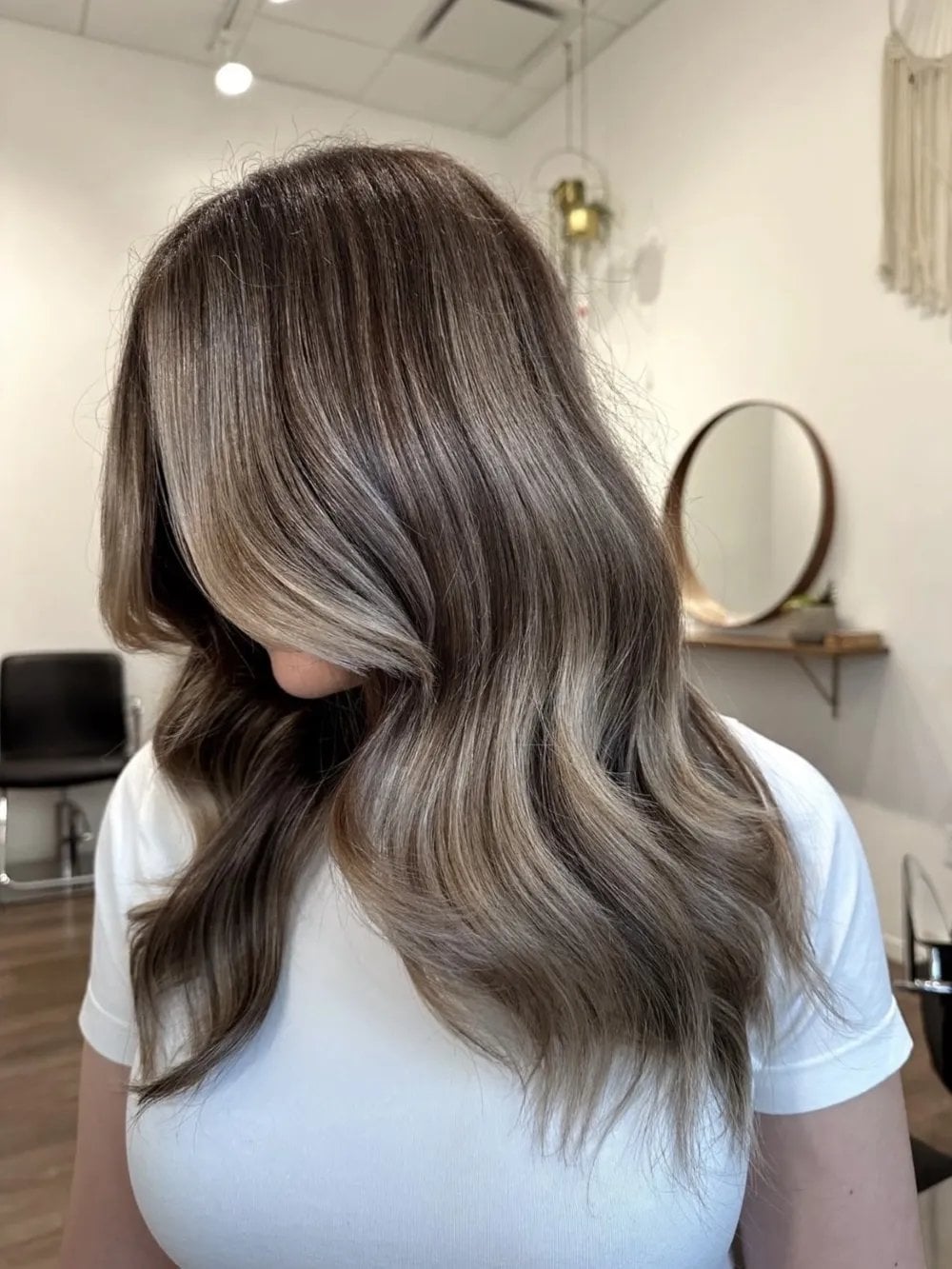
The golden rule with a dark brown base and ash blonde balayage is to keep the lighter color far enough from the root. Too close, and the contrast looks like a stripe instead of a soft gradient. This collarbone-length cut with curtain bangs and a middle parting avoids that by placing the balayage lower, where the face-framing layers are most visible. Medium density wavy hair handles the transition best because the texture diffuses the line. Ask your colorist for: dark brown base, ash blonde balayage, curtain bangs. A volumizing mousse at the roots gives the waves lift, and the fringe needs a trim every four to six weeks to hold its shape.
Long Dark Brown To Blonde Ombre, Wavy
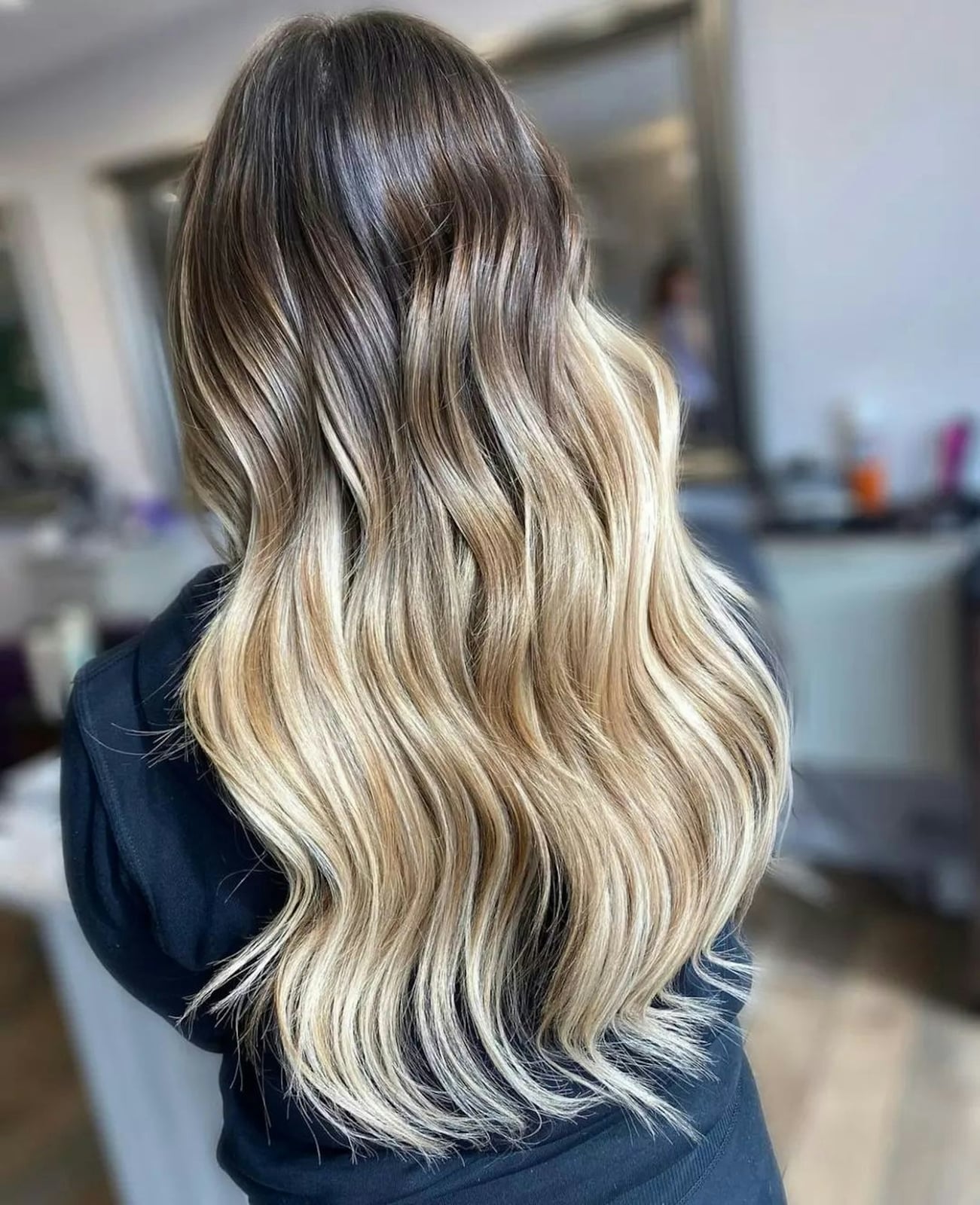
The design here relies on a hand-painted technique that keeps the dark brown at the roots dense and the blonde at the ends airy. No foils touch the scalp, so the color melt creates a natural shadow. Thick, wavy hair at mid-back length provides the ideal canvas: the texture shows every shift between the two shades, and the side view reveals the gradient from root to tip. The wavy blowout emphasizes the vertical flow, which elongates the silhouette.
Ask your colorist for: dark brown to blonde ombre, mid-back length. Because the transition is painted, the grow-out is soft for about three months before the roots need a refresh. A heat protectant before styling keeps the waves defined without frying the ends.
Blunt Dark Brown To Blonde Ombre Bob
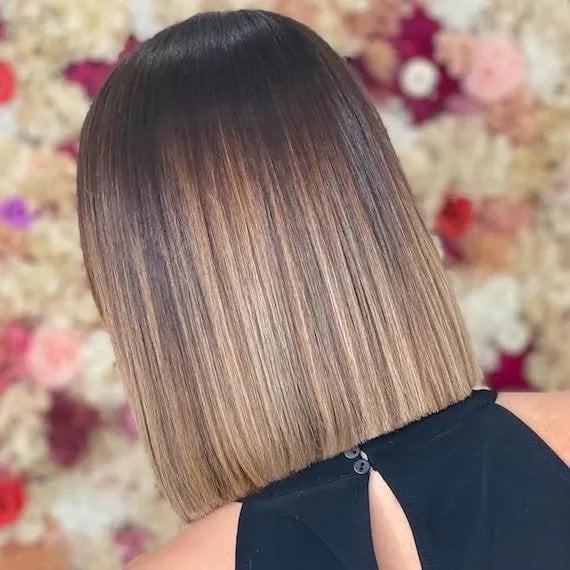
Does a blunt bob work with ombre? Only when the cut line is sharp enough to contrast with the gradient. This collarbone-length bob uses a dark brown base that shifts to blonde at the ends, and the straight, fine texture makes the blunt baseline deliberate. A middle parting keeps the symmetry clean. Ask your stylist for: blunt dark brown to blonde ombre bob, collarbone length. The sharp line softens round faces, and the ombre adds depth that a single-tone bob lacks. The blunt edge needs a trim every six to eight weeks to stay crisp.
Dark Blonde To Platinum Blonde Ombre
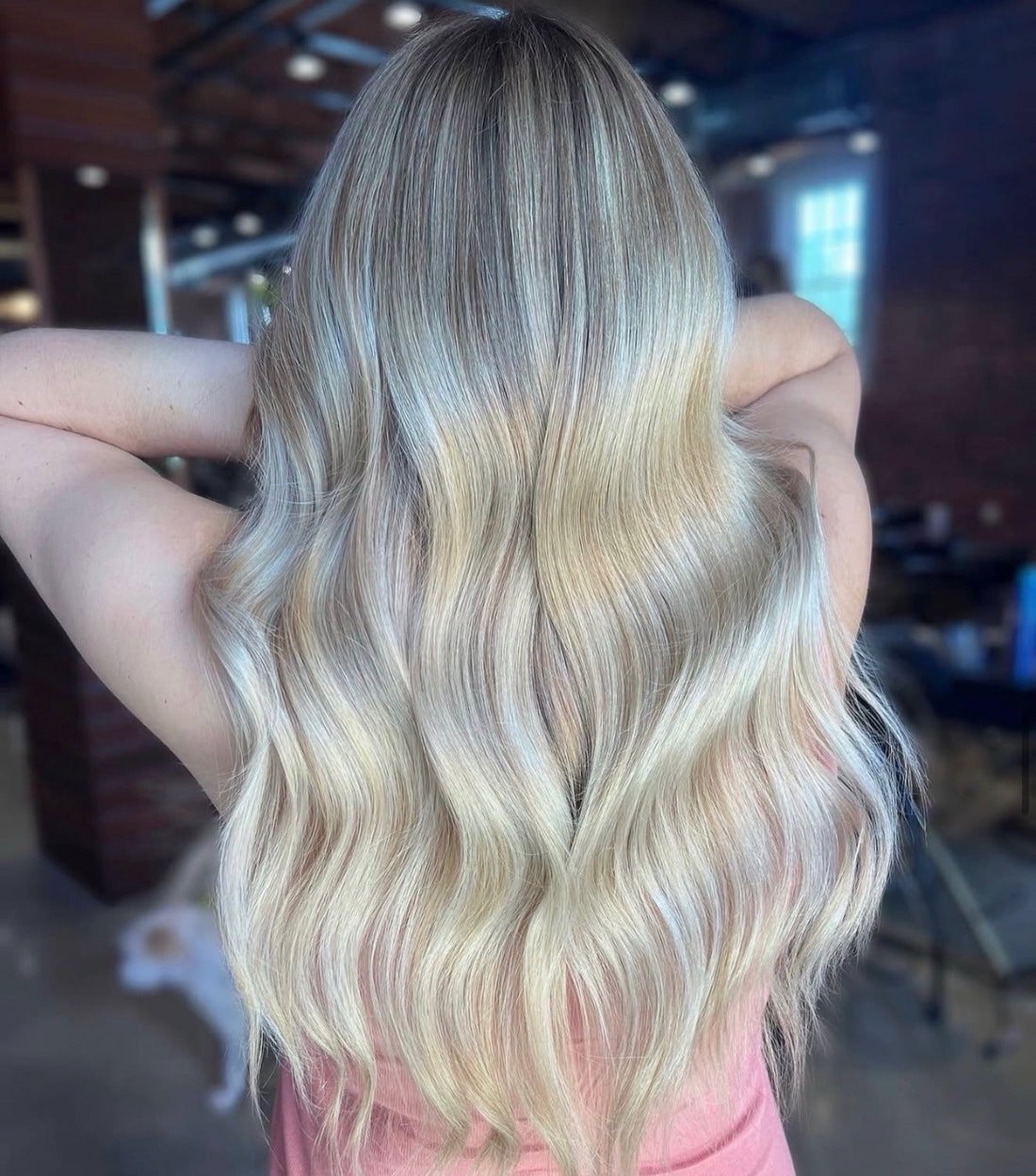
The jump from dark blonde to platinum blonde is the highest contrast in the blonde family, and the upkeep is honest about it. This mid-back length style keeps the roots dark blonde and the ends platinum, with thick, wavy texture and a middle parting that shows the full gradient. The light ends will pick up yellow tones within four to six weeks, so a purple shampoo in the weekly rotation is a must.
Ask your colorist for: dark blonde to platinum blonde ombre, mid-back length. The waves hide the regrowth line well, but the platinum sections are more porous and need a deep conditioner every wash. The one real drawback is the potential for breakage at the lightest point, so skip heat styling at least once a week to give the ends a rest.
Dark Brown To Blonde Ombre With Curtain Bangs
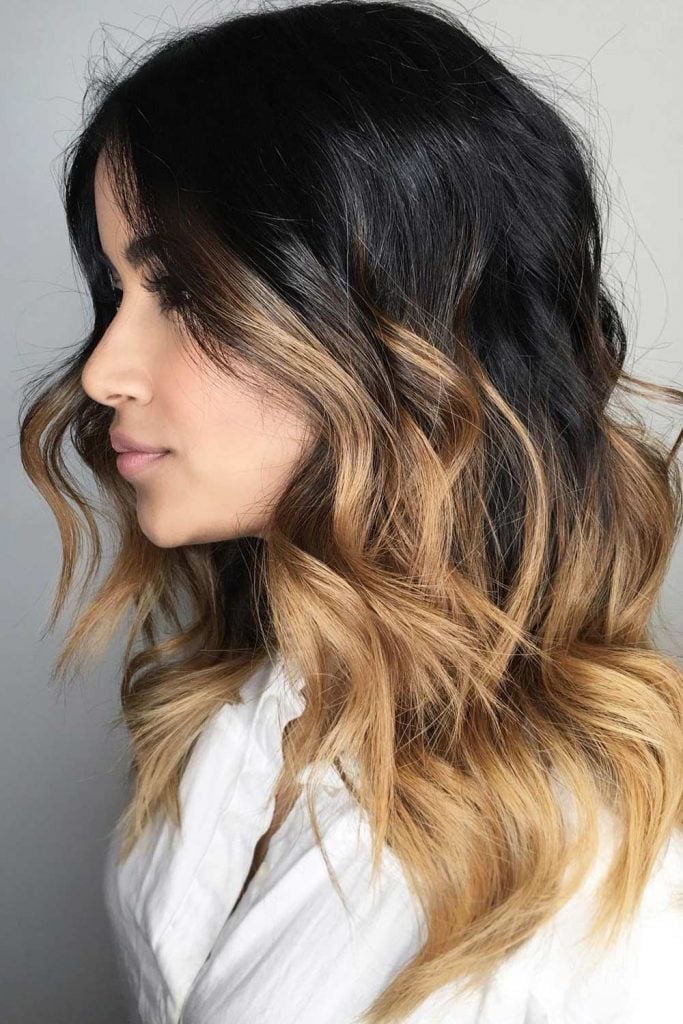
The smooth color transition in this look starts at the root with dark brown and fades into blonde just below the ear, which is the exact placement that makes curtain bangs look connected to the color. The collarbone length and soft waves give the ombre room to breathe without looking bottom-heavy. Ask your colorist for: dark brown to blonde ombre, curtain bangs, collarbone length. The bangs should be cut to graze the cheekbone, not the jaw, so the lighter ends sit on the face-framing layers. Medium density wavy hair is ideal for this combination, because the texture blends the two shades without a visible line. A round brush on the bangs keeps the curve soft, and a trim every six weeks maintains the shape.
Dark Brown To Honey Blonde Ombre Waves, Wavy
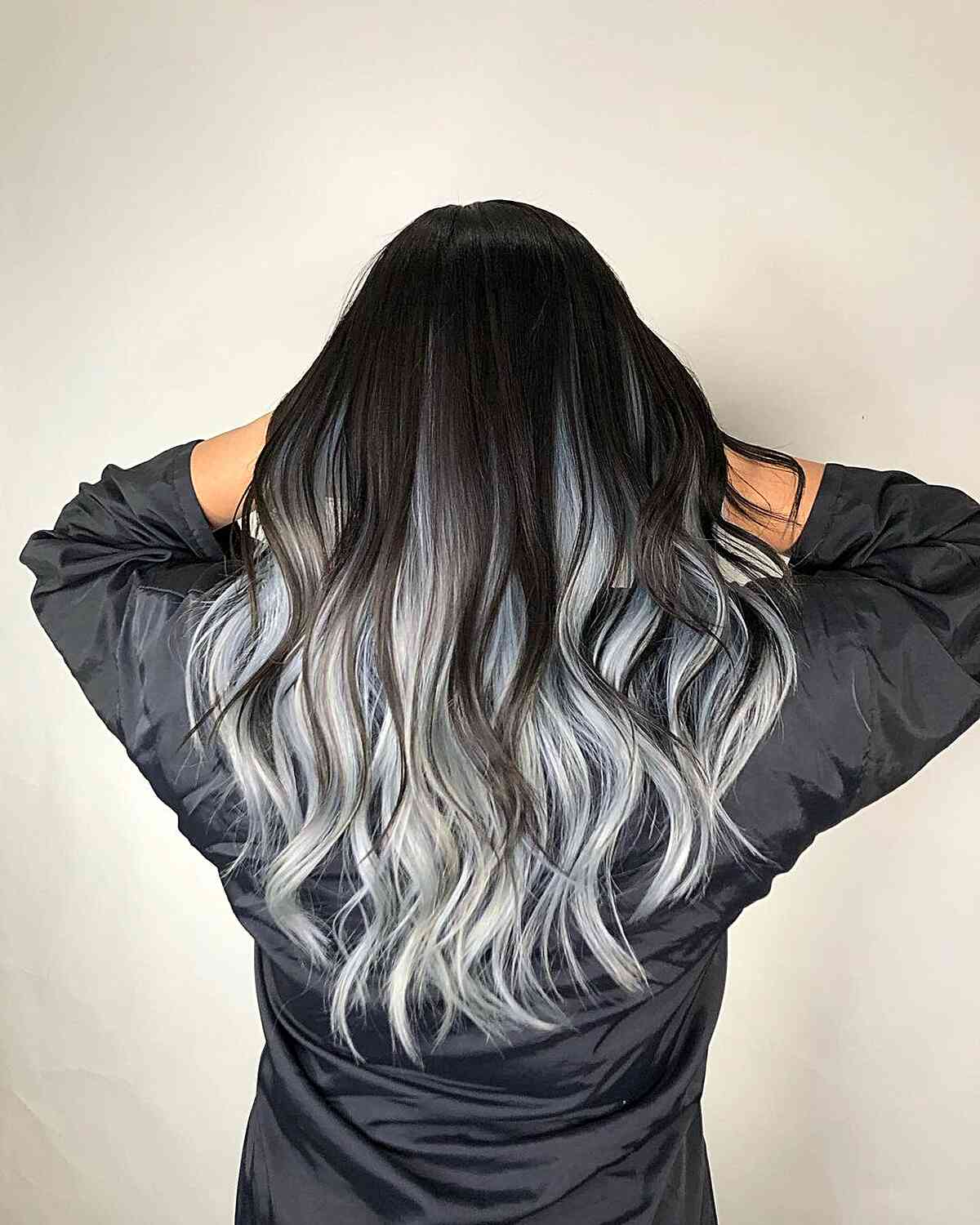
The honey blonde ends here are painted on thick, wavy hair starting at the mid-lengths, not the roots, so the dark brown base stays rich and glossy up top. This application method keeps the ombre looking sunkissed, which matters when you have that much texture to work with. Ask your colorist for: dark brown to honey blonde ombre, mid-back length, loose waves. The waves catch the lighter pigment at different angles, making the transition feel softer than it actually is.
Thick, wavy hair of mid-back length carries this warmth well because the honey tones have enough hair to wrap around. Apply a texturizing spray to damp waves, then air-dry or diffuse, for the loose finish shown here. Expect to refresh the honey tones every eight to ten weeks, as they warm up over time.
Hot Pink To Aqua Blue And Purple Ombre
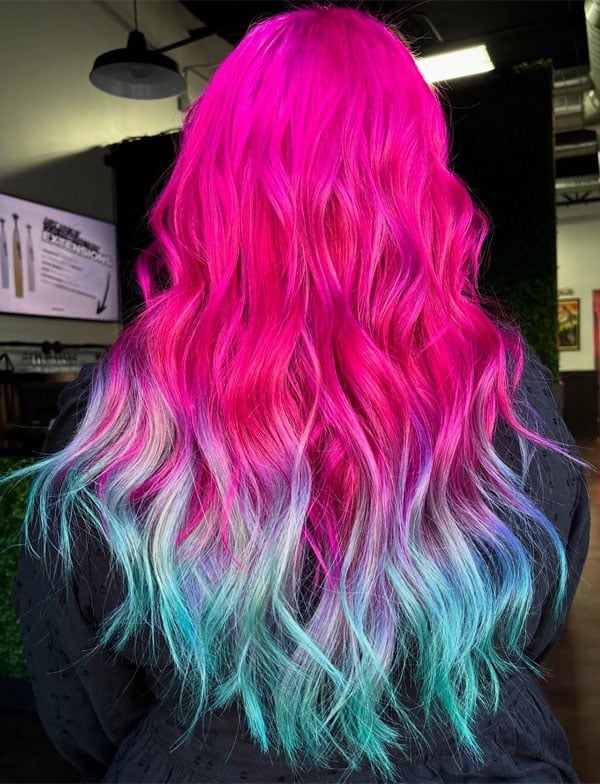
Where exactly does a hot pink to aqua blue and purple ombre belong? At a summer festival, ideally one where your hair is the main accessory. This multi-toned gradient starts with hot pink at the roots, shifts through purple, and lands on bright aqua blue at the ends, all on wavy, mid-back length layers.
Thick, wavy hair of mid-back length gives each color its own section to read clearly. Ask your colorist for: hot pink to aqua blue and purple ombre, mid-back length. The blend is seamless but the upkeep is real: color-depositing shampoo and conditioner every other wash, and a salon refresh every four to six weeks to keep the aqua from fading to green.
Dark Brown Base Fading To Ash Blonde
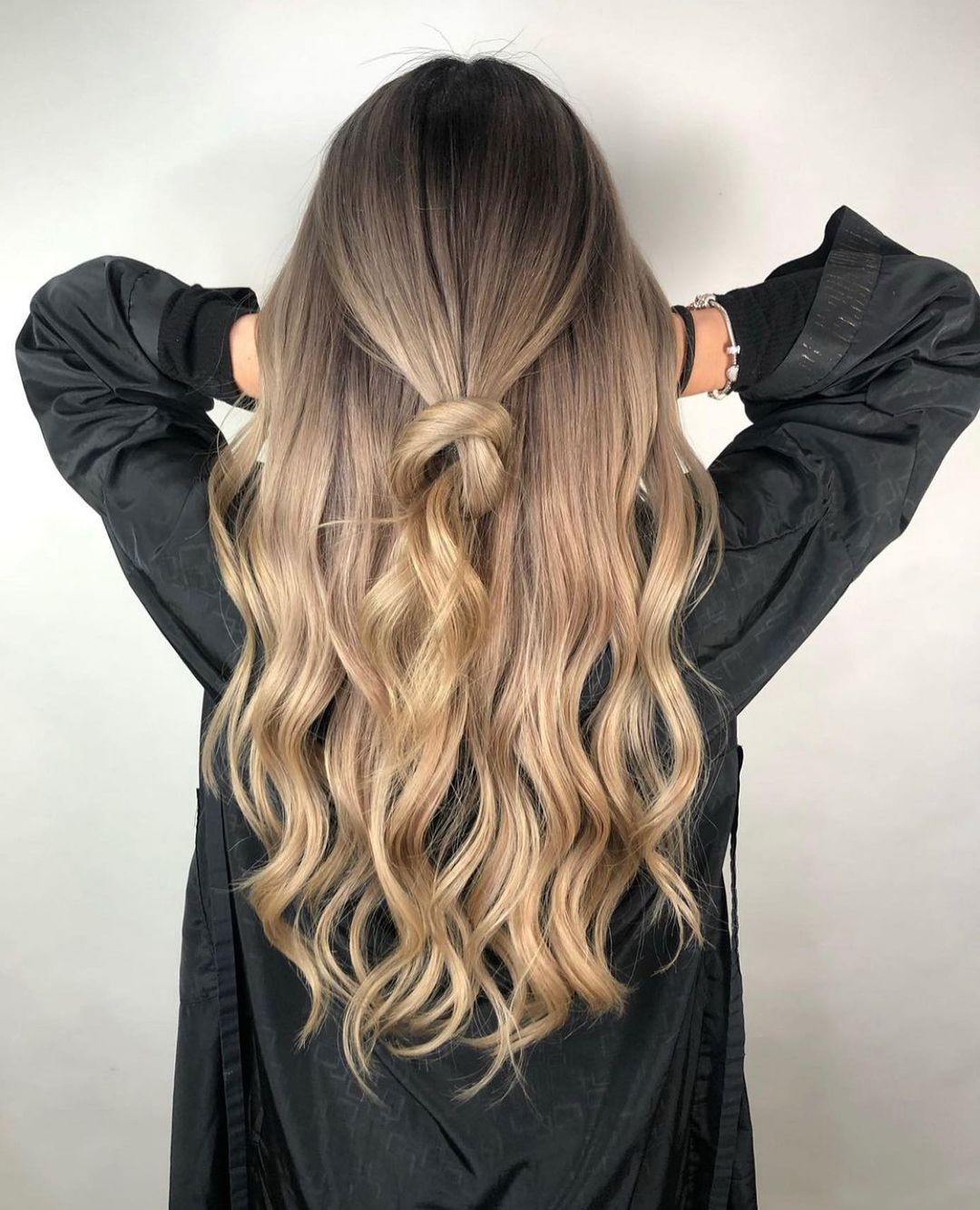
An abrupt ombre announces itself. This one does not. The dark brown base fades so gradually into ash blonde that you almost miss the switch until you see the ends. It is the difference between a line and a gradient, and here the gradient wins. Mid-back length hair with long layers and loose waves lets that fade breathe.
Medium density wavy hair of mid-back length benefits from this soft progression because the ash blonde does not overwhelm the base. Ask your colorist for: dark brown base fading to ash blonde, mid-back length, loose waves. A purple shampoo once a week keeps the ash tone from turning brassy, and a trim every eight to ten weeks keeps the ends looking clean.
Dark Brown To Blonde Ombre With Curtain Bangs, Close-Up Take
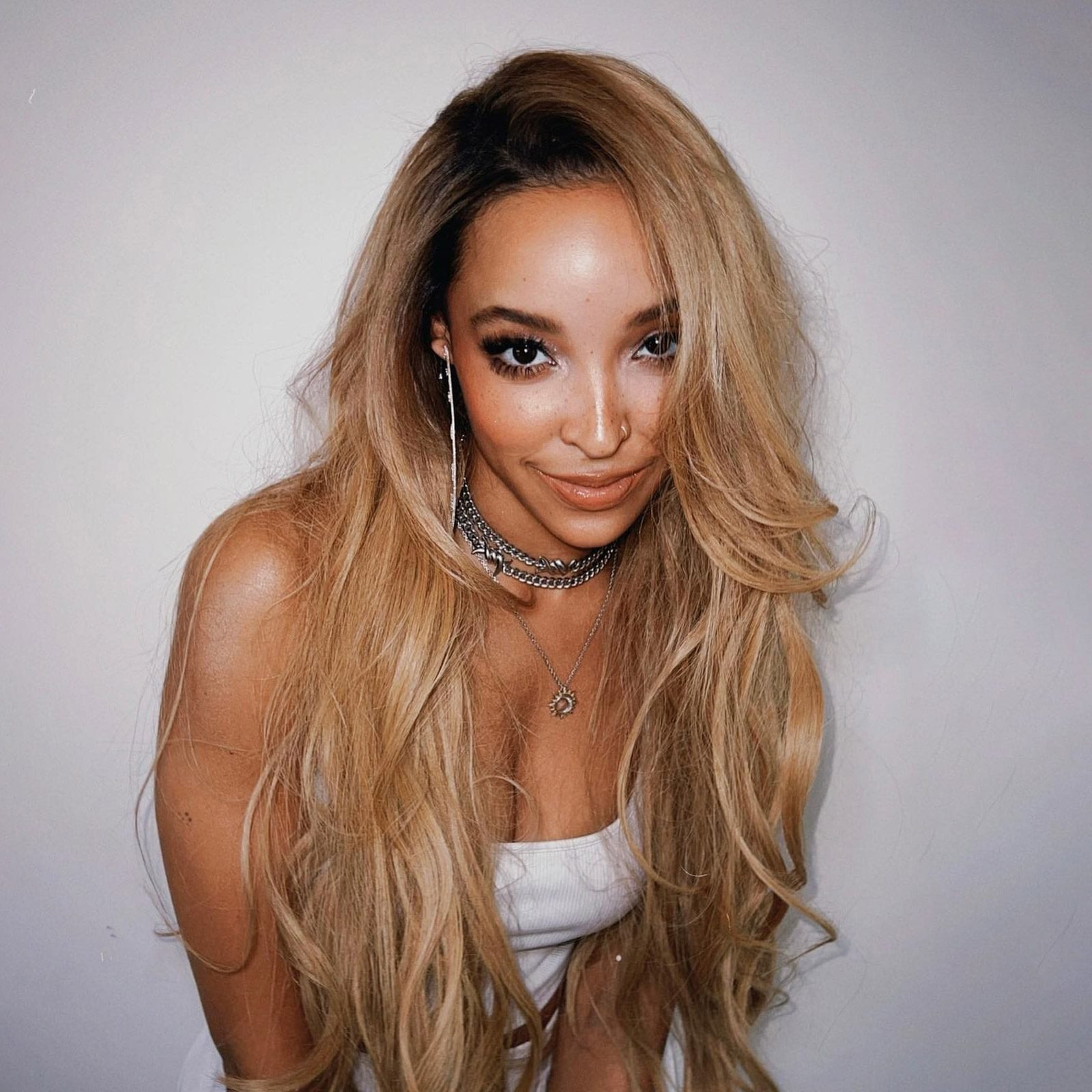
A dark brown to blonde ombre with curtain bangs is a two-part color problem. The dark brown base needs to melt into the blonde ends without a harsh line, and the bangs need their own lighter pieces so they don’t sit as a dark block against the face. Achieving that at home is a gamble: bleach on bangs is fast and risky, and the transition from dark to light demands precise saturation.
Thick, wavy hair of mid-back length with curtain bangs handles this design well because the layers give the color somewhere to land. Ask your colorist for: dark brown to blonde ombre, curtain bangs, mid-back length. A salon is the right call here, about three hours in the chair for the initial lift, then a toner every eight to twelve weeks to keep the blonde from going yellow. The bangs need a dry trim every four weeks to hold their shape.
Warm Brown To Blonde Ombre Lob
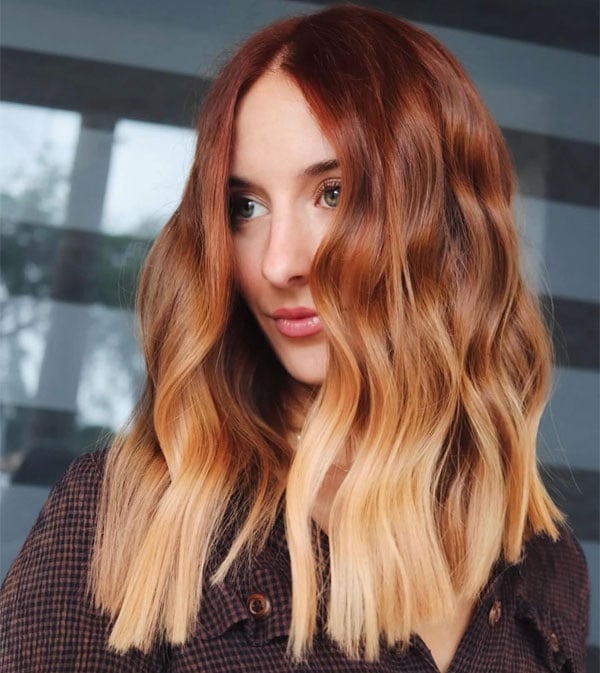
Is a warm brown to blonde ombre lob the most versatile ombre on this list? Possibly. The collarbone length keeps it practical, the side part adds movement, and the warm transition from medium brown to lighter blonde ends doesn’t demand constant toning. Wavy, medium density hair of collarbone length carries this well because the waves diffuse the line between the two shades.
Ask your colorist for: warm brown to blonde ombre, collarbone lob, soft waves. The lob needs a trim every six to eight weeks to keep the shape from turning into a shag. This ombre works on most face shapes, but it really shines on those who want a low-maintenance way to add lightness without the full blonde commitment.
Gray To Purple Blue Reverse Ombre
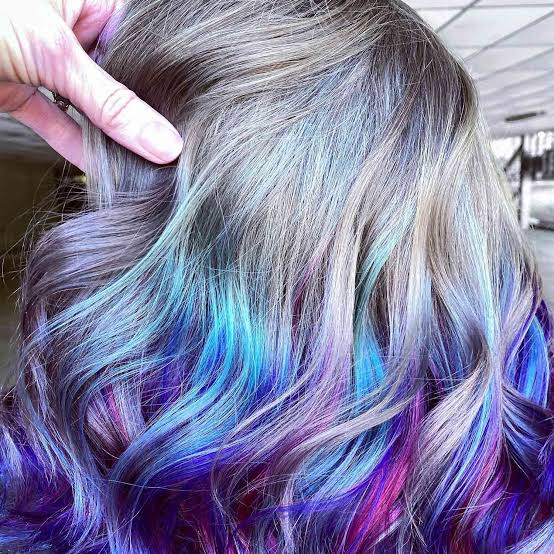
A reverse ombre flips the script: light gray at the roots darkens into a blend of purple and blue through the ends. This multi-tonal look works best on thick, wavy hair that can show off the layered color shift. Ask your colorist for: gray to purple and blue reverse ombre. The gray base tends to fade unevenly, so a toning appointment every four weeks keeps the roots from turning brassy or dull.
Pastel gray fades faster than darker shades, meaning you will spend more time on upkeep than with a traditional dark-to-light gradient. Skip this one if you are not ready for regular salon visits to refresh the tone.
Dark Blue To Bright Blue Ombre
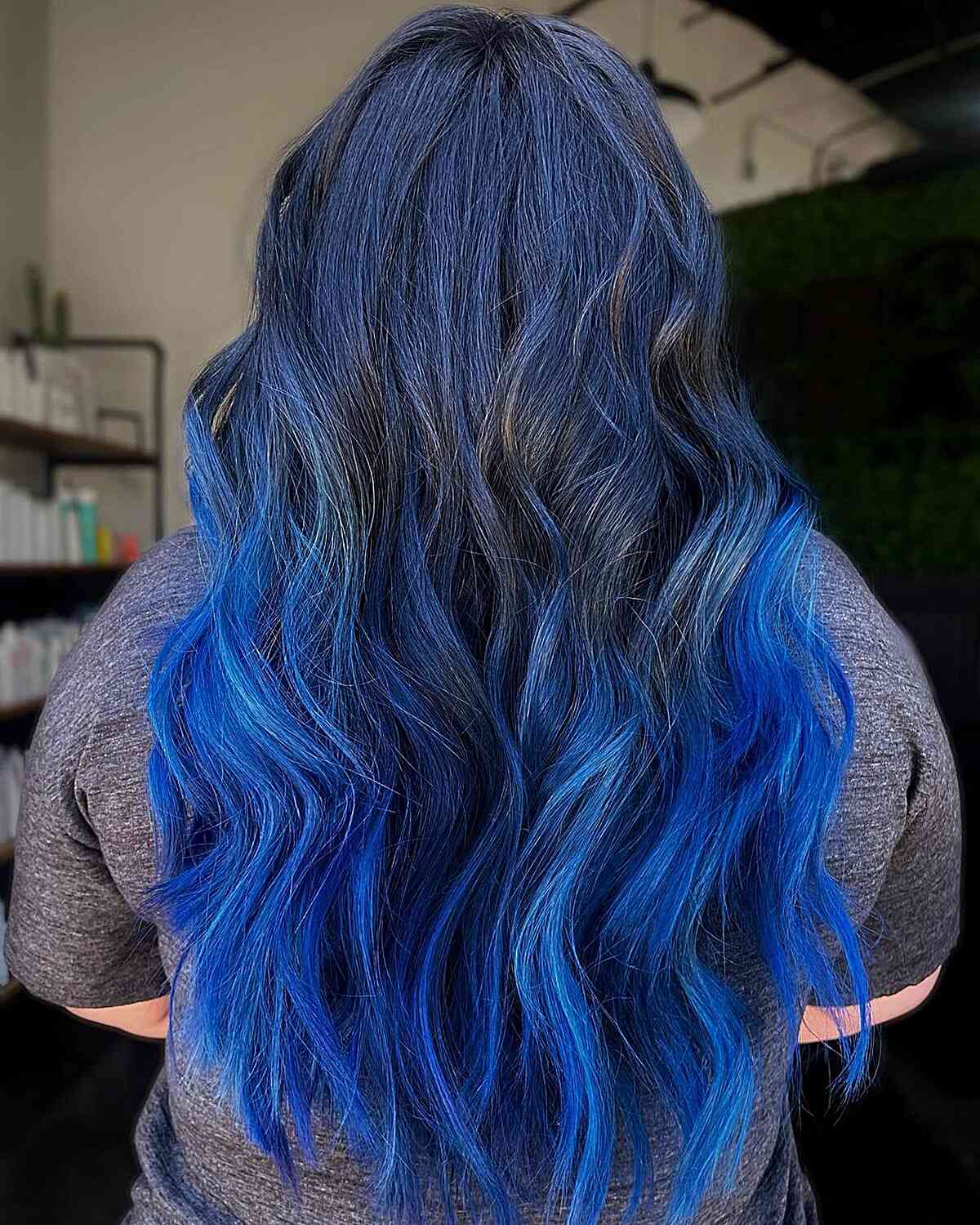
Building a smooth gradient from dark blue roots to electric blue ends requires layering the color in stages. On thick, wavy hair at mid-back length, the technique uses a low-volume developer to deposit pigment without over-lifting the base. Ask your colorist for: dark blue to bright blue ombre, mid-back length. A middle parting and wavy blowout let the transition read clearly from root to tip.
The key is keeping the dark base saturated enough so the bright ends do not look washed out. This is a salon-only job: achieving that saturated dark blue without patchiness is not a DIY project.
Wavy Dark Brown To Blonde Ombre Bob, Collarbone
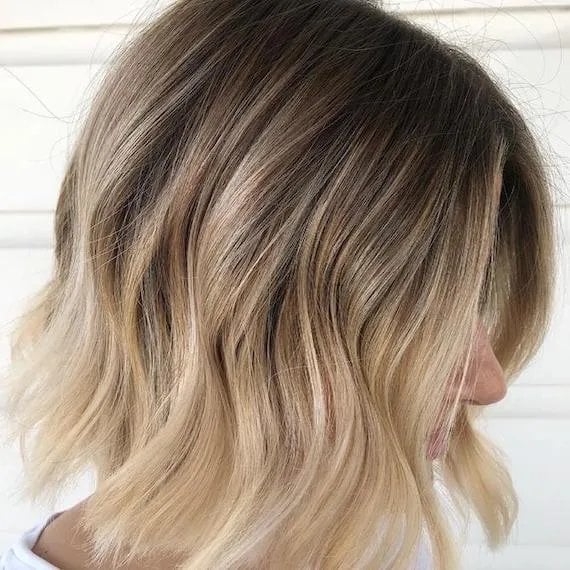
A collarbone bob with a middle parting gives the dark brown to blonde ombre a clean canvas. The wavy texture and medium density soften the transition, so it never looks harsh. Ask your colorist for: wavy dark brown to blonde ombre bob, collarbone length. Expect to trim the bob every six weeks to keep the shape sharp, and use a diffuser when drying to enhance the natural wave pattern. The ombre will grow out softly, but the blonde ends will need a toning appointment around every eight weeks to stay bright.
Pink To Yellow Ombre Gradient, Mid-Back
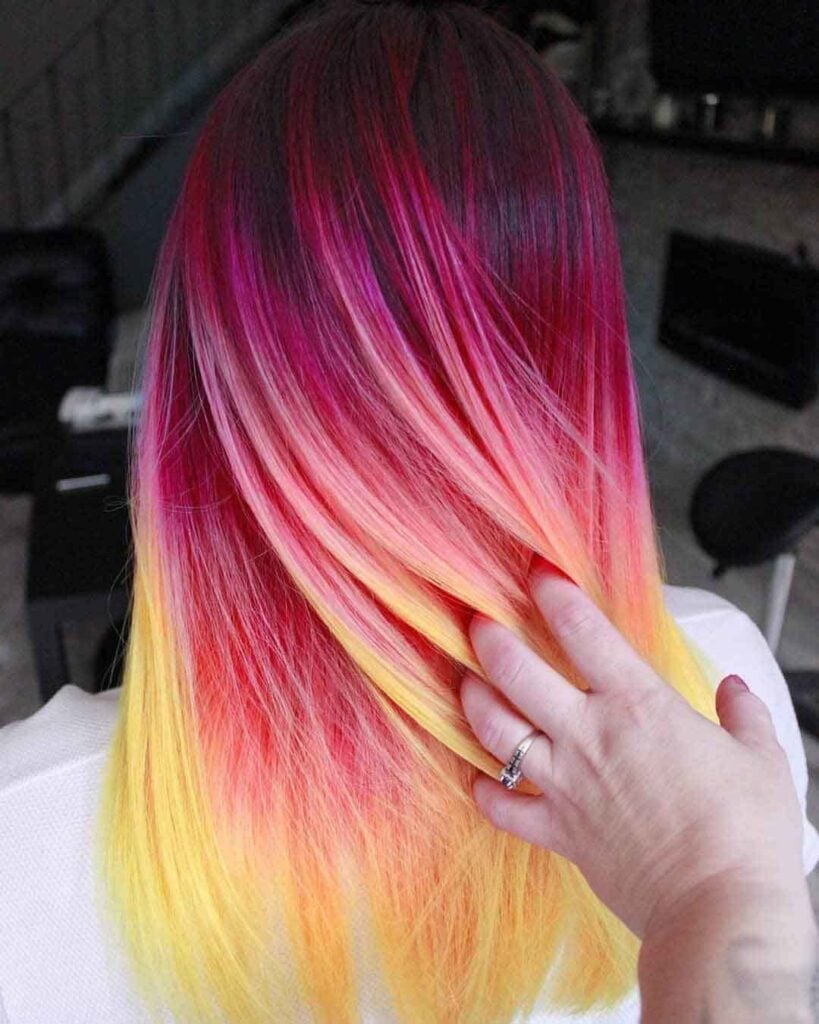
When would you actually wear a gradient that goes from deep pink roots through orange to bright yellow ends? Summer, specifically a festival or a vacation where your hair is the main accessory. This mid-back length style keeps the color straight with subtle waves so the smooth transition is the only thing competing for attention. Ask your colorist for: pink to yellow ombre, mid-back length.
Fine, straight hair works well here because the lack of texture lets the color speak for itself without interference from bends or waves. The upkeep is honest: each shade will fade at a different rate, so expect a toning appointment every four to six weeks to keep the pink from turning murky and the yellow from going brassy. It’s a commitment, but the payoff is a head that looks like a sunset.
Electric Magenta To Purple Pink Ombre
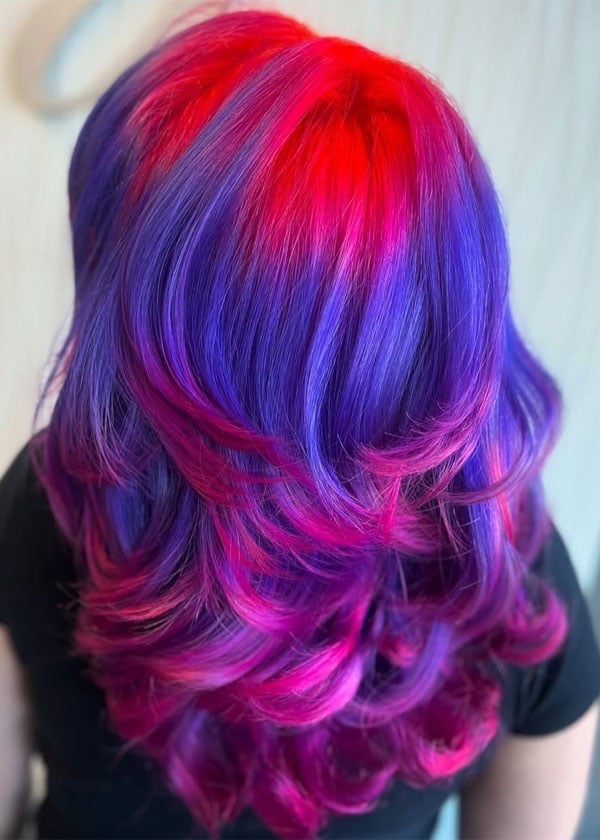
This is not a single-process pink job. The transition from electric magenta roots to deep purple mids and pink ends requires multiple color applications to get the saturation right. Thick, wavy hair at mid-back length is ideal for showing off the layers of color. Ask your colorist for: electric magenta to purple and pink ombre. The mistake people make is trying to achieve this at home, which usually results in muddy brown patches where the colors overlap. A professional will pre-lighten the ends in sections before applying the custom blend, a process that takes about three hours.
Once it is done, the color holds well on pre-lightened hair, but expect to refresh the magenta roots every six weeks.
Dark Brown To Blonde Balayage Ombre With Loose Waves
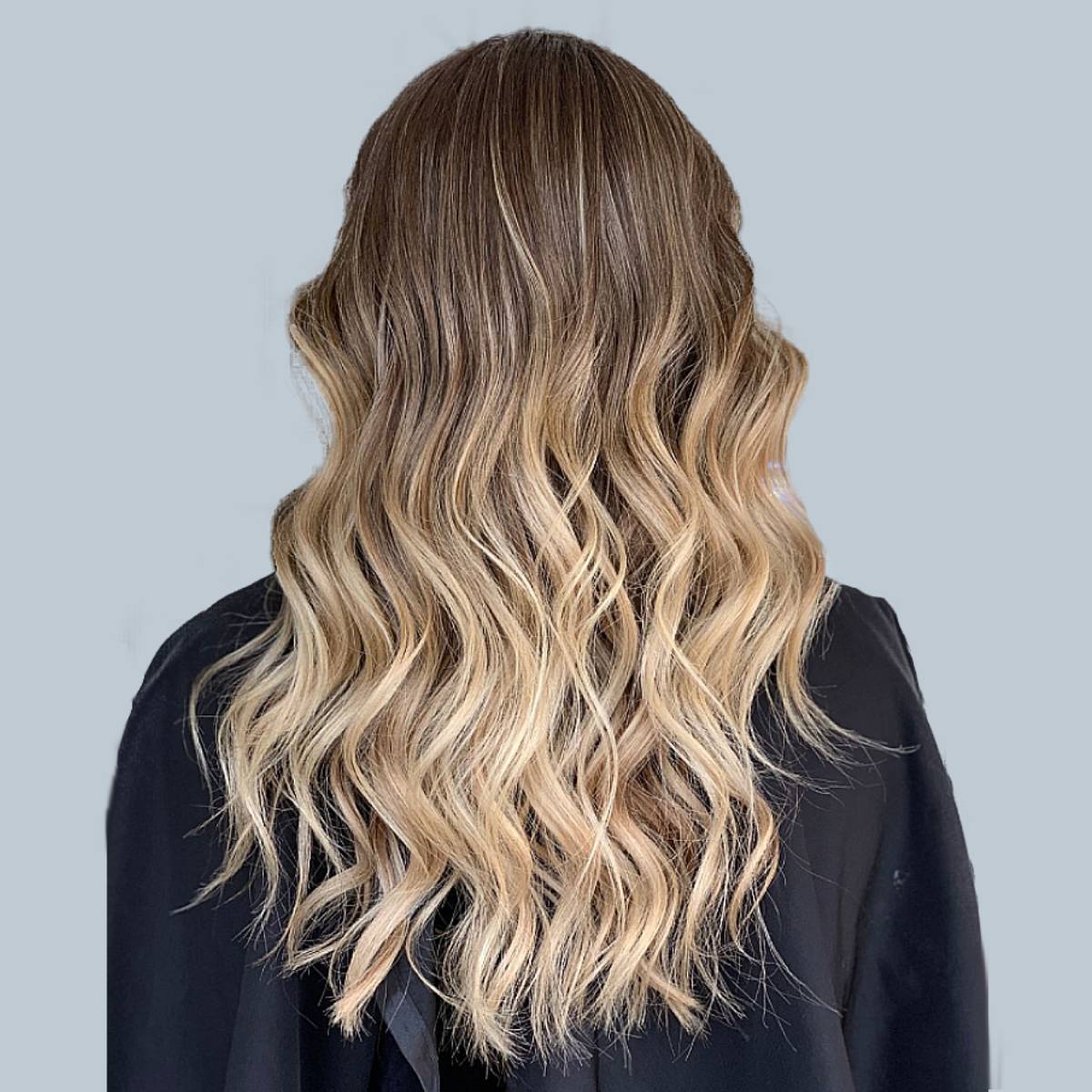
The transition here is designed to feel less like a line and more like a slow fade, with the blonde balayage starting well below the crown and intensifying only in the last few inches. On thick, wavy hair at mid-back length, the lighter pieces catch the bend of each wave, which makes the sun-kissed effect look naturally grown in. A middle parting keeps the color distribution even on both sides, so the blonde feels balanced.
Ask your colorist for: dark brown to blonde balayage ombre, mid-back length. The technique relies on hand-painted sections close to the root, which is what gives the regrowth a softer line. This suits anyone with enough length to let the gradient breathe, ideally past the shoulders. A gloss every 10 to 12 weeks keeps the blonde from turning brassy without needing a full color refresh.
Straight Dark Brown With Caramel Ombre
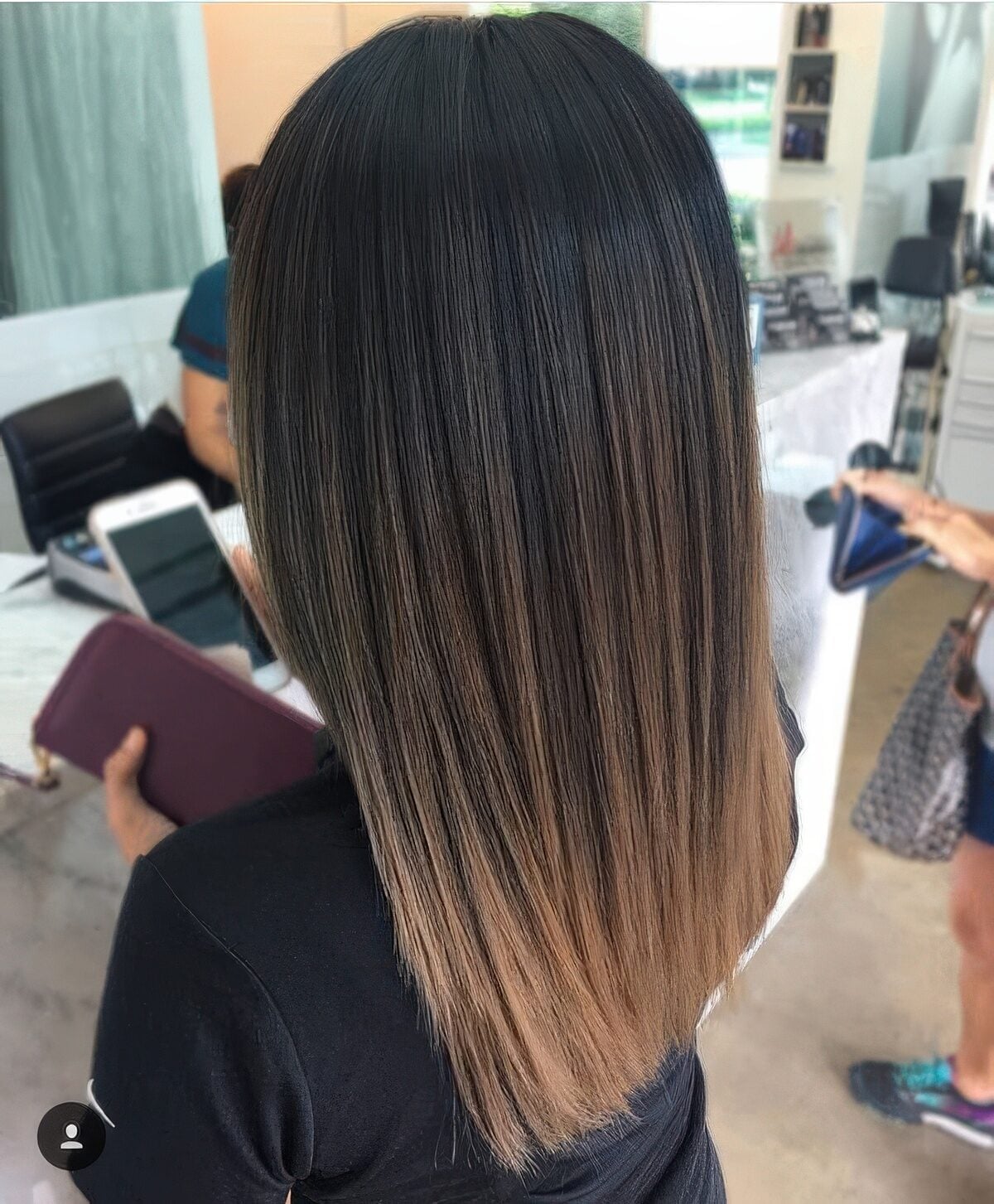
The caramel ombre sits on a straight, thick base with a clean cut, and that combination makes the transition more pronounced than it would be on wavy hair. Without bends to soften the shift, the dark brown to caramel line is a deliberate contrast, which is exactly the point if you want a graphic take on ombre. The gradient looks less blended, so if you prefer a hazy, barely-there fade, this straight-cut version will feel too sharp. Ask your colorist for: dark brown to caramel ombre, mid-back length. A trim every eight weeks keeps the straight hemline crisp and the color transition looking deliberate.
Final Thoughts
When choosing an ombre, decide how much upkeep you can handle. A darker base with subtle contrast or a balayage that mimics natural grow-out means fewer salon visits, while high-contrast or vivid shades need more frequent toning and touch-ups.
- Tone every 4-8 weeks to keep cool shades from turning brassy.
- Deep condition weekly to combat dryness from lightening.
- Use color-safe shampoo to preserve the tone.
- Limit heat styling to protect the lighter ends.
- Trim every 8-12 weeks to keep ends healthy.
Find the ombre that speaks to your style and embrace the blend.
