

Light brown hair with blonde highlights is the color equivalent of a good base layer: it adds warmth and dimension without committing to a full blonde. This season, the shift is toward lived-in color, where soft face-framing layers and curtain bangs let the blonde peek through naturally rather than in stark stripes.
This collection of 28 ideas spans collarbone cuts to mid-back lengths, from low-maintenance balayage to brighter babylights. It is for anyone with fine hair that falls flat, a visible grow-out line, or a fringe that will not sit. Light Brown Hair with Blonde works because it offers a way to brighten up without the upkeep of a full bleach-and-tone routine.
Layered Collarbone Cut With Natural Blonde Highlights
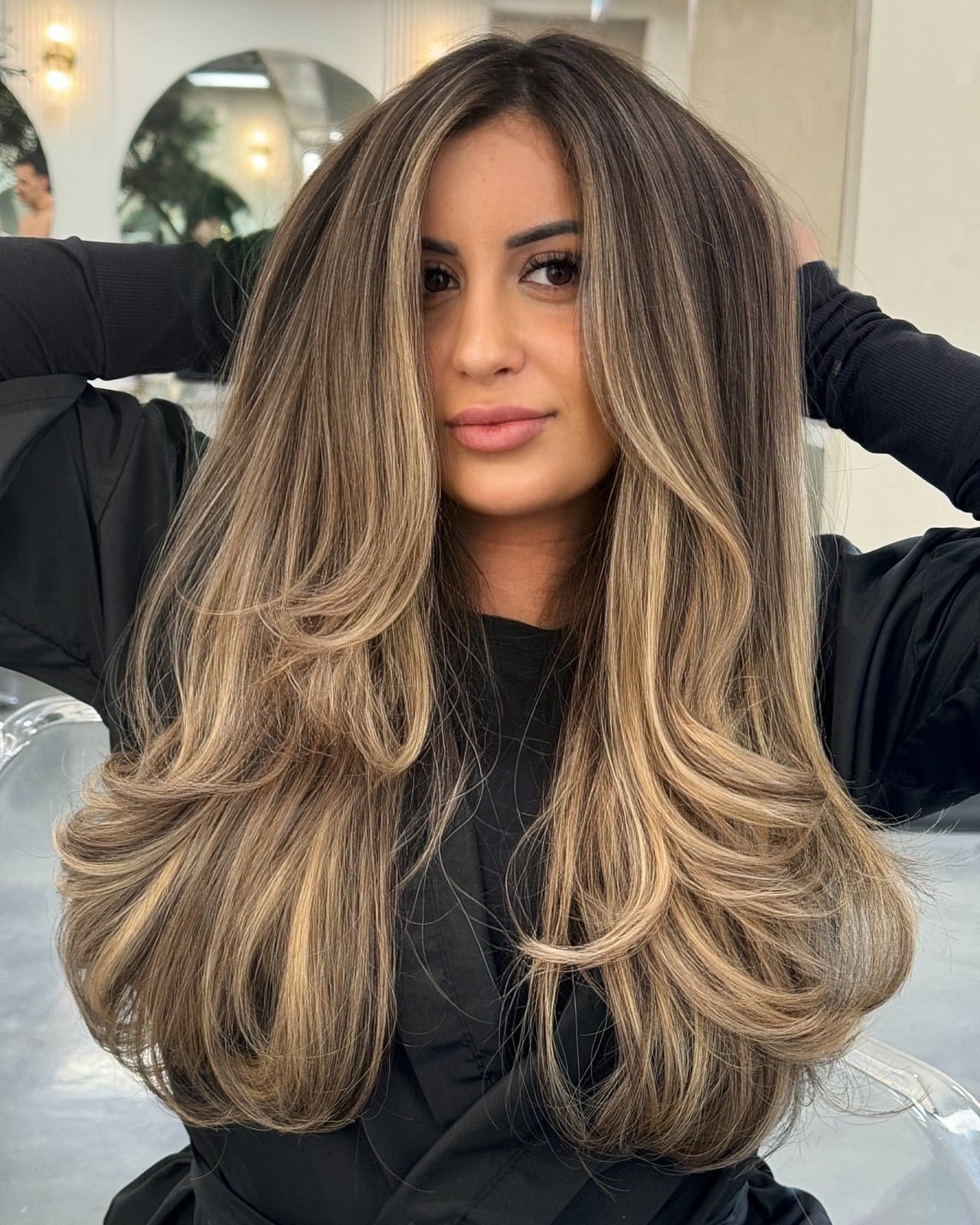
The layers here are doing the heavy lifting, cutting through thick wavy hair so the natural texture has room to move without turning into a triangle. A collarbone length with a middle part and no bangs, the cut keeps the bulk below the jawline, which gives the waves somewhere to land. Ask your colorist for a collarbone layered cut with natural blonde highlights. The highlights are painted in fine sections, so the light brown base stays dominant and the blonde reads as grown-in rather than painted on. A blowout with a round brush is the fastest way to set the wave pattern, and a trim every six to eight weeks will keep the weight line from drifting toward your shoulders.
Collarbone Layers With Honey Blonde Money Piece
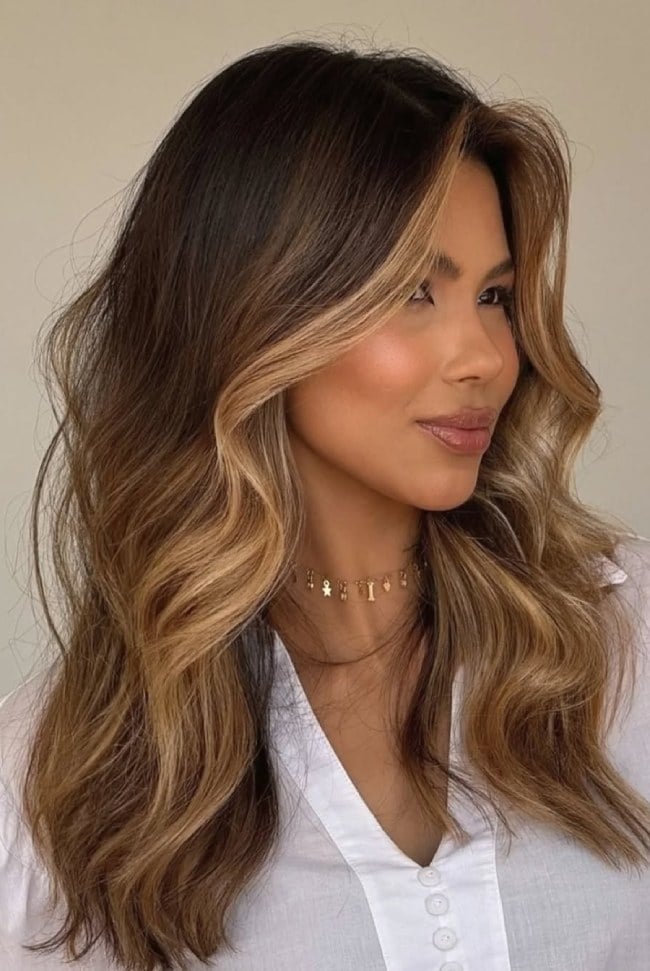
The honey blonde money piece solves the problem of a bright front section that looks disconnected from the rest of the hair. This collarbone cut uses curtain bangs and face-framing layers as the delivery system, with the lightest pieces concentrated around the cheekbones and jaw. The base stays a warm light brown, so the contrast looks deliberate. Ask your colorist for collarbone layers, curtain bangs, and a honey blonde money piece. The money piece itself is just two to three sections on each side, which means less processing time and a grow-out that actually looks like a style choice.
Collarbone Waves With Neutral Blonde Highlights
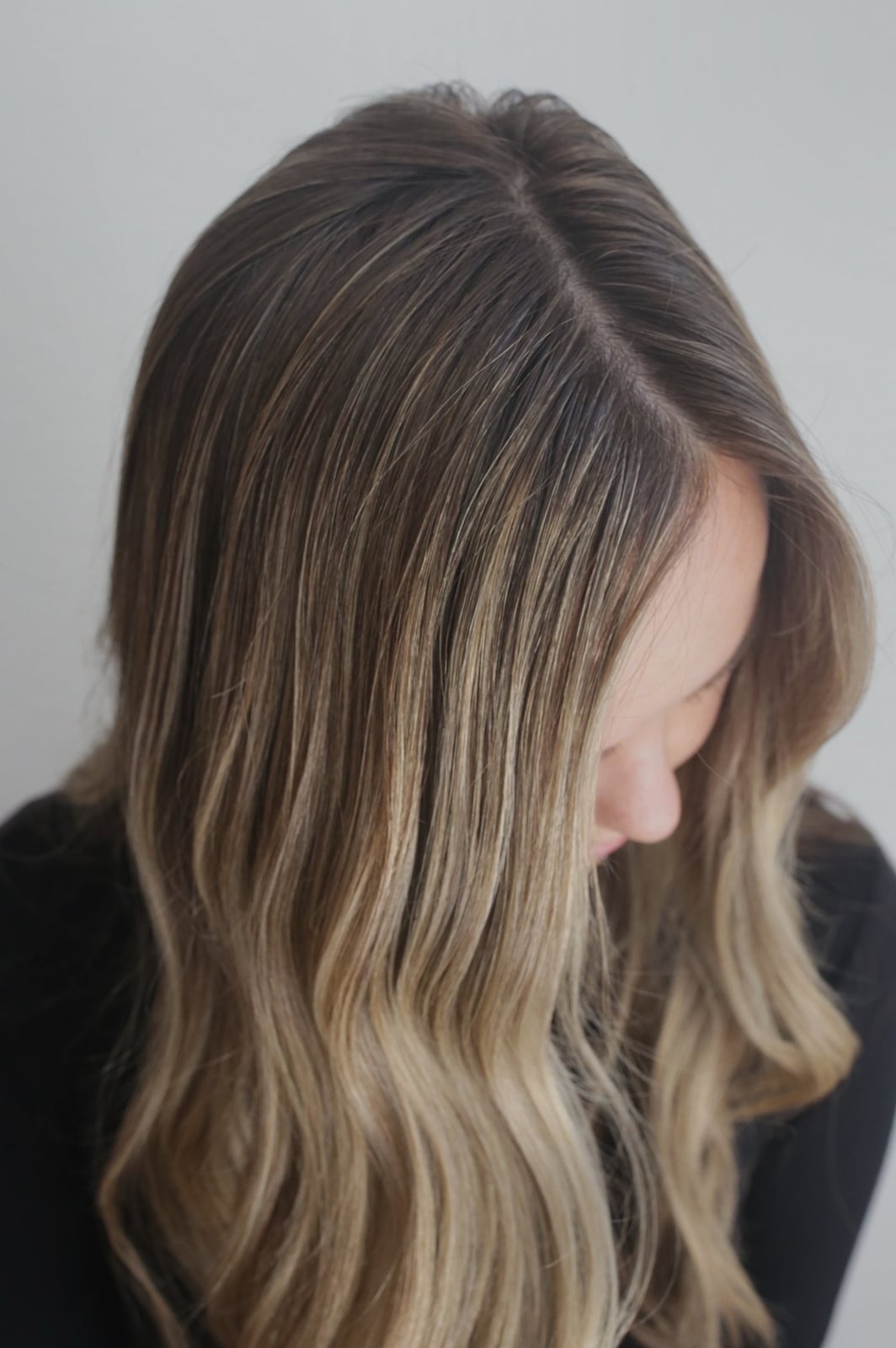
The neutral blonde highlight sits in a specific temperature range: not warm enough to pull golden, not cool enough to read as ash. On a light brown base, it adds a beige undertone that keeps the overall color from looking flat. The collarbone length and thick wavy texture let the highlights land in the middle sections instead of clustering at the ends. Ask your colorist for collarbone waves with a light brown base and neutral blonde highlights. Using a texturizing spray on dry hair will separate the waves so the neutral tone shows clearly.
Smooth Collarbone Bob With Blonde Highlights
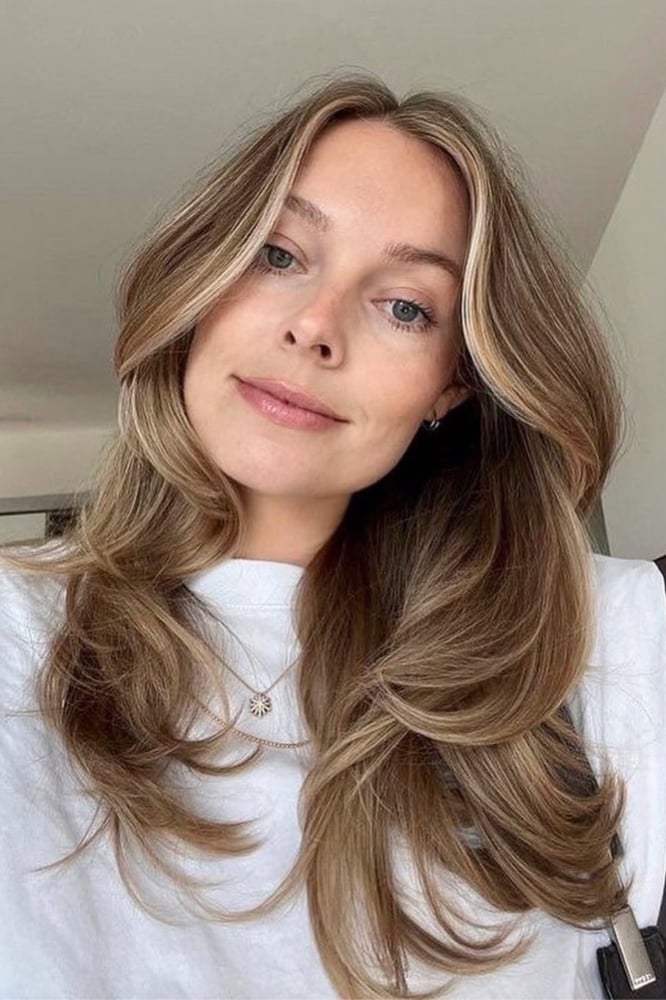
A collarbone bob with prominent blonde highlights is not the same thing as a balayage. The highlights here are woven closer to the root, so the contrast is more visible from the top down. The cut uses subtle layers to keep the blunt baseline from feeling heavy, and the smooth blowout with soft waves adds movement without undoing the shape. Ask your colorist for a collarbone bob with subtle layers and prominent blonde highlights. This is a salon-only color application, and the root touch-up schedule sits at eight to ten weeks rather than the six-week rhythm of a full highlight.
Shoulder Length Balayage With Curtain Bangs
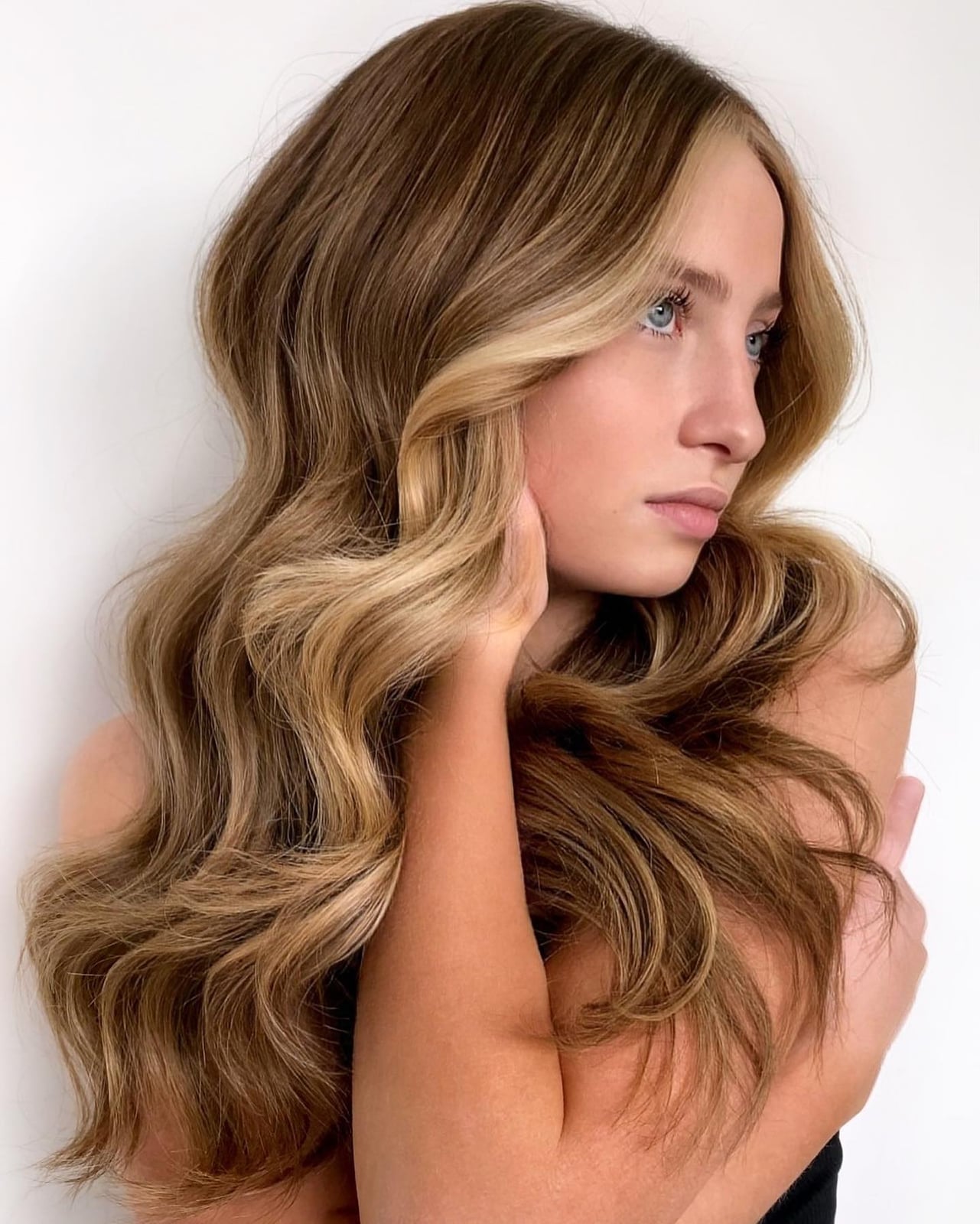
The balayage technique here means the blonde is painted freehand onto the sections that catch the most light, which is why the color transitions gradually from a light brown root to a brighter blonde mid-length and end. The curtain bangs are cut to sweep toward the cheekbones, so the face-framing effect works whether the hair is worn wavy or blown smooth. Ask your colorist for shoulder length curtain bangs with a blonde balayage on a light brown base.
The balayage placement means the root line stays soft for about ten to twelve weeks before the contrast feels too stretched. Blow drying the fringe forward with a round brush sets the curtain shape in under three minutes. This is an everyday and casual option, but the blowout adds enough polish for evening.
Shoulder Length Waves With Subtle Blonde
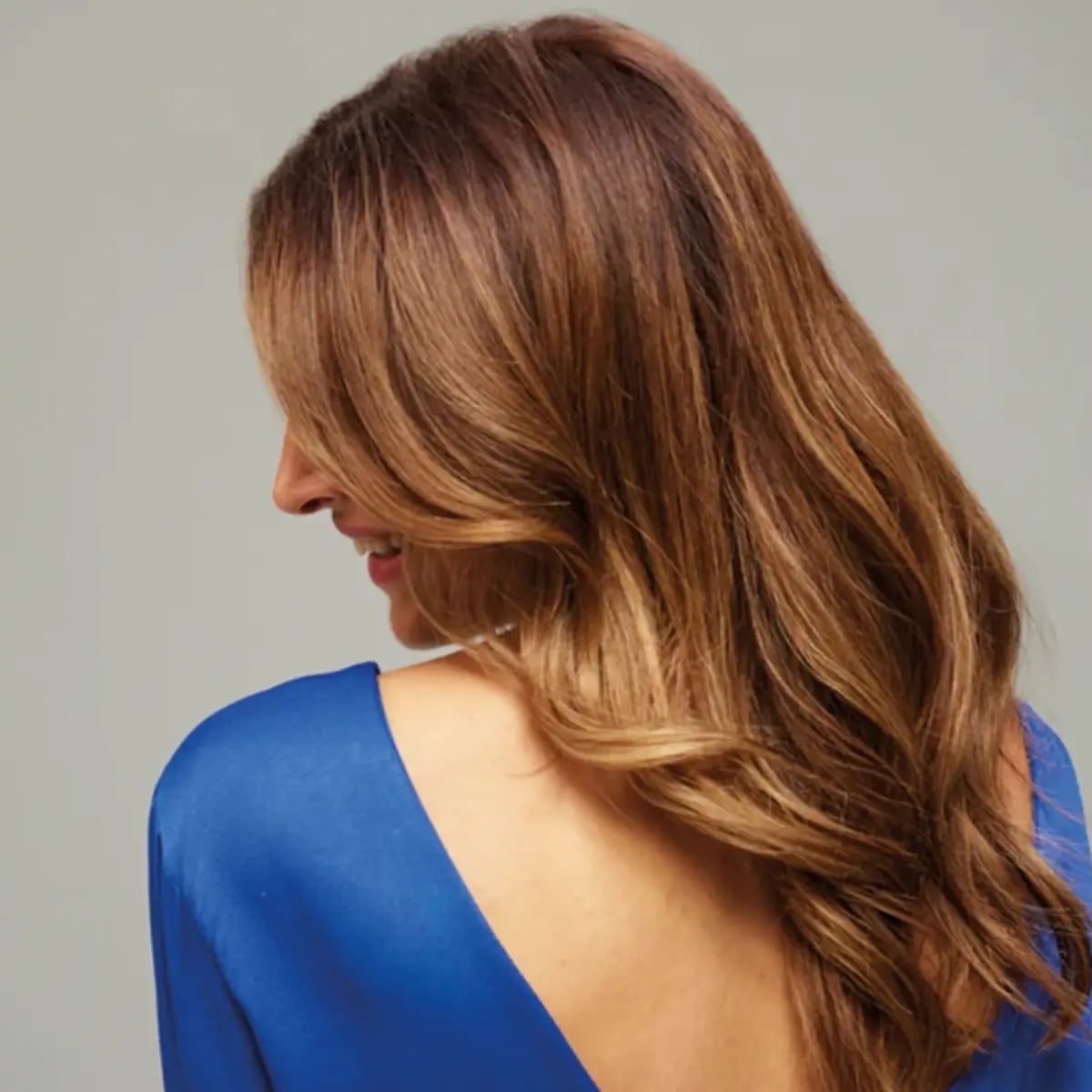
Fine, shoulder-length hair can hold subtle blonde highlights, but the dimension comes with a caveat: the lighter pieces can get lost if the waves fall flat. The blowout here gives the light brown base enough movement to show off the color. Ask your colorist for: shoulder-length waves, subtle blonde highlights. A volumizing mousse before drying keeps the texture from drooping by midday. Fine hair shows regrowth faster, so expect a trim every six to eight weeks to keep the ends looking healthy.
Straight Layered Shoulder Cut With Highlights
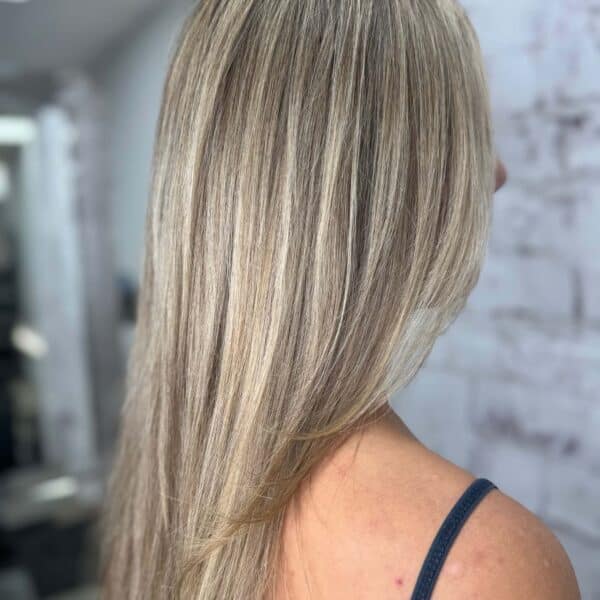
Straight, fine hair demands precision, and that is exactly what this shoulder-length layered cut delivers. The clean lines and subtle blonde highlights look deliberate because the color placement is exact. This is one instance where the salon is essential: a hand-painted highlight on straight hair needs a practiced eye to avoid stripes. Ask your colorist for: shoulder-length straight layered cut, blonde highlights. A smoothing serum before blow-drying keeps the cut looking sharp, and a trim every six to eight weeks maintains the line.
Collarbone Wavy Style With Side Part Balayage
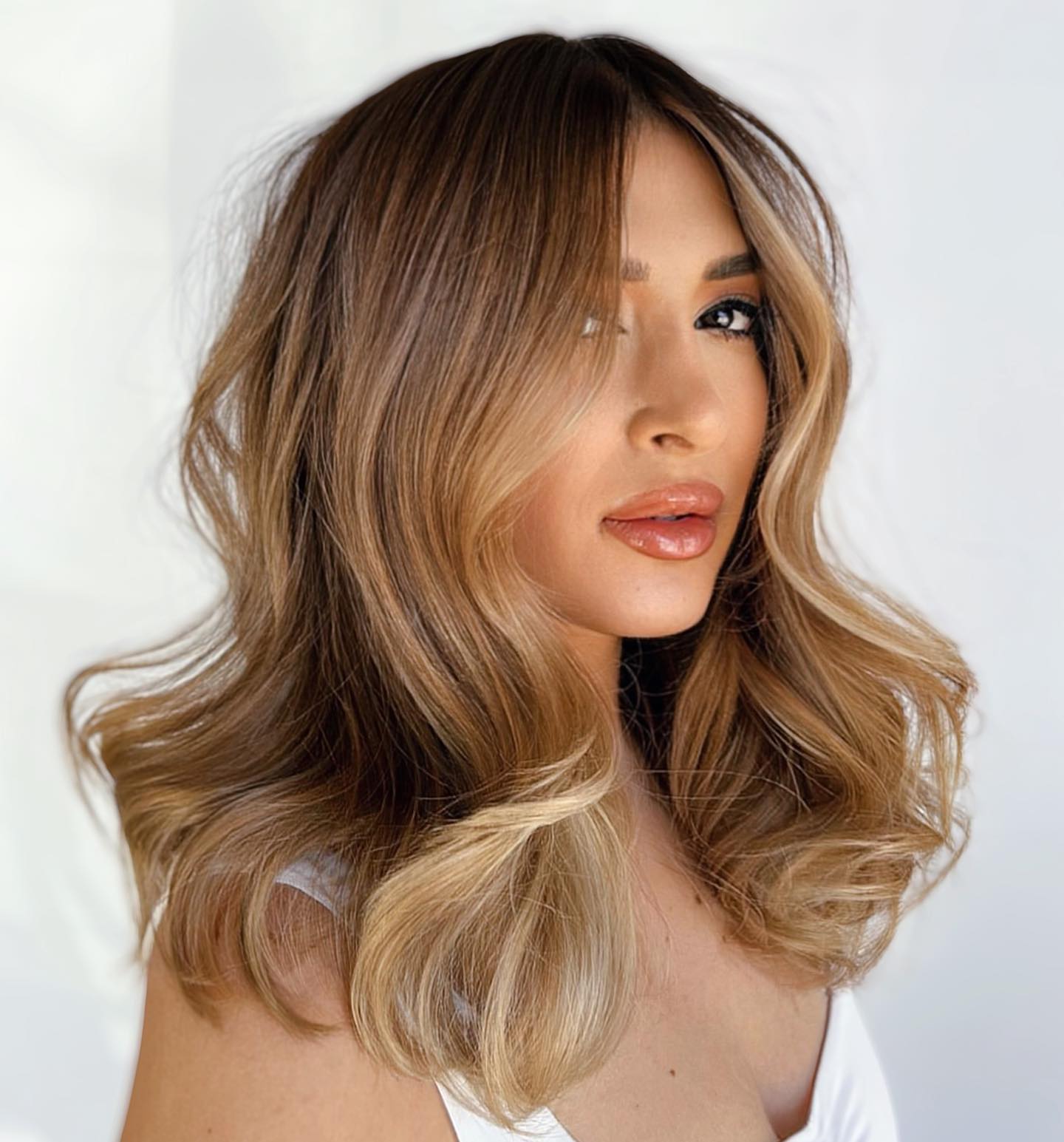
The side-swept bangs and side parting in this collarbone-length style do more than frame the face: they give medium-density waves a lift at the root. The blonde balayage on the light brown base mimics the sun-kissed shift that shows up in summer, so it lands naturally in warmer months. Ask your colorist for: collarbone wavy style, side part, blonde balayage. Flip the parting to the opposite side for instant volume on days the waves fall flat. The balayage grows out softly, so you can stretch the refresh to ten or twelve weeks.
Collarbone Layers With Face-Framing Balayage
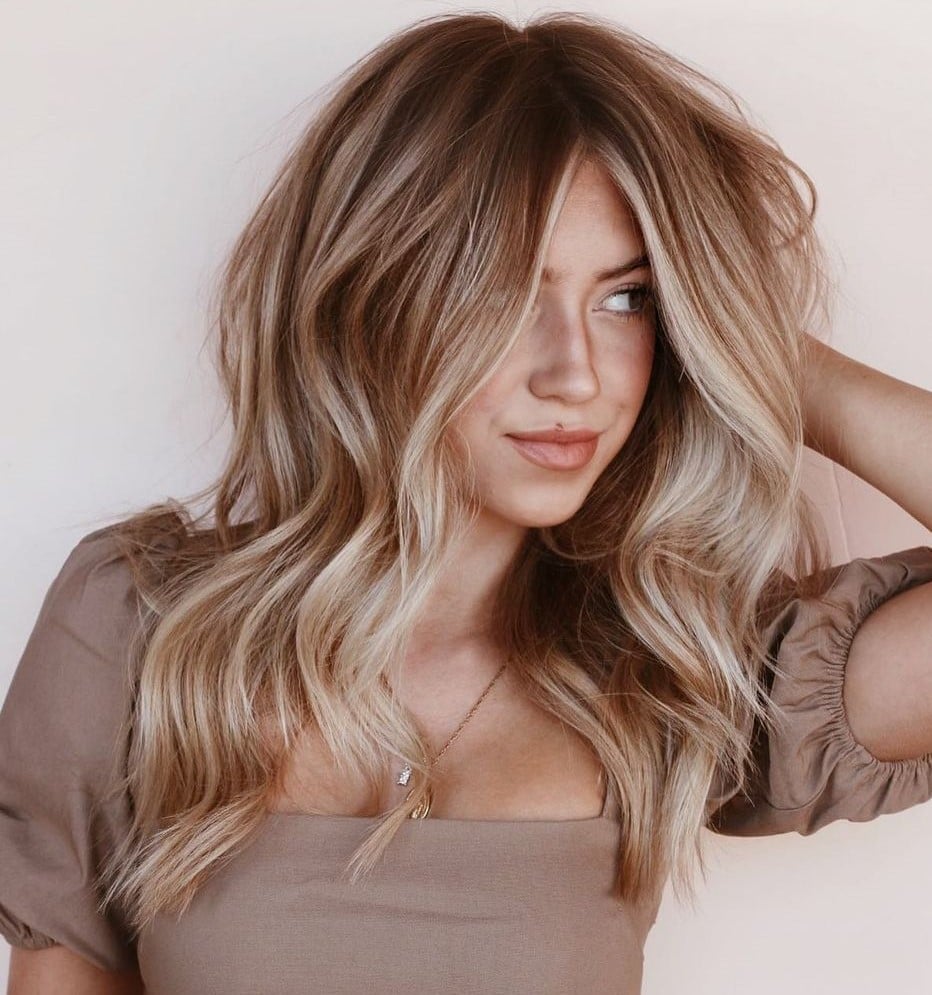
Face-framing balayage is applied with the lightest hand right around the cheekbones, which is why these collarbone layers look natural. The side parting and loose waves let the blonde pieces catch the eye without overpowering the light brown base. Ask your colorist for: collarbone layers, face-framing balayage, side parting. A flat iron set to a low heat creates soft bends that show off the color transition. The technique keeps regrowth subtle, so the color can go ten to twelve weeks between sessions.
Collarbone Balayage With Face Framing, Close-Up Take
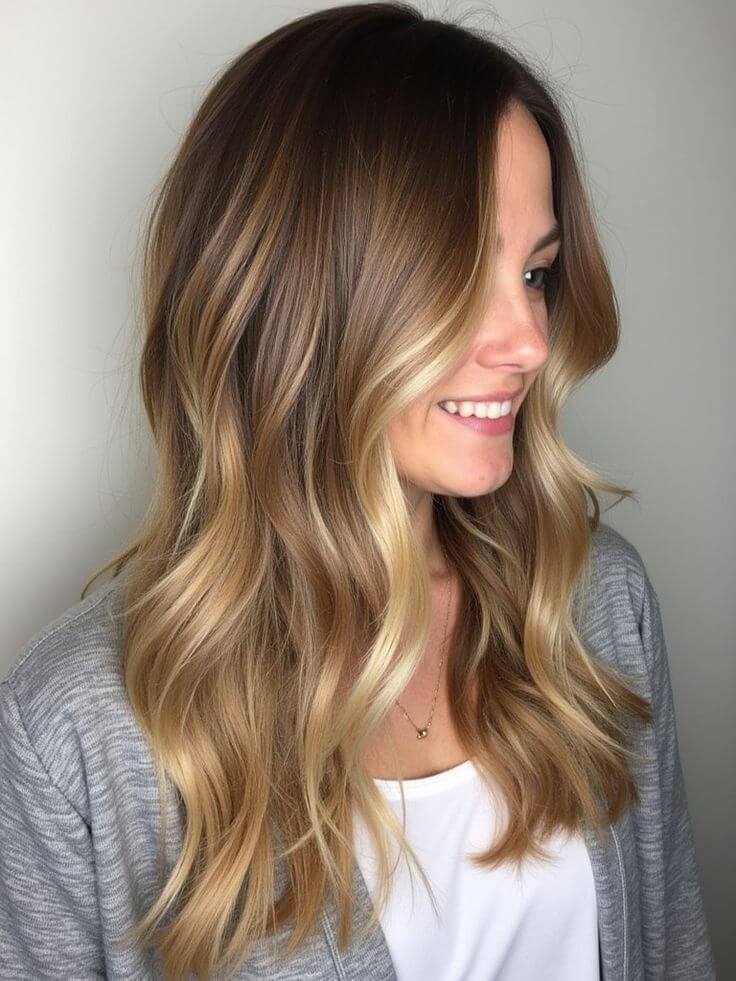
Wondering if that collarbone balayage will hold up on thicker hair? It will, as long as the face-framing pieces are cut to move with your texture. The prominent blonde balayage on this light brown base works because the thick, wavy strands have enough weight to carry the color from root to tip. Ask your colorist for: collarbone length, face-framing pieces, blonde balayage. A heat protectant before styling keeps the waves glossy, and the balayage fades gracefully, so a refresh every ten to twelve weeks is plenty.
Collarbone Wavy Blowout With Balayage
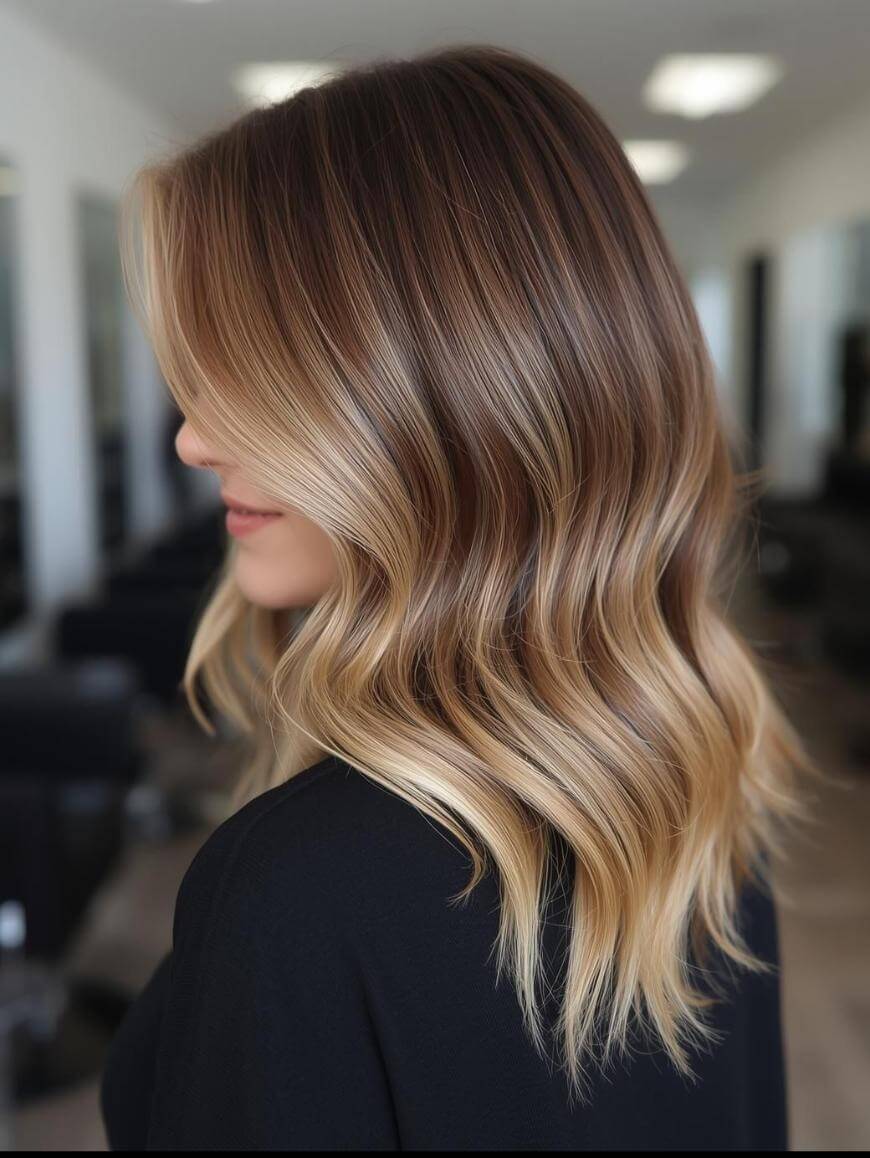
A collarbone cut with soft layers and curtain bangs gets its movement from a wavy blowout, with a light brown base and blonde balayage doing the color work. The middle parting lets the face-framing pieces fall where they may, which is exactly the point.
This suits medium density wavy hair best; the layers keep it from looking flat. Ask your colorist for: collarbone layered cut, curtain bangs, light brown balayage. Use a medium round brush to build the wave, then let it cool before you touch it. Balayage grows out softer than foils, so you can stretch touch-ups to every 10 to 12 weeks.
Collarbone Balayage On Medium Brown Base
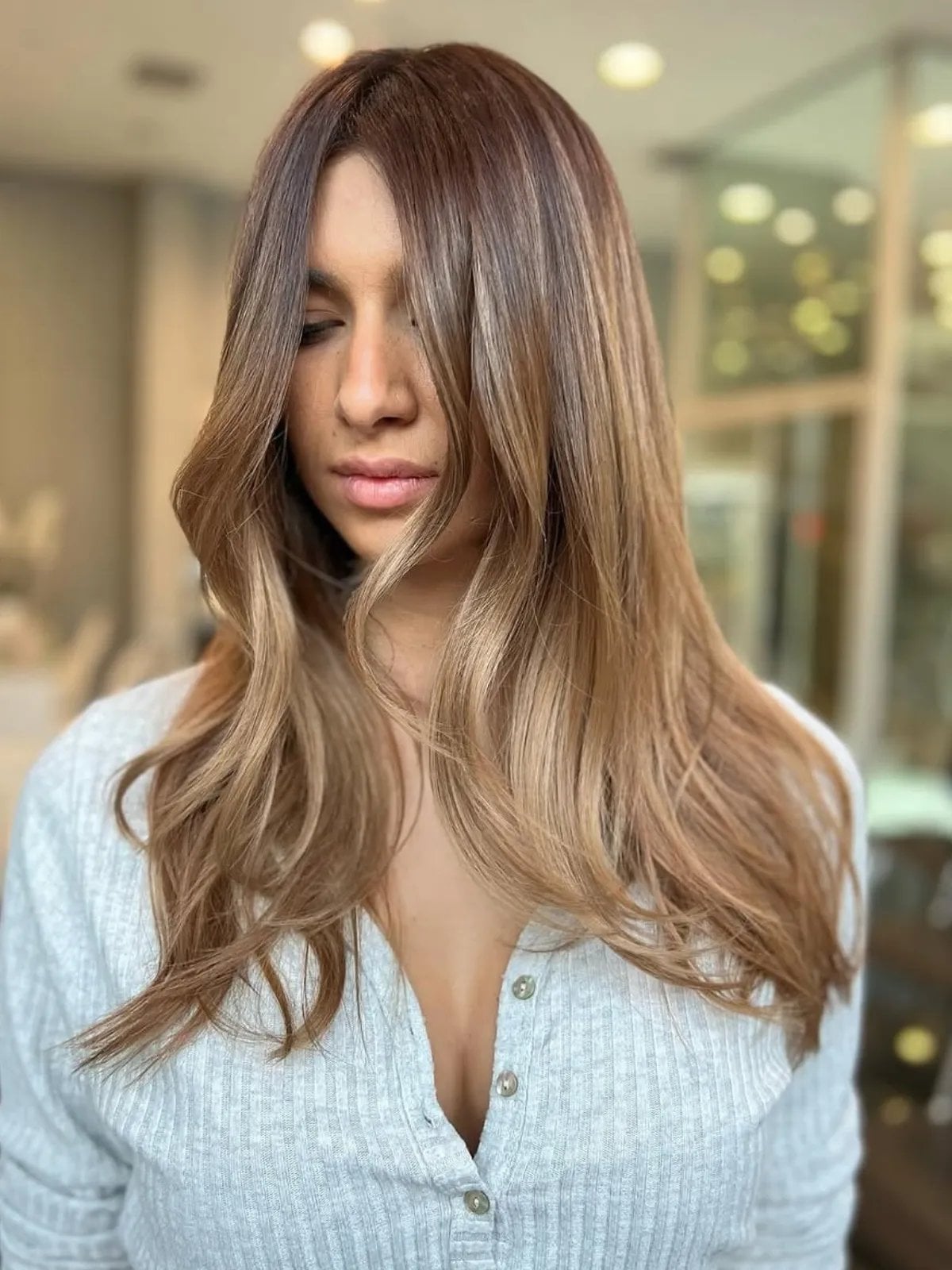
If you want contrast without going lighter overall, a medium brown base with blonde balayage delivers more drama than a light brown base ever will. The deeper root makes the blonde pieces pop, especially on thick, wavy hair at collarbone length, styled in loose waves with a glossy finish.
Ask your colorist for: collarbone length, medium brown base, blonde balayage. Keep the gloss alive with a shine serum, and plan a re-balayage every 10 to 12 weeks to maintain the transition line.
Shoulder Length Blowout With Dimensional Color
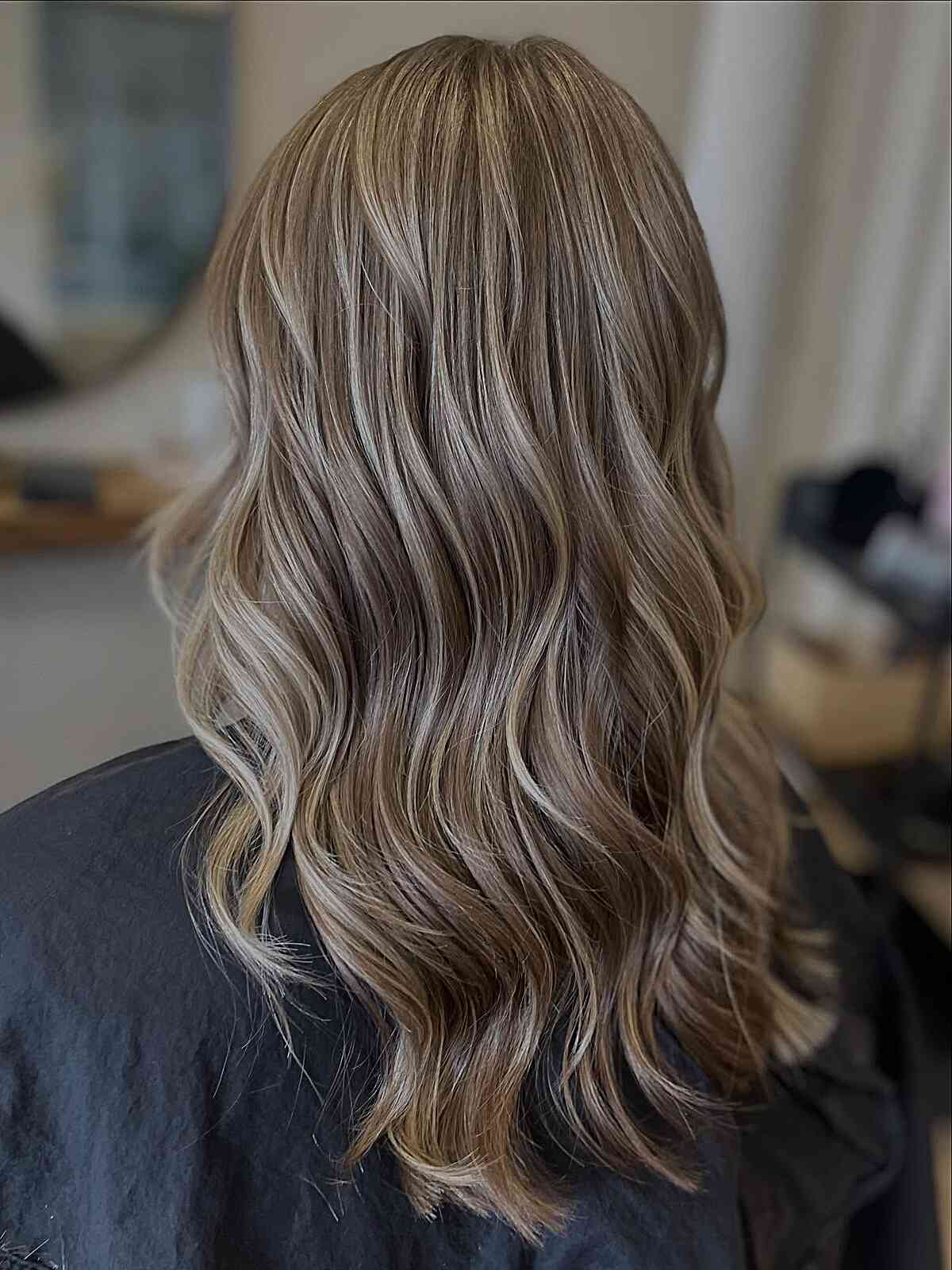
A shoulder-length blowout with a light brown base and blonde highlights is a solid everyday choice, but it has one flaw: brassiness. Without regular toning, those blonde pieces can pull orange, especially on thick wavy hair that holds heat.
Ask your colorist for: shoulder length blowout, light brown base, dimensional blonde highlights. Use a boar bristle brush to smooth the cut, and book a trim every 6 to 8 weeks to keep the shape sharp. If you skip the toner, you skip the point.
Collarbone Waves With Natural Blonde
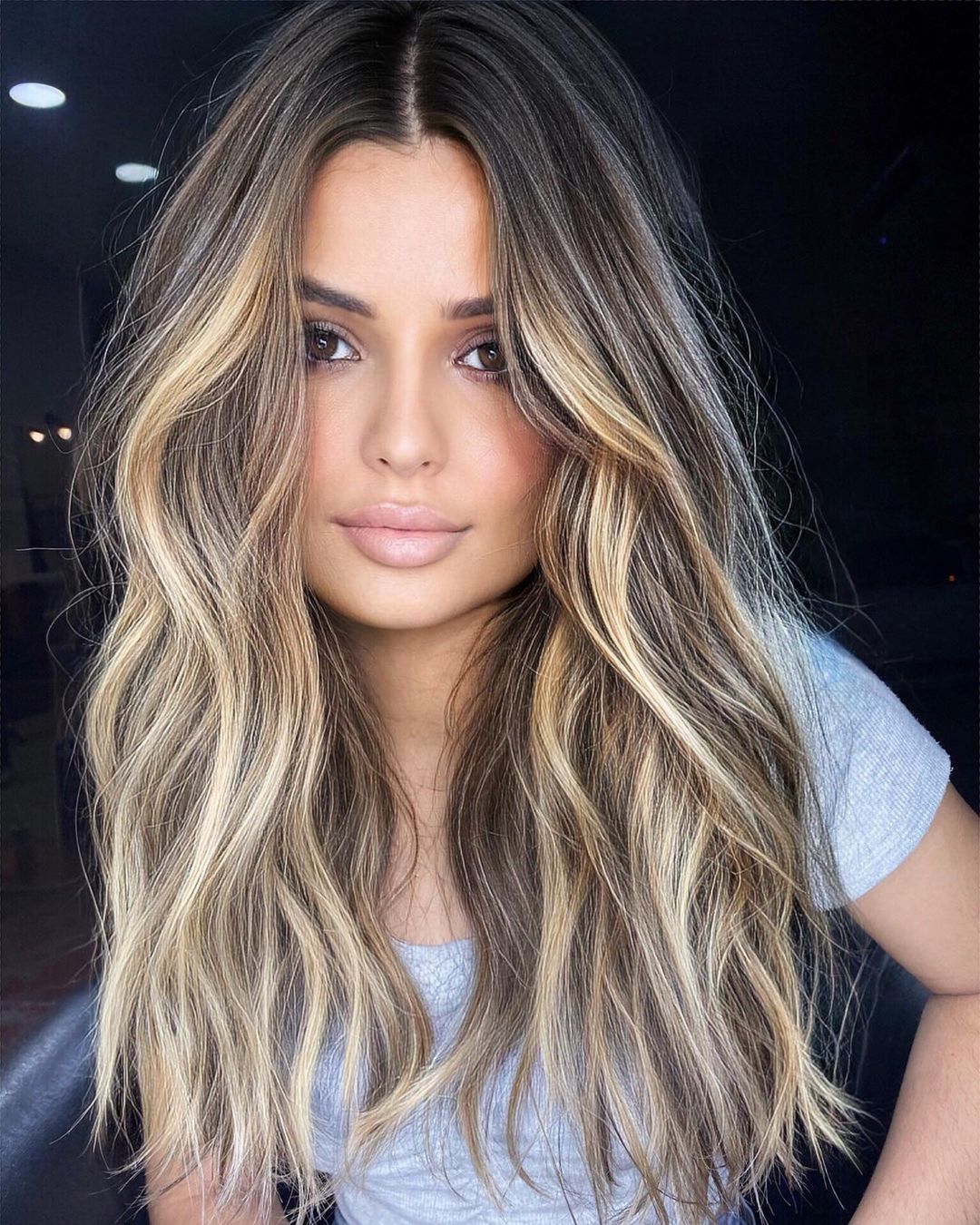
Blonde highlights that look sun-kissed start with natural placement. Lighter pieces are concentrated around the face and woven through the mid-lengths, never at the root.
On thick, wavy collarbone hair with a light brown base, this creates a subtle lift. Ask your colorist for: collarbone layered cut, natural blonde highlights. Air dry with a curl cream, or use a diffuser to keep the wave. A trim every 8 weeks keeps the layers from tangling.
Mid-Back Layers With Face-Framing Highlights
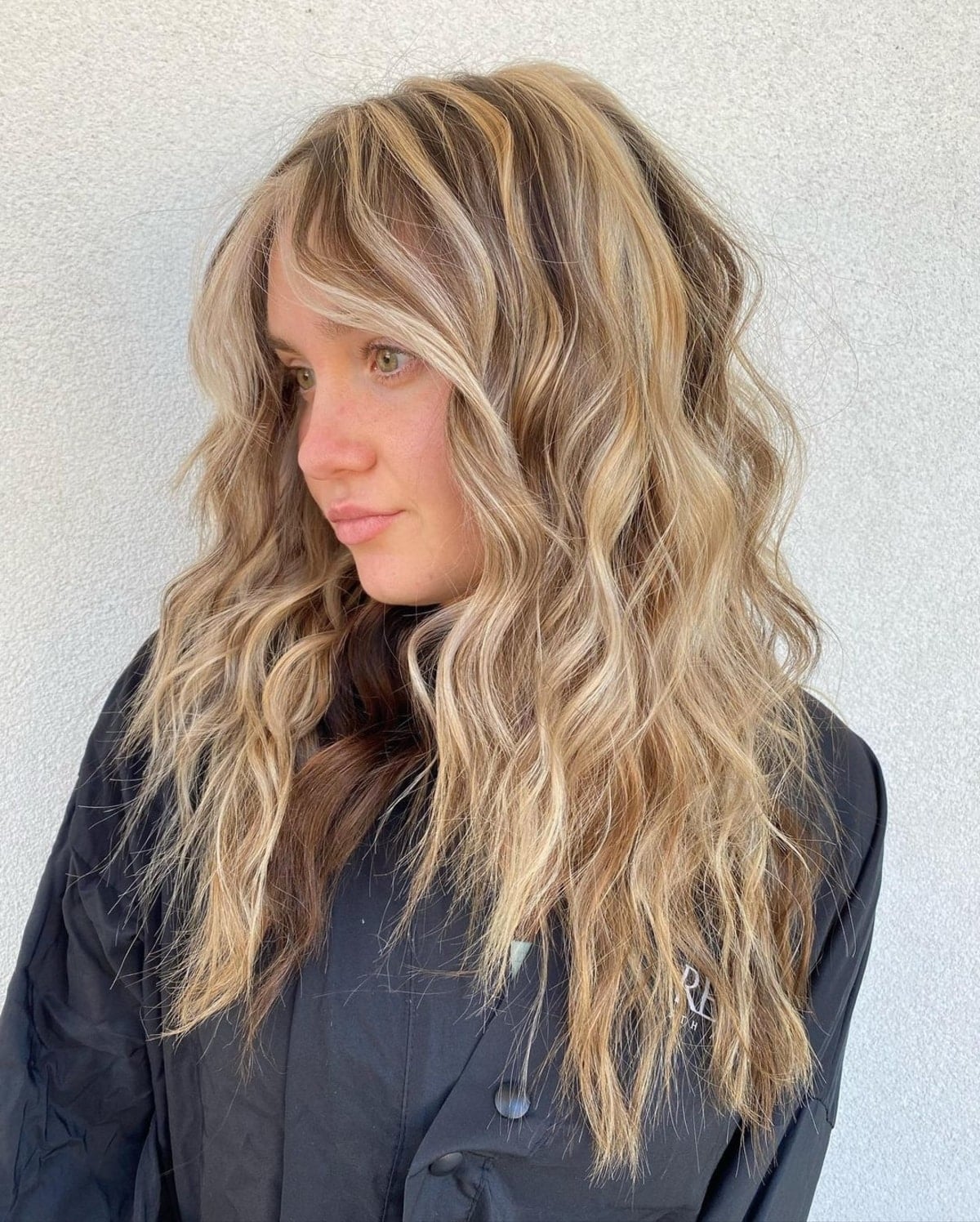
The technique here is straightforward: face-framing highlights are painted onto the front sections only, brightening the hair around the jaw while the rest of the mid-back length stays a light brown base. On thick, wavy hair with curtain bangs, this draws the eye forward without lightening everything.
Ask your colorist for: mid-back layered cut, face-framing blonde highlights. A large round brush on the blowout gives the waves direction, and the curtain bangs soften a square jaw. Re-highlight every 8 to 10 weeks, since the face-framing pieces grow out faster than the rest.
Mid-Back Loose Waves With Face-Framing Highlights, Wavy
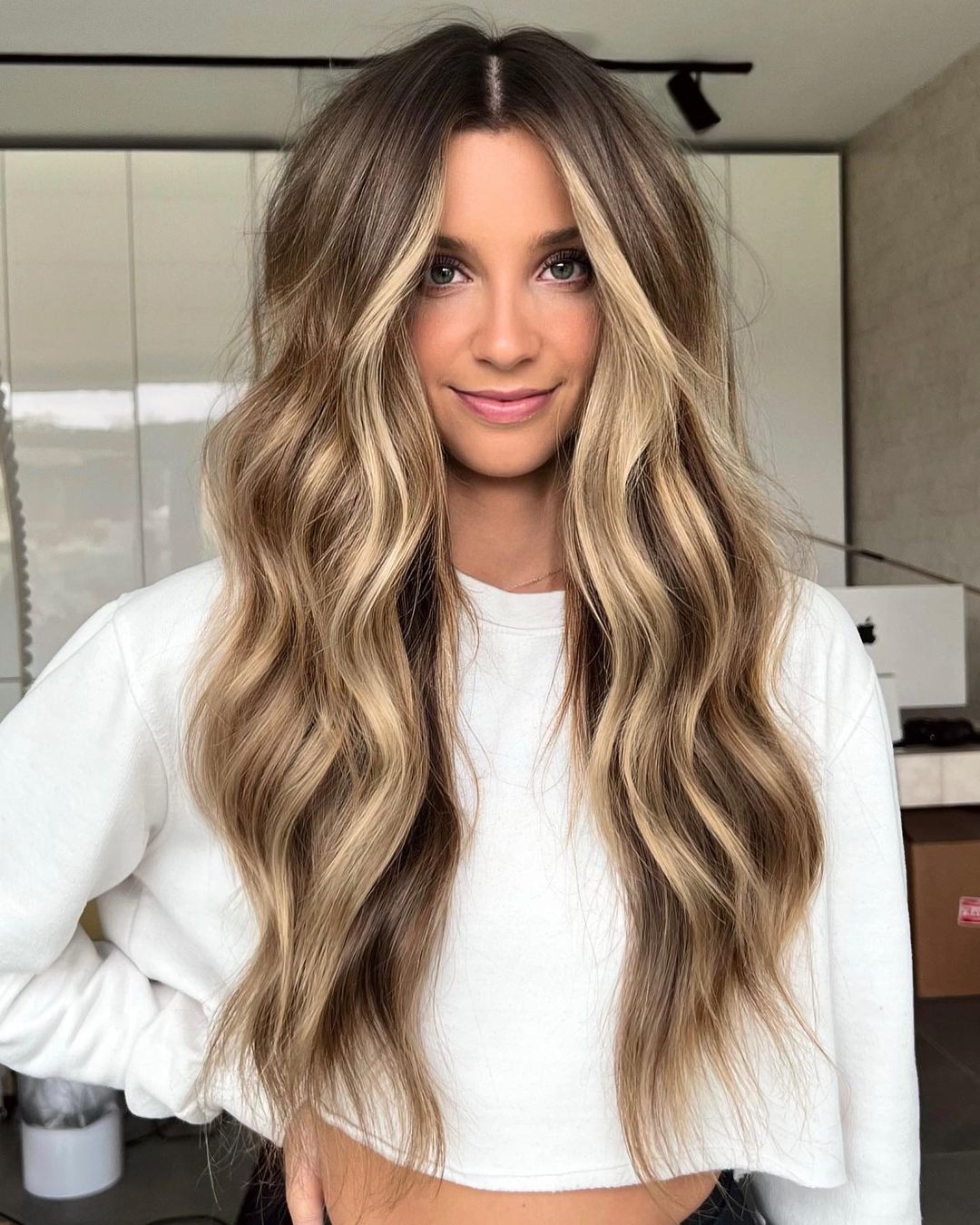
Thick wavy hair at mid-back length can feel heavy, but face-framing highlights solve the weight problem by pulling light forward. The light brown base keeps the overall tone grounded, while the blonde pieces around the face add contrast without committing to all-over lift. This setup works best for thick wavy hair that already holds a wave naturally, and the curtain bangs soften oval and round face shapes. Ask your colorist for: mid-back loose waves, curtain bangs, face-framing blonde highlights. The middle parting lets the lighter strands fall evenly on both sides, so the dimension looks built-in from the start. Enhance your natural wave pattern with a sea salt spray and trim the baseline every eight to ten weeks to keep the shape from turning shapeless.
Mid-Back Wavy Style With Face-Framing Pieces
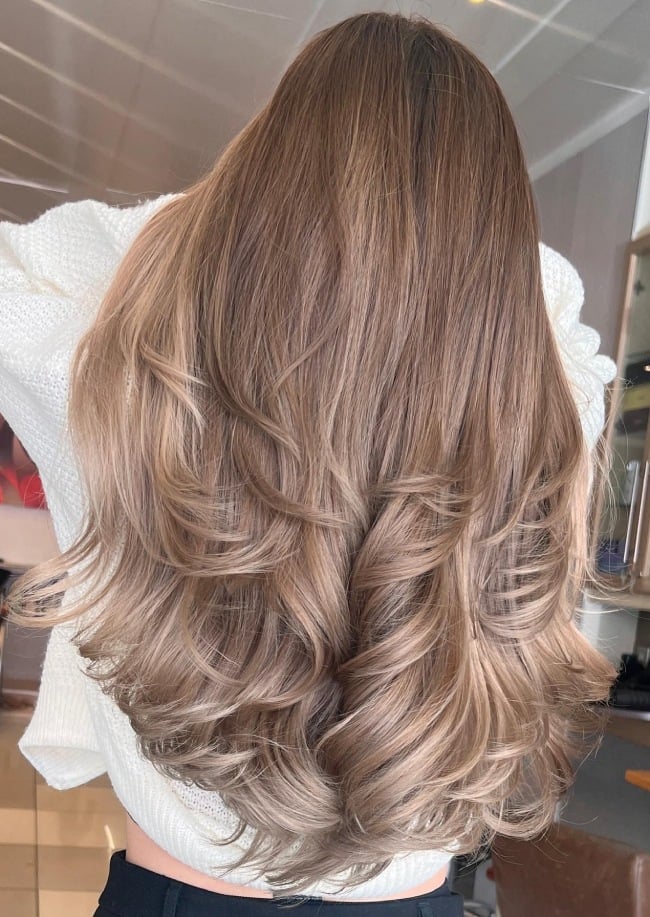
Ask your colorist for: mid-back wavy style, face-framing blonde pieces. Use a large barrel curling iron to define the waves, focusing on the mid-lengths and ends, not the roots. The subtle placement means you can stretch re-highlight appointments to eight or ten weeks, and the lack of bangs simplifies at-home styling. A trim every eight weeks keeps the ends looking neat, not frayed.
Mid-Back Layers With Face-Framing Curtain Bangs, Wavy
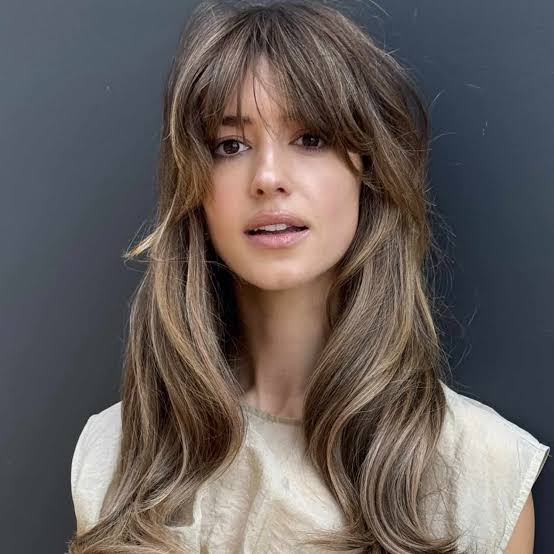
Curtain bangs and blonde highlights together create a beachy rhythm that works for spring through early fall. The long layers hit mid-back, keeping the weight manageable, while the curtain bangs frame the face without the commitment of a full fringe. The light brown base anchors the look; the prominent blonde highlights add brightness without washing out the natural depth.
Ask your colorist for: mid-back layered cut, curtain bangs, blonde highlights. The middle parting lets the bangs fall symmetrically, which suits oval and round face shapes. This is a solid everyday choice for medium-density wavy hair, and the layers mean you can air-dry with a wave cream and still get movement. Re-highlight every eight to ten weeks to keep the blonde from going flat, and plan a trim every six to eight weeks for the bangs specifically.
Mid-Back Bronde With Seamless Balayage Blend
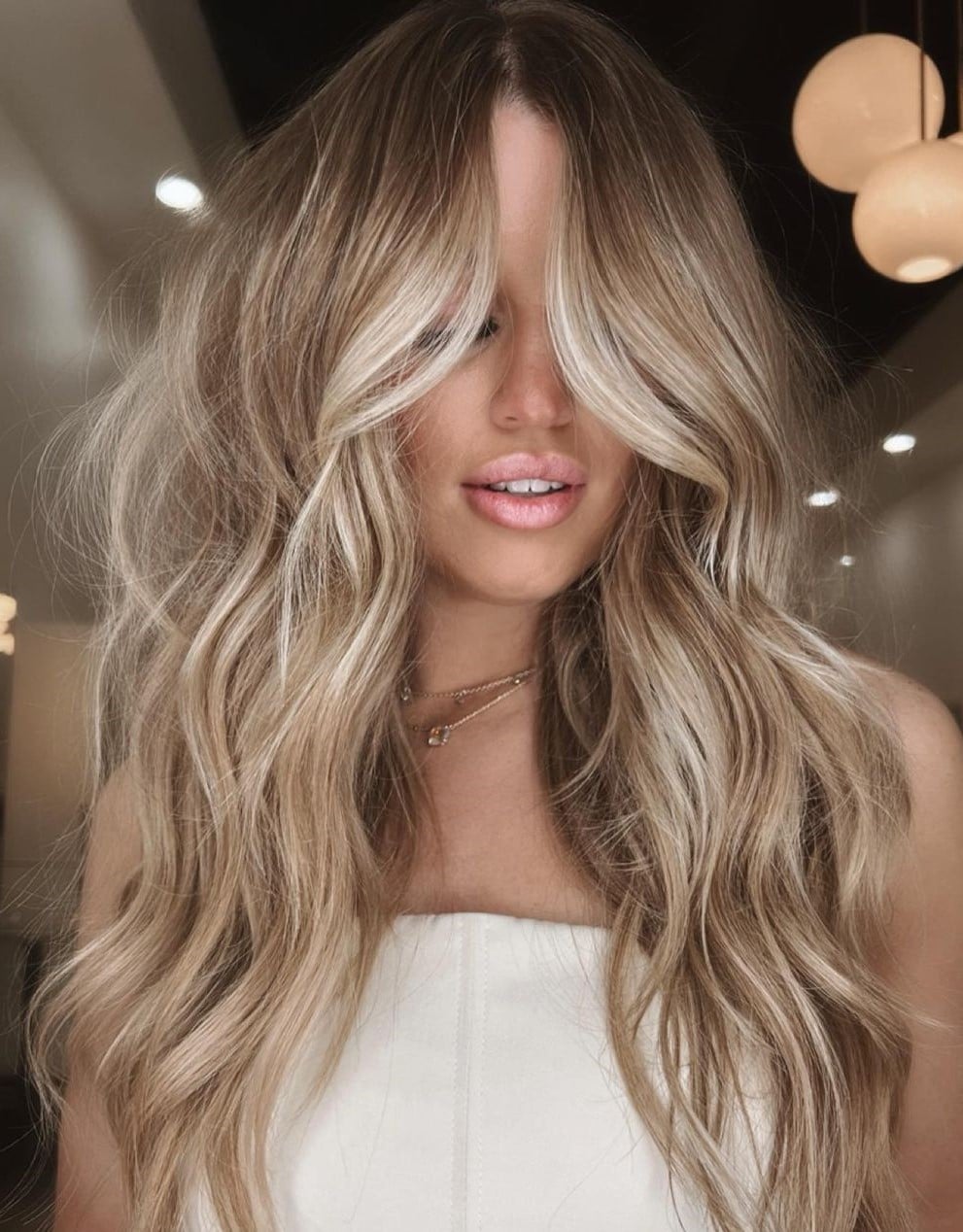
Bronde sits in the useful middle ground between brown and blonde, so it avoids the root-line drama of an all-over blonde and the flatness of a single brown. This version uses a light brown base blended seamlessly with lighter blonde tones via balayage, creating a gradient that starts darker at the roots and softens toward the ends. The wavy thick texture helps the blend look natural. Ask your colorist for: mid-back length, bronde color, seamless balayage. The face-framing pieces add brightness without needing a full highlight appointment. Use a sea salt spray to enhance the wave pattern, and re-balayage every ten to twelve weeks. Balayage takes longer in the chair than foils, but the grow-out is noticeably more forgiving.
Mid-Back Wavy Style With Dimensional Color
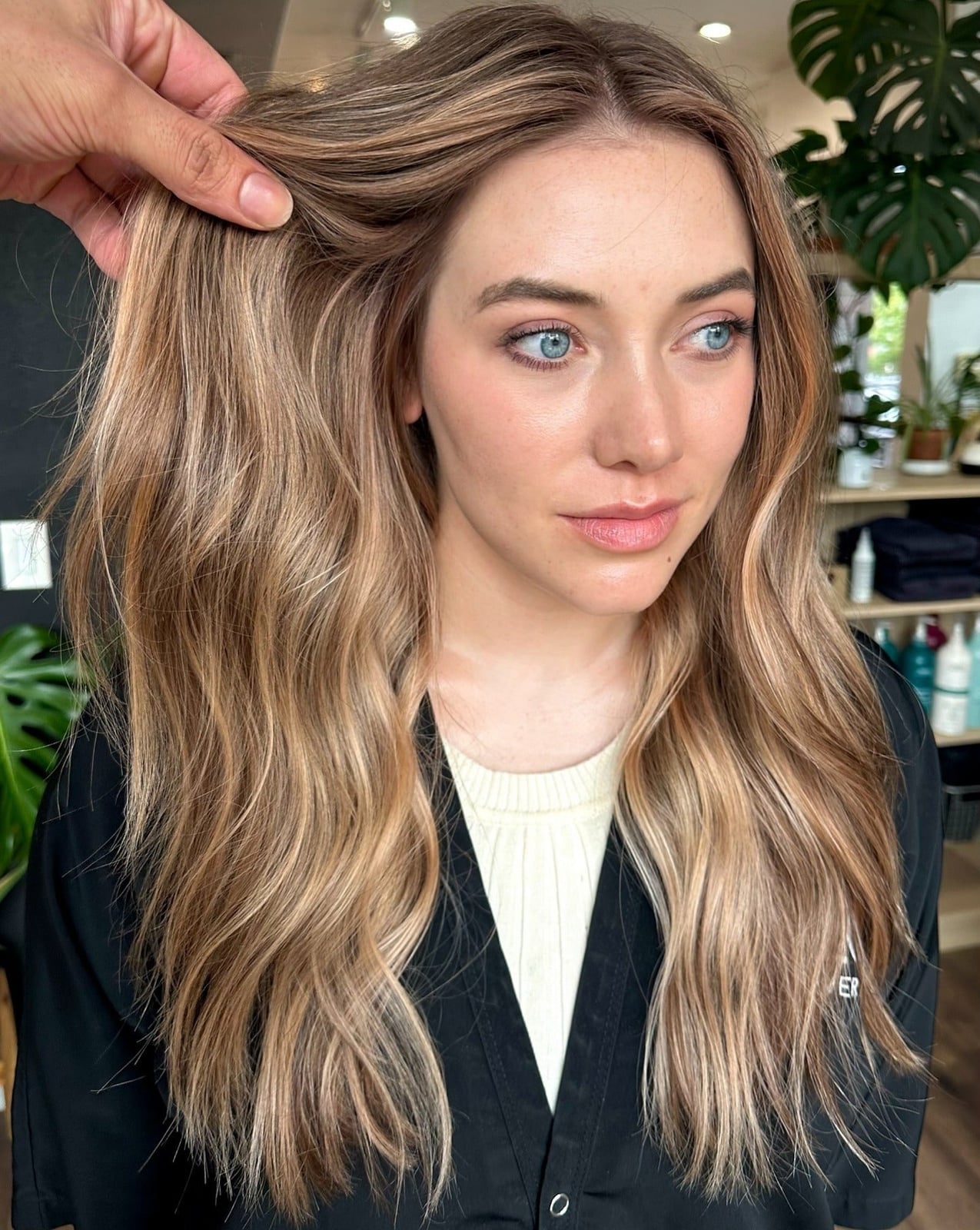
Dimensional color on thick wavy hair is a fair trade: you get movement and depth, but you also get a brassiness window around week six. This mid-back wavy style starts with a light brown base and uses blended blonde highlights that are subtle enough to avoid a harsh demarcation line. The soft waves help the lighter strands peek through the darker base, creating the illusion of more highlights than actually exist.
Ask your colorist for: mid-back wavy style, blended blonde highlights. The middle parting and no-bangs approach keep the look low-maintenance for daily styling, but the dimensional color requires a purple shampoo once a week to keep the blonde from turning yellow. A shine serum on damp hair adds the gloss you see in good lighting. Skip this if you want zero upkeep between appointments; the brassiness will bother you more than it should.
Mid-Back Balayage With Face-Framing Layers and A Glossy Finish
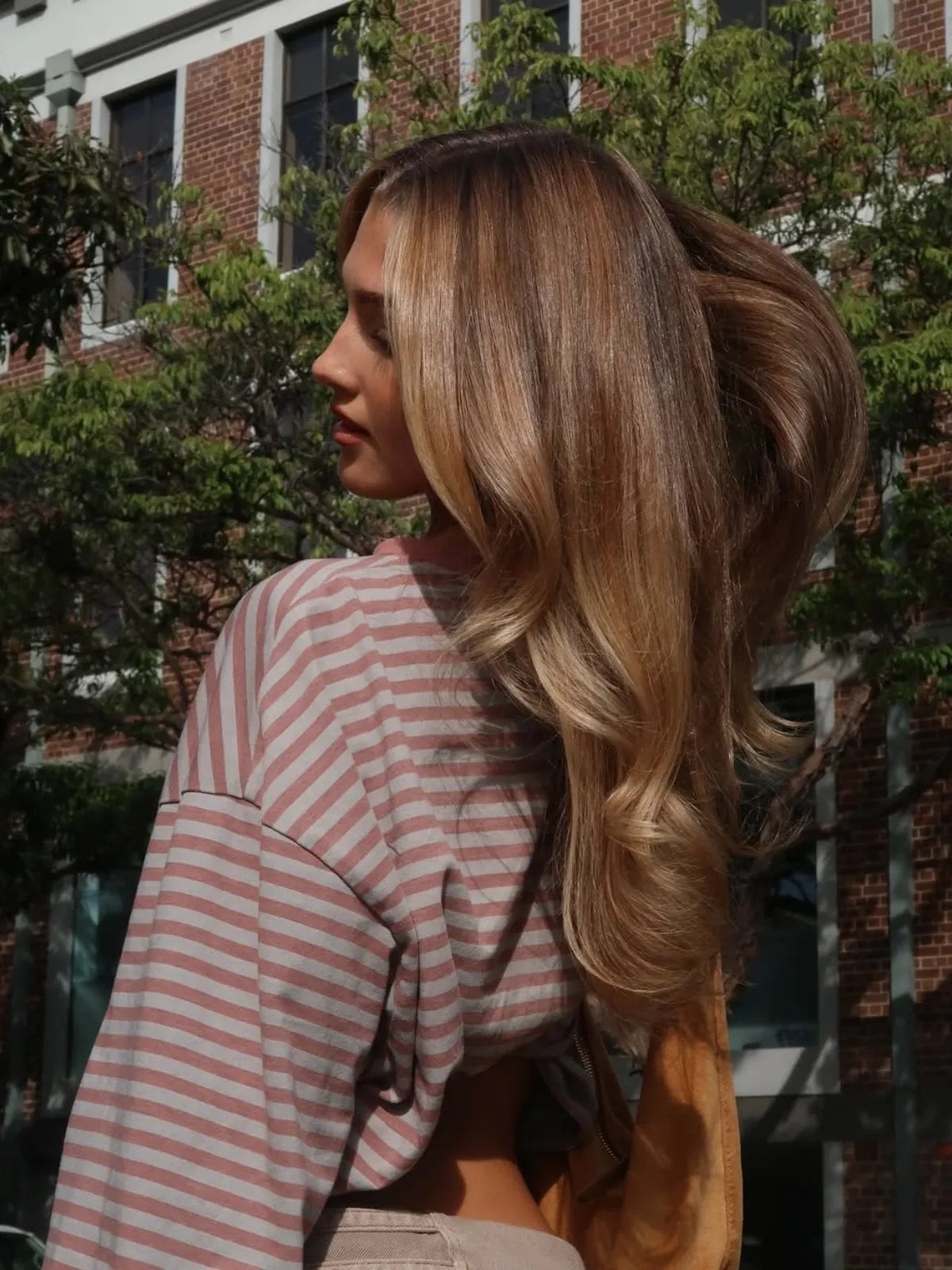
Wondering how to get the blonde to actually do something for your face rather than just sit there? The trick is placement, and this mid-back length light brown base with blonde balayage puts the brightest pieces right where they matter. Soft face-framing layers and curtain bangs pull the lighter color forward, so the glow reads from the front even when the rest of the waves stay deeper.
Ask your colorist for: mid-back balayage, face-framing layers, curtain bangs. Thick wavy texture carries this well, since the layers need weight to move without going stringy. The glossy finish comes from the toner, which also keeps the blonde from drifting brassy between visits. A root lifting spray at the crown adds volume where the waves start. Re-balayage every 10 to 12 weeks, and expect the grow-out to stay soft rather than showing a hard line.
Mid-Back Loose Curls With Subtle Highlights
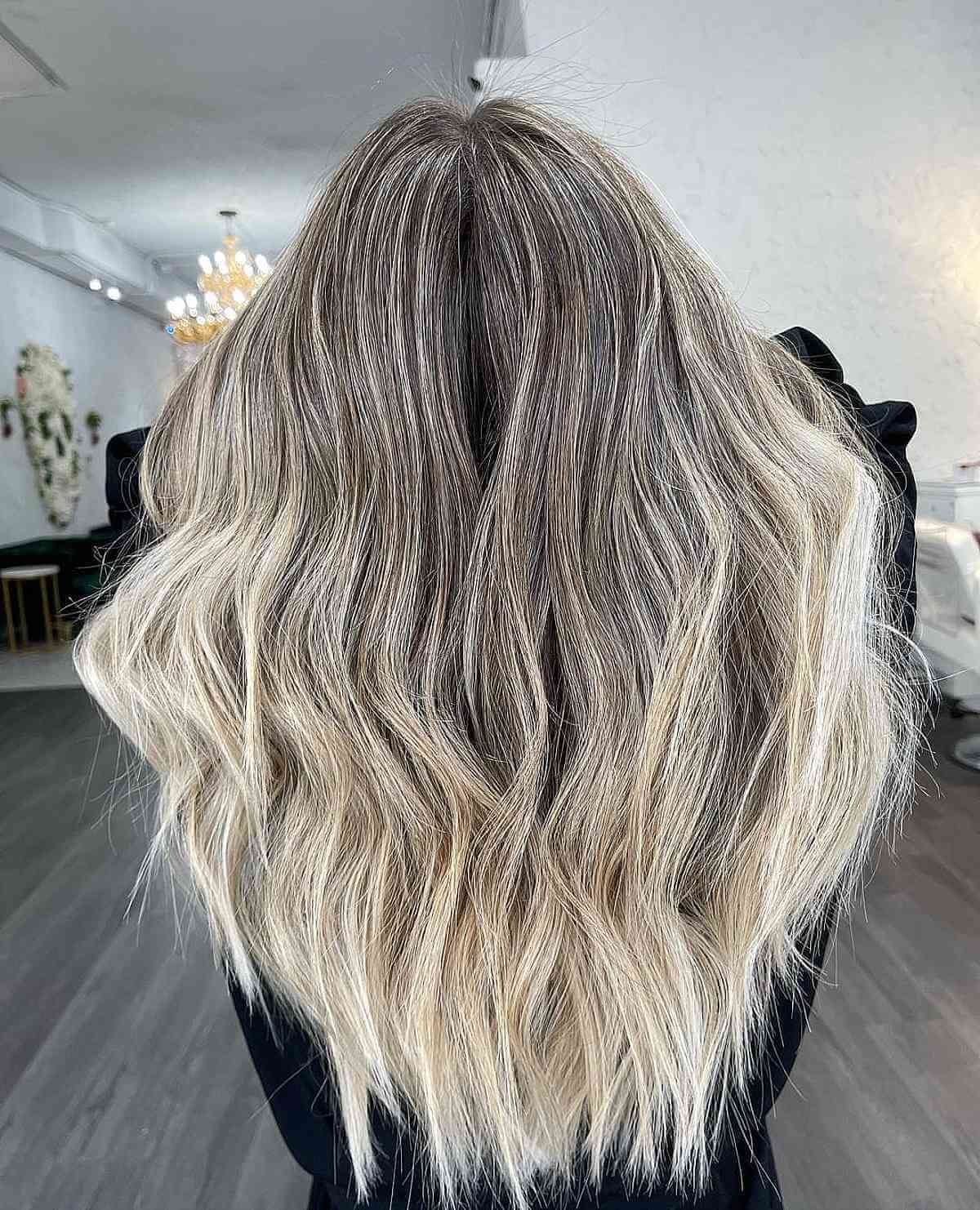
Balayage on a dark brown base creates contrast the moment the light hits it, and this mid-back length version uses loose curls to show off the dimension. The blonde pieces wrap through the waves, so each turn of the curl reveals a different shade. With no bangs and a middle parting, the color does the work of framing the face. Medium density wavy hair at mid-back length gives the curls enough body to hold their shape without looking heavy. Ask your colorist for: dark brown base, blonde balayage, loose curls. Low heat on a diffuser encourages the natural wave pattern and keeps the ends from frizzing. Re-highlight every 8 to 10 weeks to keep the blonde bright against the deeper base.
Mid-Back Wavy Style With Blonde Balayage
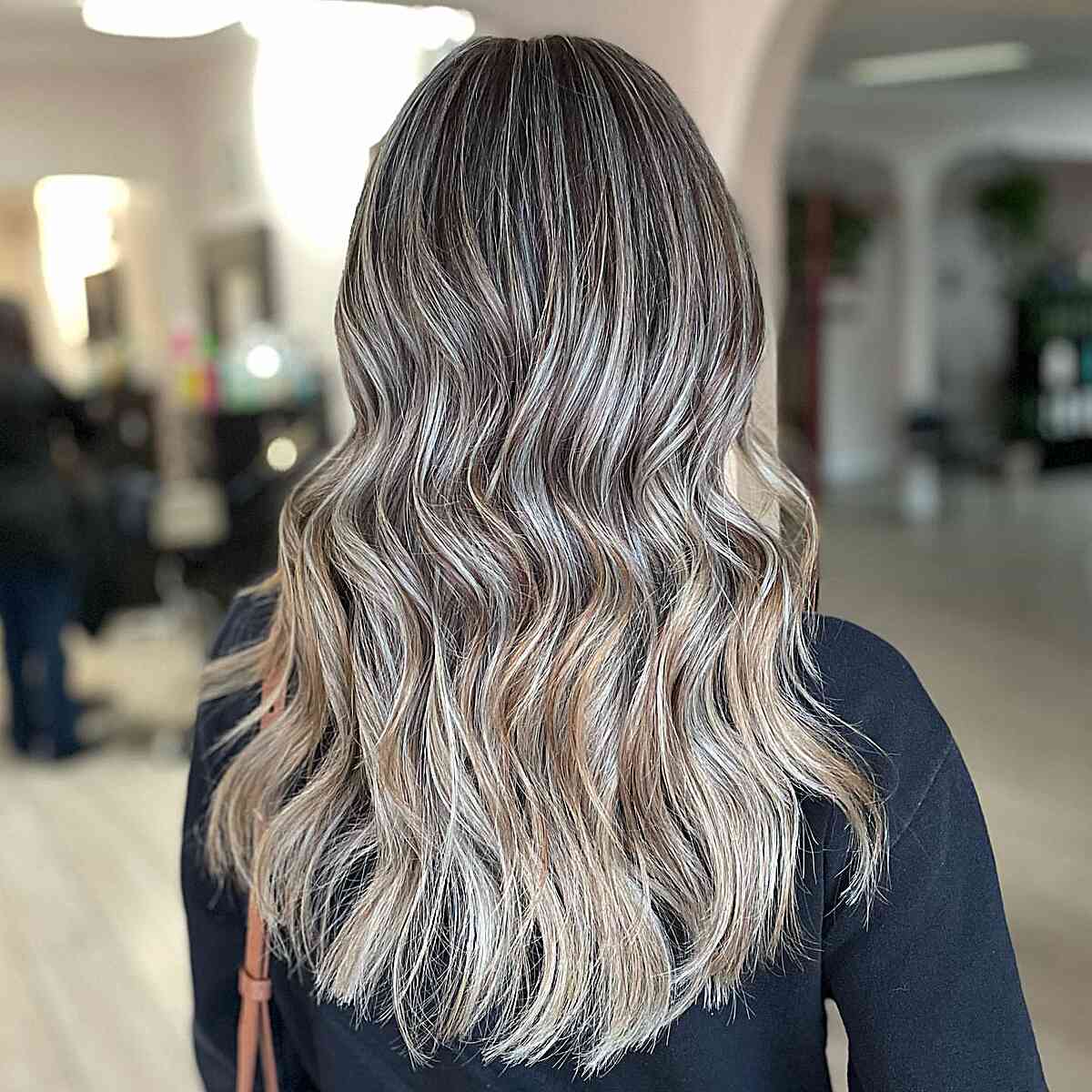
A brown base with blonde highlights and balayage creates a sun-lightened look, which is the whole point of this mid-back wavy style. The back view shows the color distribution clearly: lighter pieces sit through the mid-lengths and ends while the roots stay closer to the natural brown. Thick wavy texture at mid-back length benefits from the layering, since the cut prevents the weight from pulling the waves straight.
This color combination suits anyone who wants warmth without committing to an all-over change. The blonde adds brightness around the face, and the brown base keeps the overall effect grounded. Ask your colorist for: brown base, blonde balayage, mid-back waves. The grow-out phase is forgiving because the technique starts the lightener below the root line. Re-balayage every 10 to 12 weeks to refresh the placement near the face.
Mid-Back Waves With Blonde Balayage, Layers
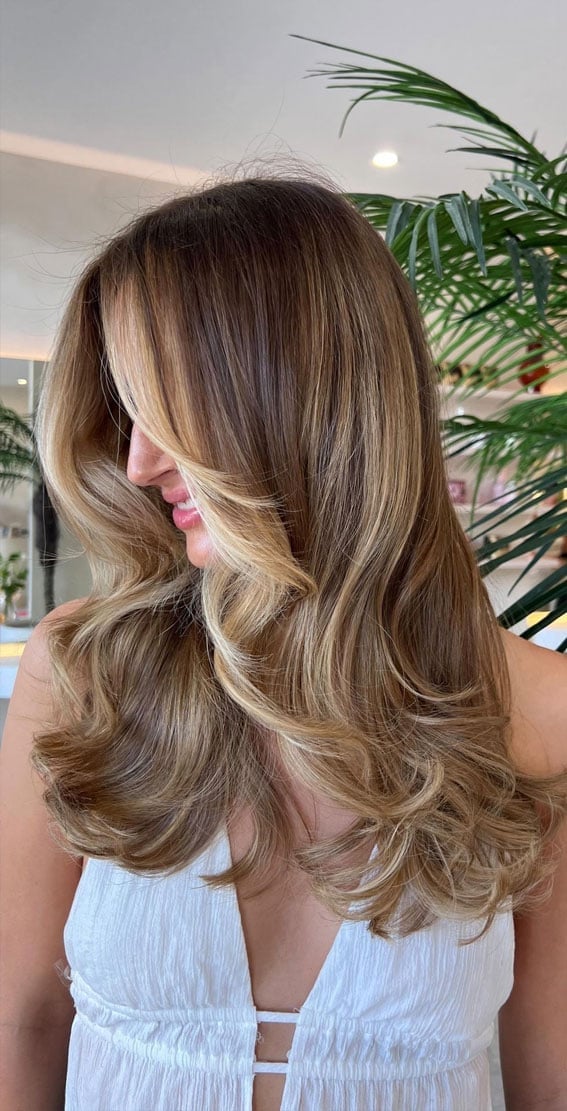
Balayage wears well because it fades into the base rather than crashing into it, and this mid-back brown base with blonde highlights proves that point. The waves show the color from every angle, with the lighter pieces catching between the layers. Thick wavy texture keeps the style looking healthy, since the cut removes weight without sacrificing length.
The practical rule with balayage is that the grow-out softens over time. Those first few weeks after the appointment show the most contrast, then the blonde blends into the brown as new growth comes in. A wide-tooth comb on damp hair prevents the waves from frizzing while they dry. Ask your colorist for: mid-back waves, brown base, blonde balayage. Re-balayage every 10 to 12 weeks keeps the sun-kissed effect from turning into an obvious root line. This is the low-maintenance option for anyone who wants dimension without the salon visit every six weeks.
Mid-Back Blowout With Sun-Kissed Balayage
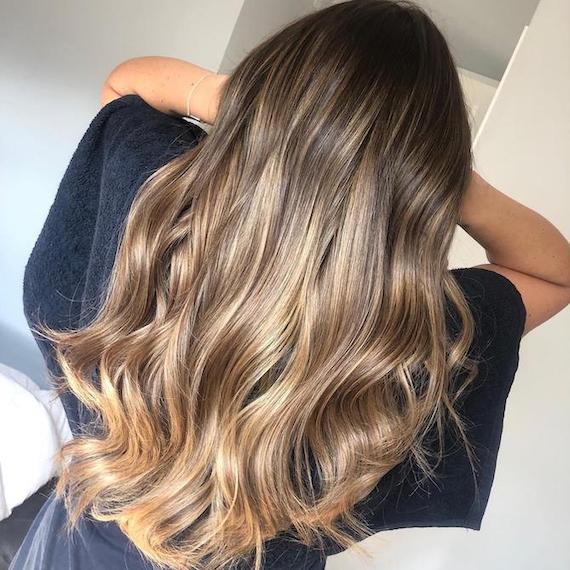
A seamless blonde balayage on a light brown base takes skill to execute, which is why this mid-back blowout is a salon-only situation. The color transition needs to look like the sun did the work, and that requires the lightener to be painted on in sections rather than foiled from the root. Thick wavy texture at mid-back length gives the blowout something to grip, so the waves hold their shape. The mistake people make is trying to replicate the effect at home with box dye, which tends to create stripes instead of a gradient. Ask your colorist for: light brown base, sun-kissed balayage, mid-back blowout. A heat protectant before blow-drying keeps the ends from drying out, since the lightened sections are more porous. Re-balayage every 10 to 12 weeks to maintain the transition.
Mid-Back Waves With Visible Blonde Highlights
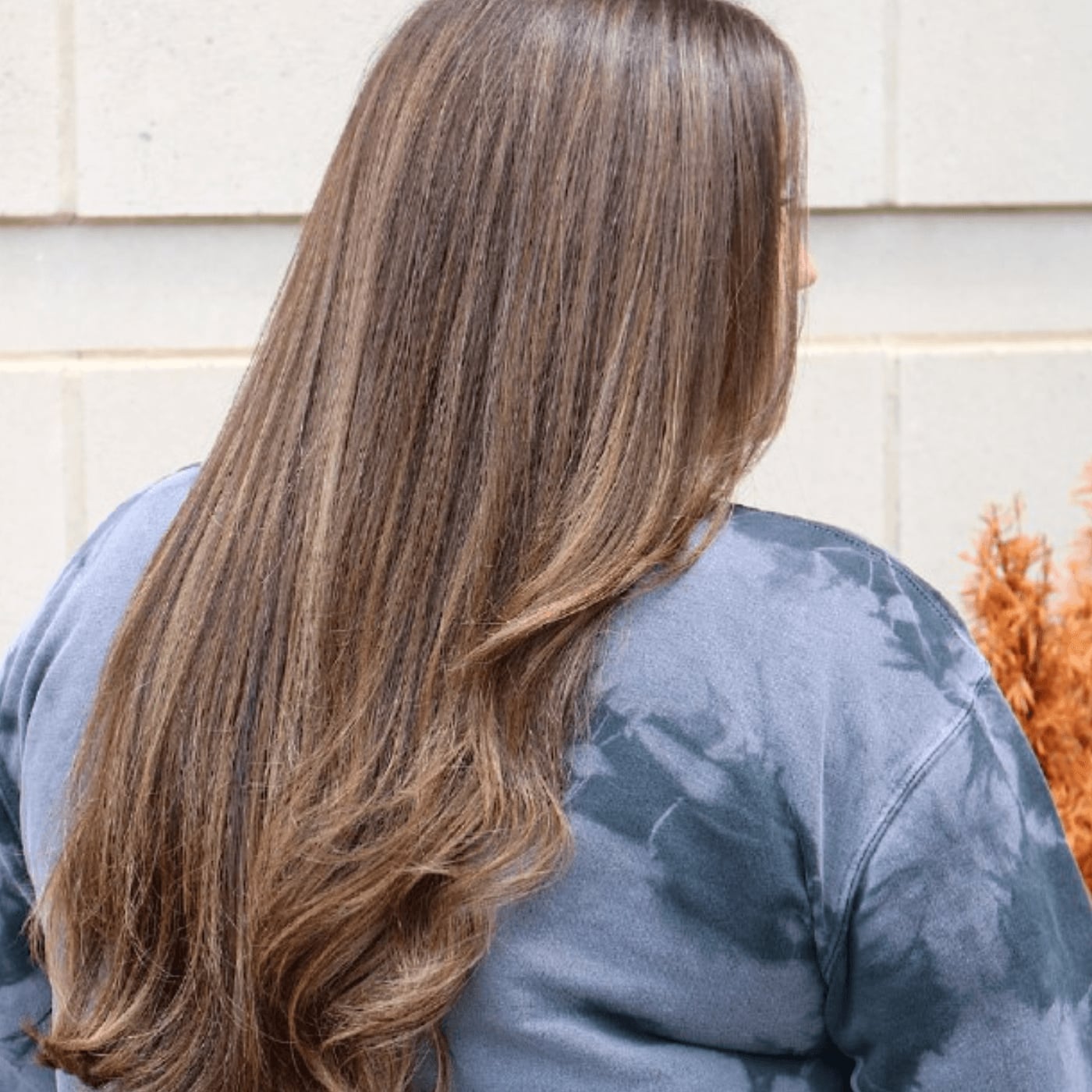
Why do some blonde highlights look painted on, while others look like the sun did the work? The difference is placement, and this light brown base with visible blonde highlights is the sun-kissed version you can actually schedule. The mid-back waves with a layered cut give the color room to move, so the brighter pieces catch the light as you turn your head.
Thick, wavy hair at mid-back length is the ideal canvas, since the texture breaks up the color and keeps it from reading as stripes. Ask your colorist for: mid-back waves, light brown base, visible blonde highlights. You will need a salon visit for the color itself, but after that, scrunch a curl-defining cream into damp hair and let it air dry. A trim every eight to ten weeks keeps the layers from tangling at the ends.
Mid-Back Braid With Blonde Highlights
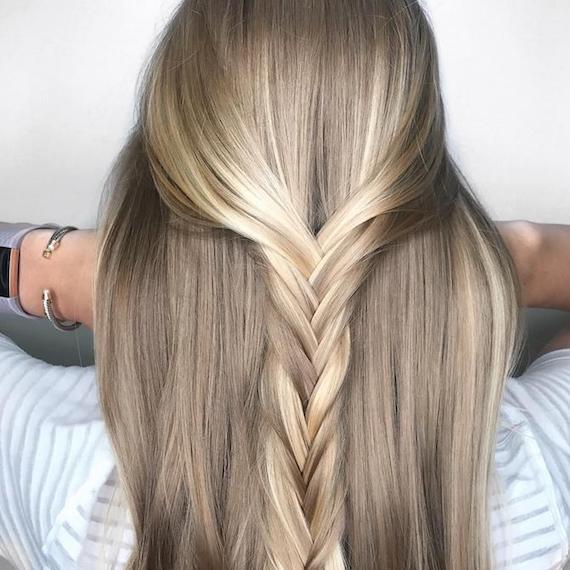
A braid is a practical style, but it can also be a color showcase when the base is light brown and the blonde highlights are woven through. The mid-back length gives you enough hair to work with, and the straight, fine texture keeps the braid sleek and tidy. The light brown base with blonde highlights creates subtle contrast along the plait, so the color stands out clearly.
Ask your colorist for: mid-back braid, light brown base, blonde highlights. The middle part keeps the style balanced, and no bangs means the braid stays the focus. Secure the end with a clear elastic, and you are set for a day that involves movement. Re-highlight every eight to ten weeks to keep the contrast fresh, since fine hair tends to show the grow-out sooner.
Collarbone Lob With Subtle Blonde Balayage
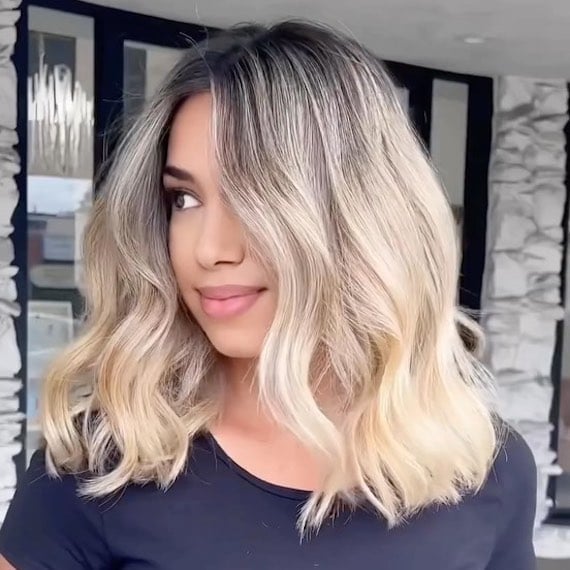
This collarbone lob with wavy texture is the low-maintenance answer for a dark brown base that wants brightness without the commitment. The subtle blonde balayage starts lower down, so the grow-out is forgiving, but you will still need to plan for brassiness. The middle part and side view show how the color flows, with no bangs to complicate the line.
Ask your colorist for: collarbone lob, dark brown base, subtle blonde balayage. On a dark base, the blonde pieces need a toner to stay cool, and a purple shampoo at home helps between appointments. Use a texturizing spray on the waves to keep the shape loose. Re-balayage every ten to twelve weeks, and accept that the blonde will warm up slightly before you go back in.
Final Thoughts
When you are deciding between techniques, let your maintenance tolerance lead. For a low-maintenance blend, opt for balayage with a root melt; for high impact, ask for babylights and face-framing foils. Fine hair benefits from keeping the baseline blunt, while round faces can let the length fall below the chin.
- Schedule toning glosses every 6-8 weeks to maintain blonde vibrancy.
- Use a color-safe shampoo and conditioner to preserve color.
- Deep condition weekly to combat dryness from lightening.
- Allow 8-12 weeks between significant color retouches.
Find the perfect balance of light brown depth and blonde brightness.
