

Layered wigs are basically a haircut cheat code: the cut does the work of adding volume and shape without you having to commit to a permanent change. Right now, soft face-framing layers and curtain bangs are the go-to for that lived-in, glossy texture that reads as natural rather than wiggy.
This collection of 25 Layers Wig ideas covers every length from mid-back to a short wolf cut, with options for fine hair that needs lift, thick hair that needs weight removed, and every bang style you can name. A fringe that won’t sit right or a blunt line that feels too heavy? One of these cuts solves it.
Mid-Back Chocolate Brown Waves With Full Bangs
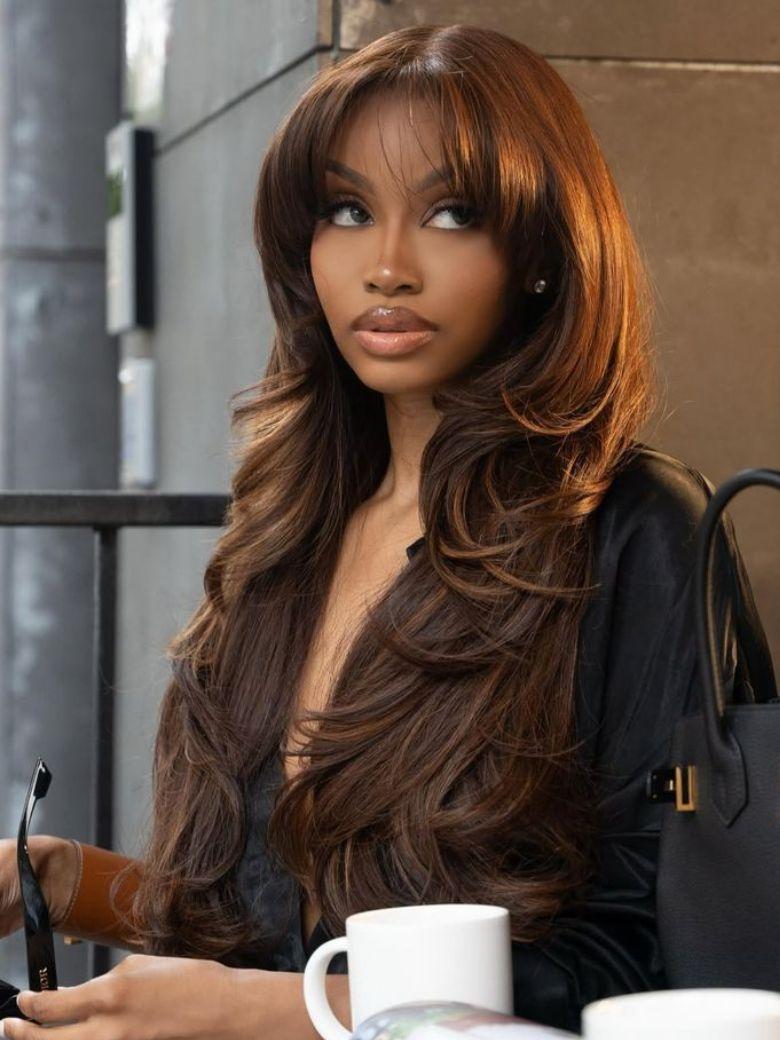
Chocolate brown hair at mid-back length often reads as one solid block, but these face-framing layers carve out shape around the jaw and cheekbones, while the full bangs land just above the brow to balance a longer forehead. Ask your stylist for: mid-back layered cut with full bangs, soft waves. The middle parting keeps the weight centered, so the layers don’t fall flat at the sides. Thick, wavy textures hold this shape best; finer hair will need a round brush and a large curling iron at the ends to keep the bend from dropping by midday.
Voluminous Black Wavy Mid-Back With Wispy Bangs
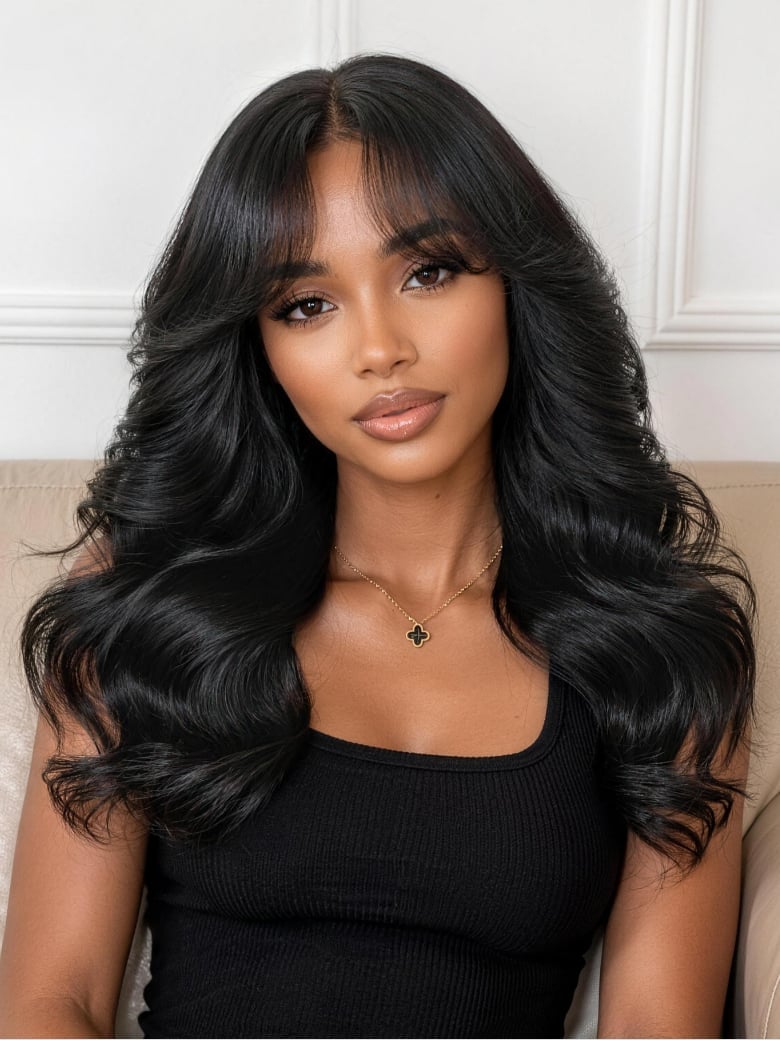
A deep black base can look severe, so the layers here are cut to graduate around the face rather than stack bluntly. The wispy bangs are point-cut at the ends, which keeps them light enough to blend into the wave pattern. Ask your stylist for: mid-back layered cut with wispy bangs, voluminous waves. To build the volume you see:
- Apply a texturizing spray at the roots before blow-drying upside down.
- Wrap mid-lengths around a one-inch barrel, alternating the direction of the wrap.
The middle part distributes the lift evenly on both sides.
Mid-Back Dark Brown With Blonde Highlights And Side Part
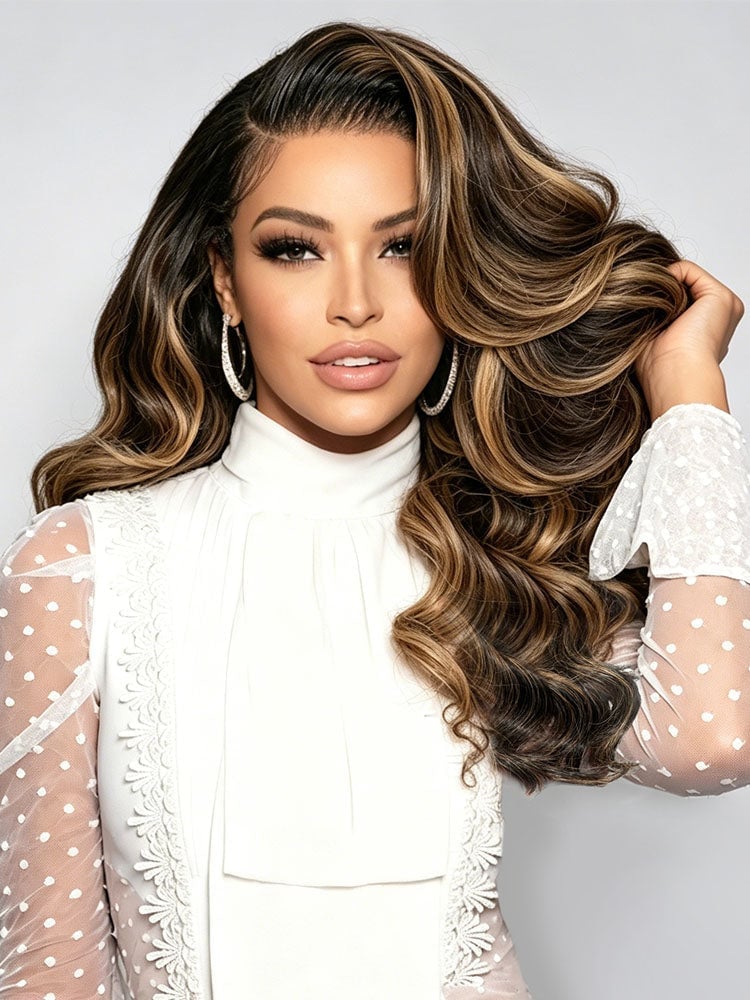
Without bangs, the eye goes straight to the highlight placement and the shape of the outline. This version keeps the layers soft at the front to frame the face without a hard line, making it a lower-maintenance alternative to a style with a heavy fringe. Ask your stylist for: mid-back layered cut, dark brown with blonde highlights, side part. The blonde pieces need a color-depositing conditioner every few washes to stay cool rather than brassy, and the ends should be trimmed every six to eight weeks to keep the layers from looking stringy.
Warm Brown Mid-Back Layers With Subtle Highlights
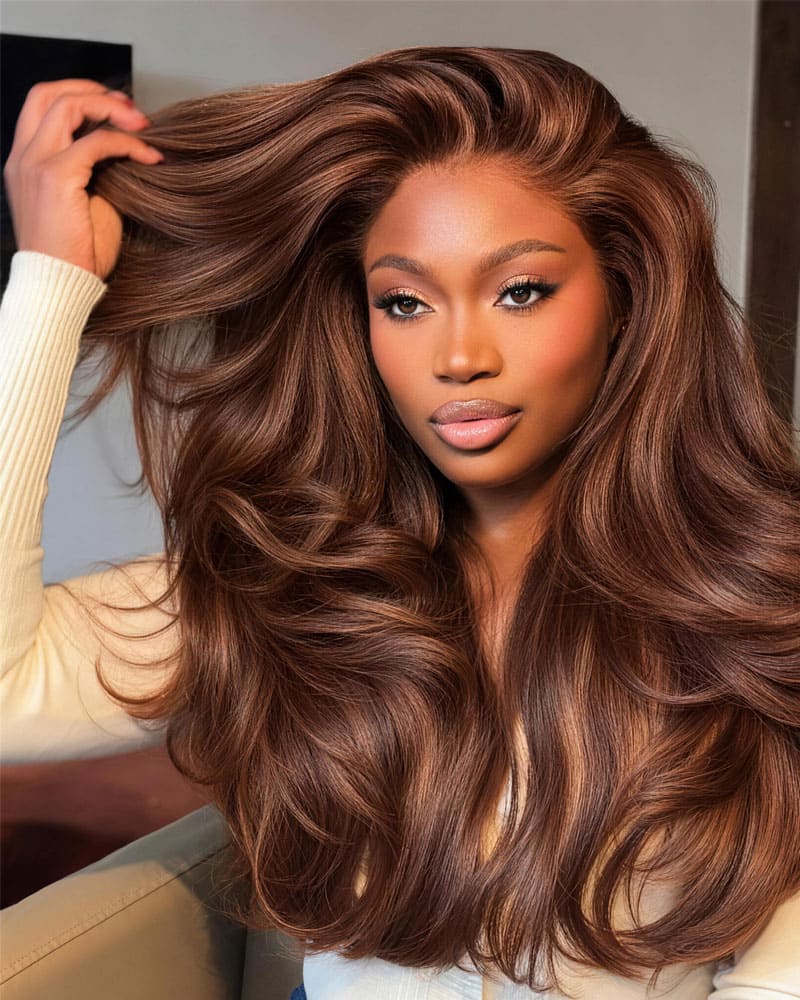
The long layers here are cut to stack more volume at the crown than at the perimeter, so the hair swings instead of sitting flat. That shape works best on thick, wavy textures that can support the lift without product. Ask your stylist for: mid-back layered cut, warm brown with subtle highlights, side part. This cut shows every day you skip the blow-dry. The side part creates a natural volume peak, but if you air-dry, the layers tend to separate unevenly at the ends, and a smoothing serum becomes essential for keeping the surface calm.
Dark Brown Mid-Back With Blonde Highlights And Middle, Close-Up Take
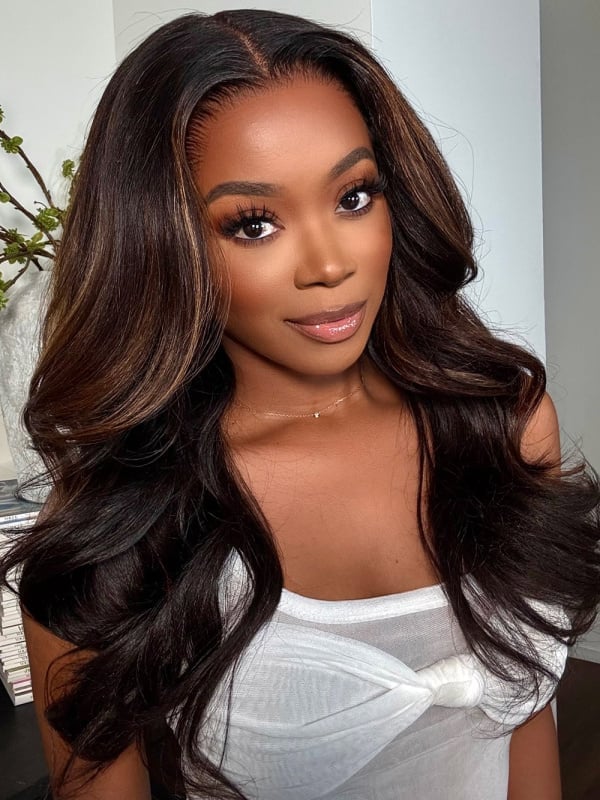
How do you ask for face-framing layers that don’t read as a full curtain? Point to the shortest piece at your cheekbone and say you want the layers to start there, not at the ear. The middle part and mid-back length keep this shape versatile for both straight and wavy finishes. Ask your stylist for: mid-back layered cut, dark brown with blonde highlights, middle part. To help the stylist see the proportion you want, bring a photo where the layers are visible in front view:
- Specify the shortest layer hits at cheekbone level.
- Confirm the longest layer stays at mid-back.
A lightweight product on the mid-lengths defines the wave without weighing the highlights down.
Brown Balayage Mid-Back With Face-Framing Layers
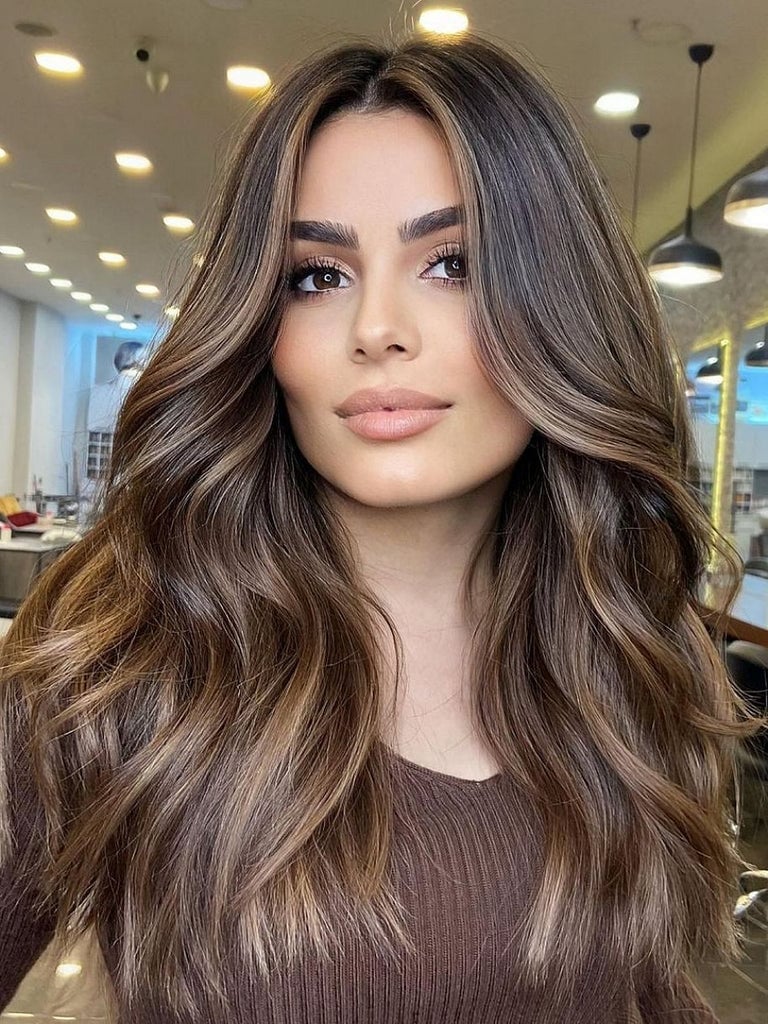
The genius of this cut is that the face-framing layers start subtly, then graduate into the longer mid-back length, so the balayage has room to breathe. It suits anyone with thick, wavy hair who wants color that grows out gracefully. Ask your stylist for: mid-back layered cut, brown balayage, face-framing layers. A round brush and a blow-dryer are enough to coax the waves into place, and a trim every eight weeks keeps the layers from collapsing into a single shape. This haircut transitions easily from a backyard barbecue to a Tuesday meeting.
Medium Brown Mid-Back With Blonde Highlights
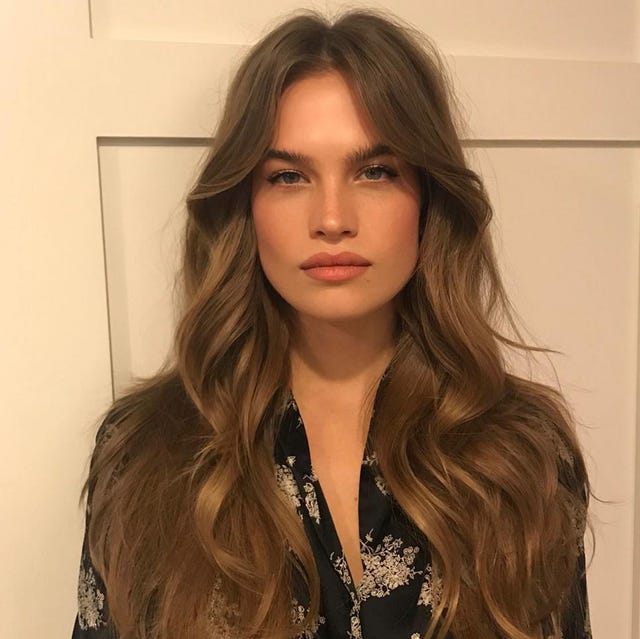
Blonde highlights against medium brown create deliberate contrast, not a sun-struck accident, and that is the whole point of this mid-back length. The layers are cut to stack gently, so the color lands on different planes and the waves catch it from every angle. Ask your stylist for: mid-back layered cut, medium brown with blonde highlights, middle part. Doing this at home with a box dye and a pair of shears is a recipe for regret; the highlights need a foil or balayage technique and the layers need a professional hand to avoid a choppy mess. A toning appointment every six to eight weeks keeps the blonde from pulling too warm, and a trim every eight weeks maintains the shape.
Mid-Back Black Butterfly Layers With Curtain Bangs
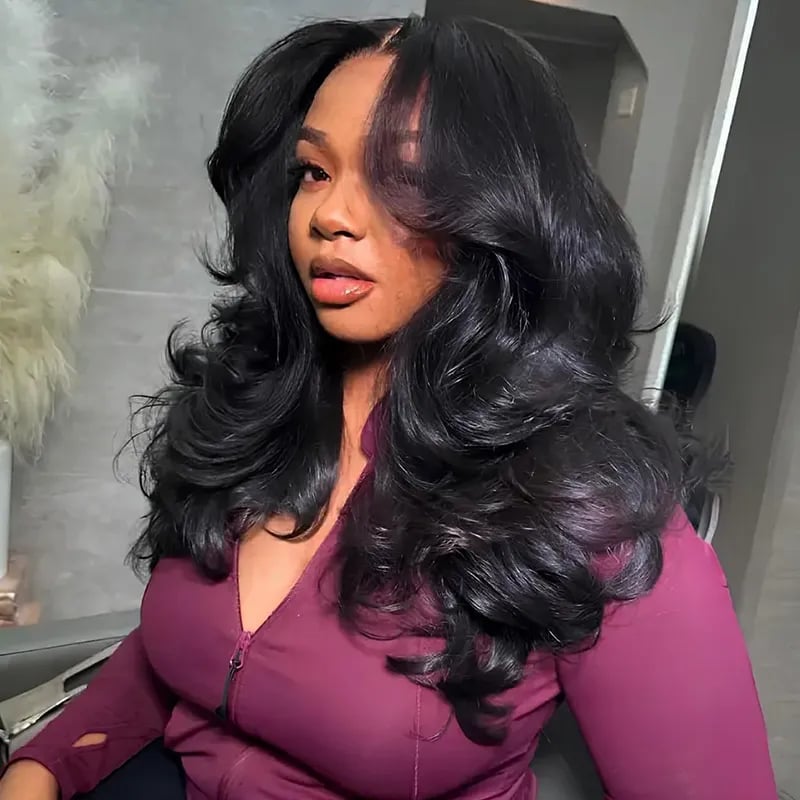
The most common mistake with butterfly layers is letting the volume flatten into a single heavy sheet, which defeats the whole point of the cut. This version keeps the body waves long and loose to the mid-back, with curtain bangs that swing away from a middle parting, so the lightness is built in, not added later. Ask your stylist for: mid-back butterfly layered cut with curtain bangs. Blow-dry the curtain bangs with a round brush, directing them outward, and use a volumizing mousse at the roots before drying. A trim every six to eight weeks prevents the shortest butterfly pieces from looking disconnected rather than intentional.
Mid-Back Dark Brown With Highlights And Loose Waves
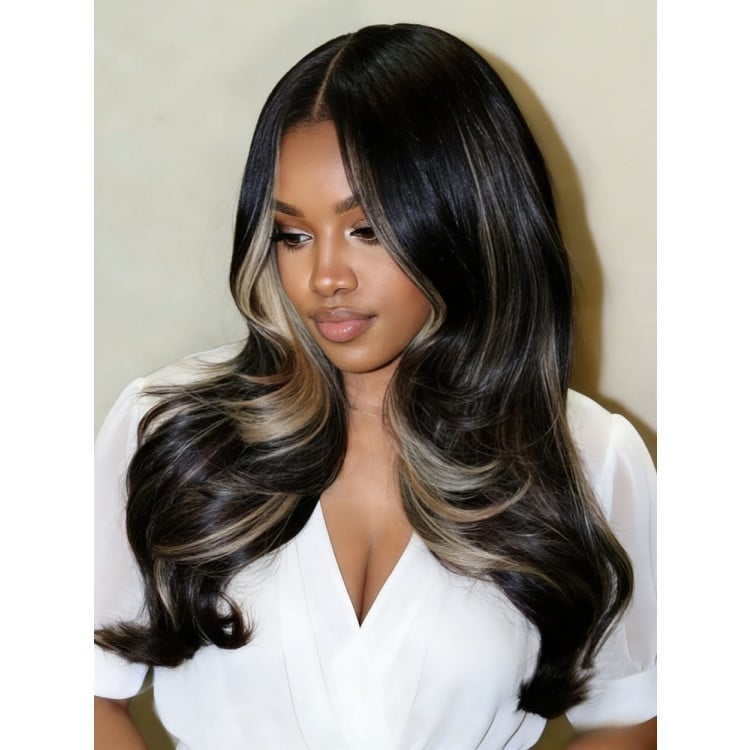
The dark brown base means regrowth shows faster, so the trade-off is a toning appointment every six weeks versus the balayage that lets you stretch to ten. Ask your stylist for: mid-back layered cut, dark brown with blonde highlights, loose waves. Who should skip it? Anyone who does not want to schedule a color refresh more often than a haircut. A shine serum on the ends keeps the glossy finish that makes the contrast work without looking brassy.
Mid-Back Black Layers With Curtain Bangs And Side Part, Wavy
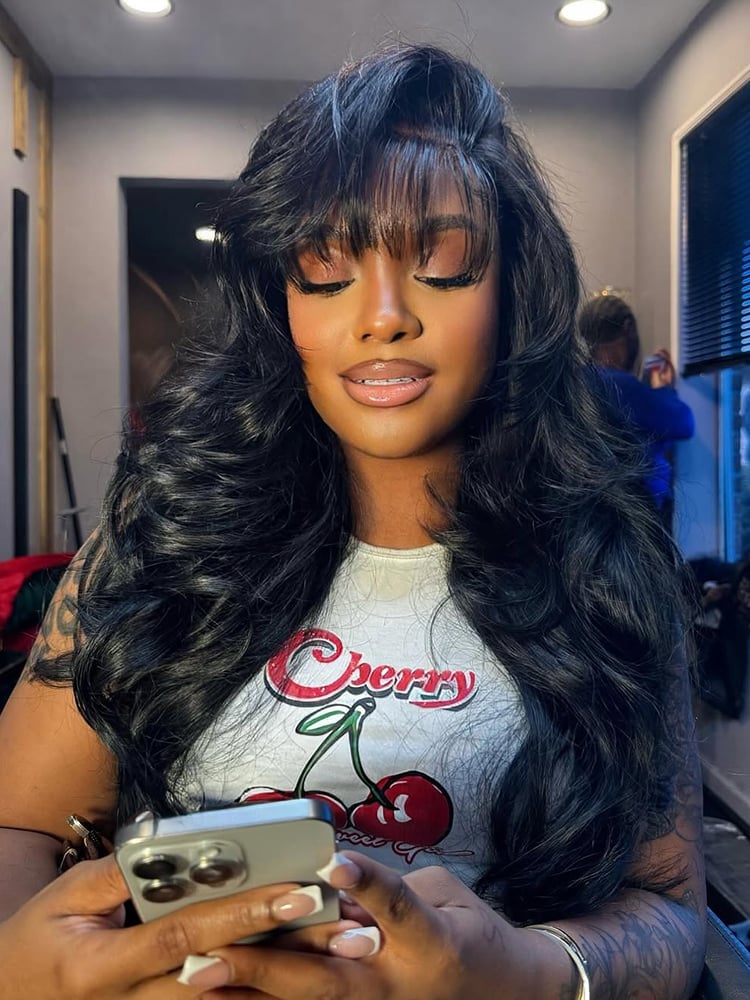
Does a side part work with curtain bangs, or is that a middle-part-only situation? It works, provided the bangs are cut to open from the side. This mid-back length uses a side part and soft curtain bangs that keep the black color from reading as one flat block. Ask your stylist for: mid-back layered cut with curtain bangs, side part. It suits medium to thick hair best; finer textures may find the layers disappear into the density. Blow-dry the bangs with a round brush, angling them toward the side part, and trim every six to eight weeks.
Mid-Back Dark Brown Burgundy Layers With Loose Waves, Everyday Version
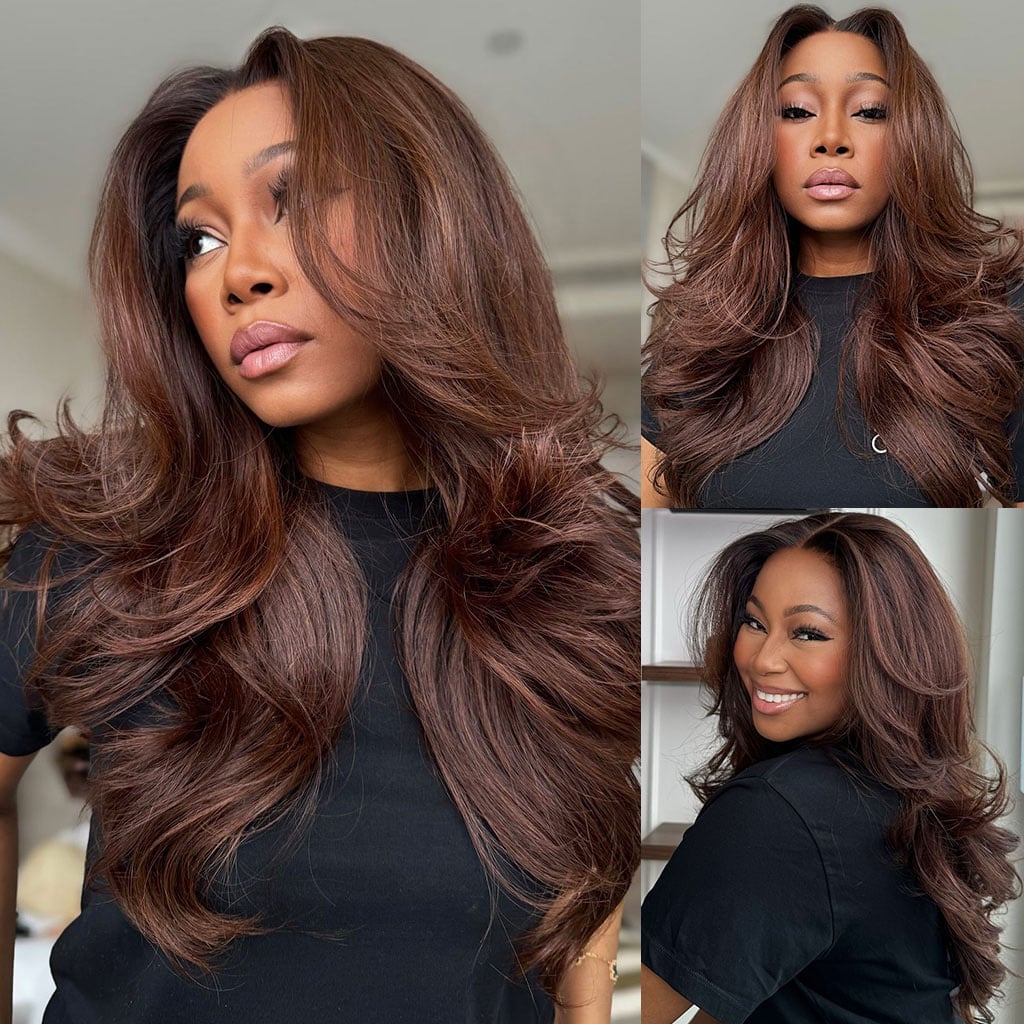
A layered cut on mid-back length hair uses a technique that carves out weight without sacrificing density. The cutting method removes bulk from the interior while keeping the perimeter full, so thick wavy hair holds its body and doesn’t collapse into a triangle. The dark brown and burgundy blend adds dimension that makes the layers read clearly, even in low light.
This approach works best on hair that already has some wave, since the cut relies on natural movement rather than styling to show its shape. Ask your stylist for: mid-back layered cut, dark brown and burgundy blend, loose waves. A trim every six to eight weeks keeps the layer lines from turning into one solid curtain.
Mid-Back Dark Burgundy Layers With Loose Waves and Glossy Finish
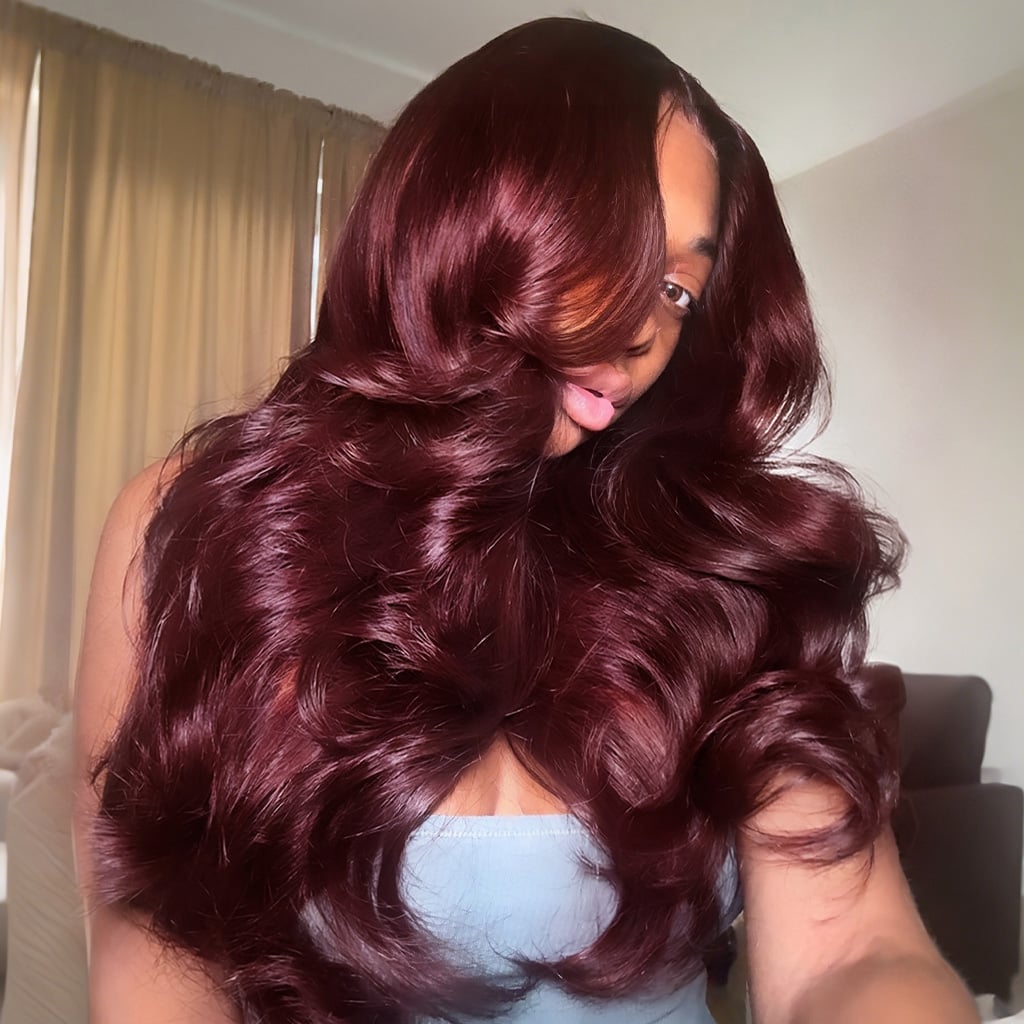
A rich dark burgundy on mid-back layered hair makes the color the first thing you notice, but the gloss is what sells it. Loose waves catch light across the surface, and the middle part lets the color read evenly from root to end. That vibrancy fades faster than browns do, so a color-depositing conditioner every other wash keeps the red from drifting toward rusty. Ask your colorist for: mid-back layered cut, dark burgundy, loose waves. Plan a toning appointment every four to six weeks to hold the shine.
Shoulder Length Black Layers With Sharp Lines
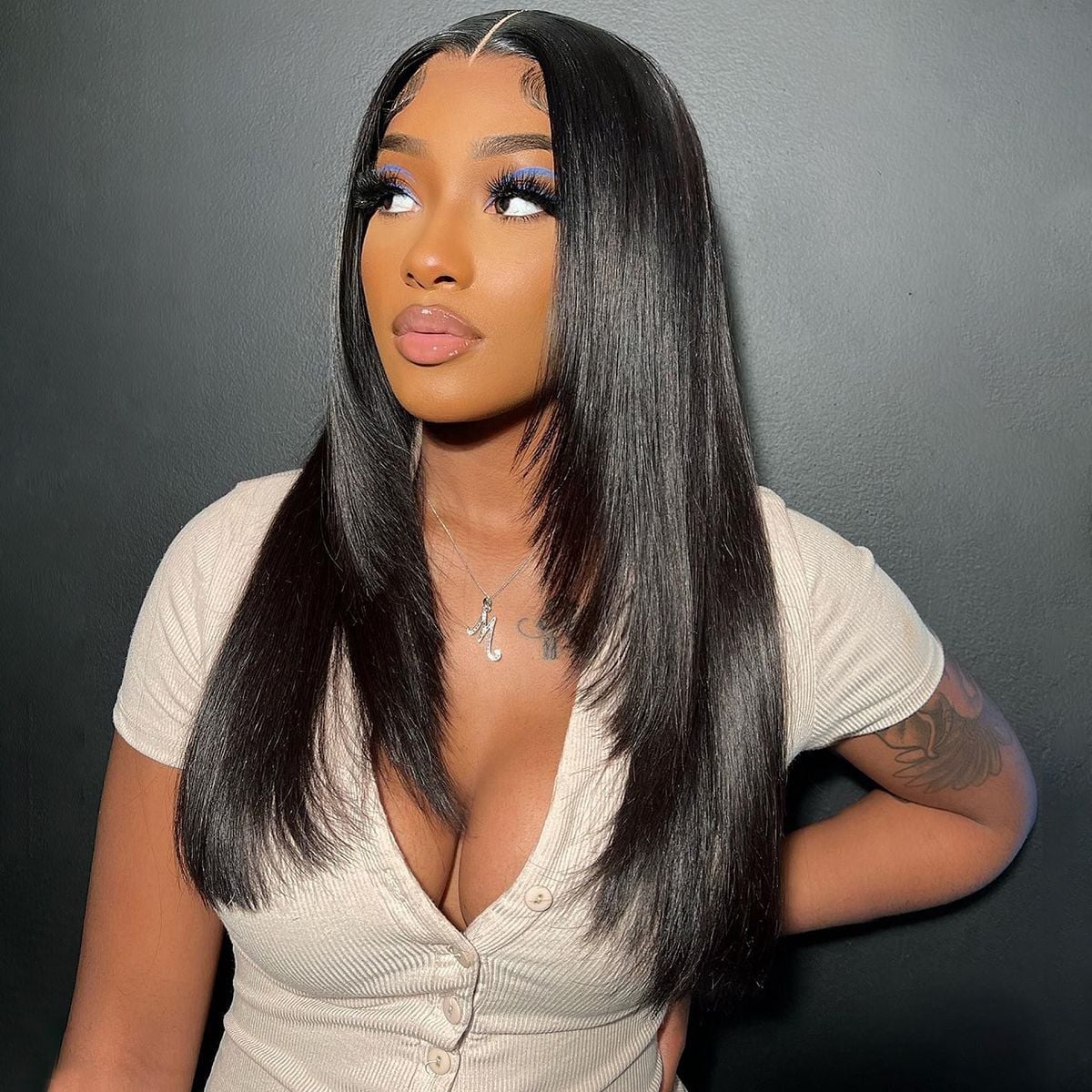
A shoulder-length cut with sharp, distinct layers is a different animal than the soft, blended kind. Where blended layers melt into each other, these hold their own edge, creating clean geometric lines that sit like stacked shelves. The straight, thick texture is essential here; finer hair lacks the density to support the visible separation between each tier. Ask your stylist for: shoulder length layered cut with sharp lines, middle part. This is the cut you choose when you want people to see the construction, not wonder if you just got it trimmed.
Shoulder Length Black Wavy Layers With Side Part
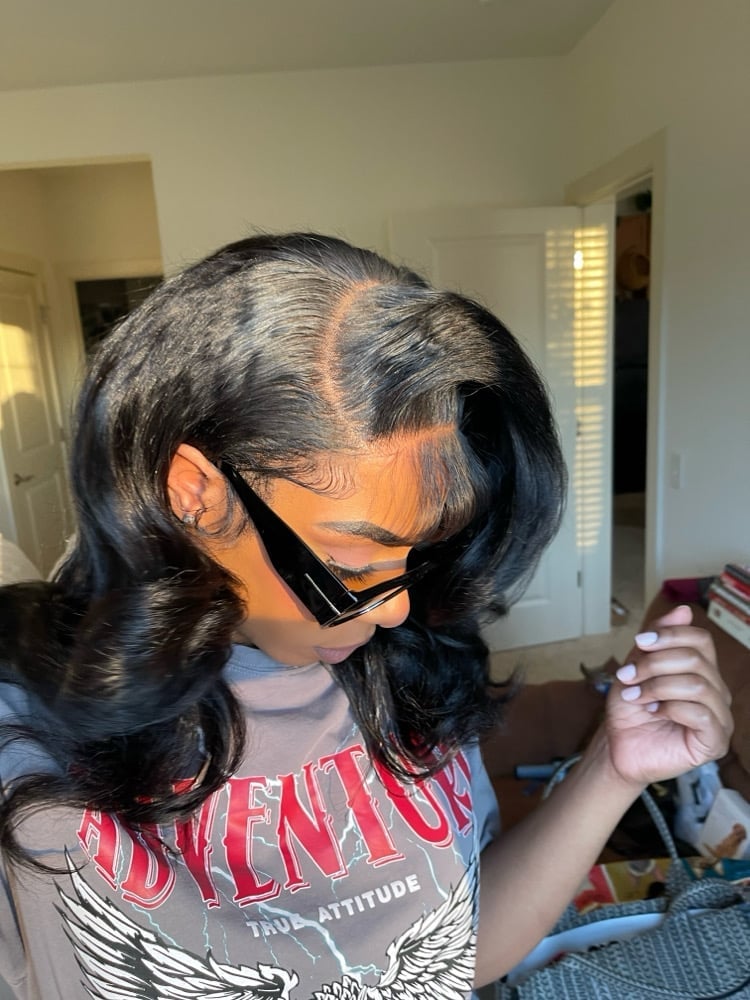
Can thick, wavy hair at shoulder length actually look soft instead of bulky? Yes, when the layers are cut to soften the outline without removing weight from the body. A side part helps distribute volume so the wave falls forward on one side and stays anchored on the other, which keeps the shape from mushrooming out. This cut favors hair that has enough density to hold a wave but not so much that the layers get lost in the thickness. Ask your stylist for: shoulder length layered cut, soft face framing, side part. For finer textures, the layers can look wispy instead of voluminous, so consider this one if your hair has body to spare.
Shoulder Length Ombre Brown Butterfly Layers With Curtain Bangs
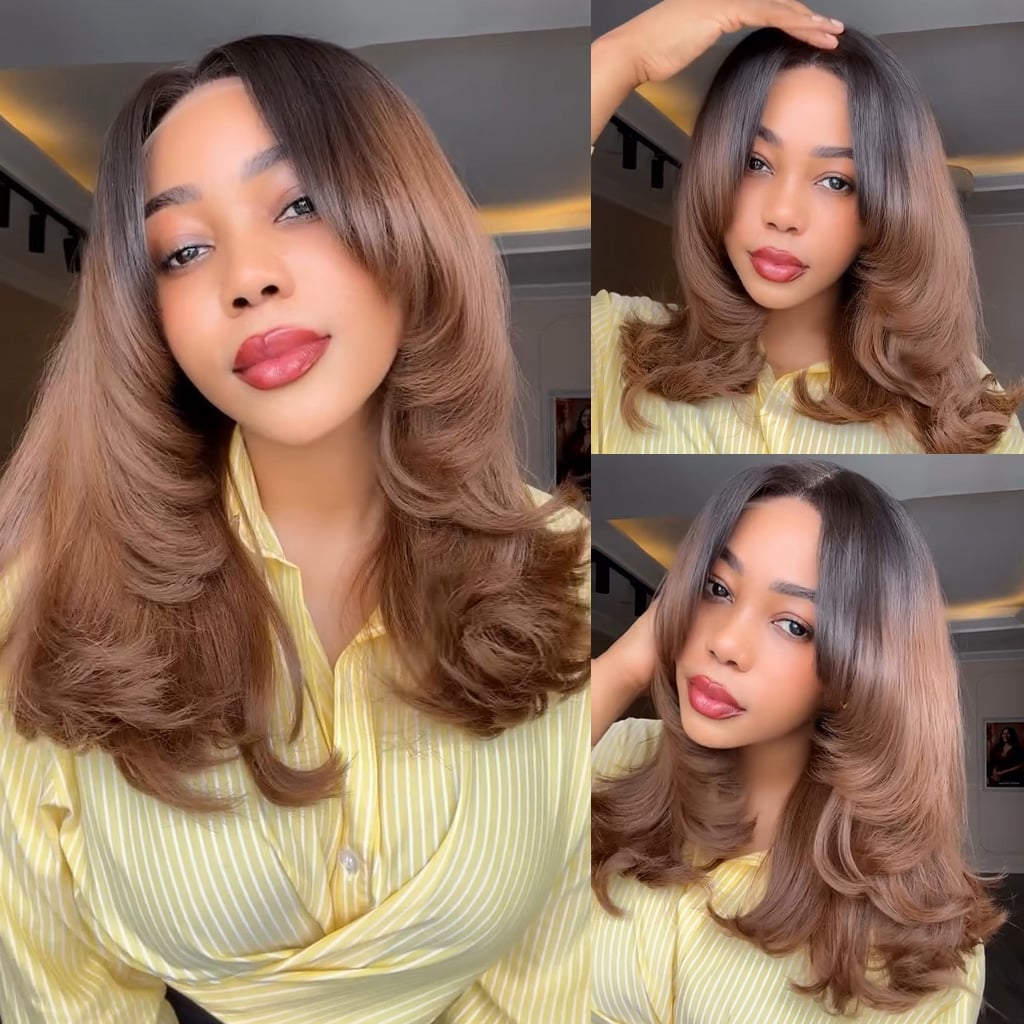
Butterfly layers on shoulder length hair create a shape where the shortest pieces fall around the jaw and the longest skim the shoulders, giving the whole cut a flared silhouette. The curtain bangs connect into those short layers, which eliminates the awkward gap that sometimes appears between fringe and body. The ombre brown transition from darker roots to lighter ends makes the layer movement visible even when the hair is still. Ask your stylist for: shoulder length butterfly layered cut with curtain bangs, ombre brown. This is a good pick for a dinner event or a night out, since the cut already looks styled without much effort.
Collarbone Length Chestnut Brown Layers With Face-Framing
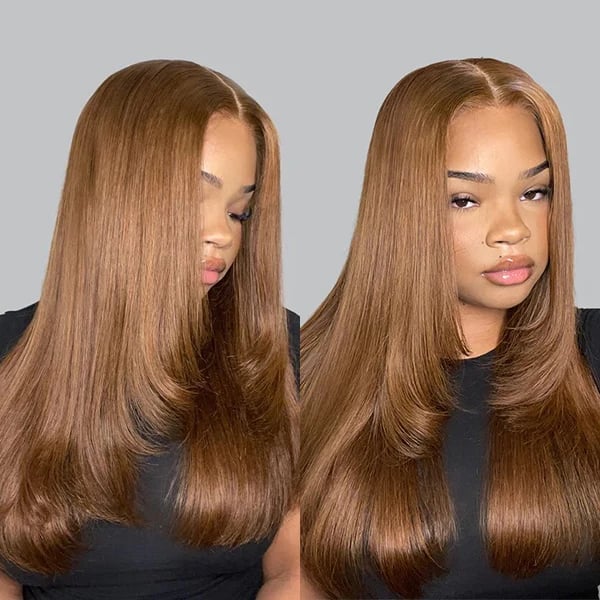
A collarbone length cut in chestnut brown with face-framing layers looks clean and precise in a smooth blowout. The catch is that fine, straight hair tends to show every gap between layers, so the cut can appear sparse if the layers are cut too aggressively. Ask your stylist for a collarbone length layered cut with soft face-framing layers. A light hold hairspray keeps the shape intact, but plan on a trim every six to eight weeks to prevent the layers from losing their structure.
Collarbone Length Black Layers With Face-Framing Strands
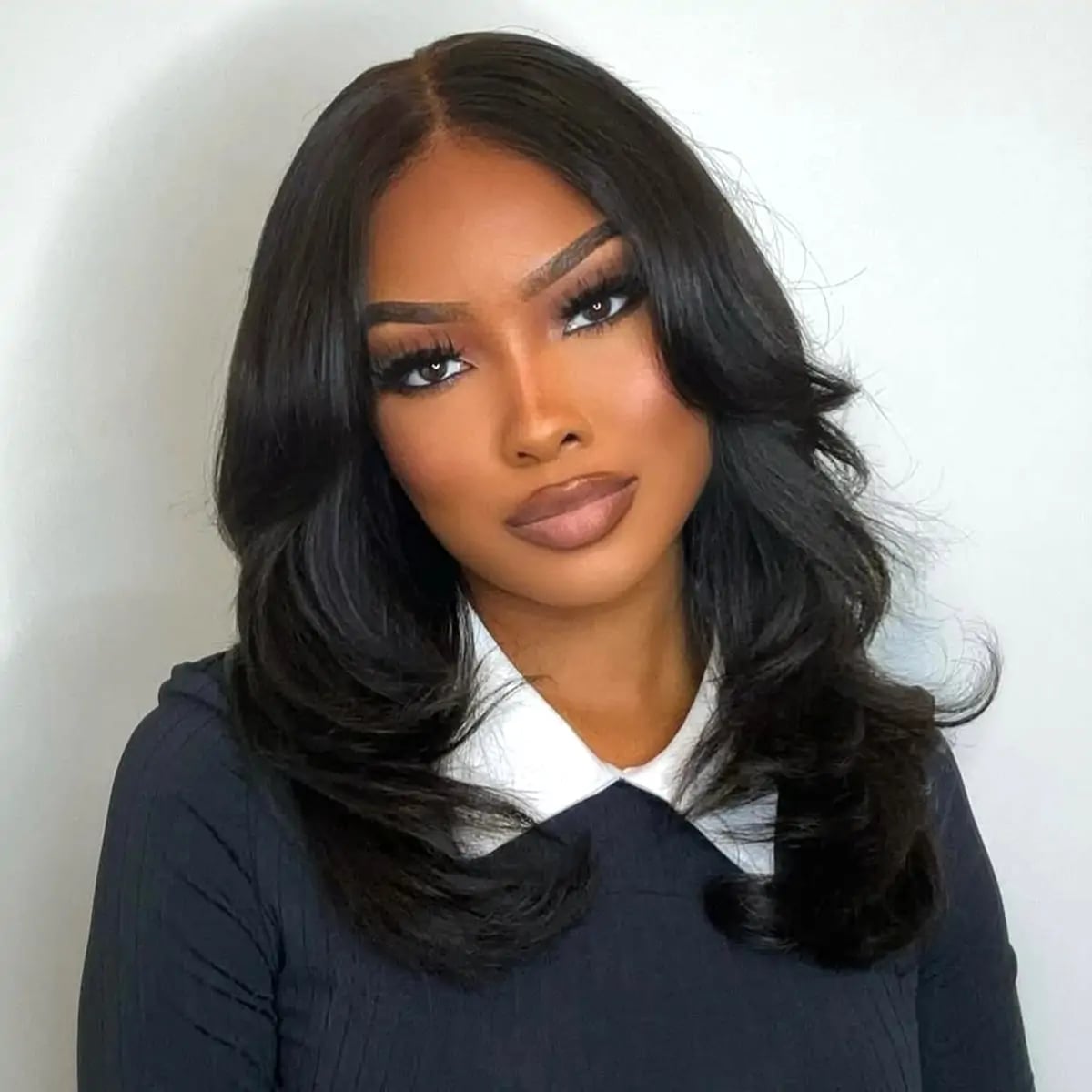
Face-framing layers on thick, wavy hair should blend into the cut. A common mistake is cutting them too short, which leaves a disconnected chunk that fights the volume. The better approach: keep the shortest face-framing strand at the collarbone line so the layers blend into the body of the cut as integrated pieces.
This version uses a voluminous blowout to let the black base color carry the weight. Ask your stylist for a collarbone length layered cut with soft face-framing strands. The wavy texture does the blending work for you, but the real test is whether the shortest layer looks like it belongs, if it doesn’t, the stylist went too short.
Collarbone Dark Brown With Lighter Pieces And Curtain Bangs
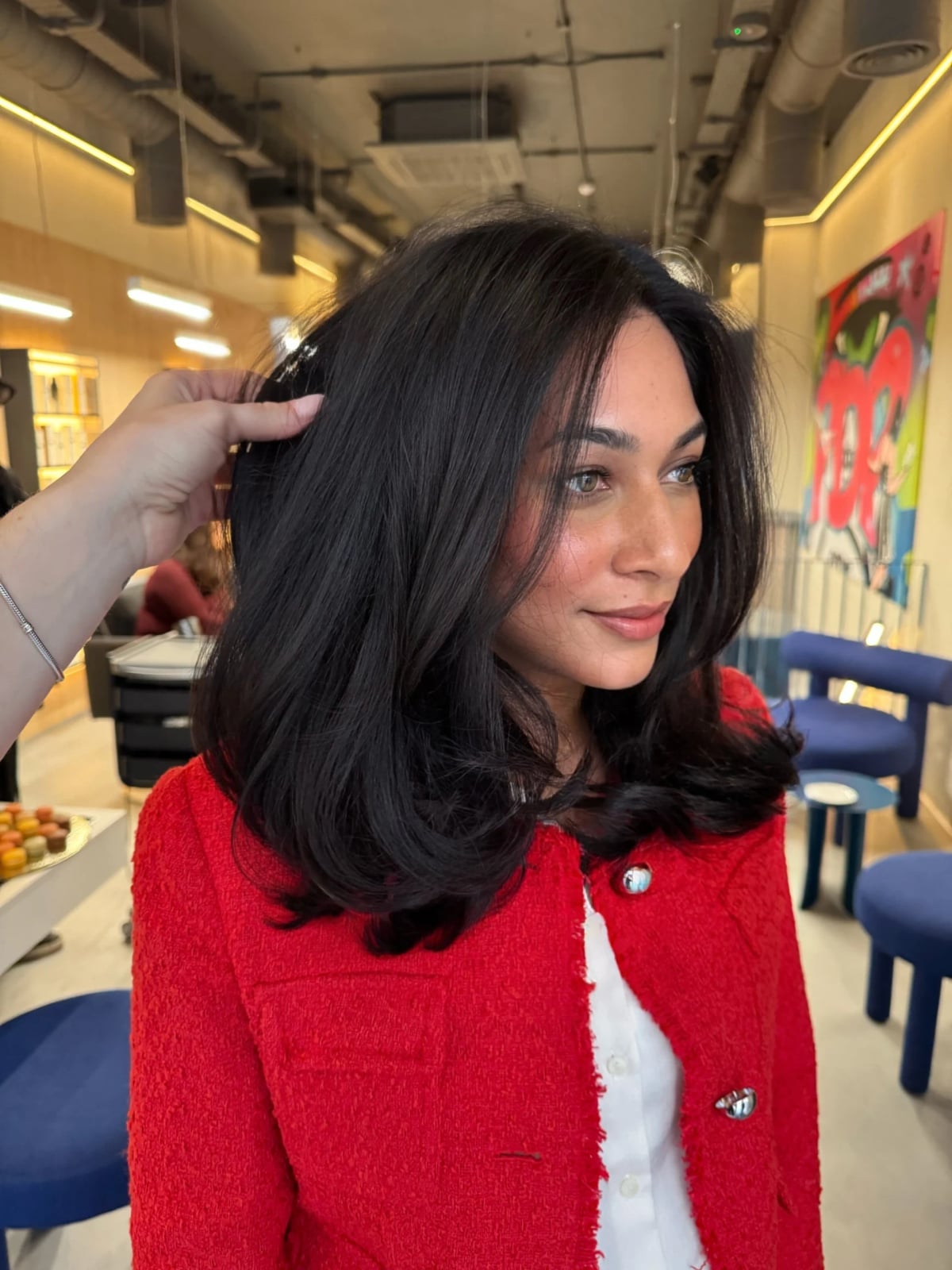
A collarbone-length dark brown base with subtle lighter pieces relies on how the face-framing layers and curtain bangs interact. The lighter strands are placed to catch light around the cheekbones, but they only work if the layers are cut to land at the same point as the bangs’ longest edge. A side part pushes the curtain bangs to one side, which softens the transition from the bangs into the longer layers.
Blow-dry the curtain bangs away from the face with a medium round brush to set the bend. Ask your stylist for a collarbone length layered cut with curtain bangs and a side part. The trim rhythm sits at every six to eight weeks, mostly because the bangs will creep past the collarbone and lose their intended shape.
Collarbone Black Layers With Wispy Bangs And Voluminous Waves
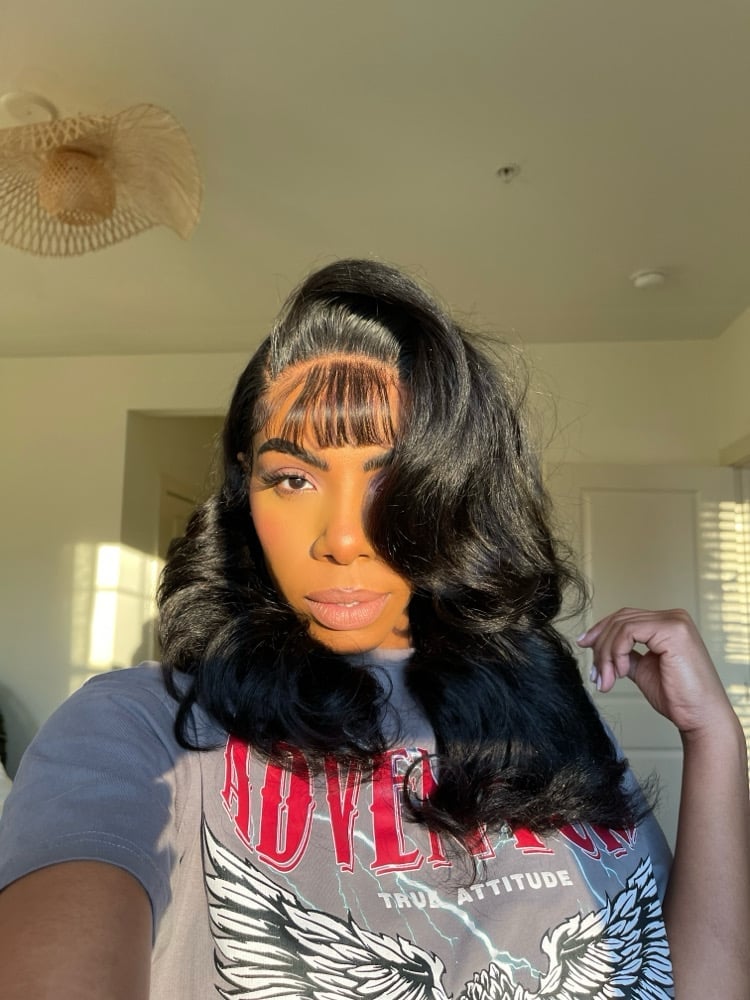
Voluminous layers and wispy bangs on thick black hair create a lot of visual mass, which is the whole point, until humidity hits. The wavy texture holds the volume well in dry weather, but in damp conditions the waves can expand into frizz faster than a straight style would. The wispy bangs help by breaking up the density at the hairline, so the shape does not look like a solid block. Ask your stylist for a collarbone length layered cut with wispy bangs and a side part. A texturizing spray gives the waves definition, but this cut requires a blowout to keep the shape polished, not slept-on.
Collarbone Black Layers With Side Swept Bangs
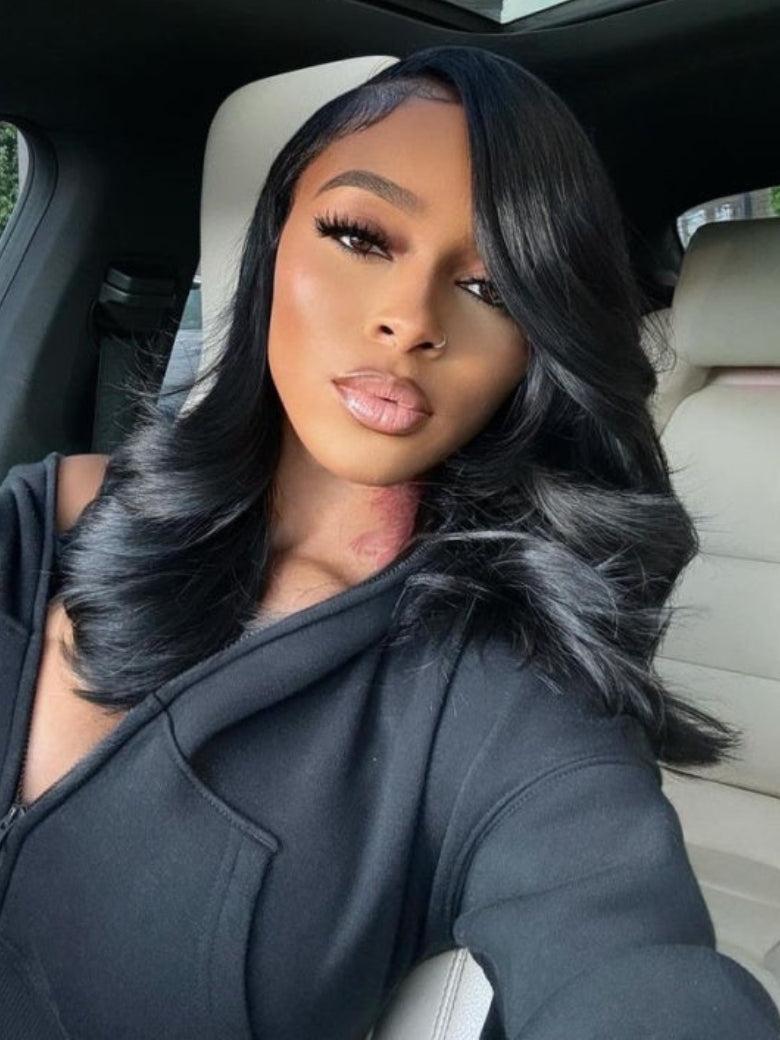
A collarbone layered cut with side-swept bangs and voluminous waves versus a sleeker, straight version: the wavy take wins on movement but loses on polish. The side-swept bangs need heat styling to hold their arc away from the face, which takes about ten minutes with a large barrel curling iron for the ends. A straight version would skip the curling step entirely but would also flatten the feathered layers that give this cut its shape. Ask your stylist for a collarbone length layered cut with side swept bangs and a side part. This is a salon cut through and through. The layering requires trained hands to avoid uneven chunks, and the bangs demand precise angle work.
Collarbone Rooted Chocolate With Highlights And Side Part
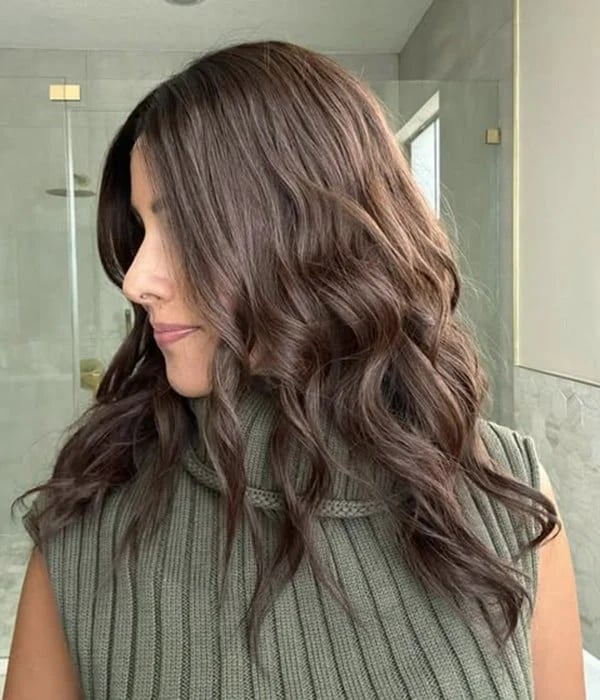
Rooted color has a way of making highlights look like they grew there, not like you sat under heat for three hours. This collarbone-length wig uses a warm chocolate base with lighter brown pieces woven through, and the side part lets the layers fall naturally rather than sitting flat.
It works best on medium-density hair with natural wave, since the texture gives the highlights something to catch on. Ask your stylist for: collarbone length layered cut, rooted warm chocolate with highlights, side part. Use a sulfate-free shampoo to keep the brown from turning brassy, and plan for a trim every six to eight weeks to stop the ends from feeling thin.
Collarbone Black To Burgundy Ombre With Loose Waves
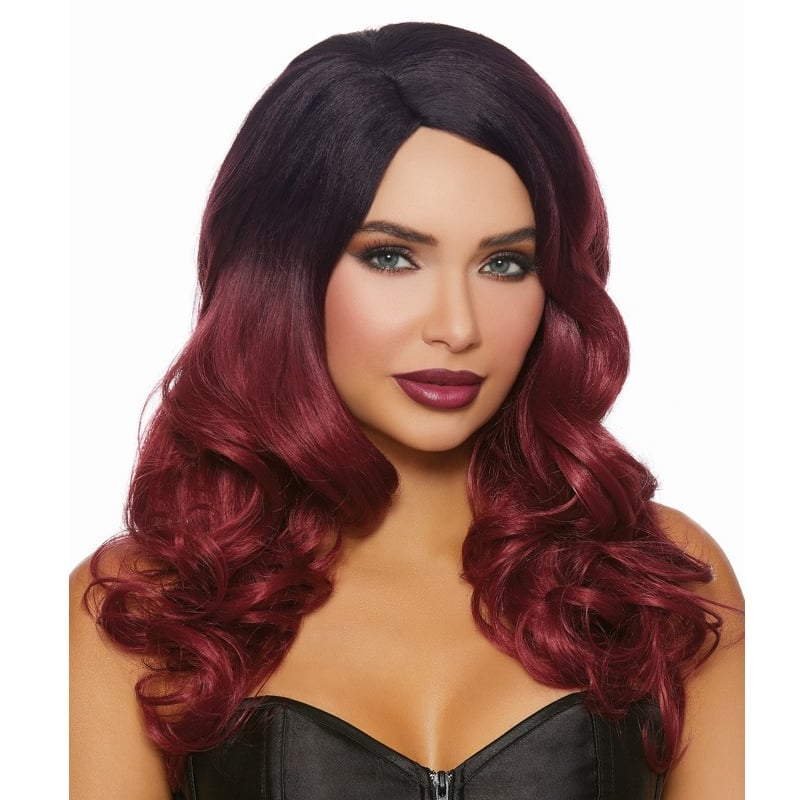
The ombre here starts black at the roots and shifts to a rich burgundy at the ends, which makes the collarbone-length layers look longer than they are. A middle part and loose waves show off the transition. The honest trade-off: the color line can develop a visible band after a few washes, especially if the burgundy starts to fade faster than the black. It is a fair look for thick, wavy hair that can hold the wave pattern, but anyone who hates a regrowth line should skip it.
Collarbone Black Layers With Outward Curling Ends
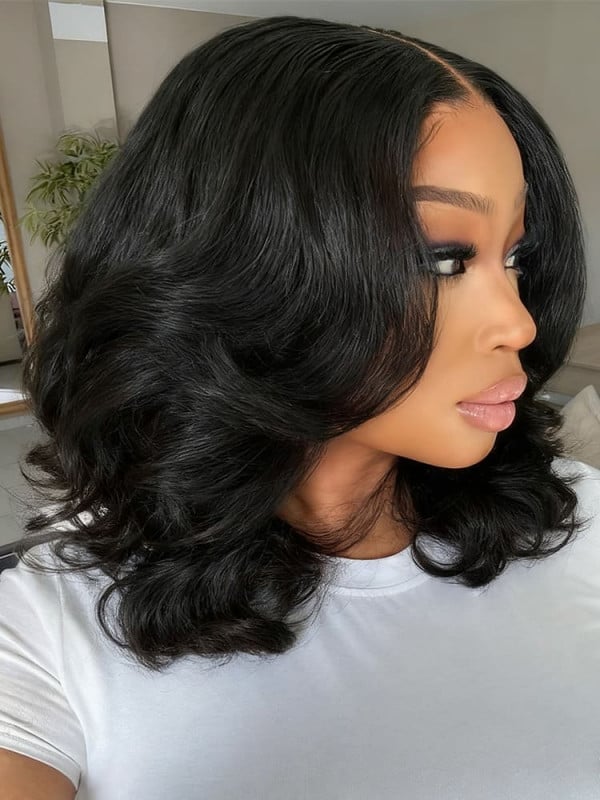
How do you get that rounded, almost doll-like silhouette without looking dated? The answer is in the outward curl at the ends, not the length. This collarbone-length layered cut parts down the middle and uses face-framing layers that curl away from the jaw, creating a soft oval shape. Ask your stylist for: collarbone length layered cut with outward curling ends, middle part. To style it at home, start with damp hair and a heat protectant, then use a round brush to aim the ends away from your face as you dry. Finish with a light hold hairspray so the curl stays without getting stiff.
Collarbone Salt And Pepper Layers With Full Fringe
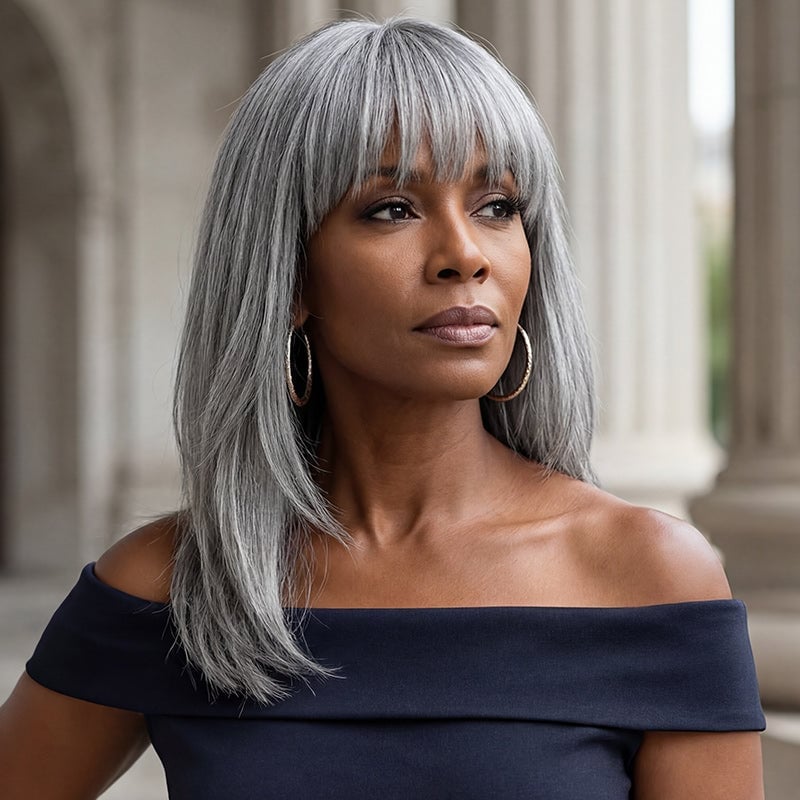
A full fringe on fine, straight hair can look thin if the density is not there, but this salt and pepper version makes it work by keeping the bangs blunt and the collarbone-length layers soft. The straight texture and middle part let the gray and white strands appear natural. This cut suits someone with a long face who wants to shorten the visual line without losing length in the back. The fine texture here is an advantage: it lays flat without puffing, which is exactly what a full fringe needs to stay neat.
Ask your stylist for: collarbone length layered cut with full fringe, salt and pepper. A flat iron across the bangs for thirty seconds each morning keeps them sharp, and you will need a trim every four to six weeks to stop the fringe from creeping into your eyes.
Short Copper Orange Wolf Cut With Choppy Bangs
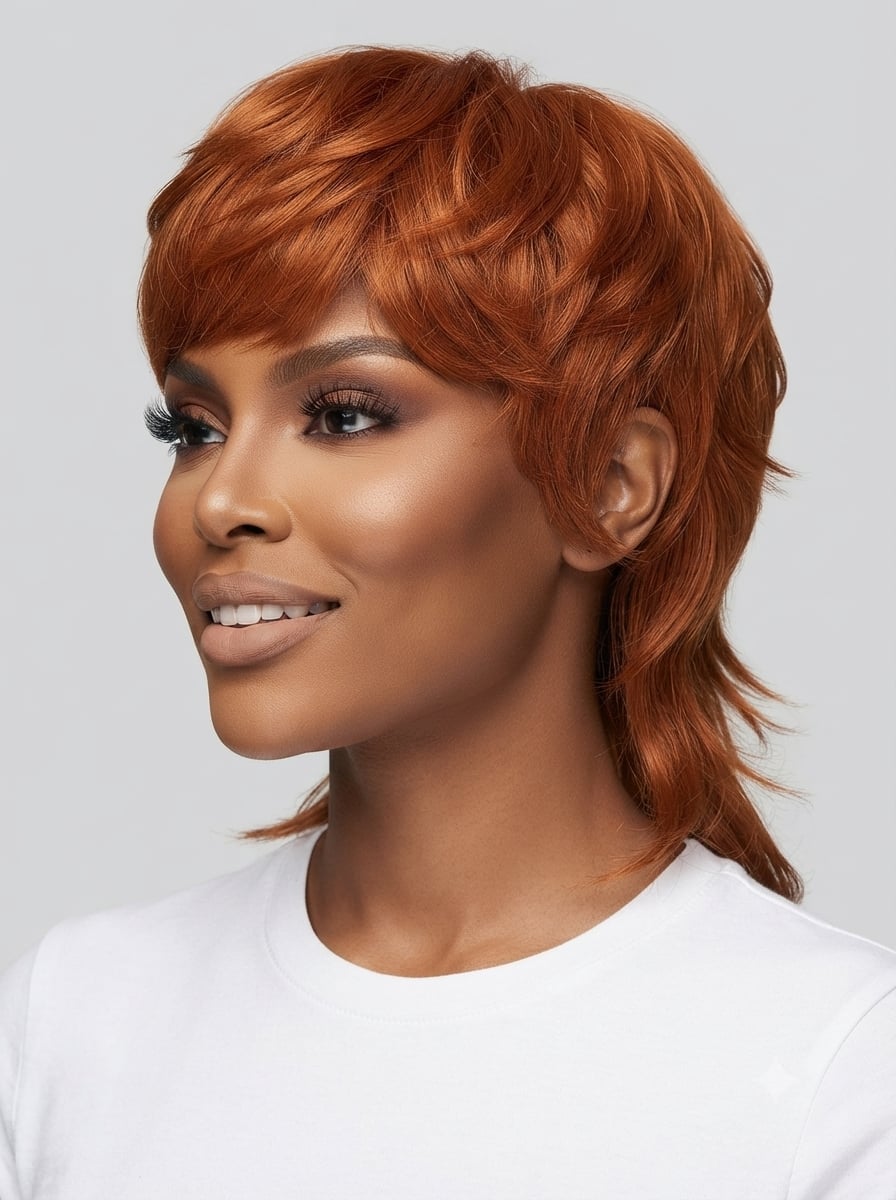
The wolf cut is essentially a shag and a mullet having a very loud disagreement, and this short copper orange version leans hard into the choppy texture. The layers are cut close through the crown and get longer toward the front, with short, jagged bangs that land above the eyebrows. The middle part keeps the volume balanced on both sides. The vibrant copper shade is the point: it works on wavy, thick hair that can hold the tousled shape without collapsing. Ask your stylist for: short wolf cut with choppy bangs, copper orange color. A sea salt spray on damp hair and a rough dry with your fingers is all the styling it needs.
Final Thoughts
For volume that lasts, keep the shortest layer around the cheekbone and let the bottom length fall where it may. Fine hair benefits from one solid baseline under the layers; thick hair can handle more internal texturizing. A layered wig gives you the shape without the salon wait.
- Trim the baseline every 6-8 weeks for blunt cuts, or as needed for layered styles to maintain shape.
- Tone color every 4-6 weeks to refresh vibrancy and combat brassiness.
- Use heat protectant spray before any heat styling.
- Wash wigs every 10-15 wears, or when product build-up is noticeable.
Layered wigs are the canvas for personal style.
