

Honey blonde is a warm, golden hair color that flatters a wide range of complexions, and this year it’s all about lived-in, dimensional takes rather than flat, all-over color. Soft face-framing layers and curtain bangs are the go-to finishing touches, adding movement and a modern, glossy feel.
This collection of 30 Honey Blonde Hair Ideas covers every length, from collarbone lobs to mid-back lengths, and techniques from low-maintenance balayage to brighter, more vibrant highlights. Whether your hair is fine and needs a boost or thick and needs shaping, you’ll find a look that works. It solves the struggle of a visible grow-out line and a fringe that won’t sit.
Long Layered Honey Blonde With Subtle Highlights
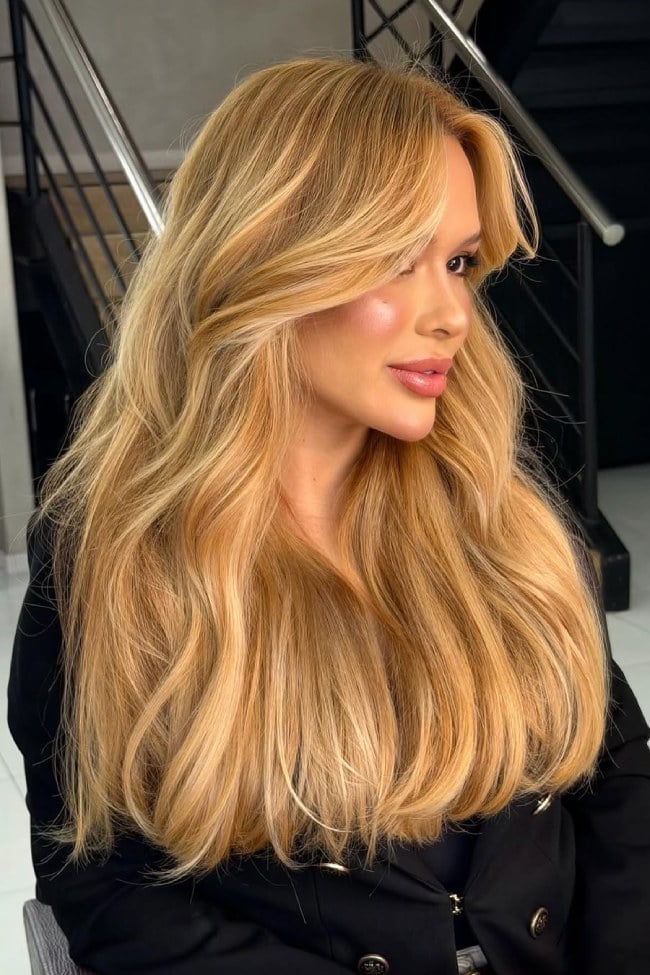
That glossy, expensive-looking honey blonde is no accident. The side-parted long layers are cut to move with loose waves, and the subtle highlights are painted sparingly so the base shade stays rich rather than washed out. This cut suits thick, wavy hair starting at shoulder length or longer, where the weight of the hair helps the layers sit naturally. Oval and long face shapes benefit from the side sweep.
Ask your colorist for: long layers, honey blonde with subtle highlights. Use a large barrel curling iron to shape the waves, then run a wide-tooth comb through them for that undone finish. A trim every six to eight weeks prevents the layers from becoming a shapeless triangle.
Collarbone Lob With Curtain Bangs Honey Blonde
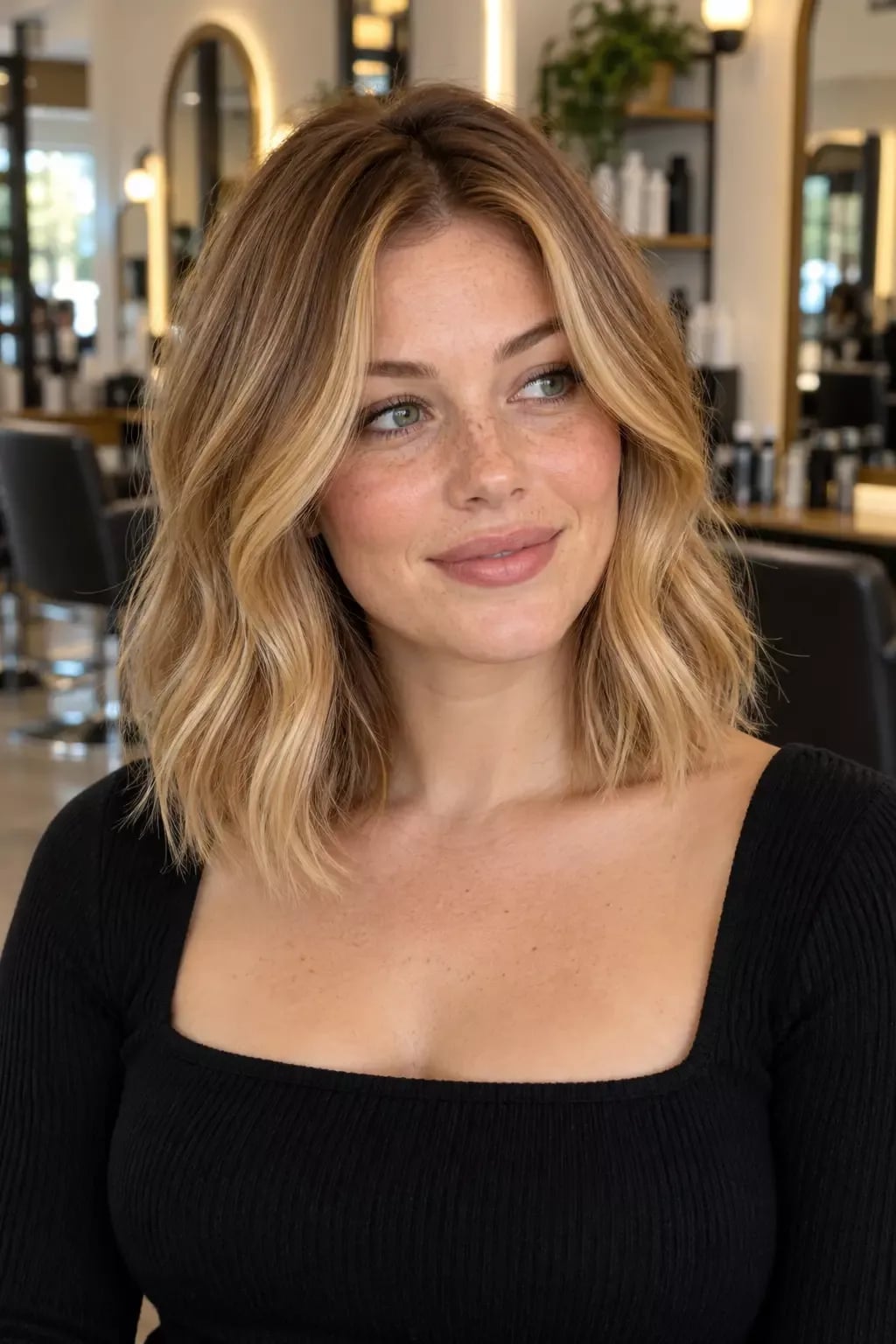
How do you get a lob that doesn’t look like every other lob? Start with the curtain bangs. These are cut to graze the cheekbones and blend into the soft layers, so the whole shape feels intentional rather than accidental. The honey blonde base is lifted with lighter blonde highlights throughout, which adds depth without turning brassy. Medium-density, wavy hair at collarbone length is the sweet spot here; the curtain bangs also soften square and round face shapes. Ask your colorist for: collarbone lob, soft layers, curtain bangs, honey blonde with lighter highlights. Take the photo with you and point to the fringe shape specifically.
Mid-Back Honey Bronde With Golden Highlights
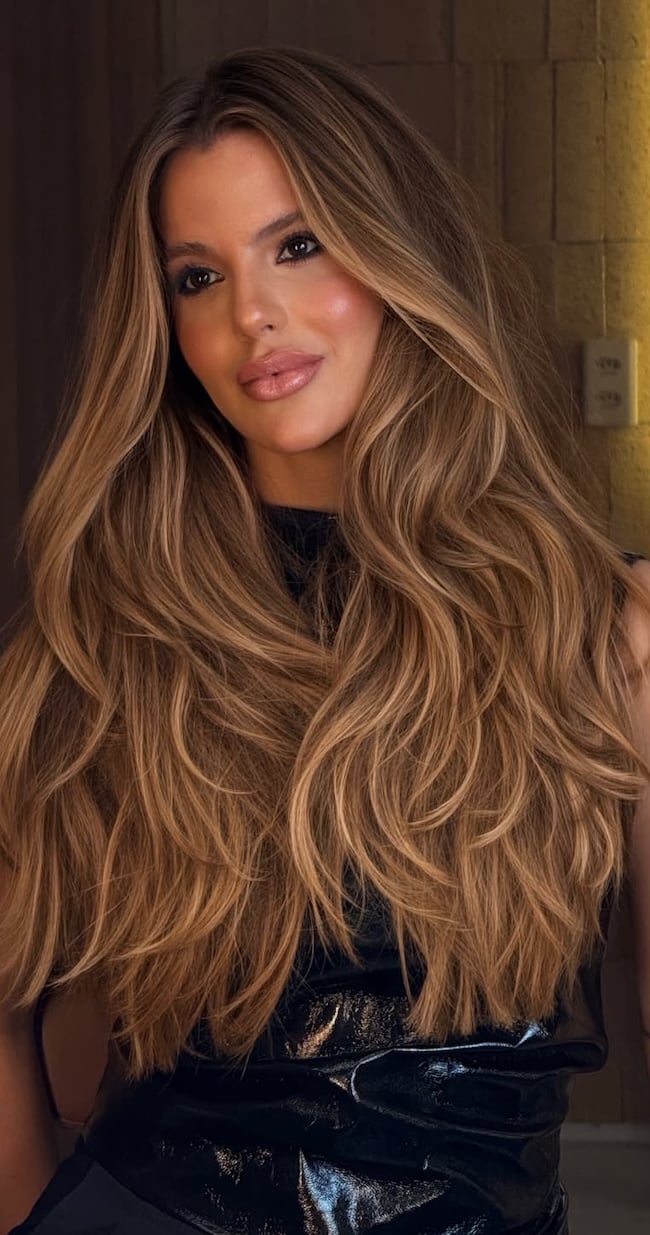
Honey bronde sits somewhere between brown and blonde, and the golden highlights here keep it from veering too cool or too ashy. The side-parted, mid-back length is cut with subtle layers that let thick, wavy hair air-dry without looking shapeless. This is a low-maintenance color strategy: the darker base means regrowth is forgiving, and the highlights are placed to catch light rather than scream for attention.
Ask your colorist for: mid-back length, honey bronde with golden highlights, natural air-dried finish. Apply a sea salt spray to damp hair and scrunch for texture instead of reaching for a blow-dryer. A trim every eight to ten weeks is enough because the lived-in effect works in your favor.
Mid-Back Honey Blonde Balayage With Curtain Bangs
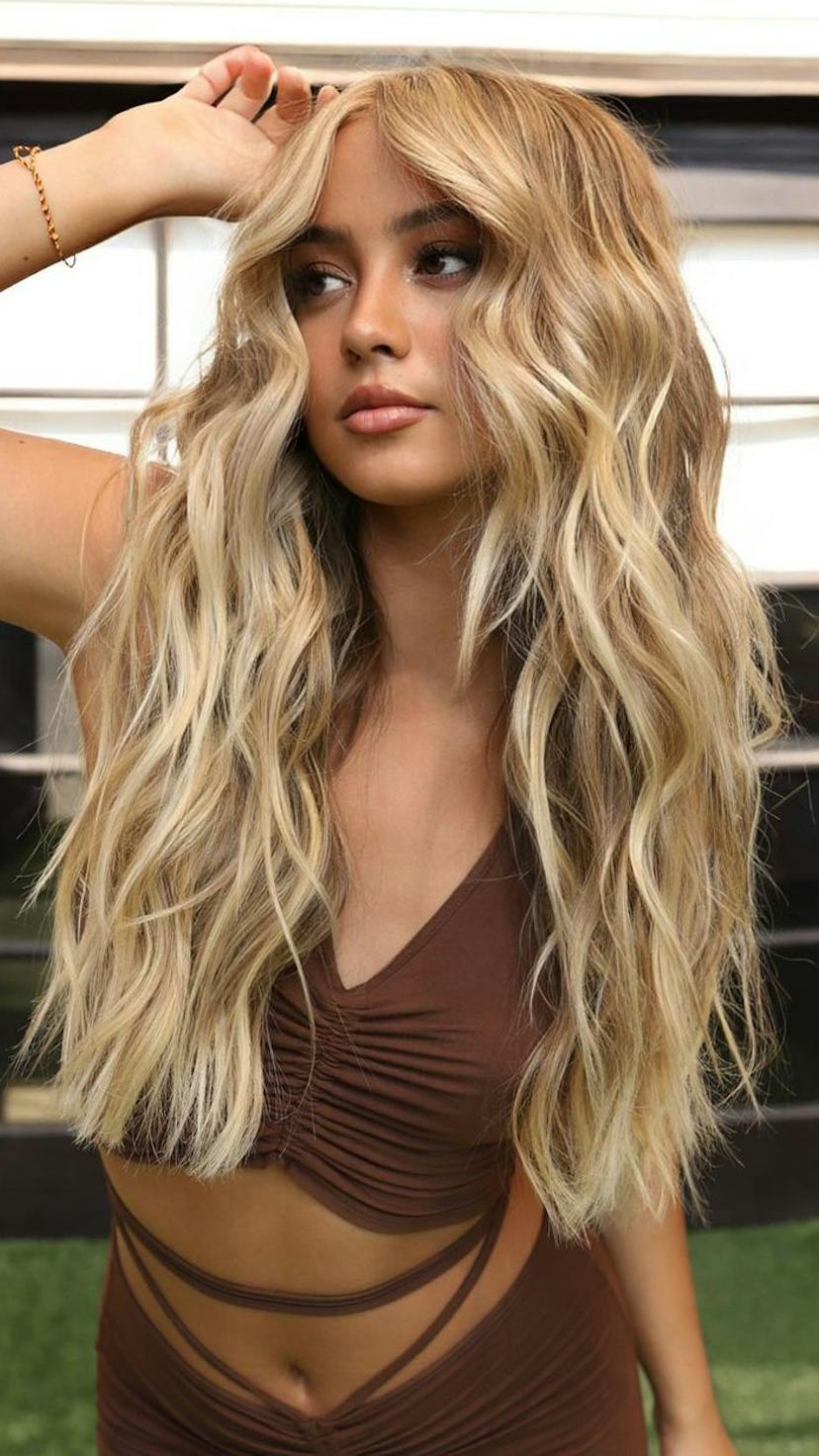
Balayage is painted freehand, so the blonde balayage here graduates from a richer honey base at the roots to lighter pieces around the ends. The curtain bangs catch some of that lighter color, which frames the face without a harsh line. Thick, wavy hair at mid-back length holds the loose waves well, and the middle parting keeps the curtain bangs symmetrical. Oval and heart face shapes benefit from the softness around the cheekbones. Ask your colorist for: mid-back length, long layers, curtain bangs, honey blonde balayage. Use a large barrel wand to curl sections away from the face for that blended wave pattern.
Mid-Back Honey Blonde Balayage Dimensional
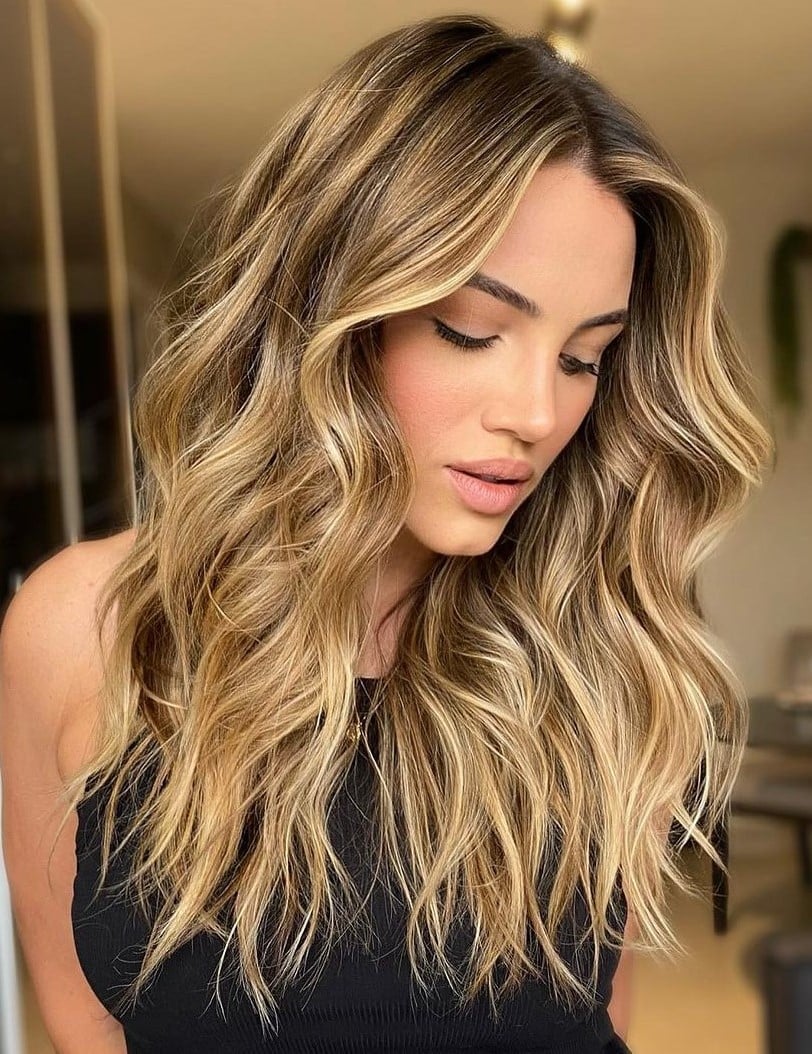
The dimensional effect here comes from painting multiple shades of honey blonde balayage across the hair. Lighter pieces sit alongside deeper ones, so the hair looks fuller and more textured even when it’s not moving. The soft curtain bangs and middle parting break up the length, which helps angular jawlines feel less severe. Thick, wavy hair at mid-back length is the ideal canvas because the texture catches the color shifts. Ask your colorist for: mid-back length, honey blonde balayage, dimensional highlights, soft curtain bangs. This is a salon-only project that typically takes about three hours. The multiple tones mean a toner appointment every six to eight weeks to keep the honey from going muddy.
Long Glossy Honey Blonde With Face-Framing Bangs
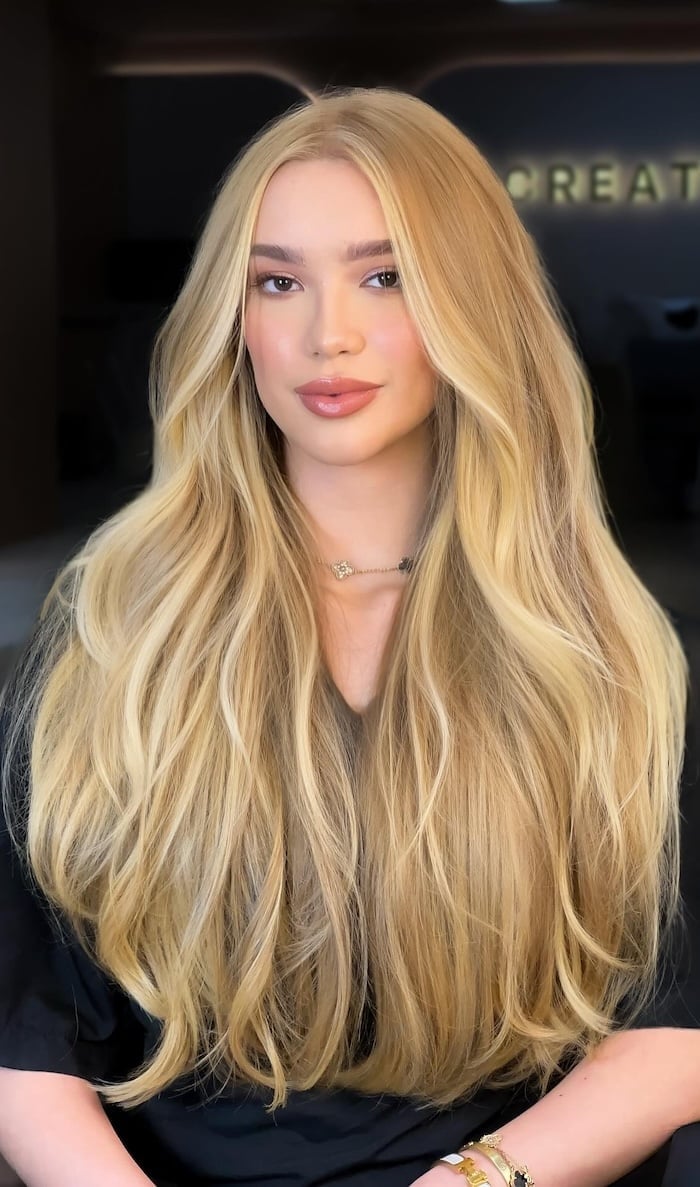
Face-framing layers work best when they hit at cheekbone or jaw level, and these curtain bangs land exactly there. The rich honey blonde base with subtle lighter tones keeps the color from feeling flat, while the middle part and soft waves add volume at the sides. Ask your colorist for: long hair, rich honey blonde, face-framing curtain bangs. This combination suits round and square faces by softening the jawline and adding vertical length. A smoothing serum applied to damp hair gives that glossy finish without weighing the waves down. Plan a trim every six to eight weeks to keep the bangs at the right length.
Mid-Back Honey Blonde With Vibrant Highlights
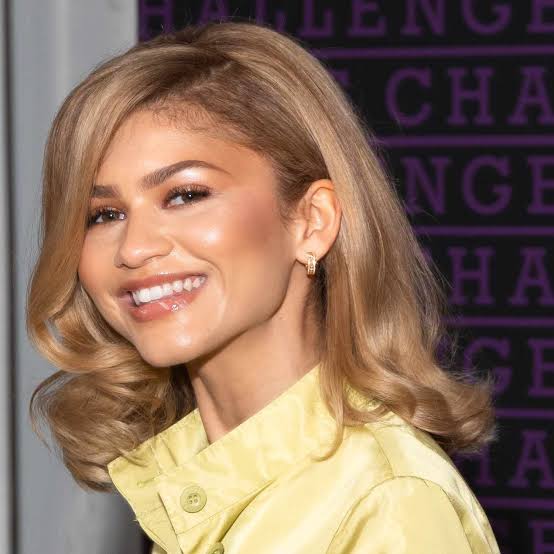
A honey blonde base with lighter highlights woven through the ends creates contrast without a harsh line. The middle parting and loose waves let the lighter pieces show from different angles. Ask your colorist for: mid-back length, vibrant honey blonde with lighter highlights. This shade reads as brighter and more saturated than a muted honey, which is why it tends to land in spring and summer rotations. The highlights sit close to the base tone, so the grow-out stays soft for about eight weeks before you need a refresh. A texturizing spray on dry hair helps the waves hold their shape without extra effort.
Mid-Back Multi-Dimensional Honey Blonde, Wavy
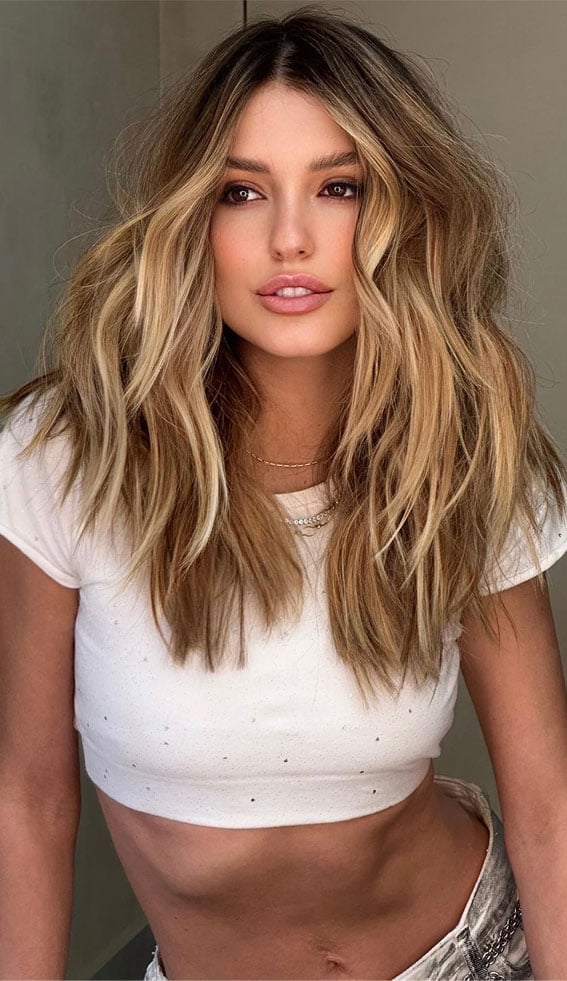
A uniform honey blonde is one thing; this is the version that uses three or four different tones to build depth. The side parting and loose waves reveal lighter strands near the crown and darker pieces underneath, so the color shifts as the hair moves. Ask your colorist for: mid-back length, multi-dimensional honey blonde, loose waves. This approach suits anyone who wants more movement than a single-process shade can offer, but does not want the high contrast of chunky highlights. The varying shades mean the color looks different in direct light versus shade, which keeps it from reading as flat. A color-depositing conditioner once a week helps maintain the warmth between salon visits.
Mid-Back Bright Honey Blonde With Voluminous Waves
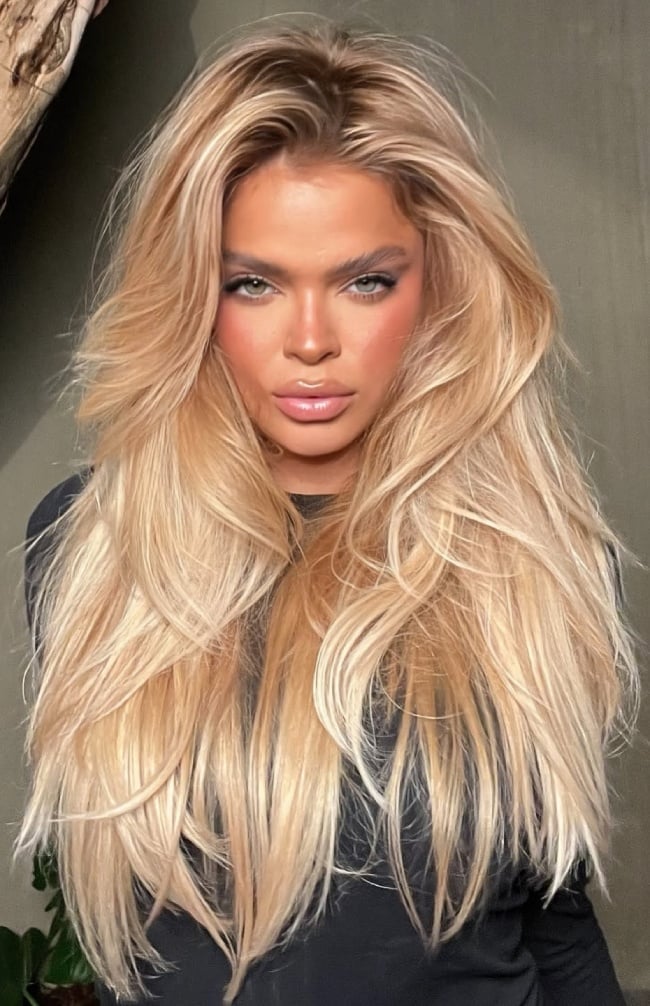
Does a bright honey blonde fade faster than a deeper one? Generally, yes, because lighter tones show warmth sooner. This version uses subtle highlights on a bright base with curtain bangs and voluminous waves, so the color looks glossy. Ask your colorist for: mid-back length, bright honey blonde with subtle highlights, curtain bangs. The curtain bangs need a trim every four to six weeks to stay out of your eyes, while the length can go eight to ten weeks between cuts. A volumizing mousse at the roots before blow-drying gives the waves their lift.
Long Honey Blonde With Face-Framing Pieces
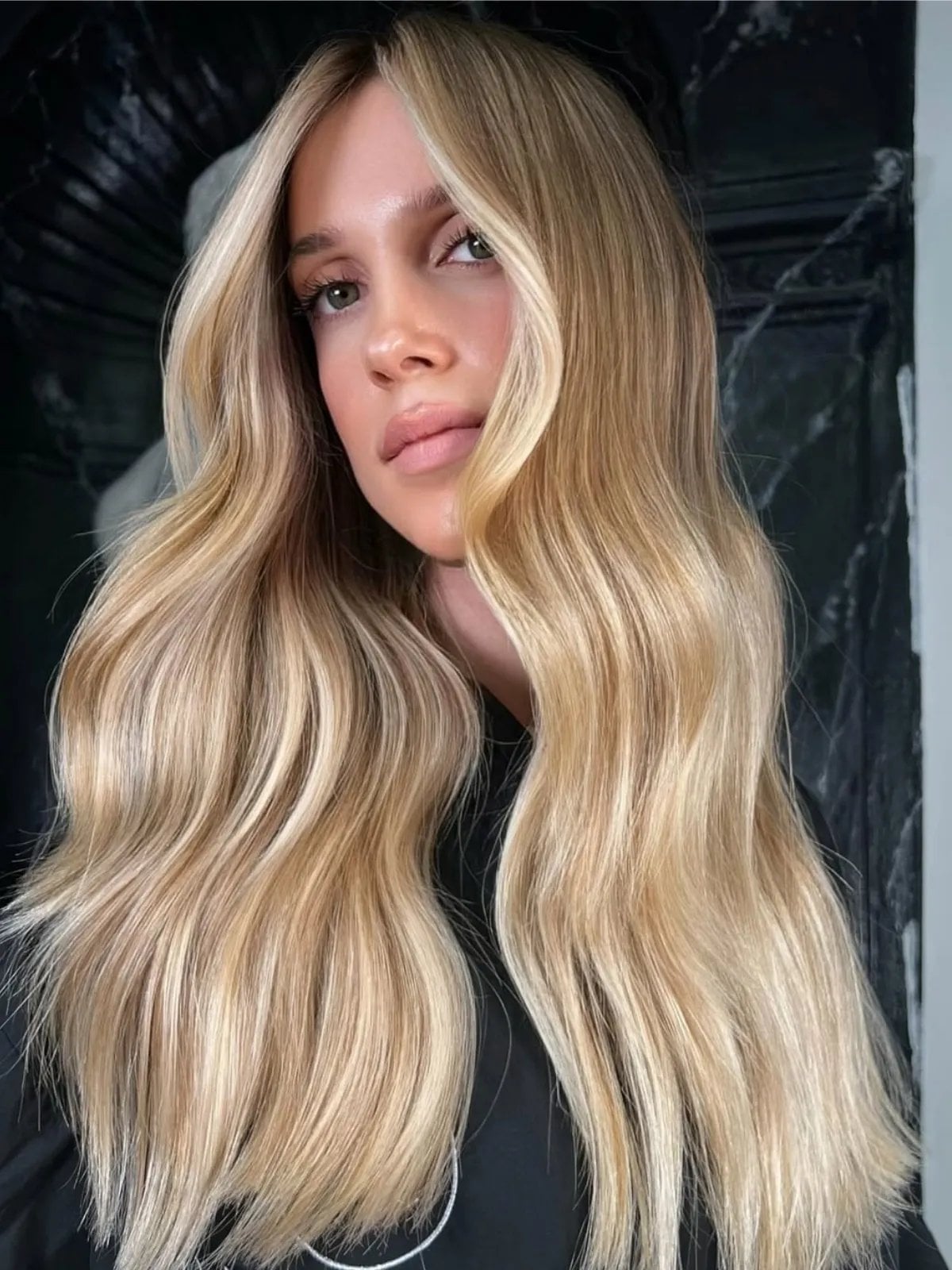
The face-framing pieces here start around the cheekbones and blend into the length, which keeps the color from looking disconnected. The honey blonde base stays darker at the roots, while subtle lighter highlights run through the face-framing sections and ends. Ask your colorist for: long layers, honey blonde base with subtle blonde highlights, face-framing pieces. The goal is a natural lift around the face without a visible line. This works well for medium-density hair because the layers add movement without removing too much weight. A texturizing spray on the ends defines the pieces and keeps the shape from falling flat by midday.
Collarbone Honey Blonde With Balayage
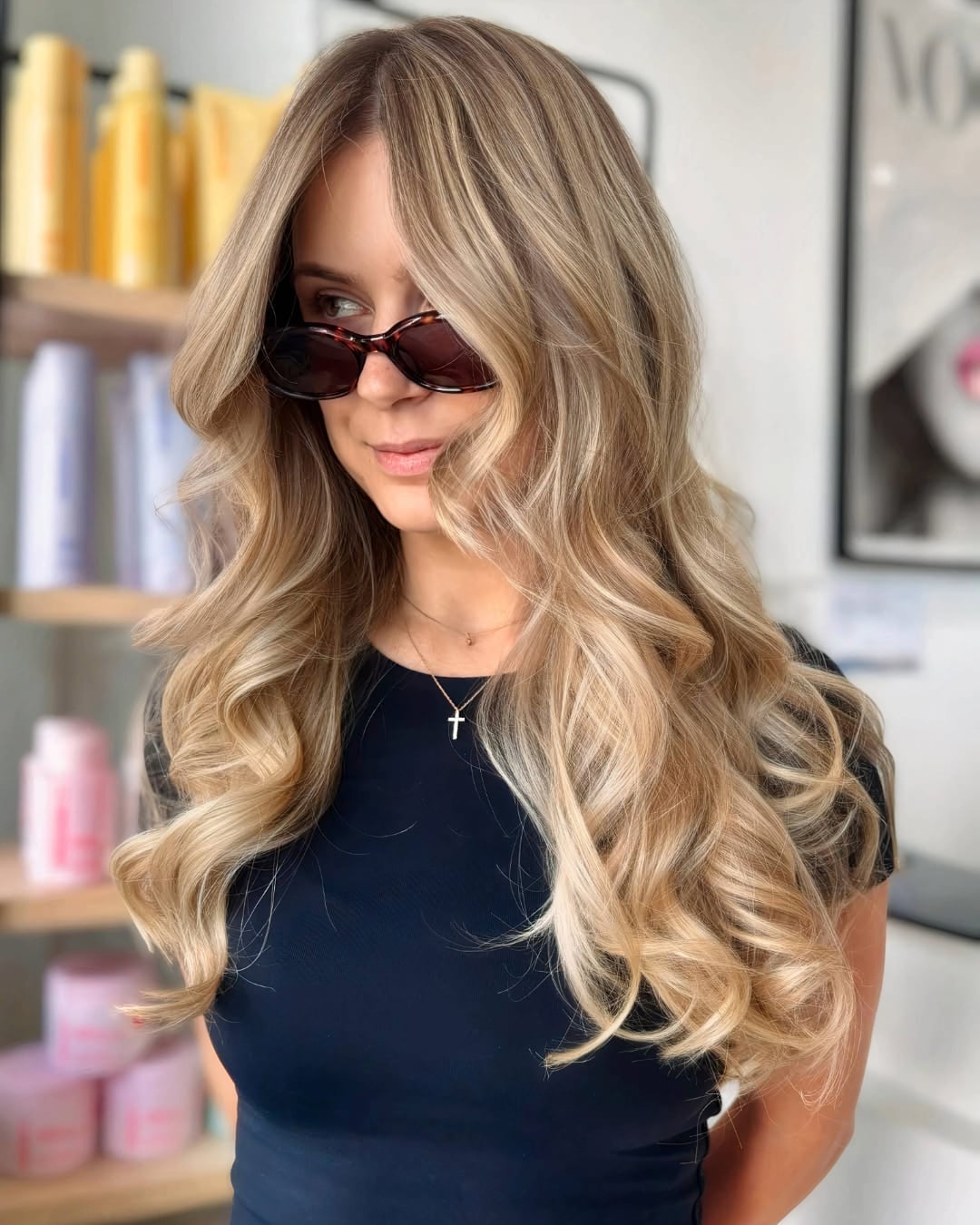
A collarbone-length cut with face-framing layers and curtain bangs, the honey blonde balayage painted freehand so the highlights land exactly where the waves fall. A soft blowout keeps the dimension front and center. Ask your colorist for: collarbone length, face-framing layers, curtain bangs, honey blonde with balayage.
Thick, wavy hair can support the layers without going stringy. The curtain bangs soften round and square face shapes, but they need a round brush and a few minutes of attention every morning. Plan on a trim every six to eight weeks to keep the collarbone line sharp and the fringe out of your eyes.
Collarbone Honey Blonde Balayage Lob
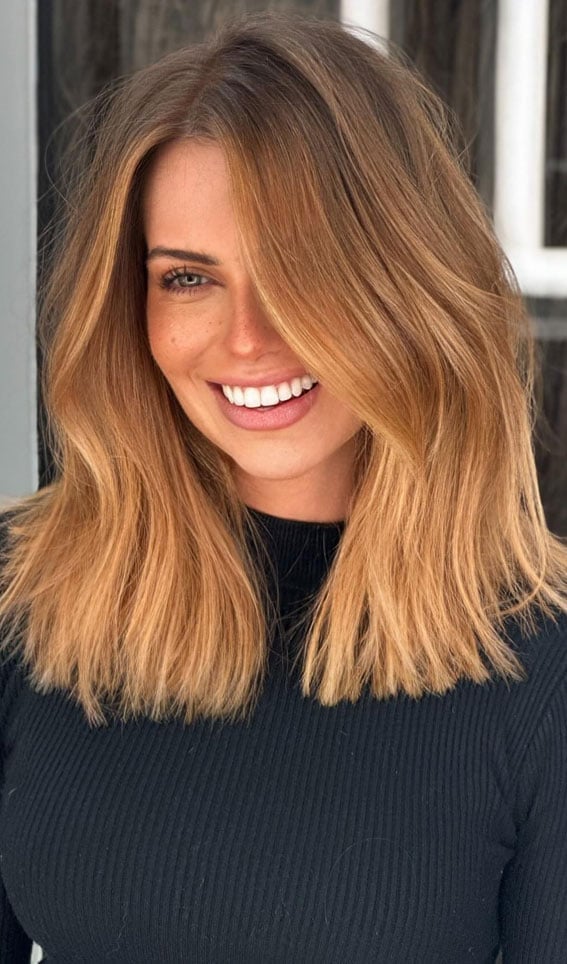
Does a honey blonde balayage lob look as good on day 45 as it does on day one? Mostly yes, and that is the point. The lob hits the collarbone, the curtain bangs frame the jaw, and the balayage grows out as a soft gradient without a harsh line. Ask your colorist for: collarbone lob, curtain bangs, honey blonde balayage, face-framing layers.
The trade-off: this is a salon-only color. DIY balayage on a short lob tends to look like you gave up halfway through. Brassiness can creep in around week five, so a purple shampoo is essential if you want the tone to stay warm instead of yellow. A trim every six weeks keeps the baseline clean.
Mid-Back Honey Blonde Balayage With Darker Roots
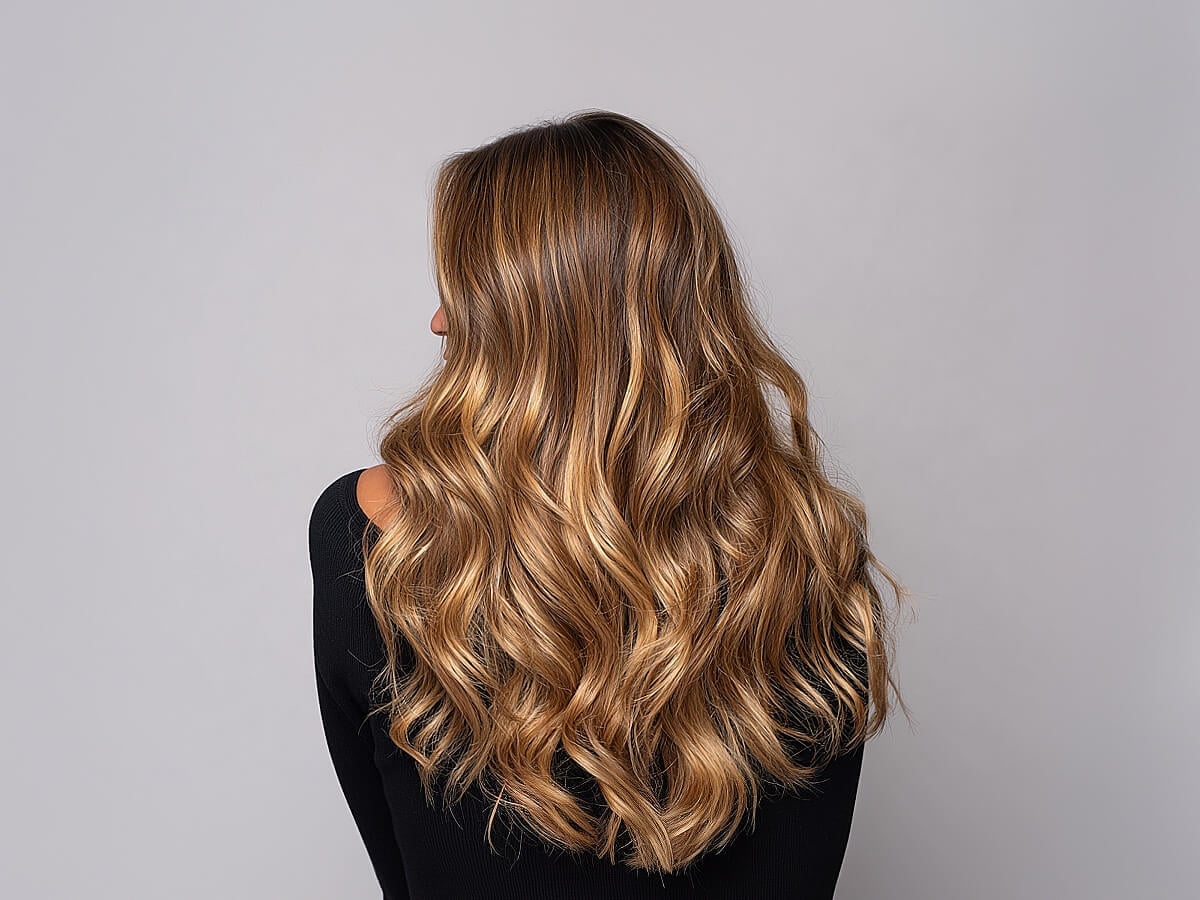
From the back, the architecture of this color is most visible: a darker root that softens into honey blonde balayage toward the ends, with subtle layers throughout the mid-back length. The loose waves give the gradient room to breathe rather than sitting flat. Ask your colorist for: mid-back length, honey blonde balayage with darker root, loose waves.
This dimensional color suits most face shapes because the darker root creates depth near the crown while the lighter ends add movement. The grow-out is genuinely low-maintenance, since the root is meant to be darker from the start. A leave-in conditioner keeps the ends from looking dry, and a trim every eight to ten weeks is enough to maintain the shape.
Mid-Back Dark Golden Honey Blonde With Highlights, Wavy
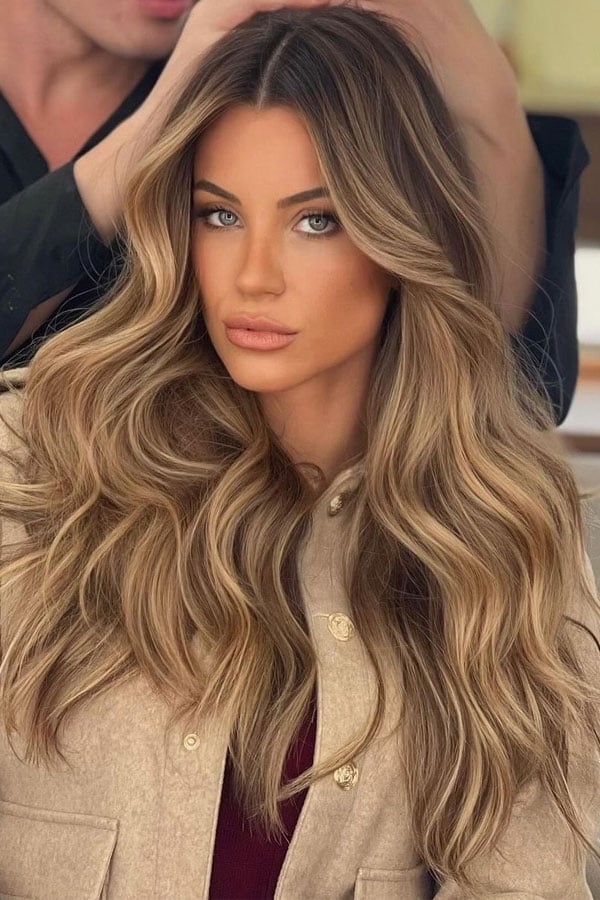
The base is a dark golden honey blonde, not a pale or ashy version, which gives the whole head a richer, warmer feel. Lighter highlights are woven through the mid-back length, and the loose waves catch the contrast between the two tones. Ask your colorist for: mid-back length, dark golden honey blonde with lighter highlights, loose waves.
Getting this rich a golden tone at home is a gamble. The dark base needs to be lifted enough to read as honey, not brassy, and the highlights require precise placement to avoid looking stripey. A salon is the safer bet for the first round. Once the color is set, a warm gloss treatment every six weeks keeps the shine alive and the tone consistent.
Long Honey Blonde Balayage Color Melt
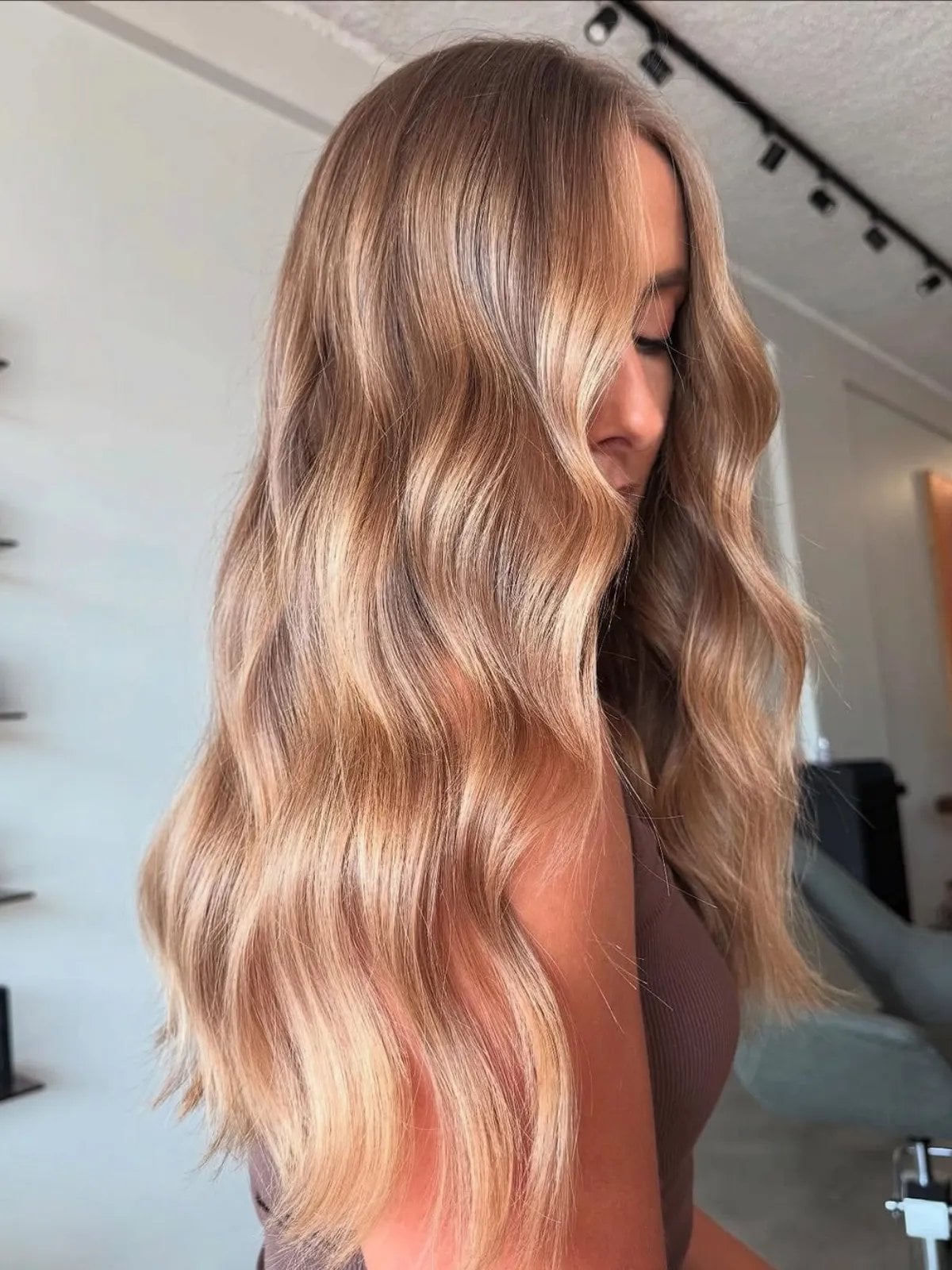
The color melt here is exactly what the name suggests: a rich honey blonde base that transitions into a lighter blonde balayage with no visible line between them. Long layers let the seamless gradient run the full length, and the loose waves keep the finish glossy. Ask your colorist for: long layers, rich honey blonde with blended blonde balayage melt.
This technique requires the colorist to feather the lightener through the ends while keeping the root area untouched, so the melt happens naturally. The side parting adds volume on one side, which suits long and oval face shapes well. A smoothing cream helps maintain the glossy finish, and a trim every eight to ten weeks preserves the layer shape.
Collarbone Honey Blonde With Face-Framing Bangs
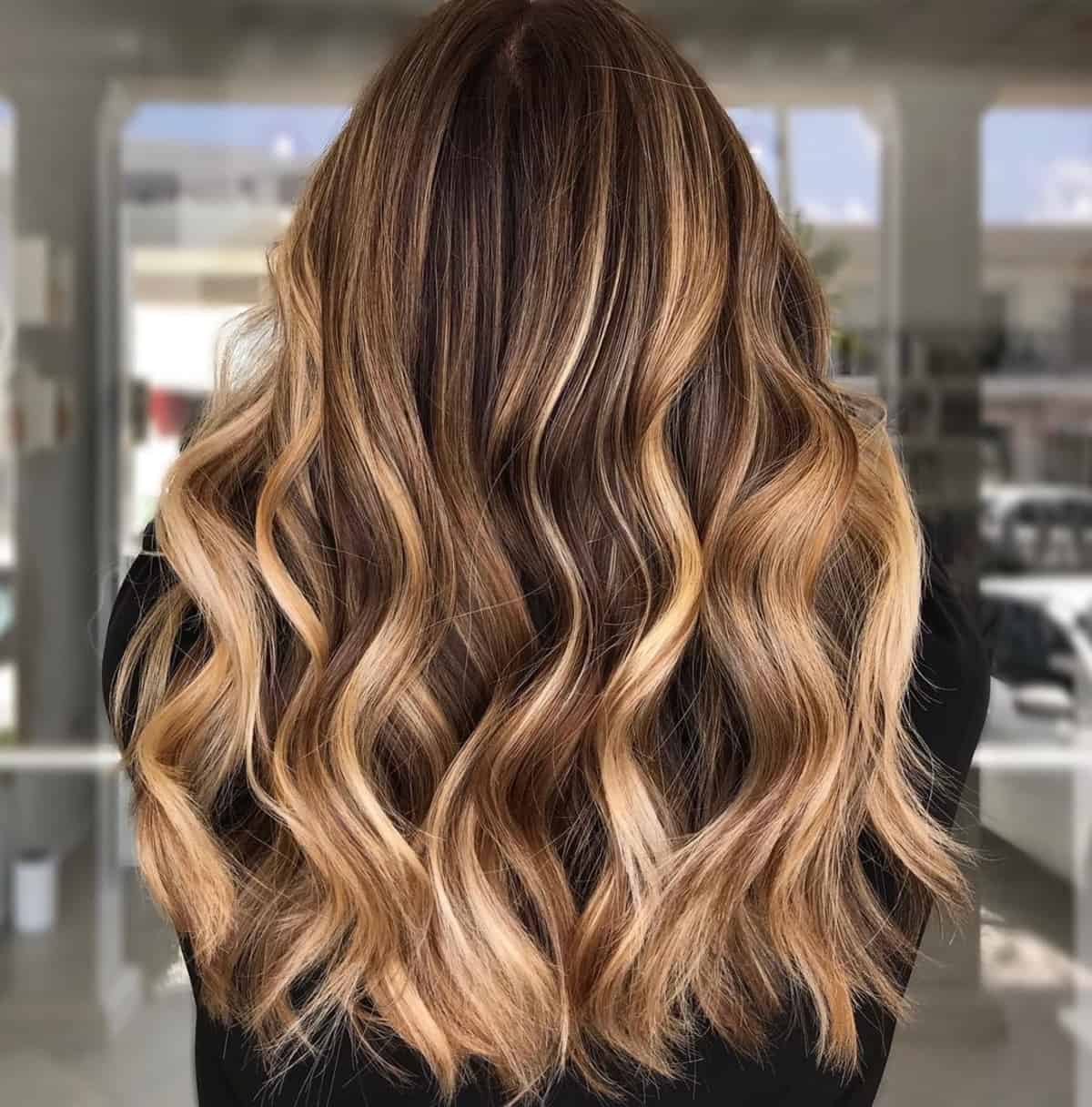
A collarbone-length cut with layers and face-framing bangs sounds like a lot of moving parts, but in a rich honey blonde with a voluminous blowout, it reads as one cohesive shape. The bangs soften the line of a square or round face, and the middle part keeps everything symmetrical. Ask your colorist for: collarbone length layers, face-framing bangs, rich honey blonde. The styling is where this earns its keep: a root-lifting spray at the crown, a round brush on the fringe, and you are out the door in fifteen minutes. The trade-off is the fringe: it needs a trim every four to six weeks, no exceptions.
Mid-Back Wavy Honey Blonde With Subtle Highlights
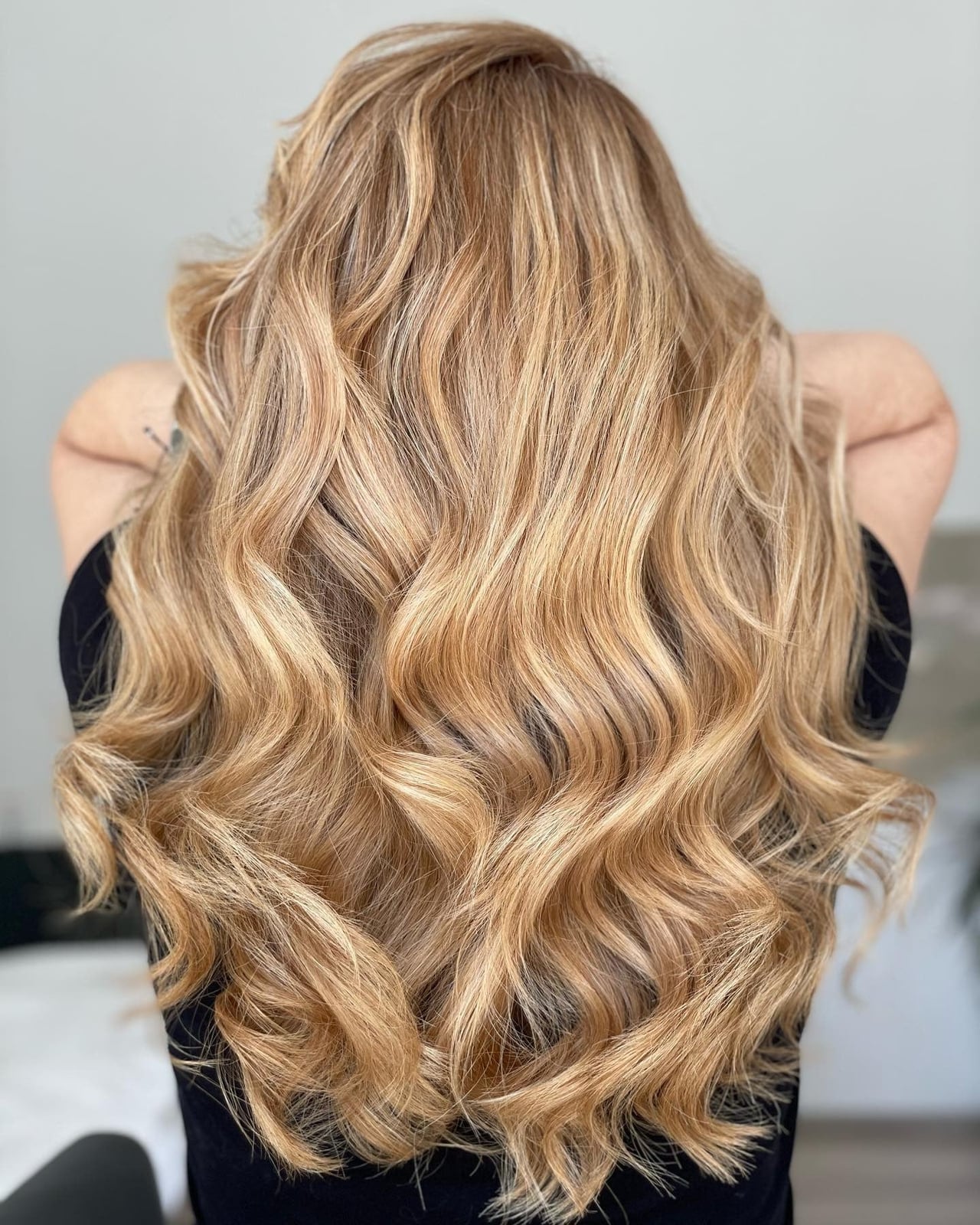
Ever wonder why some honey blondes look like they just came from a week at the beach, even in January? The answer is a mid-back length cut, loose waves, and subtle highlights that never announce themselves. The base shade does the heavy lifting, and the lighter strands are sparse enough to feel natural rather than applied. Ask your colorist for: mid-back length, wavy honey blonde with subtle highlights. This is the color you take to a casual weekend wedding or a Sunday brunch where the lighting is good and you want the hair to do the talking.
For thick, wavy hair, the dimension comes from the way the highlights catch light at different angles. A texturizing mist enhances the wave pattern without weighing it down, and a trim every eight to ten weeks keeps the ends healthy enough to hold the shape.
Mid-Back Honey Blonde Balayage Lived-In Effect
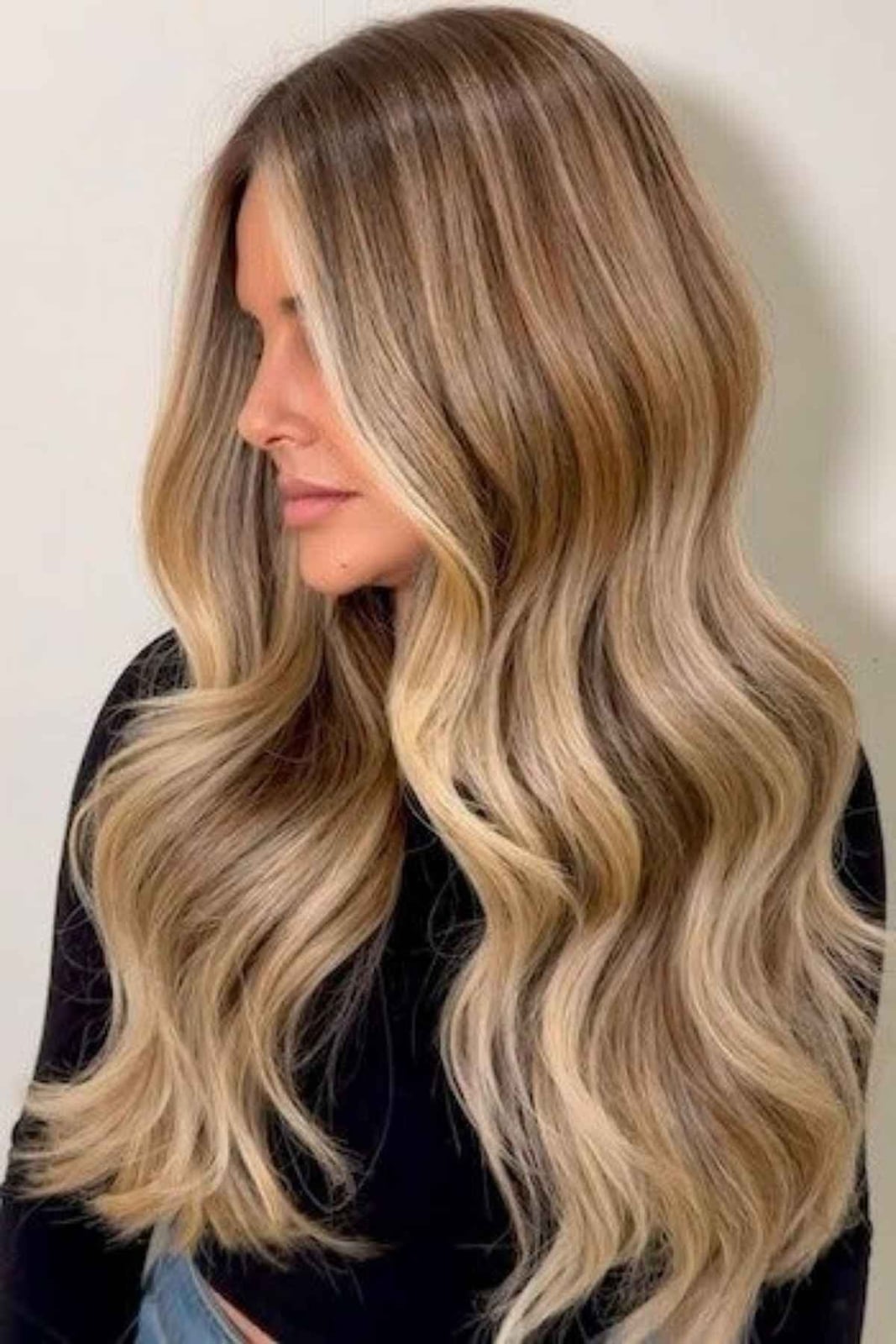
For a true lived-in effect, long layers must be cut to support the color placement. If your hair is one-length, the balayage looks like an afterthought. Thick, wavy textures are ideal because the waves naturally hide the grow-out line. This is strictly a salon job, and you should budget for the full appointment.
Collarbone Soft Honey Blonde With Subtle Highlights
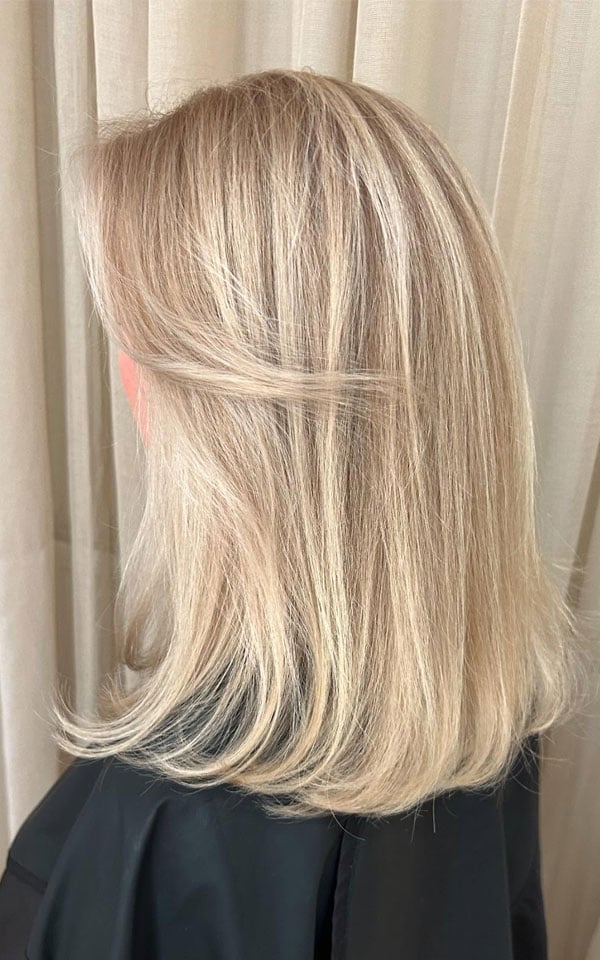
A collarbone-length lob with a soft honey blonde base and subtle lighter highlights is a low-stakes entry into warm color. The side parting adds the volume that fine, straight hair needs, because there is no layering here to create lift. Ask your colorist for: collarbone length, soft honey blonde with subtle highlights, slight wave. The highlights are fine and spaced widely enough that they do not create a stripe effect, which matters when the hair is straight and every line is visible. This suits fine hair specifically because the single length and soft tone keep the ends looking dense rather than stringy. A trim every six to eight weeks keeps the collarbone line sharp.
Mid-Back Honey Blonde Balayage With Face-Framing Layers
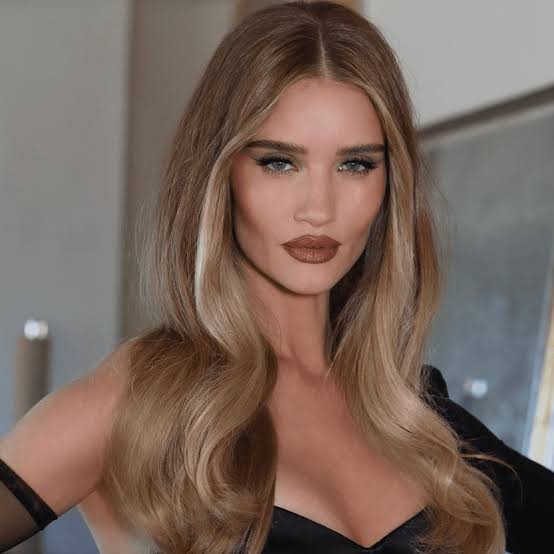
Wondering how to ask for curtain bangs that actually frame the face instead of just hanging there? Start with a mid-back length cut, a honey blonde balayage with lighter highlights, and face-framing layers that begin at the jaw. Ask your stylist for: mid-back length, honey blonde balayage, face-framing layers, curtain bangs. The key is that the balayage is painted to concentrate the lighter pieces on the front sections, so the color and the cut work together.
For the styling, blow-dry the fringe with a round brush and finish with a texturizing spray through the waves. The curtain bangs need a trim every six to eight weeks to keep the length from sliding into your eyes. This works best on thick, wavy hair because the layers have enough weight to hold the shape without collapsing.
Mid-Back Long Layered Honey Blonde Balayage
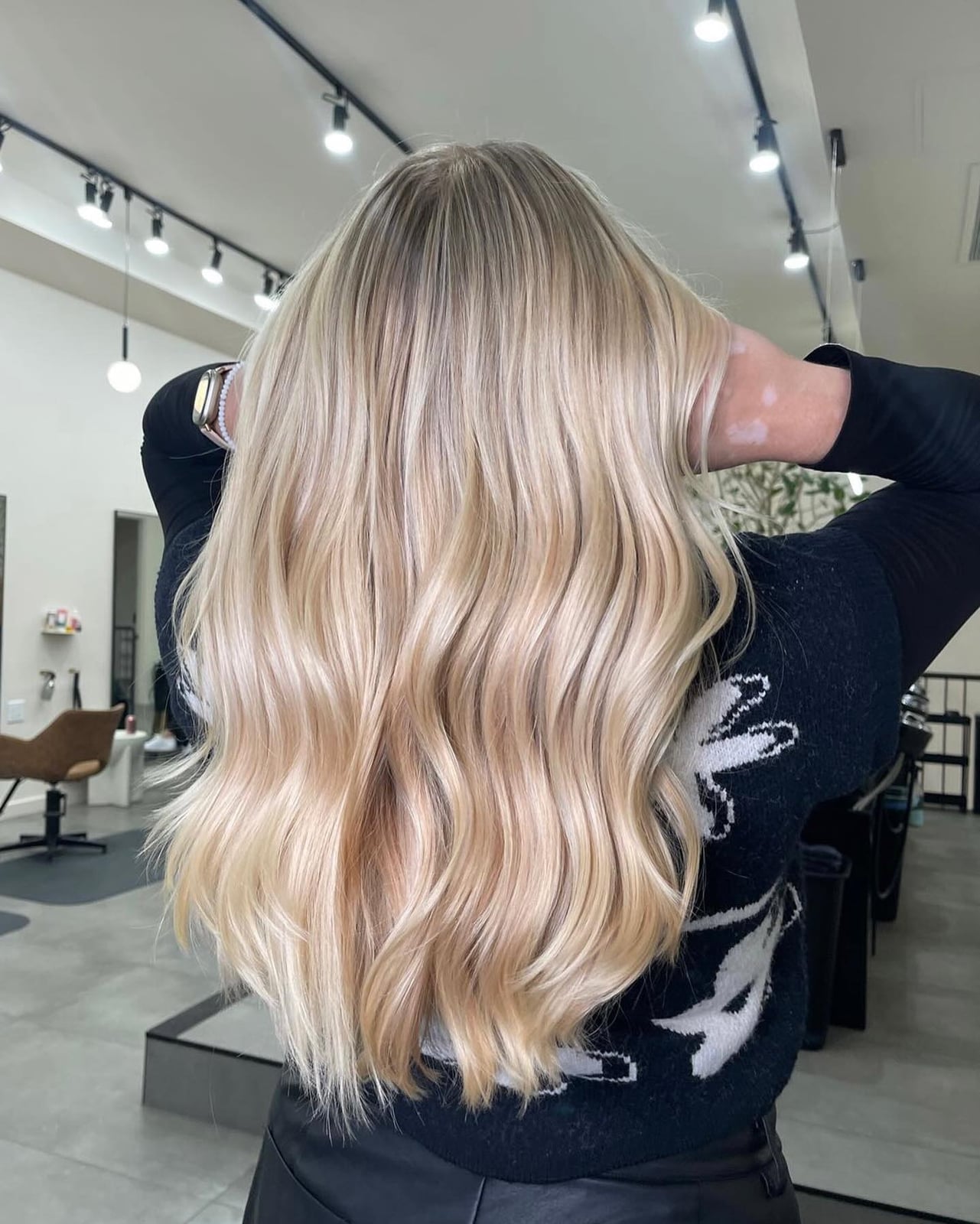
The balayage here starts darker at the roots and gradually lifts to lighter blonde tones through the ends, creating depth without a harsh line. Thick, wavy hair of mid-back length holds this technique well, as the lighter pieces catch the movement of the waves. Ask your colorist for: mid-back length, long layers, honey blonde balayage with dimension. A volumizing mousse at the roots helps the layers sit with body, and a trim every eight to ten weeks keeps the shape from losing its structure.
Because the balayage is hand-painted, the grow-out is softer than traditional foils, which means you can stretch the time between appointments. The darker base also means less lift is needed, so the overall process is gentler on the hair. This is a solid choice if you want dimension that looks built-in, not added on top.
Collarbone Ash Blonde With Honey Highlights
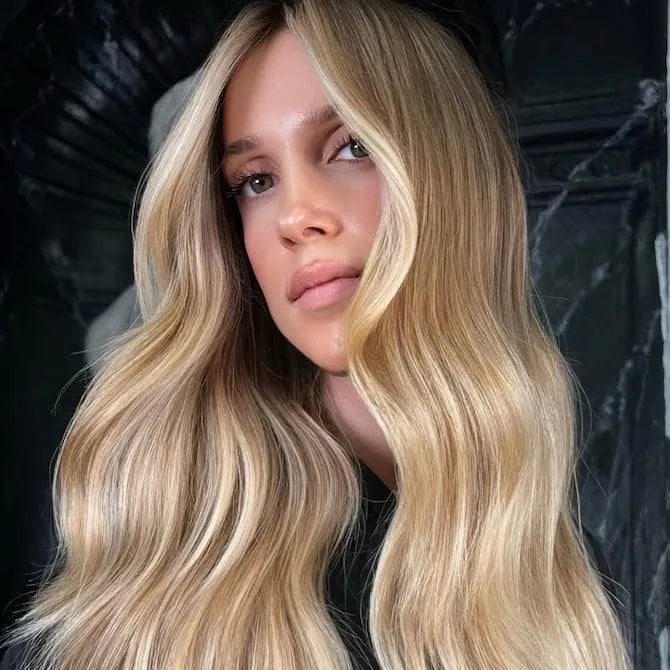
An ash blonde base keeps things cool, while delicate honey blonde highlights add warmth without tipping into brassiness. This combination works well on fine, wavy hair of collarbone length, as the subtle highlights create the illusion of depth without weighing the strands down. Ask your colorist for: collarbone length, ash blonde with delicate honey blonde highlights. A texturizing spray at the roots gives the fine texture a lift that holds through the day. A trim every six to eight weeks keeps the shape crisp and the ends healthy.
Chin Length Bob Uniform Honey Blonde
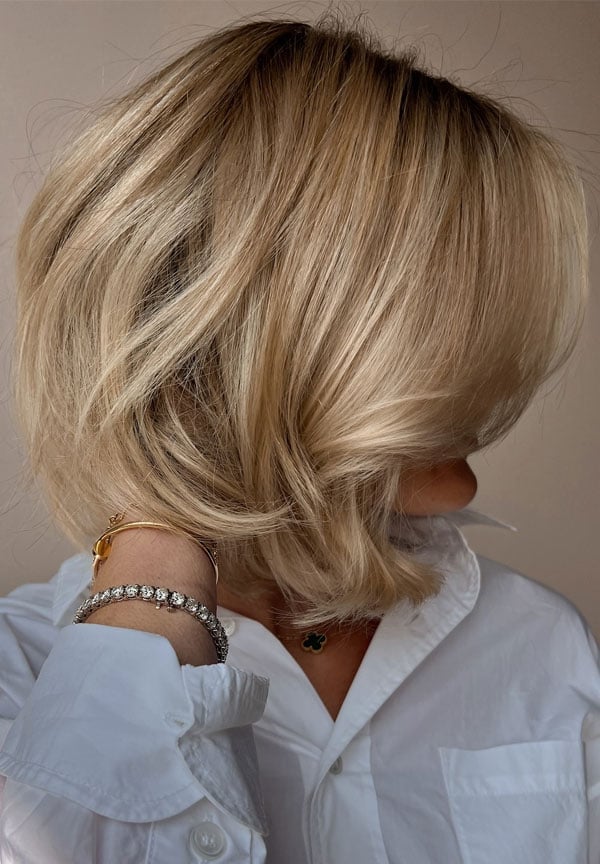
A single shade of honey blonde across a chin-length bob reads as clean and deliberate. Fine, slightly wavy hair gains the appearance of fullness when cut to this length, since the blunt ends create density. Ask your colorist for: chin length bob, textured style, uniform honey blonde. A texturizing paste worked through dry hair defines the waves and keeps the shape from falling flat. A trim every four to six weeks is necessary to maintain the bob’s precision; the shorter the cut, the faster it loses its line.
Mid-Back Honey Blonde Balayage Air Dried
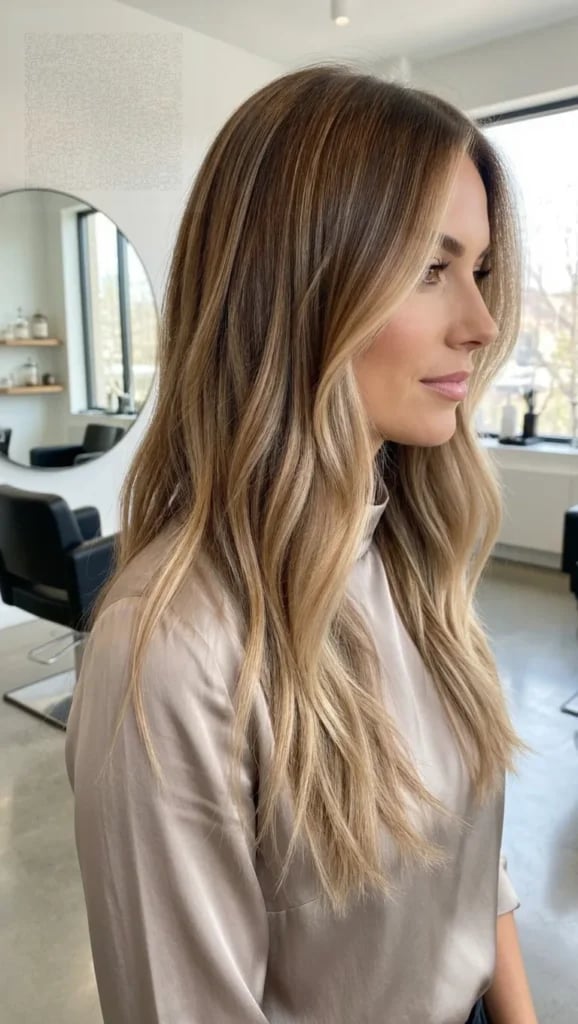
Can a balayage look intentional without a round brush? Yes, if the texture is built into the cut. Thick, wavy hair of mid-back length with layers allows the honey blonde balayage to settle naturally when air-dried. Ask your colorist for: mid-back length layers, honey blonde balayage, natural air-dried texture. A smoothing balm applied to damp hair encourages the waves to form evenly and keeps the gloss visible. This is a spring and summer approach, when humidity is high and time spent with a blow-dryer feels like a punishment.
The middle parting keeps the color distribution symmetrical, so the lighter pieces frame both sides of the face equally. Because the layers are cut to work with the hair’s natural wave, the finish looks polished without looking styled. A trim every eight to ten weeks maintains the shape and prevents the ends from tangling.
Long Toasted Caramel Honey Blonde With Highlights
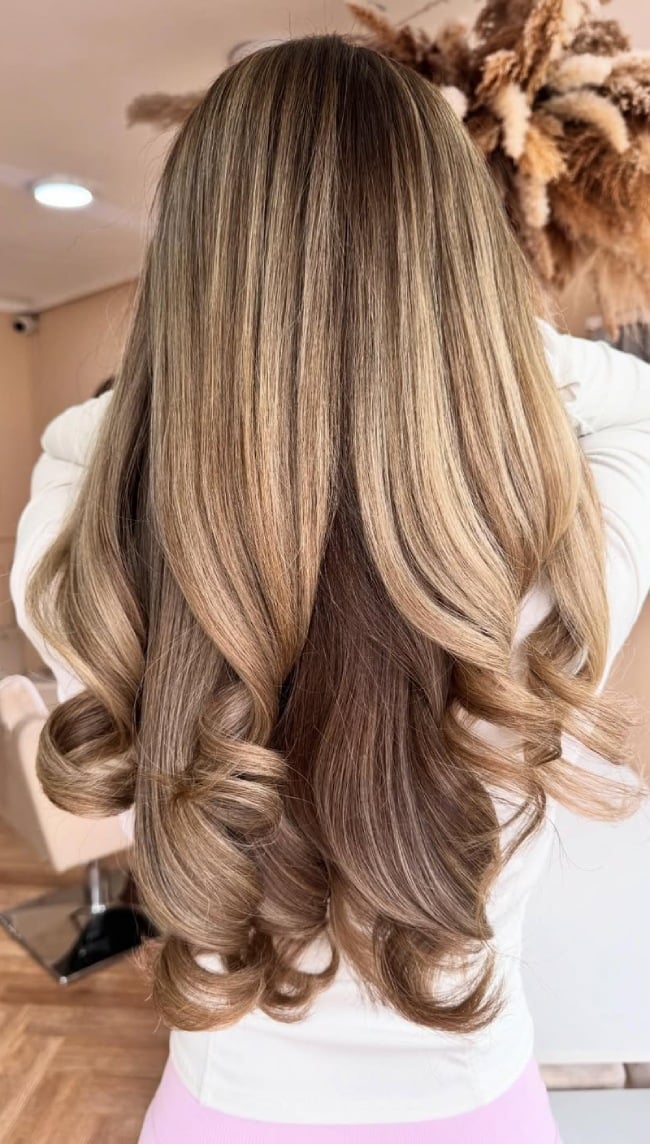
A rich toasted caramel base with seamless highlights woven through the lengths gives long hair a depth that a single shade cannot. Thick, wavy hair of long length benefits from the contrast, as the lighter pieces brighten the surface and the darker base anchors the overall tone. Ask your colorist for: long layers, rich toasted caramel honey blonde with seamless highlights. The highlights should be placed closer to the ends than the roots, which keeps the grow-out subtle. A color-depositing mask applied every few weeks helps maintain the caramel warmth and prevents the shade from fading toward yellow. A trim every six to eight weeks keeps the ends healthy and the layers defined.
The soft waves in a blowout style give the color a glossy, dimensional finish that moves with the hair instead of sitting flat. This is a sophisticated take on honey blonde that works for both daytime and evening settings.
Long Honey Blonde Balayage With Warm Golden Tones
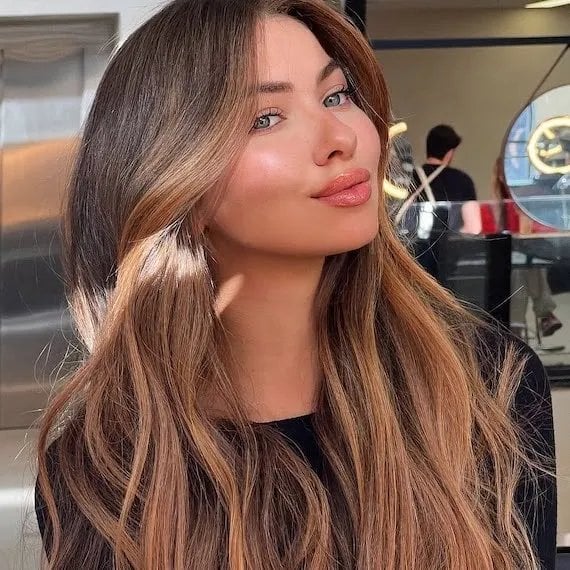
The design here hinges on the face-framing pieces, which are painted a shade or two lighter than the rest of the balayage to draw light toward the front. On long, thick, wavy hair with a middle part, those lighter strands catch the eye without looking streaky, because the colorist blends them into the warm golden blonde tones rather than leaving a hard line. This honey blonde balayage with warm golden tones works best when the hair is long enough to show the gradient, so mid-back or longer is the starting point you want.
Ask your colorist for: long layers, honey blonde balayage with warm golden tones, face-framing. The face-framing pieces suit most face shapes, since they add softness around the jaw without changing the overall length. Keep the gloss up with a shine serum on the ends, and plan on a trim every eight to ten weeks to stop the layers from turning into split ends.
Mid-Back Honey Blonde With Voluminous Feathered Layers
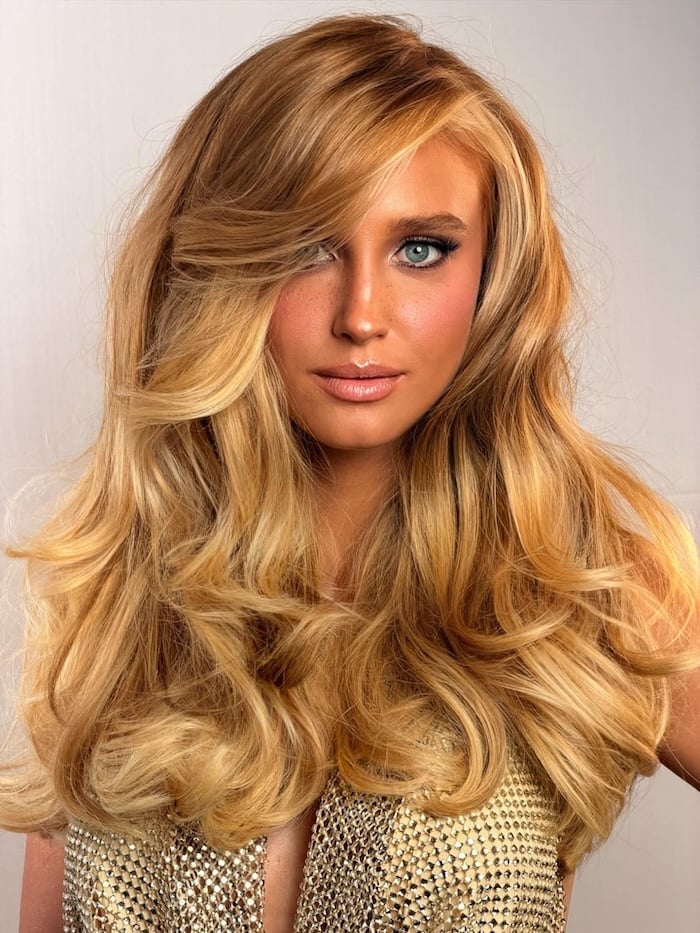
If your hair is thick and wavy, the voluminous feathered layers here are the rare cut that makes you look like you woke up that way, though it took a blowout and a round brush. The mid-back length gives the layers room to move, and the soft curtain bangs frame a round face without adding width. Ask your stylist for: mid-back length, bright honey blonde, voluminous feathered layers, curtain bangs. The bouncy blowout is the whole point, so book this only if you are willing to spend ten minutes with a dryer. The fringe needs a trim every four to six weeks, but the length can go eight.
Collarbone Honey Blonde With Lighter Highlights
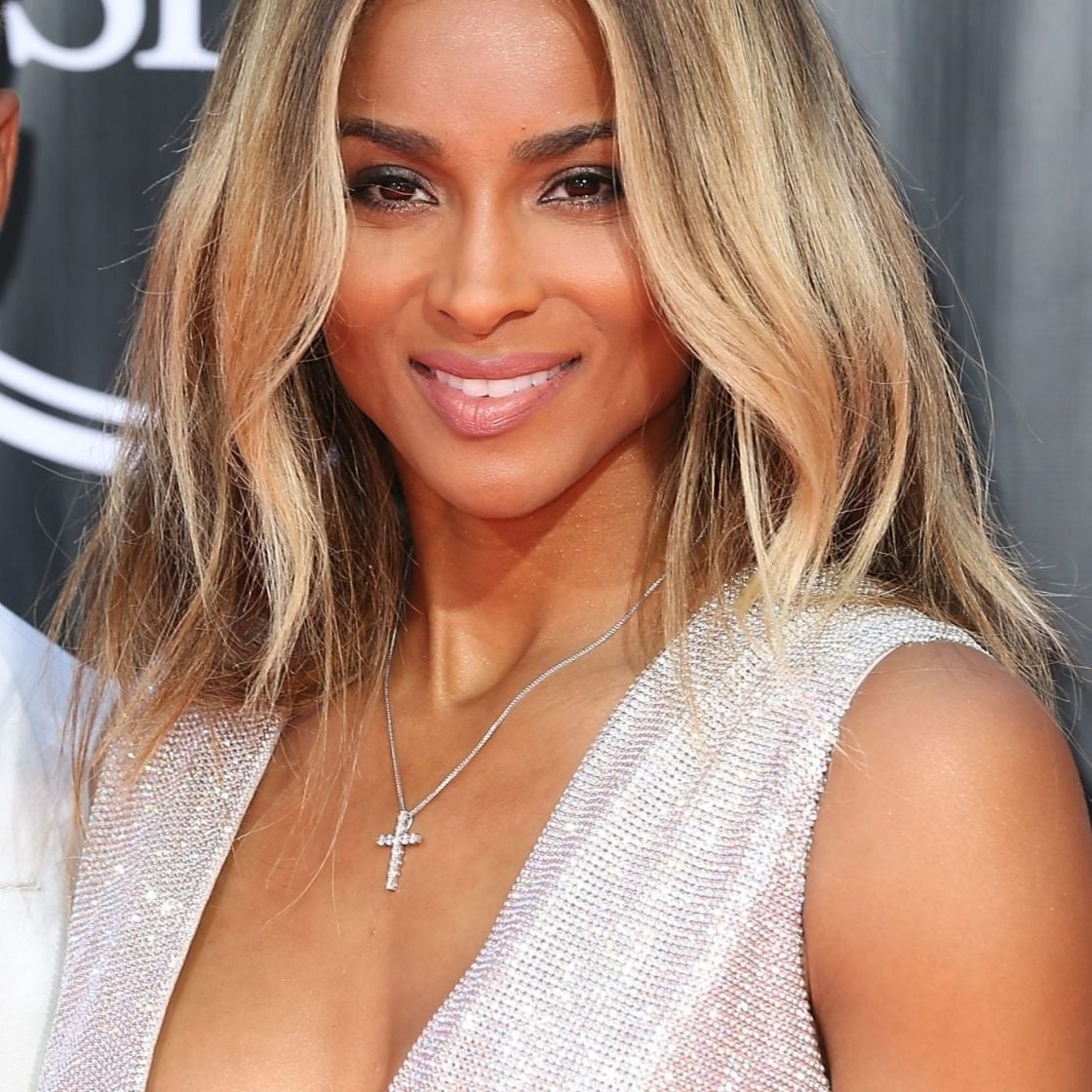
Lighter highlights against a honey blonde base read as sun-kissed rather than striped, which is exactly what you want when the hair is collarbone length and thick. The wavy blowout gives the color movement, so the highlights catch light at different angles instead of sitting flat. Ask your colorist for: collarbone length, honey blonde with lighter highlights, wavy blowout. This is a low-commitment color: the highlights grow out gently, and you can stretch toning to every six to eight weeks. The cut needs a trim on the same schedule to keep the waves from looking ragged. A texturizing spray at the roots keeps the volume honest.
Long Layered Honey Blonde With Highlights, Close-Up Take
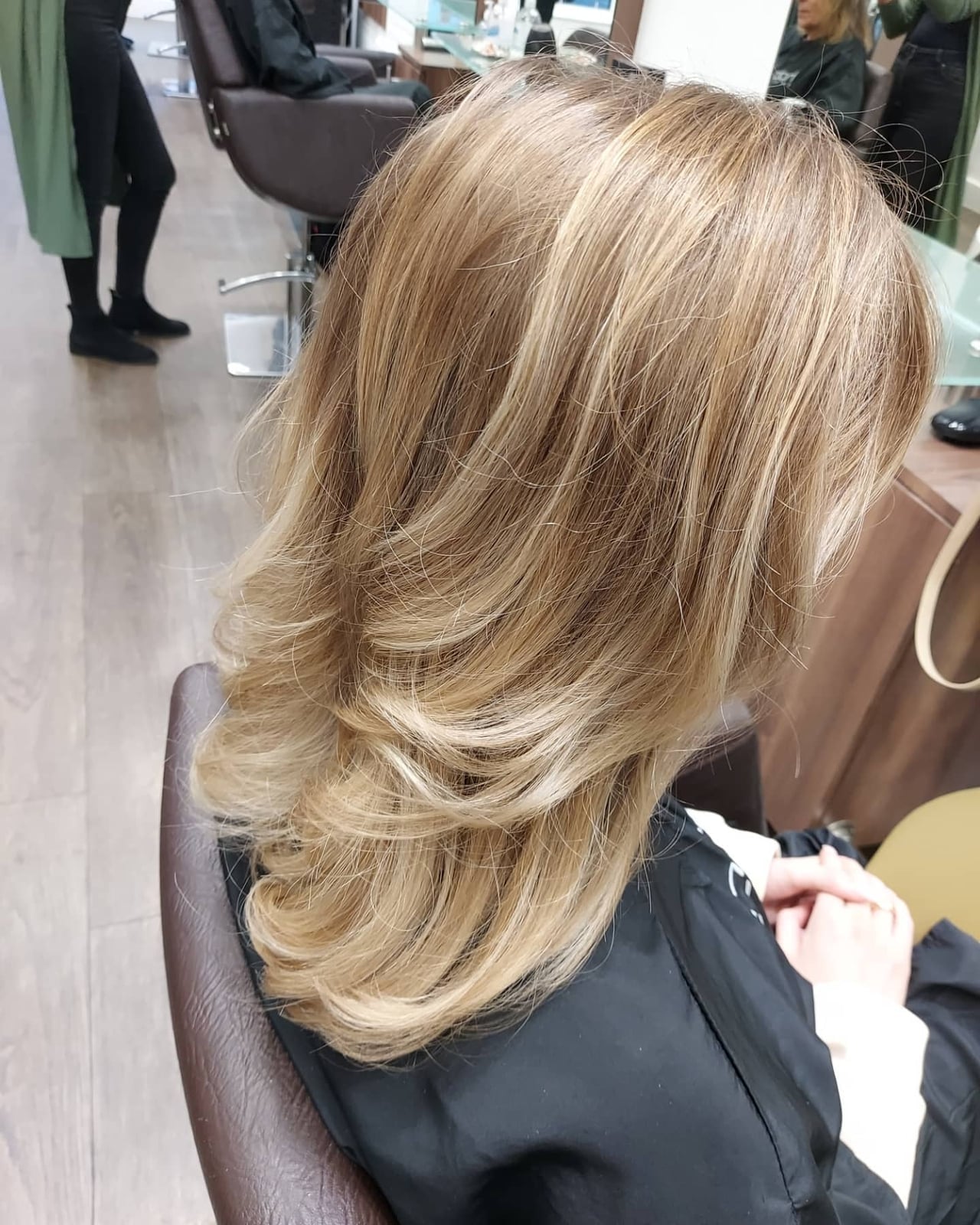
From the back, the long layered cut is the real show here, with the honey blonde base and lighter blonde highlights working as a backdrop. The loose waves give the layers a chance to separate, so the color reads as dimensional rather than flat. This is a salon color through and through: trying to recreate the balayage at home usually ends with a patchy mess and a regretful phone call. Ask your colorist for: long hair, layers, honey blonde with blonde highlights. The honest trade-off is upkeep, because long layers show split ends fast and need a trim every eight to ten weeks to keep the shape honest. If you are not ready for that rhythm, skip the layers and keep it one length.
Mid-Back Honey Blonde Balayage Gradient, Wavy
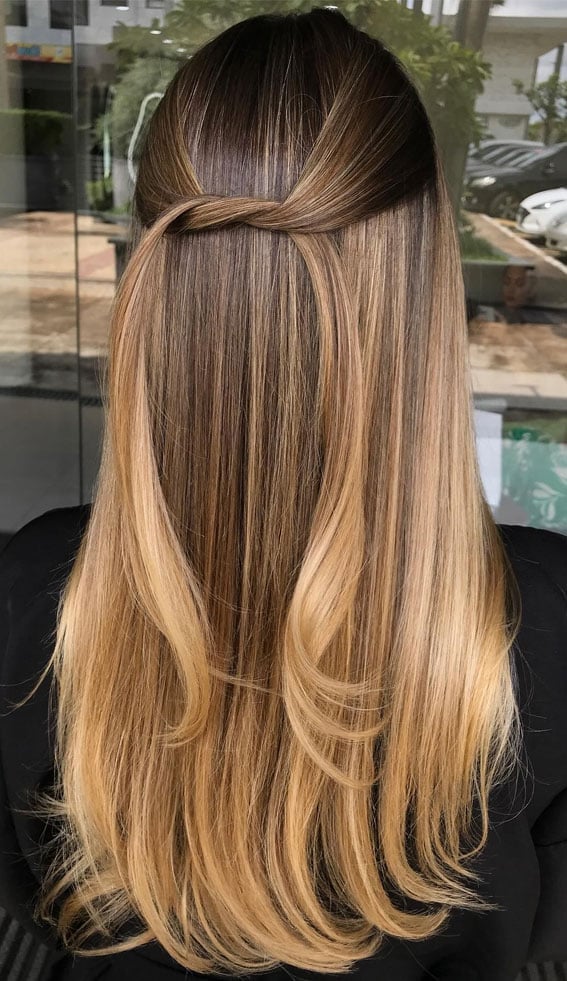
Can you get a seamless gradient from darker roots to lighter ends at home? Short answer: no. The honey blonde balayage gradient depends on hand-painting each section so the color melts from root to tip, which is a skill, not a box dye. On thick, wavy, mid-back length hair, the gradient shows best in soft waves and a middle part, where the darker roots ground the brightness and the lighter ends catch the light. Ask your colorist for: mid-back length, honey blonde balayage with a root to end gradient. A color-depositing shampoo keeps the warm tones from turning brassy, and the grow-out is forgiving enough that you can stretch trims to six or eight weeks.
Final Thoughts
For fine hair, stick with balayage and skip heavy highlights to keep weight off the ends. For thick hair, ask for layers to prevent bulk and let the color show through.
- Tone every 6-8 weeks to keep the warmth in check.
- Use color-safe shampoo and conditioner daily.
- Deep condition weekly to fight dryness.
- Trim every 8-10 weeks to keep layers fresh.
Honey blonde is a shade that truly adapts to your style.
