

Soft face-framing layers and curtain bangs are making a strong case for themselves as the go-to additions for anyone trying to grow out their hair. The shift is away from heavy, blunt shapes and toward cuts that build movement without sacrificing length.
This collection of 27 ideas focuses on the haircuts and styling approaches that support the illusion of density and health while you grow. You will find options for fine hair that falls flat, for thick hair that needs weight removed, and for anyone tired of a fringe that won’t cooperate. The Hair Growth Tips here are built around cut, length, layers, bangs and texture, with a practical eye on upkeep and trim rhythm.
Voluminous Mid-Back Hair With Long Layers
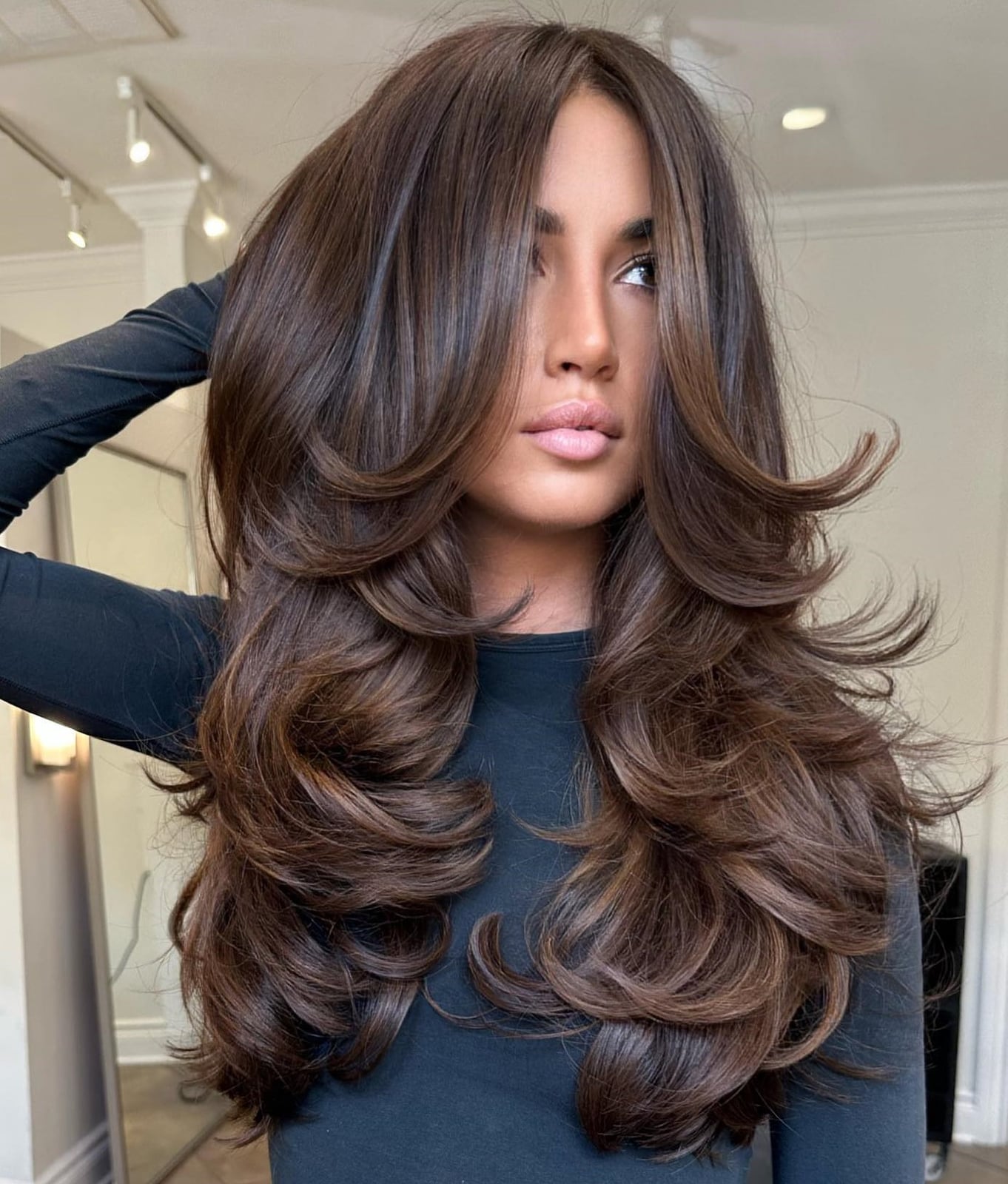
A side-swept parting and face-framing pieces soften the line around the jaw, which works well for round or square face shapes. Ask your stylist for: mid-back length, long layers, face-framing pieces, side part. This kind of volume requires a blow-dry with a large round brush to shape the bends, and the layers need a trim every eight to ten weeks to keep the bounce from falling flat. The payoff is a look that reads as full and healthy rather than just long.
Dark Brown Mid-Back Cut With Curtain Bangs
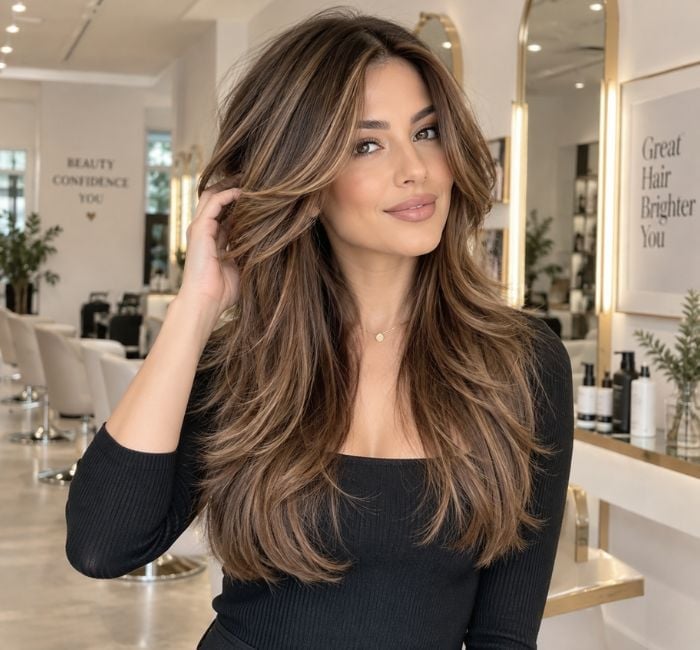
Wondering how to add movement without losing length? The curtain bangs here are cut to blend into the mid-back layers, so the face-framing feels soft instead of blunt. The middle parting and wavy texture make the bangs sit open like a frame rather than a solid wall of hair. Ask your stylist for: mid-back length, curtain bangs, middle part, soft layers. The key is to keep the bangs long enough to tuck behind the ears when you want a cleaner line, and to have the layers start below the chin so the bulk stays lower. This cut hides a growing-out fringe better than most.
Mid-Back Layers With Dark Brown Curtain Bangs and Glossy Finish

The layering technique here uses longer interior sections that graduate gradually, so the hair keeps its density while the top layers add lift. The curtain bangs are cut to graze the cheekbones, and the middle parting splits them evenly for a symmetrical fall. Ask your stylist for: mid-back length, long layers, curtain bangs, middle part. The glossy finish comes from the hair’s natural texture and a blow-dry that smooths the cuticle without flattening the root. It is a cut that looks polished but does not require a flat iron to get there.
Thick Dark Brown Mid-Back With Soft Layers
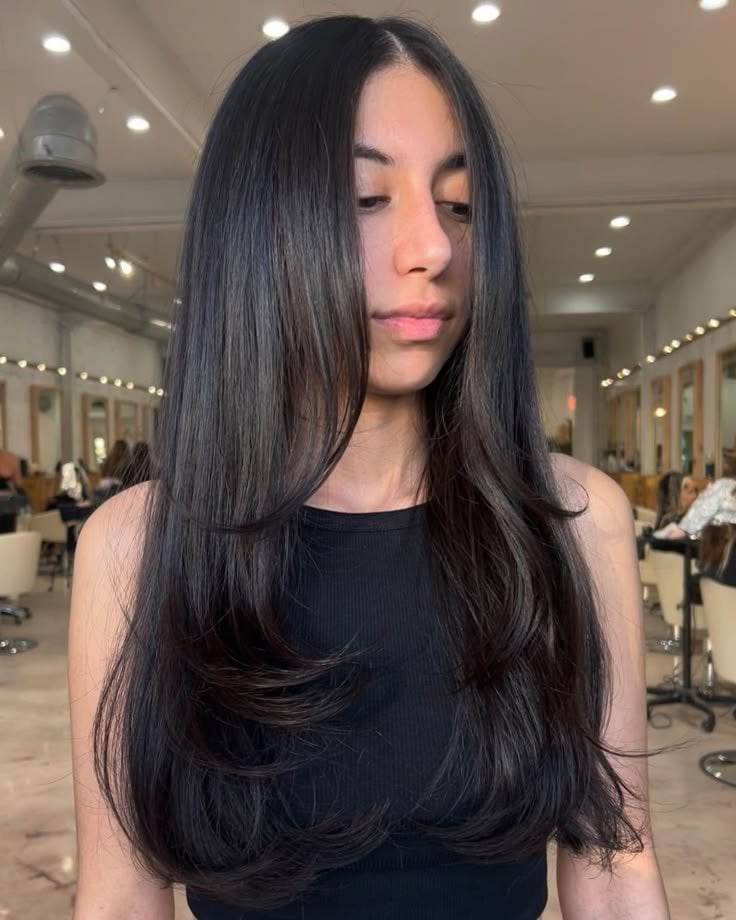
Unlike a shag that removes weight aggressively, this cut uses soft, widely spaced layers to reduce bulk while keeping the hemline thick. The difference is subtle but matters in person: the hair moves as one piece rather than separating into obvious tiers. Ask your stylist for: mid-back length, long layers, curtain bangs, middle part, smooth finish. Straight, thick hair needs the layers to start lower, around the collarbone, to avoid the pyramid effect. Curtain bangs keep the front soft without sacrificing the density that makes the cut work.
Mid-Back Shag With Textured Curtain Bangs
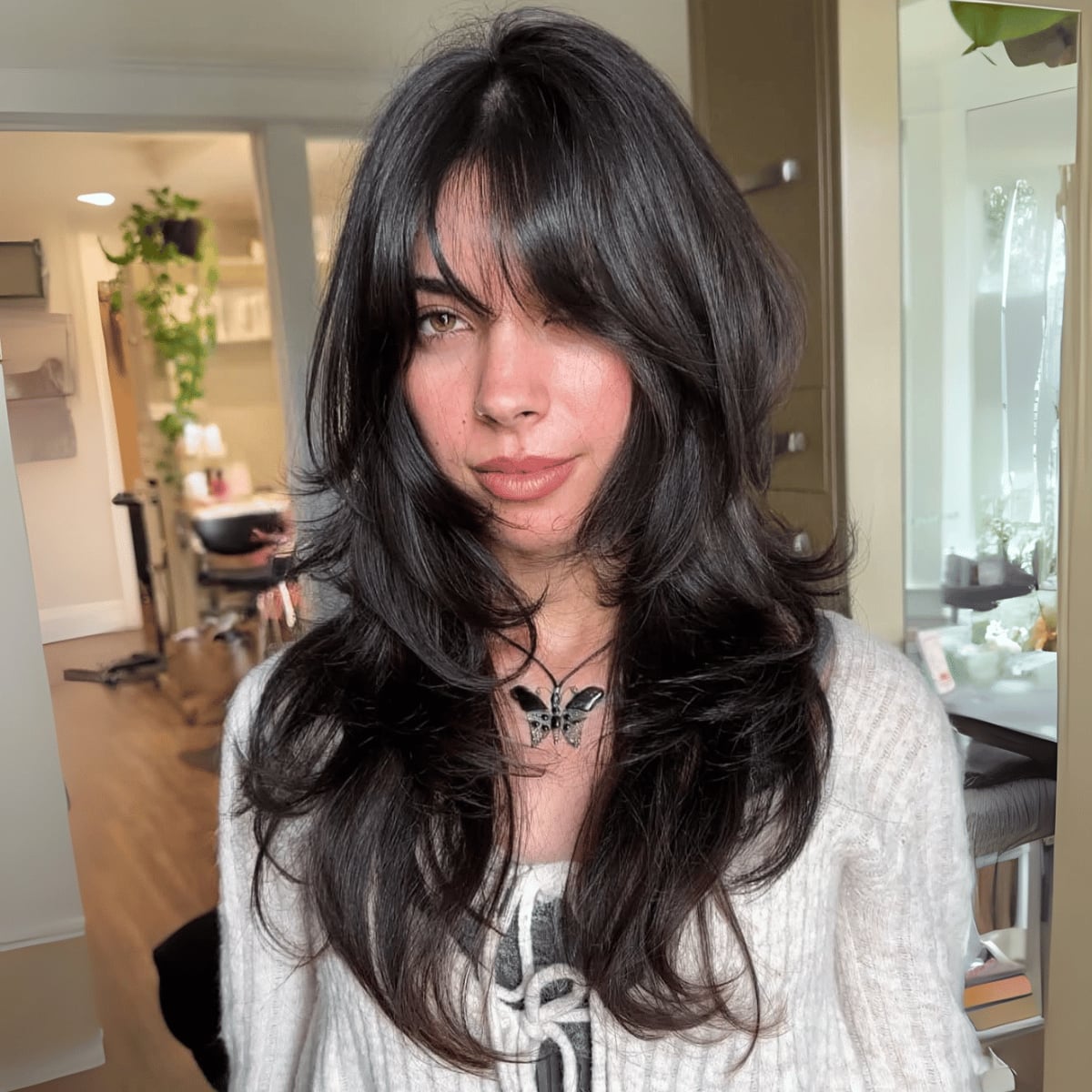
A shag with heavy layers and thick curtain bangs is a low-commitment styling proposition if you are willing to let it air-dry. The cut does the work: the shorter layers create natural volume at the crown, and the longer pieces below hold the weight so the shape does not collapse. Ask your stylist for: mid-back shag, heavy layers, curtain bangs, middle part. The upkeep is the trade-off. Those precise layers need a trim every six to eight weeks, or the shag loses its architecture and starts looking like a grown-out mullet. A texturizing spray on damp hair encourages the waves to land where they should.
Copper Brown Shag With Voluminous Layers
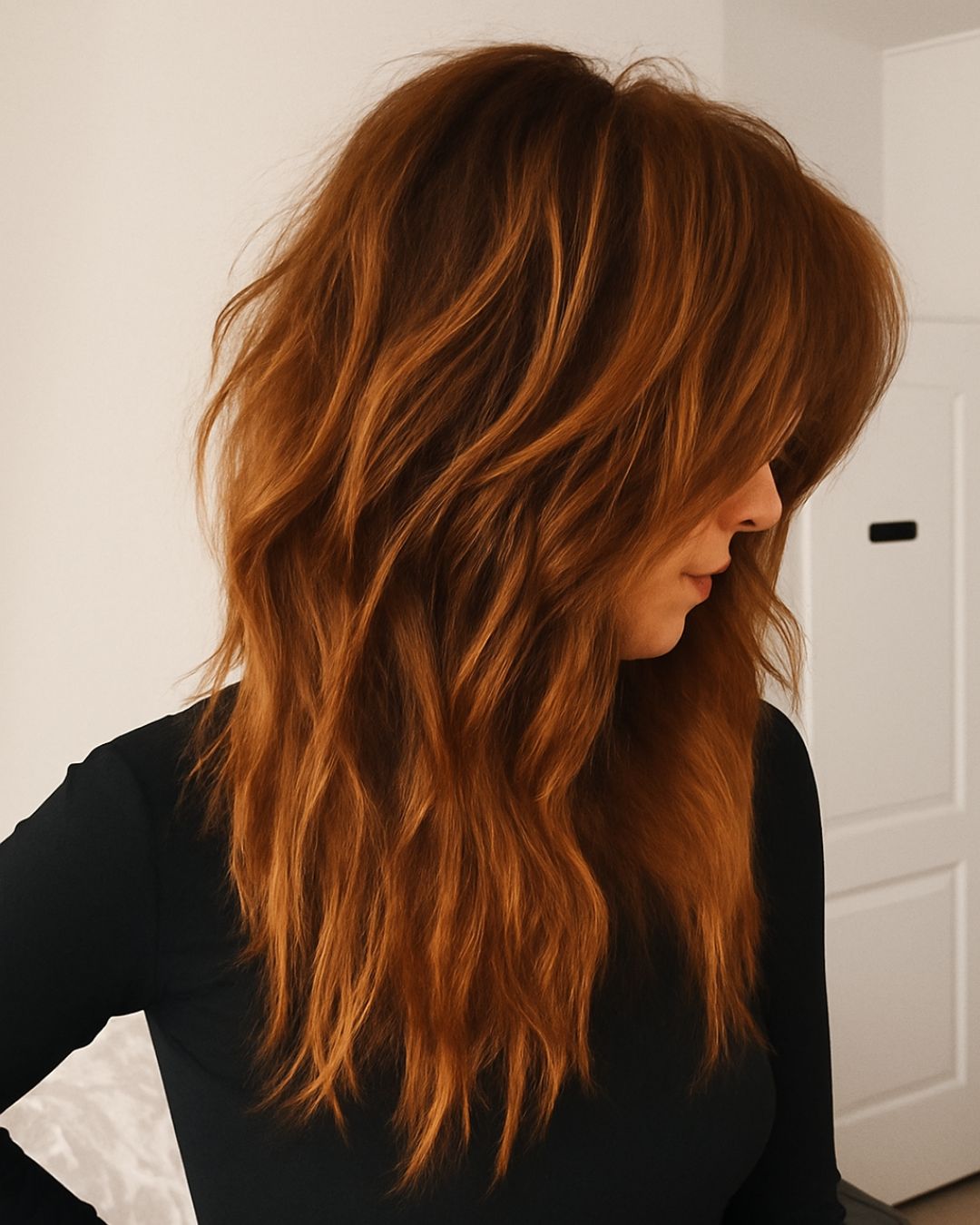
How do you get a haircut that actually looks better as it grows out? Ask your stylist for a mid-back shag, voluminous layers, curtain bangs, and a copper brown color. That warm copper tone lands especially well when the weather turns cool, giving you something that reads as naturally rich rather than salon-fresh. The thick wavy texture and air-dried finish keep the whole thing low-effort. A sea salt spray on damp hair enhances the wave without a diffuser. Trims every eight to ten weeks preserve the layer shape.
Dark Blonde Balayage With Curtain Bangs

A dark blonde balayage is built by hand-painting lighter pieces onto a deeper base, so the color lands softly at the ends. For this mid-back length with curtain bangs, the balayage creates dimension without a hard grow-out line. Ask your colorist for: mid-back length, curtain bangs, dark blonde balayage, middle part. The technique works best on thick, wavy hair that can handle the lighter sections without looking sparse. A blowout with a round brush gives the volume you see here, but the cut still moves well when air-dried.
Dark Blonde Mid-Back With Layered Bangs
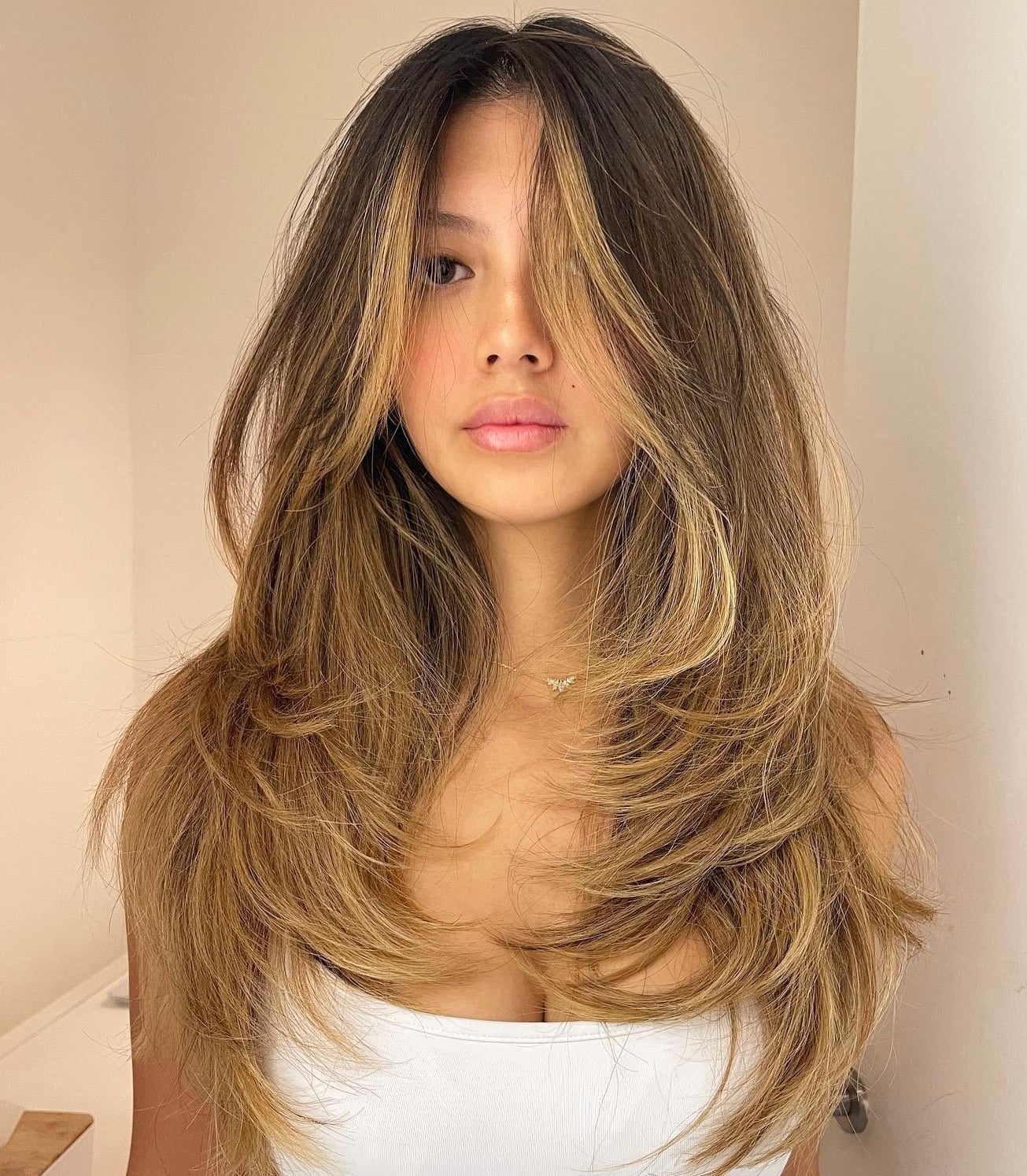
Curtain bangs at mid-back length do something useful: they soften a square jaw and balance a long face, all while keeping the overall shape wearable. The long layers here are cut into thick, wavy hair with a middle parting, so the movement starts at the cheekbone and continues down. Ask your stylist for: mid-back length, long layers, curtain bangs, dark blonde highlights. The dark blonde base with lighter highlights adds depth without needing a full color overhaul every month. A smoothing balm on damp hair gives the glossy finish, but the cut also holds a natural wave on second-day hair.
Side View Mid-Back Shag With Waves
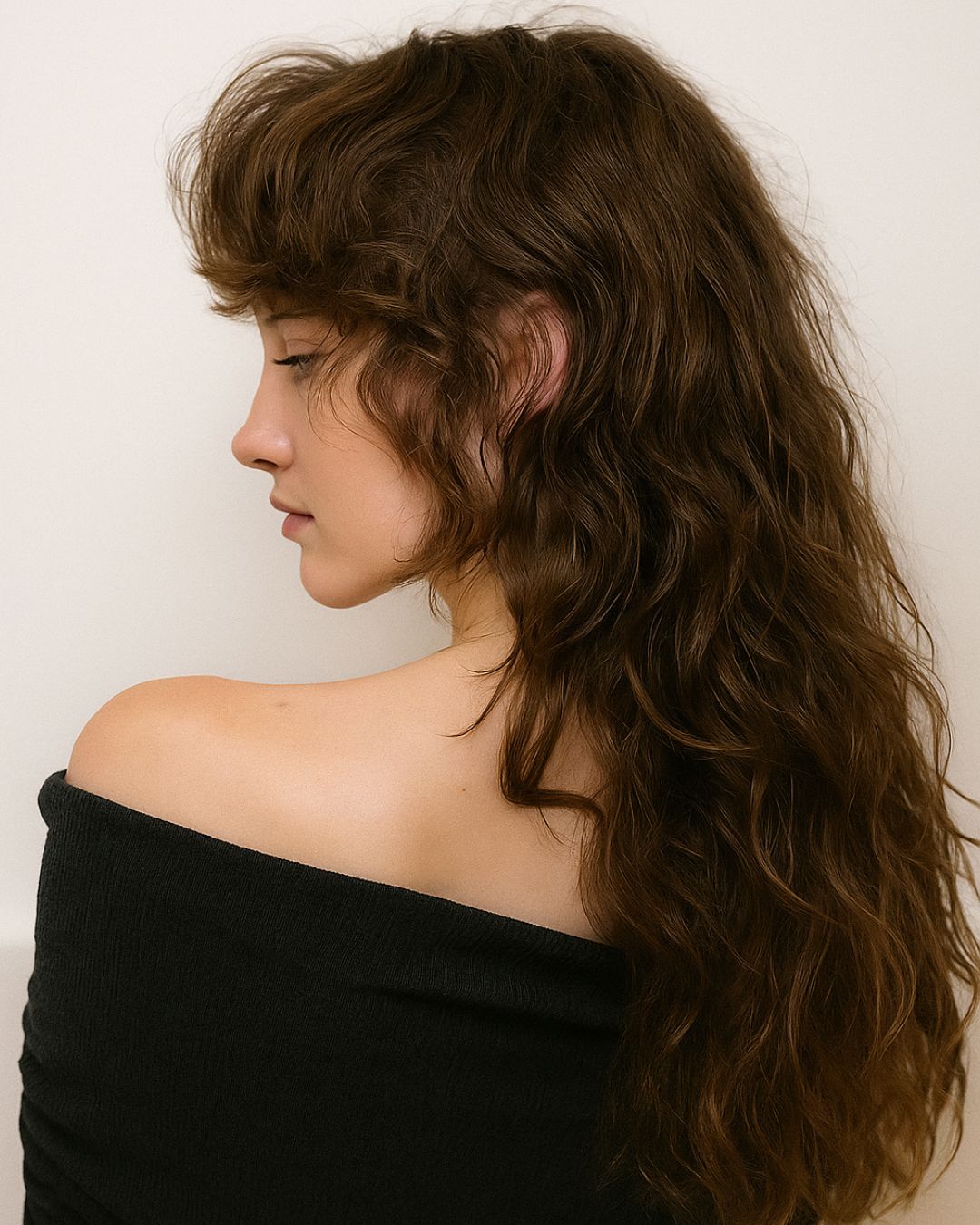
A side view tells you what a front view hides: the shag cut here stacks weight at the mid-back and releases it through face-framing curtain bangs. That shape relies on regular trims to keep the layers from merging into one blunt line. Ask your stylist for: mid-back shag, curtain bangs, side part, voluminous layers. The dark brown base with subtle highlights keeps the dimension subtle, not streaky. Scrunching a texturizing cream into damp hair and air-drying produces the wavy blowout effect without heat. Plan a trim every six to eight weeks to maintain the shag silhouette.
Dark Brown Long Layers With Caramel Balayage
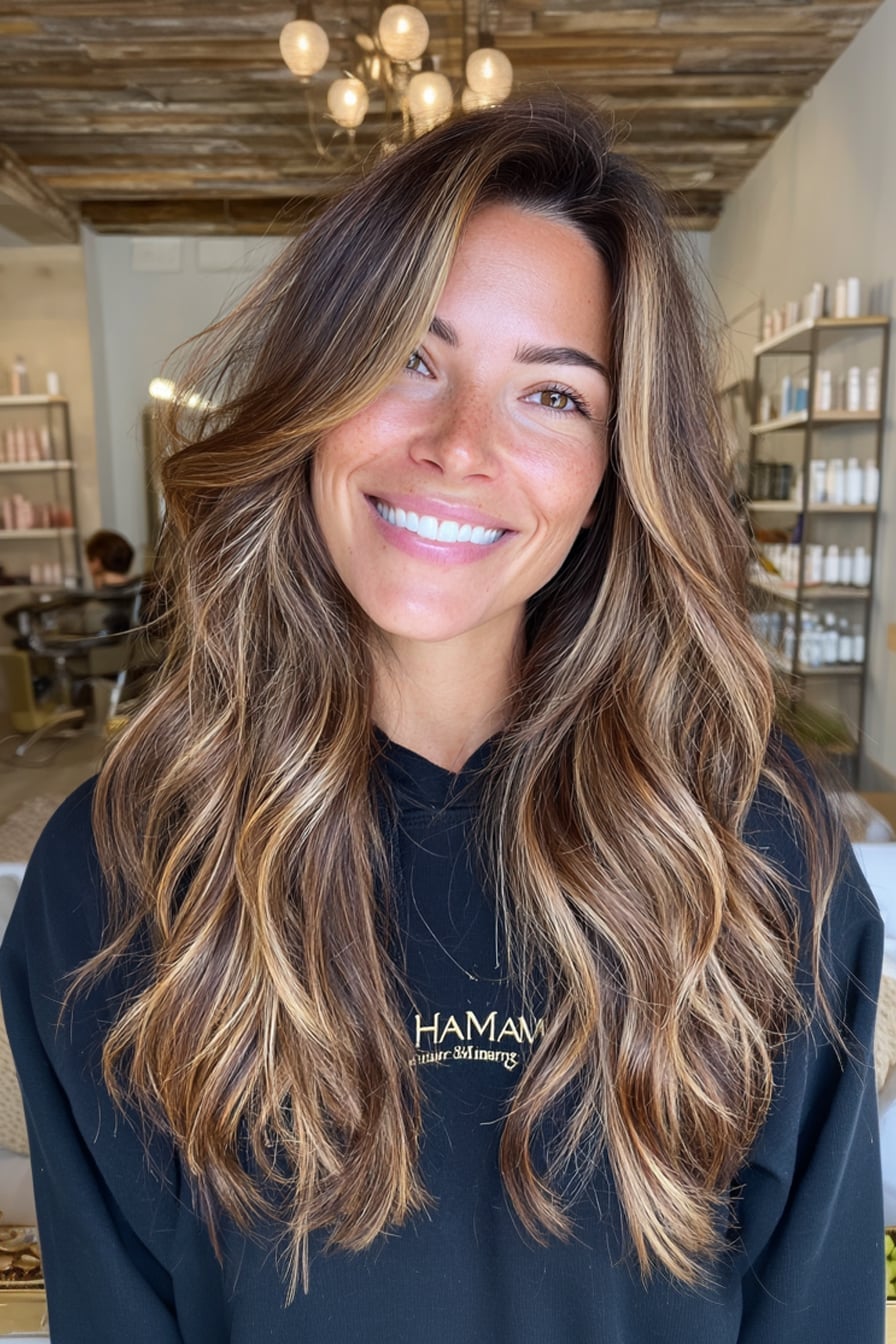
A long layered cut without bangs is straightforward: the shape depends entirely on the layering to provide movement. Here, caramel balayage on a dark brown base creates noticeable dimension from the mid-lengths down, so the hair appears thicker. Ask your colorist for: long layers, caramel balayage, dark brown base, side part. Balayage needs a toning appointment every eight to ten weeks to keep the caramel from turning brassy, and the lack of bangs means the face-framing effect relies on the front layers alone. Medium-density, wavy hair carries this cut best.
Mid-Back Waves With Brown Blonde Balayage
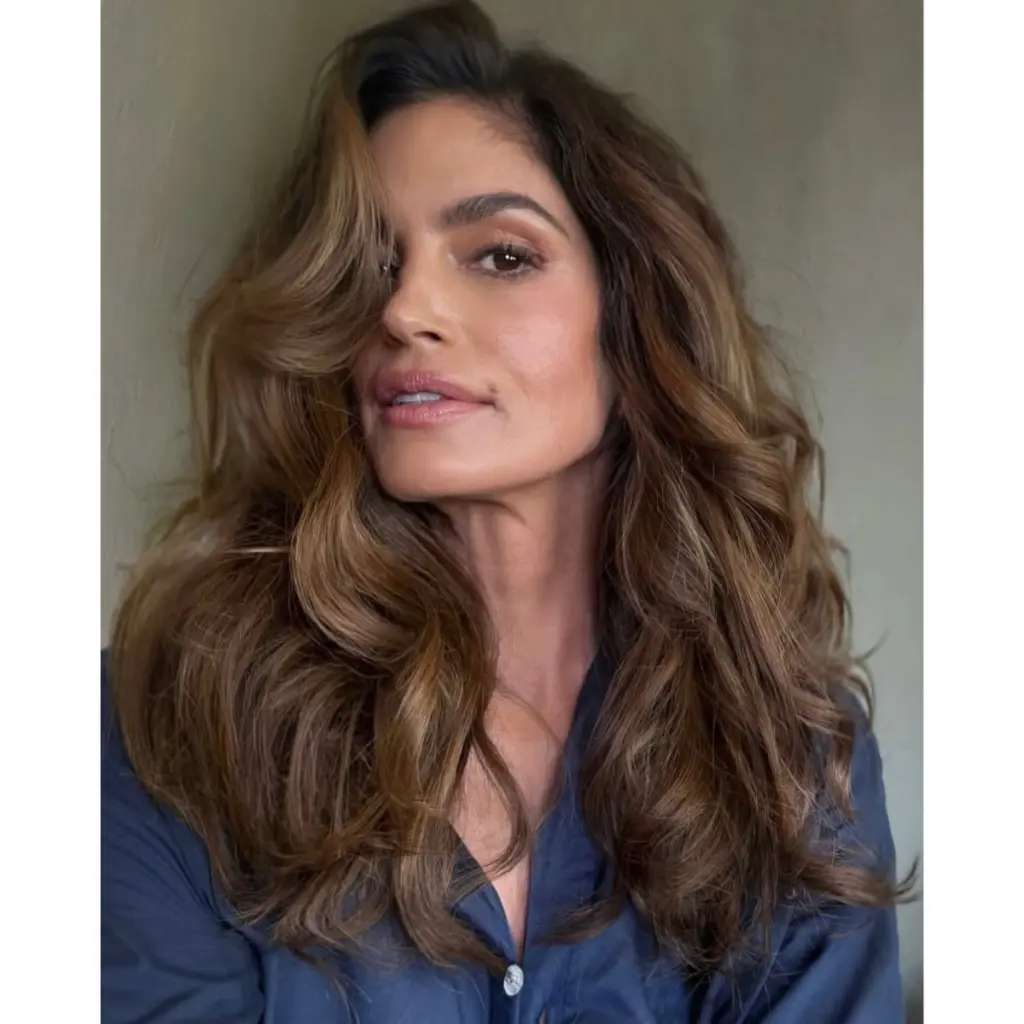
This is a lived-in color story: a warm brown base with hand-painted blonde balayage that starts below the ears and melts into loose, voluminous waves. The side parting and mid-back length keep the focus on the thick, wavy texture, which is what makes the grow-out so forgiving. Ask your stylist for: mid-back length, loose waves, brown blonde balayage, side part. Balayage is painted on the surface, not foiled to the root, so the blonde lands where the light hits and the brown stays deep at the scalp. That soft contrast means the color grows out without a hard line, stretching the time between salon visits to about twelve weeks. The cut looks polished but not fussy, and the waves give the mid-lengths movement without sacrificing the density that makes the hair look fuller.
Thick Mid-Back Straight Hair With Shine
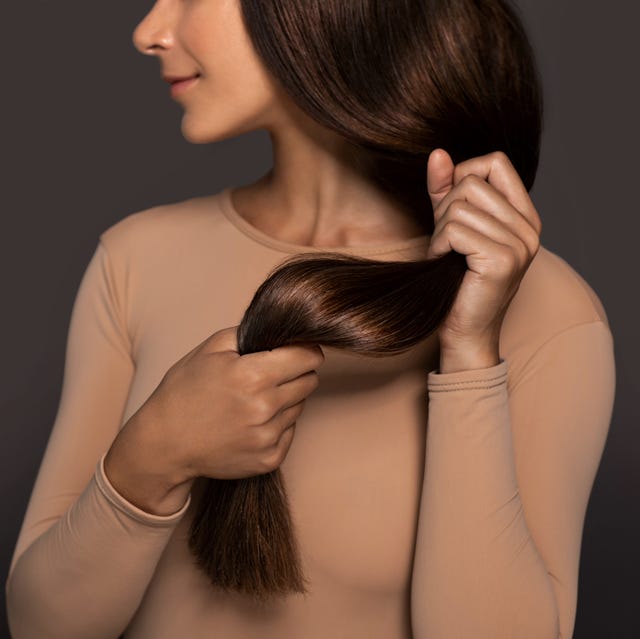
How do you get that glass-like finish at home without a flat iron? Start with thick, straight hair that reaches mid-back, then work in sections. Apply a heat protectant, blow dry with a round brush, and finish each section with a cool shot to seal the cuticle. A shine serum on the mid-lengths and ends adds the gloss, while the side parting keeps the style from falling flat. Ask your stylist for: mid-back length, smooth finish, side part, subtle highlights. The long layers are minimal, just enough to remove weight and let the hair swing. This is a DIY-friendly style: about twenty minutes with a dryer if your hair cooperates. A salon blowout lasts a few days, but the at-home version looks just as healthy.
Mid-Back Blonde Wavy Hair With Gloss
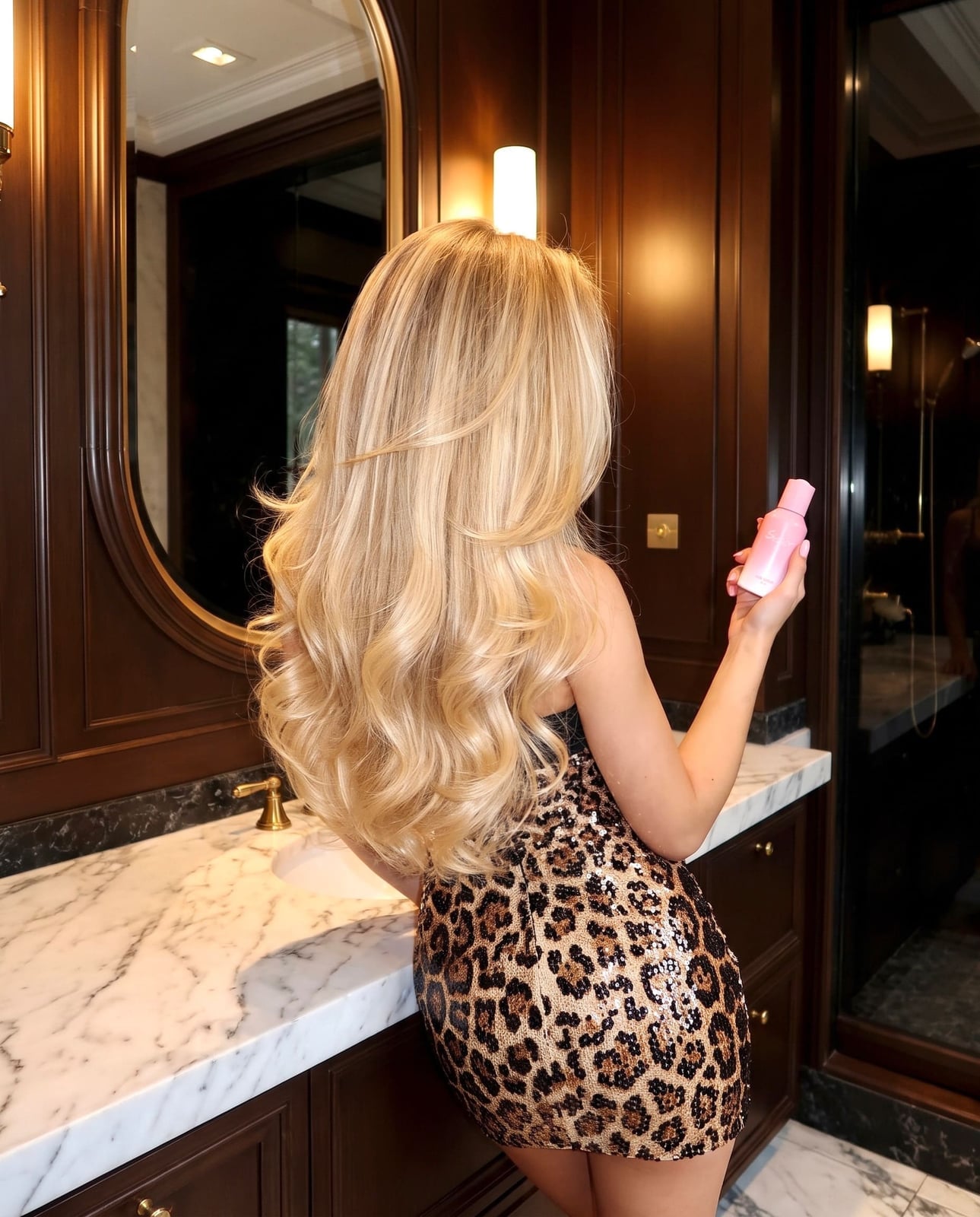
This is the style for anyone with thick, wavy hair who wants shine without fighting the texture. The mid-back length and soft layers let the natural wave stack and move, and the blonde tone catches light in a way that reads as healthy. A side parting adds volume at the crown, which is where a lot of waves tend to fall flat. Ask your stylist for: mid-back length, soft layers, blonde color, side part, glossy finish. If your hair is fine or straight, this exact cut can feel limp; the layers need some wave to hold their shape. The gloss is the real workhorse here, a clear gloss treatment every six to eight weeks keeps the blonde bright and the texture smooth. It’s a salon-built look that air-dries better than most.
Collarbone Braid With Blonde Highlights
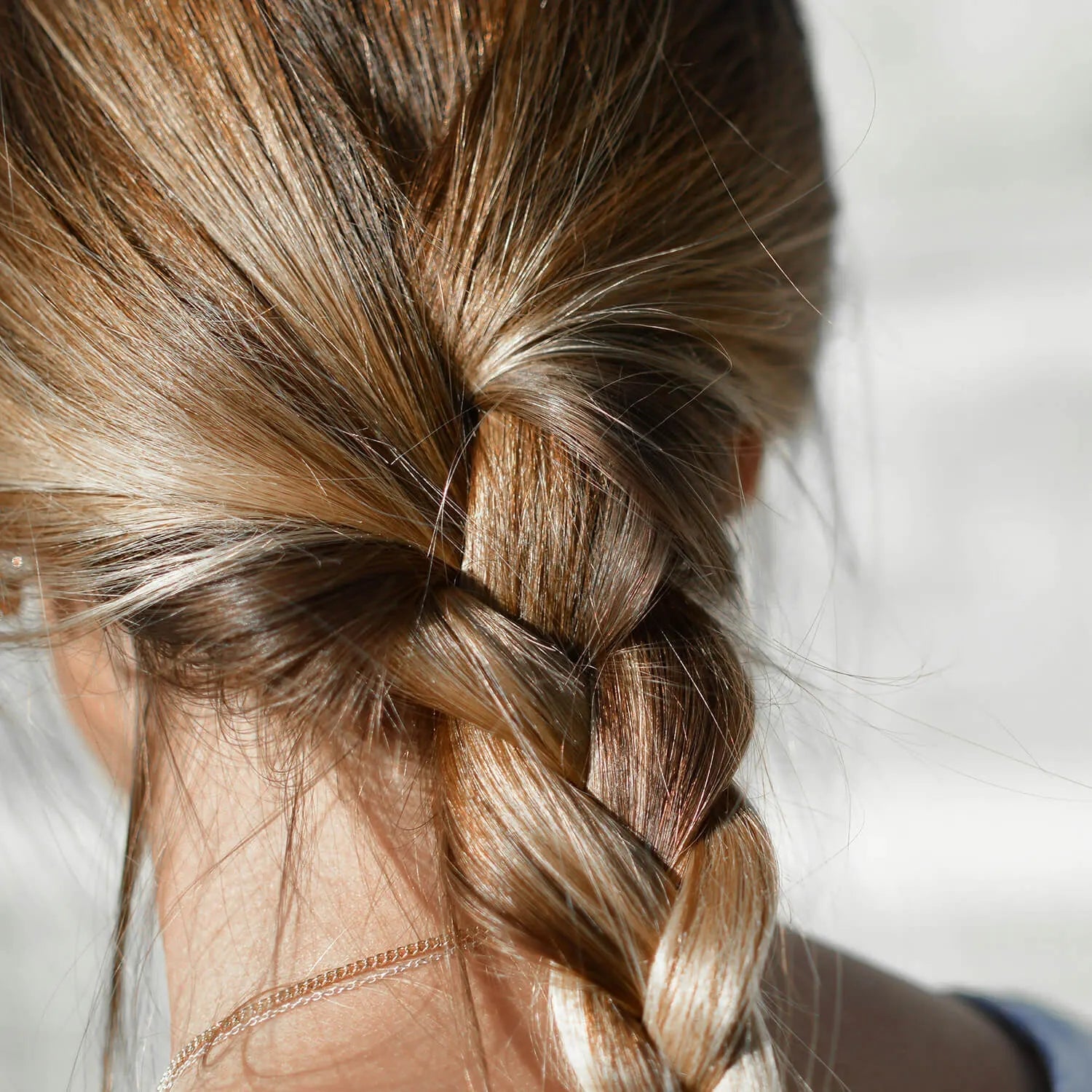
Against a longer, heavier braid, this collarbone length version is the practical pick. The shorter length keeps the braid from swinging into your coffee, and the thick, wavy texture gives it substance instead of a thin tail. The blonde highlights add dimension so the braid looks styled, not just a way to get hair out of your face. Face framing wisps soften the front, which a longer braid often lacks. Ask your stylist for: collarbone length braid, blonde highlights, face framing wisps. It works on most hair types, but fine hair will need a texturizing spray first to give the braid grip. Secure it with a clear elastic and set with light hairspray, and it holds through a full day of errands.
Collarbone Lob With Honey Blonde Balayage
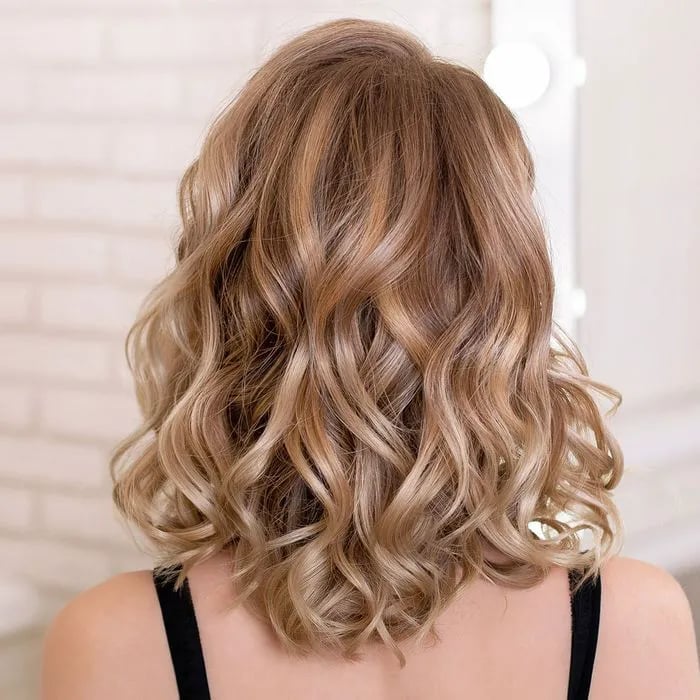
The collarbone lob is built on a single trick: the honey blonde balayage is painted to follow the curve of the waves, so the color moves with the hair instead of sitting in blocks. The curtain bangs frame the face and blend into the layers, which keeps the lob from feeling blunt at the ends. Medium density hair carries this best, since the soft waves need enough body to hold shape without looking sparse. Ask your colorist for: collarbone lob, curtain bangs, honey blonde balayage, side part. The balayage starts a few inches from the root, so the grow-out is gentle and the color stays dimensional for months. It is a cut that works for a quick blowout or a natural air-dry, and the finish is polished either way.
Collarbone Layers With Medium Brown Highlights
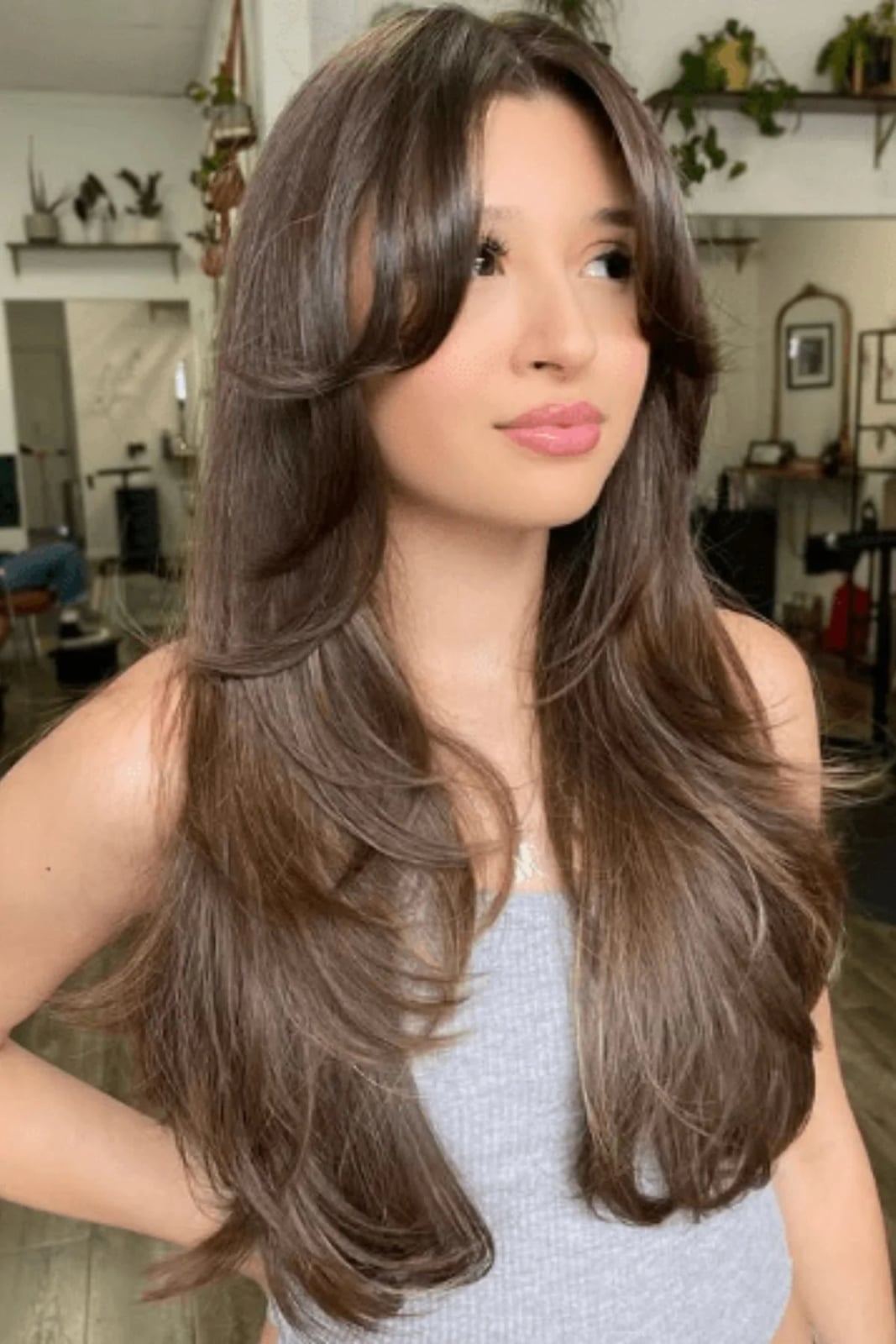
Can a haircut make your hair look thicker while it grows? A collarbone-length cut with long layers and soft curtain bangs is a solid bet. The medium brown base with subtle lighter highlights adds dimension, and the middle parting and blowout create volume at the roots. Ask your stylist for: collarbone length, long layers, curtain bangs, medium brown highlights. This cut works best on thick, straight hair, and the curtain bangs suit most faces. Blow-dry the bangs with a round brush to keep the shape from falling flat.
Collarbone Feathered Layers With Soft Waves
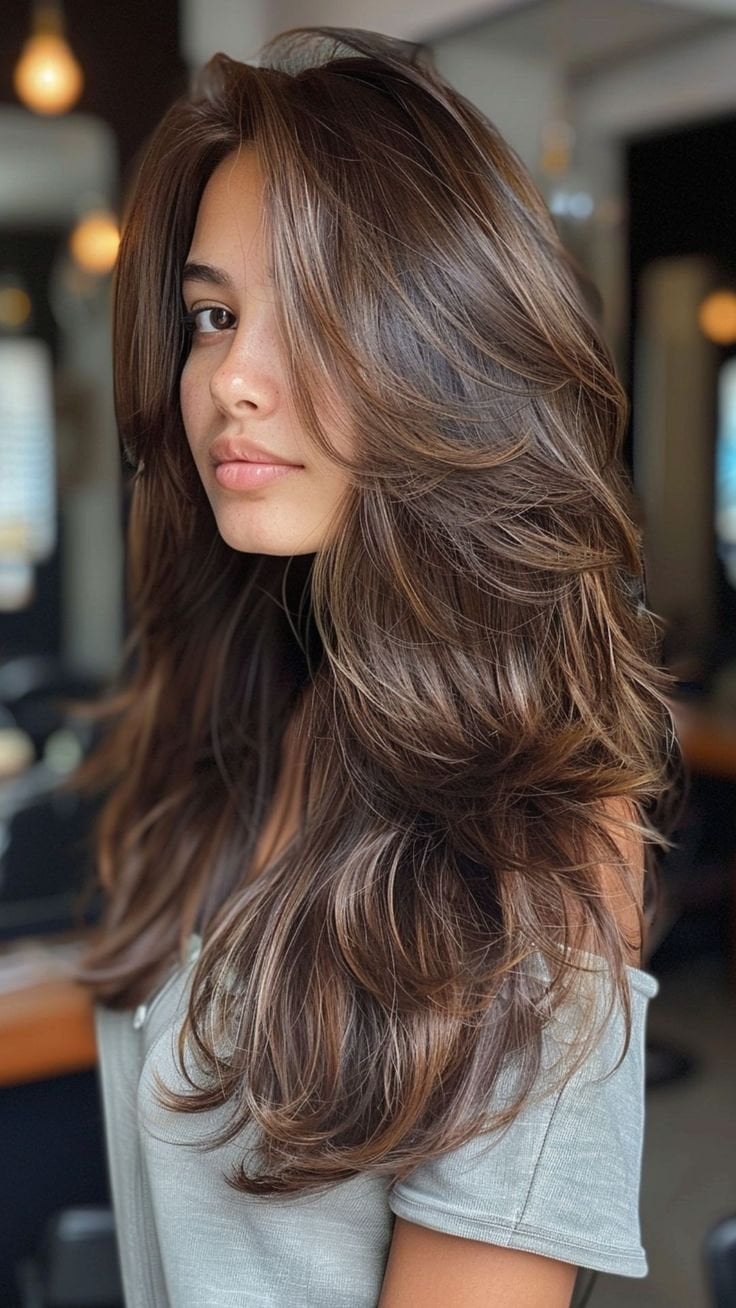
The design here is straightforward: collarbone-length hair with feathered layers and subtle lighter brown highlights, styled with a side parting and soft waves. Feathered layers add movement without sacrificing length, which is the point when you’re growing it out. Ask your stylist for: collarbone length, feathered layers, soft waves, side part. A texturizing spray helps the waves hold their shape, and a trim every six to eight weeks keeps the feathered edges from looking ragged.
Collarbone Bob With Face-Framing Pieces
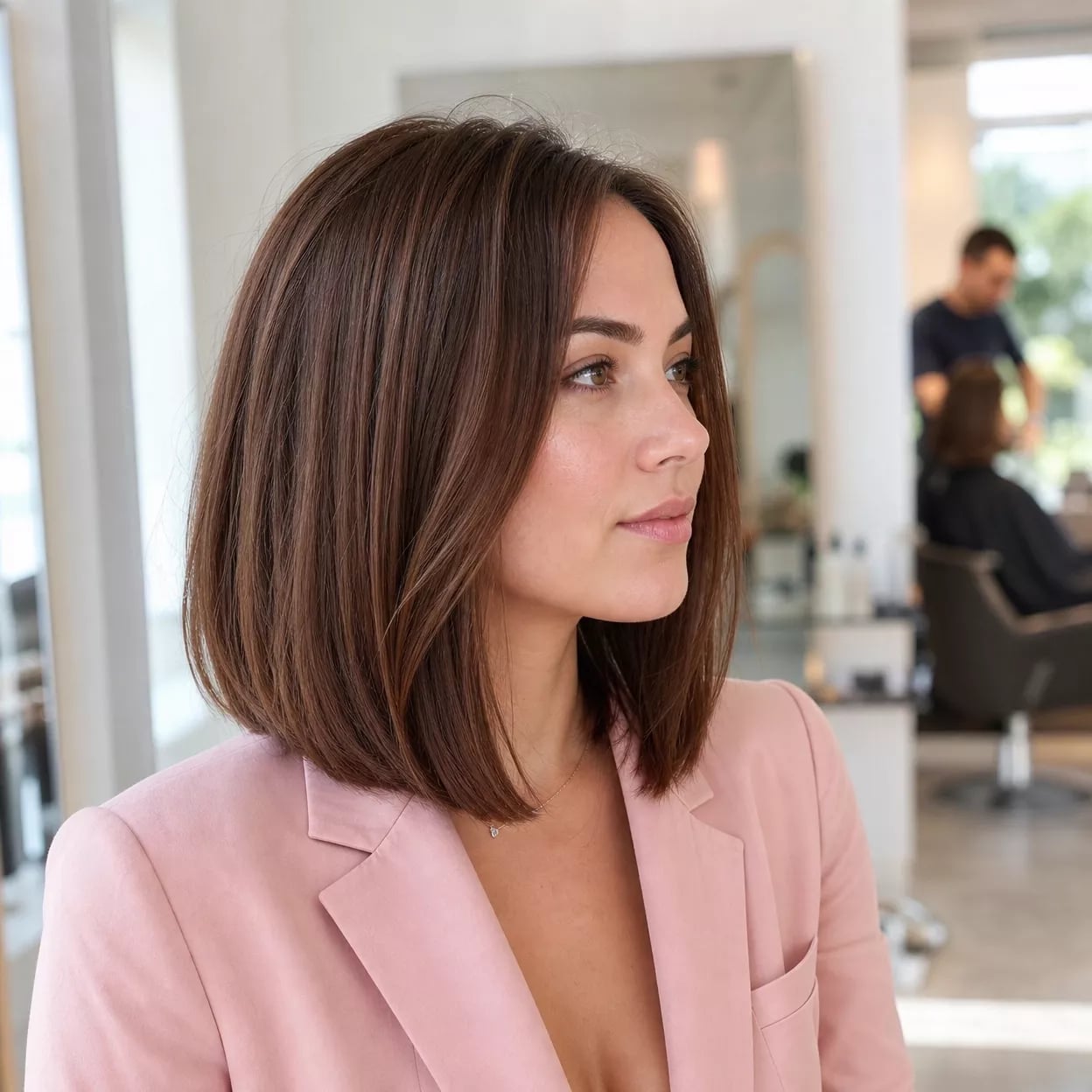
A collarbone bob with subtle layers and soft face-framing pieces works best on fine to medium straight hair. The smooth blowout with a slight inward curve at the ends gives the illusion of density, and the side parting keeps the shape from feeling too severe. Ask your stylist for: collarbone bob, subtle layers, face-framing pieces, side part. The face-framing pieces soften angular jawlines, which is a practical bonus for a cut that already does the heavy lifting of making hair look fuller.
Collarbone Layers With Dark Blonde Highlights
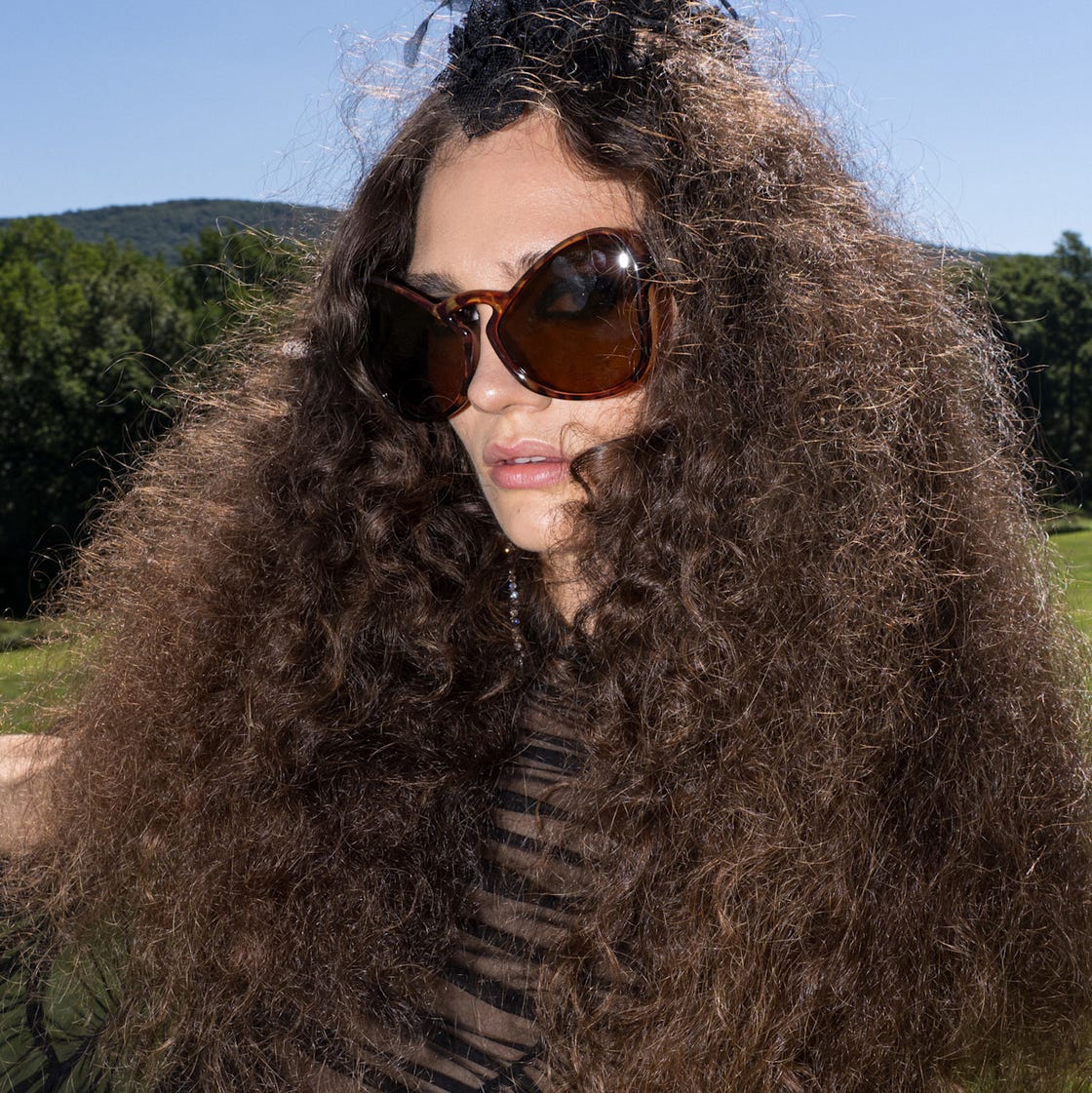
Why does this cut feel right for warmer months? The dark blonde base with blonde highlights mimics healthy, growing hair. Soft face-framing layers and curtain bangs styled with a voluminous blowout add body without weighing the ends down. Ask your stylist for: collarbone length, layers, curtain bangs, dark blonde highlights, side part. A volumizing mousse at the roots helps the blowout last through a humid afternoon, and the curtain bangs need a trim every four to six weeks.
Collarbone Layers With Caramel Highlights
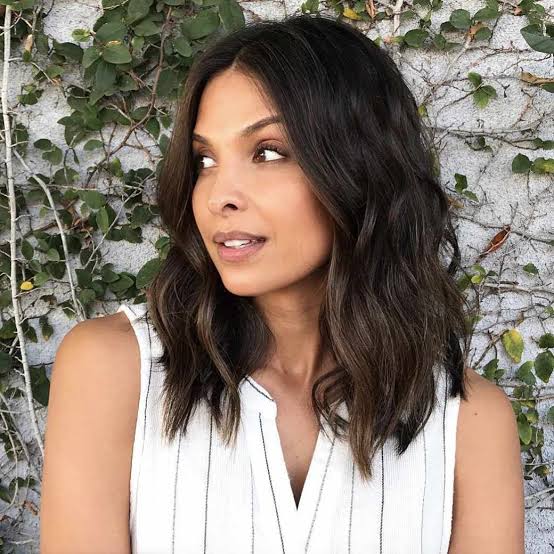
The side parting and loose waves add texture, but the face-framing pieces are the trade-off. They sit right at the jawline, which means they need a trim every eight to ten weeks to avoid looking overgrown. Ask your stylist for: collarbone length, long layers, face-framing pieces, caramel highlights, side part. This cut suits medium-density wavy hair, and the highlights add dimension without a heavy salon commitment.
Shoulder Length With Gray Blonde Highlights
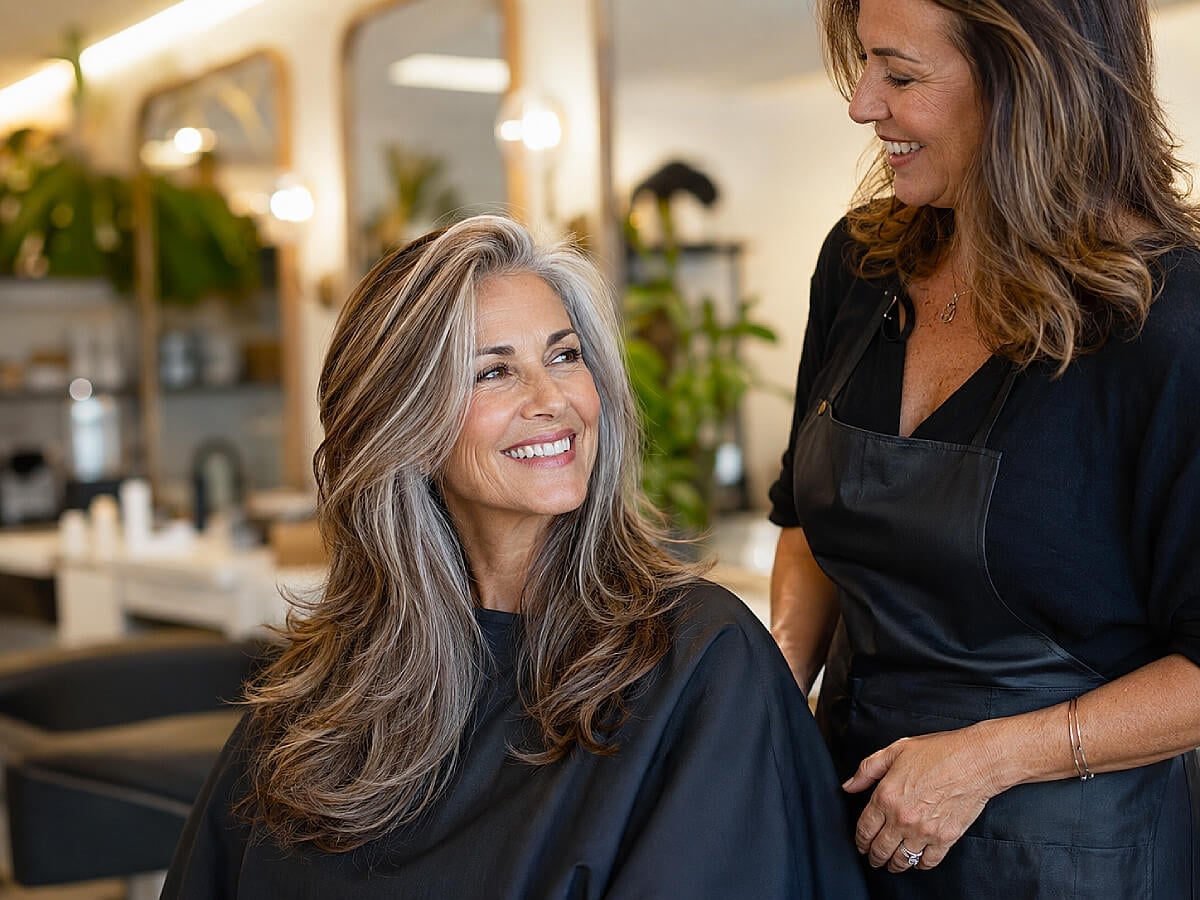
This cut pairs soft layers and curtain bangs with a side part, then lets gray and blonde highlights create contrast. Thick, wavy hair at collarbone length shows the difference between the brown base and lighter pieces. Ask your stylist for: shoulder length, layers, curtain bangs, gray blonde highlights, side part. A purple shampoo every other wash keeps the blonde from turning brassy.
Shoulder Length Blunt Cut With Natural Waves
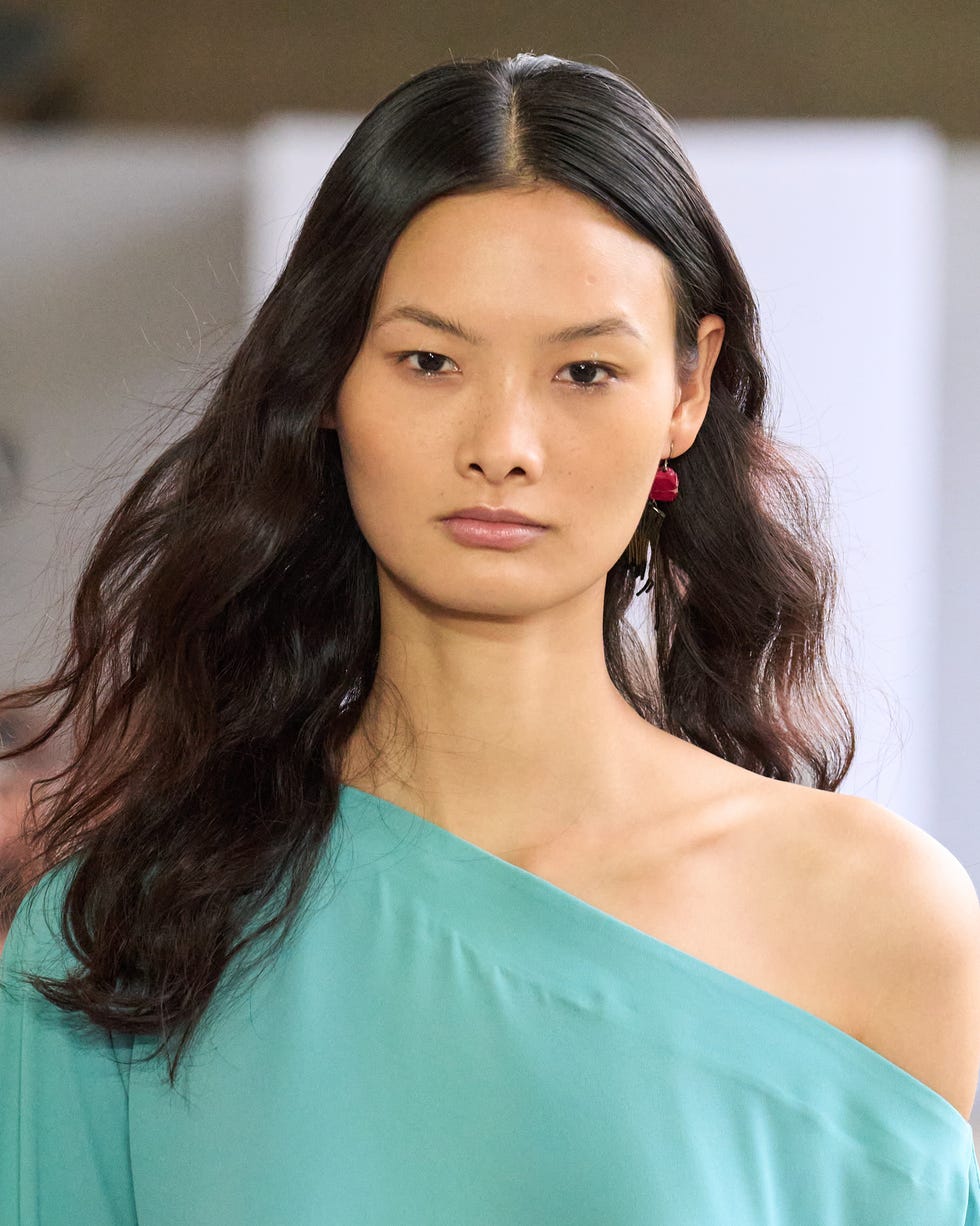
This is what happens when you skip the flat iron and let your hair do what it wants. The blunt cut keeps the ends dense, while subtle layers let the natural waves form without looking choppy. It is not a polished blowout, and that is the point. Ask your stylist for: shoulder length blunt cut, subtle layers, middle part, natural waves. A leave-in conditioner controls frizz, and a trim every eight weeks maintains the clean line.
Curly Hair Various Lengths With Highlights
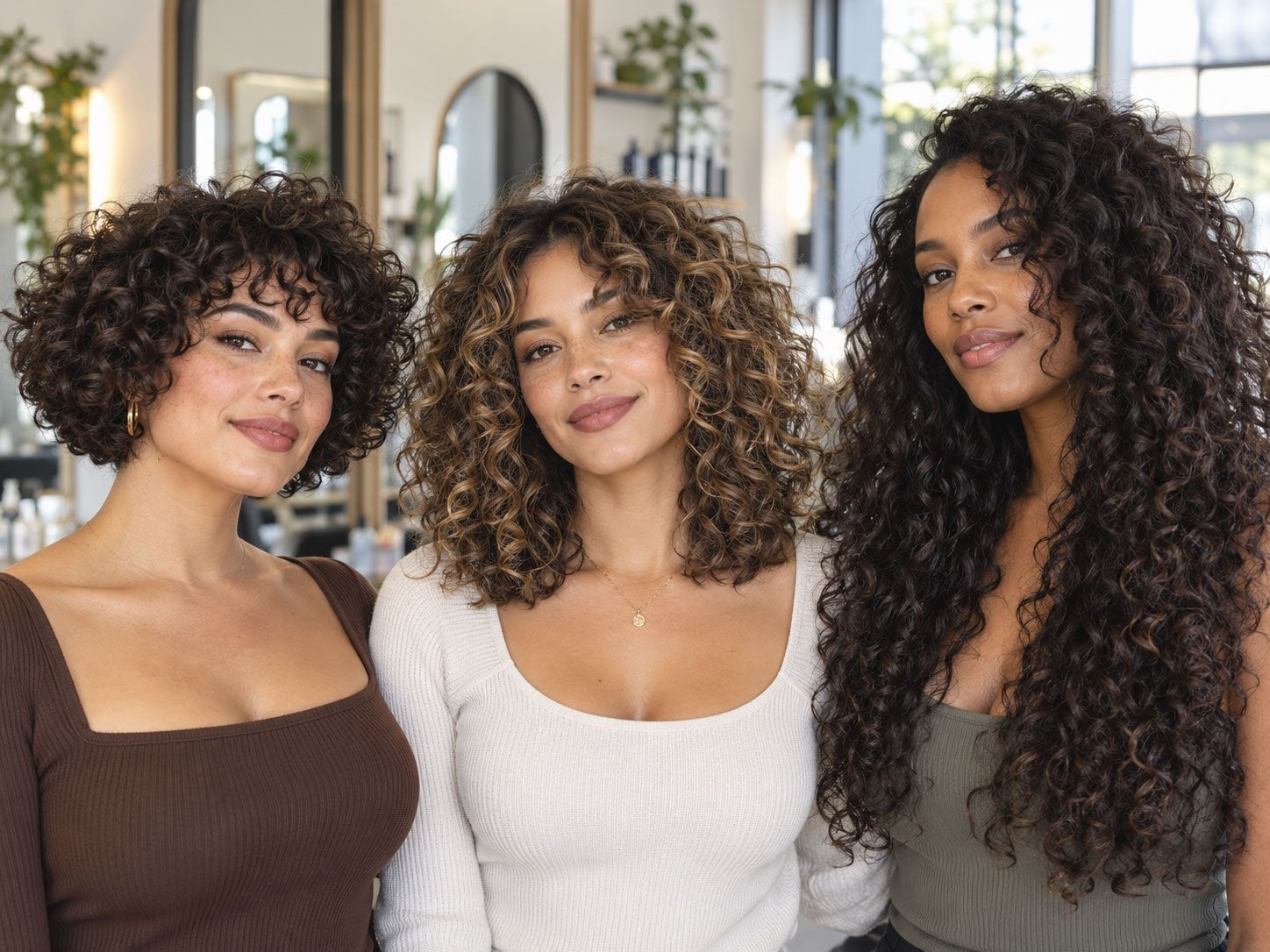
Does your curl pattern vanish under too much weight? Layers fix that. The middle subject here shows shoulder-length curls with highlights that add dimension without sacrificing definition. Short, tight curls need less layering; long, heavy curls need more. Ask your stylist for: defined curls, shoulder-length, highlights. A curl-defining cream and a diffuser on low heat shape the texture without frizz, and a trim every ten weeks keeps the ends healthy.
The key is letting the curl shape dictate the cut, not the other way around. For thick hair, layers remove bulk while keeping volume. For finer curls, keep the layers minimal to avoid losing density.
Long Coily Hair With Defined Curls
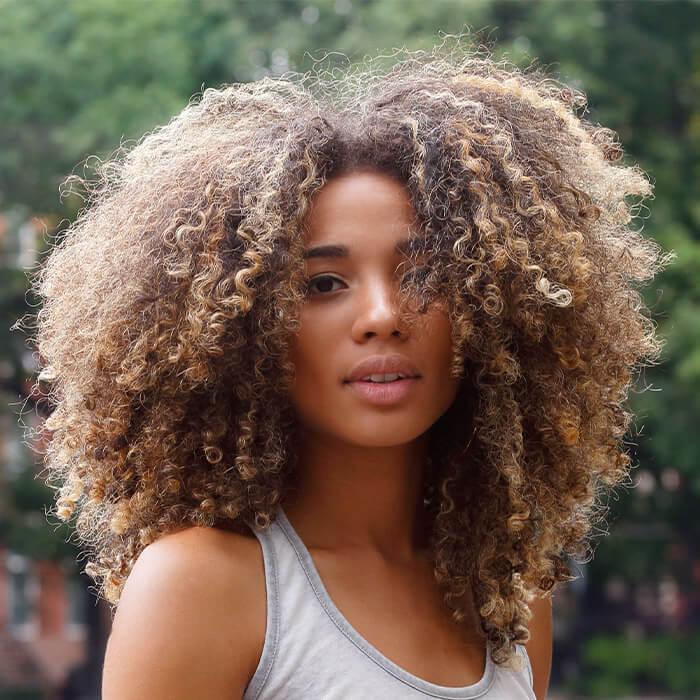
Defined coily curls start with how you handle them after washing, not in the chair. This look relies on the hair’s natural shape, so the cut is mostly about evening out the ends and adding subtle layers for volume. Ask your stylist for: long coily hair, defined curls, blonde highlights, middle part.
At home, apply a leave-in conditioner on wet hair, then finger-coil sections for uniform definition. A silk scarf at night preserves the shape. The blonde highlights add contrast without requiring frequent touch-ups, and a trim every twelve weeks removes any fraying ends.
Mid-Back Wavy Hair With Blonde Highlights, Thick
Air-dried waves at mid-back length do not have to look like you gave up. This shape works because the thick texture and blonde highlights create natural volume and movement without heat styling. Ask your stylist for: mid-back length, air-dried waves, blonde highlights, middle part. A curl cream applied to damp hair, then scrunched, encourages the wave pattern. A trim every eight weeks prevents the ends from thinning out while the length grows.
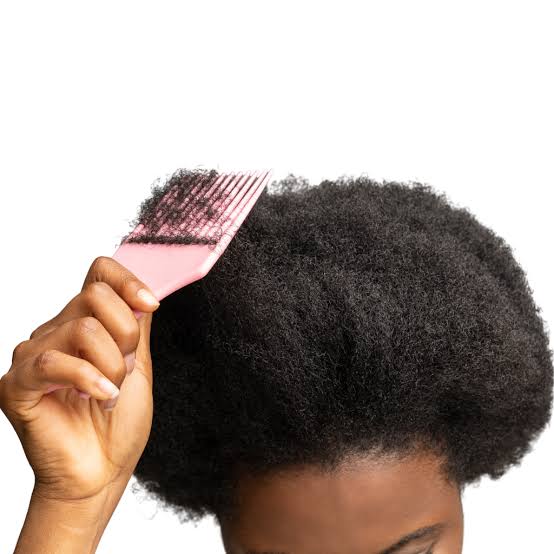
Mid-Back Dark Brown Hair Density Focus

Wondering if your thick, wavy dark brown hair actually needs a break from styling tools? A close look at the scalp and roots reveals what you might be missing: density and texture near the part. This mid-back length, styled naturally with a middle parting, shows that thick hair can still benefit from a gentle routine. Ask your stylist for: mid-back length, focus on density, natural styling. One real drawback: scalp visibility is more noticeable with very thick, wavy texture, so a weekly scalp exfoliation helps keep things balanced without adding weight. Gentle scalp massage and a volumizing shampoo are your friends here, not heavy conditioners near the roots.
Collarbone Ash Blonde With Face-Framing Bangs
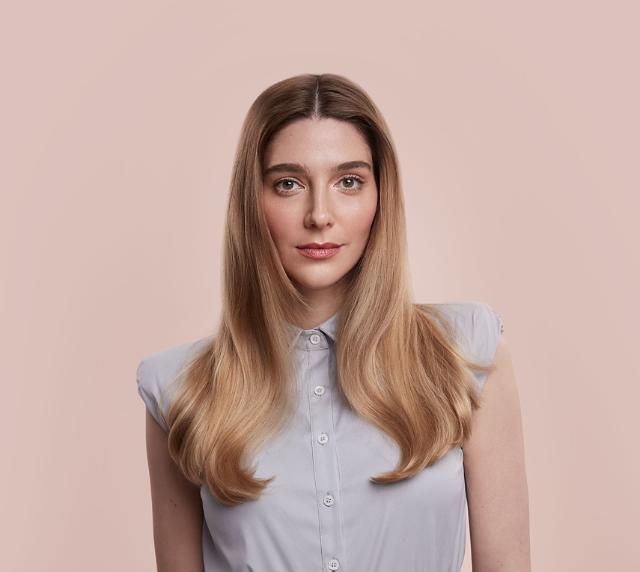
A root shadow fades into ash blonde, giving the color depth without a hard grow-out line. Soft layers end at the collarbone, and face-framing bangs curve around the face, all styled in a smooth blowout. Ask your colorist for: ash blonde with root shadow, collarbone length, soft layers, face-framing bangs. This ash blonde collarbone layers approach works best on wavy texture and a middle part, with the root shadow meaning you can push a toning appointment to every six to eight weeks instead of four.
Final Thoughts
For fine hair, stick to a blunt baseline with minimal, soft layers to preserve density. For thicker hair, embrace layers that remove weight and encourage movement. A trim every six to ten weeks prevents breakage and keeps the shape working for you, not against you.
- Trim ends every 6-10 weeks to prevent split ends and breakage.
- Use a wide-tooth comb on wet hair, starting from the ends and working up.
- Minimize heat styling; opt for air-drying or low-heat settings when necessary.
- Incorporate scalp massage techniques to stimulate circulation.
The right cut and style can make all the difference in how hair grows.
