

Soft face-framing layers and curtain bangs are the defining features of the current curly hair moment, moving the focus from texture manipulation to shape. The shift is toward cuts that let curls fall where they naturally want to, with lived-in color adding depth underneath.
This collection of 37 ideas spans from quick, DIY-friendly bobs to longer, layered cuts that need a salon appointment. Whether fine hair that needs density or thick curls that need volume control, there is a shape here that works. Curly hair natural means working with your texture, not against it, and that starts with the right cut.
Short Black Bob With Defined Curls
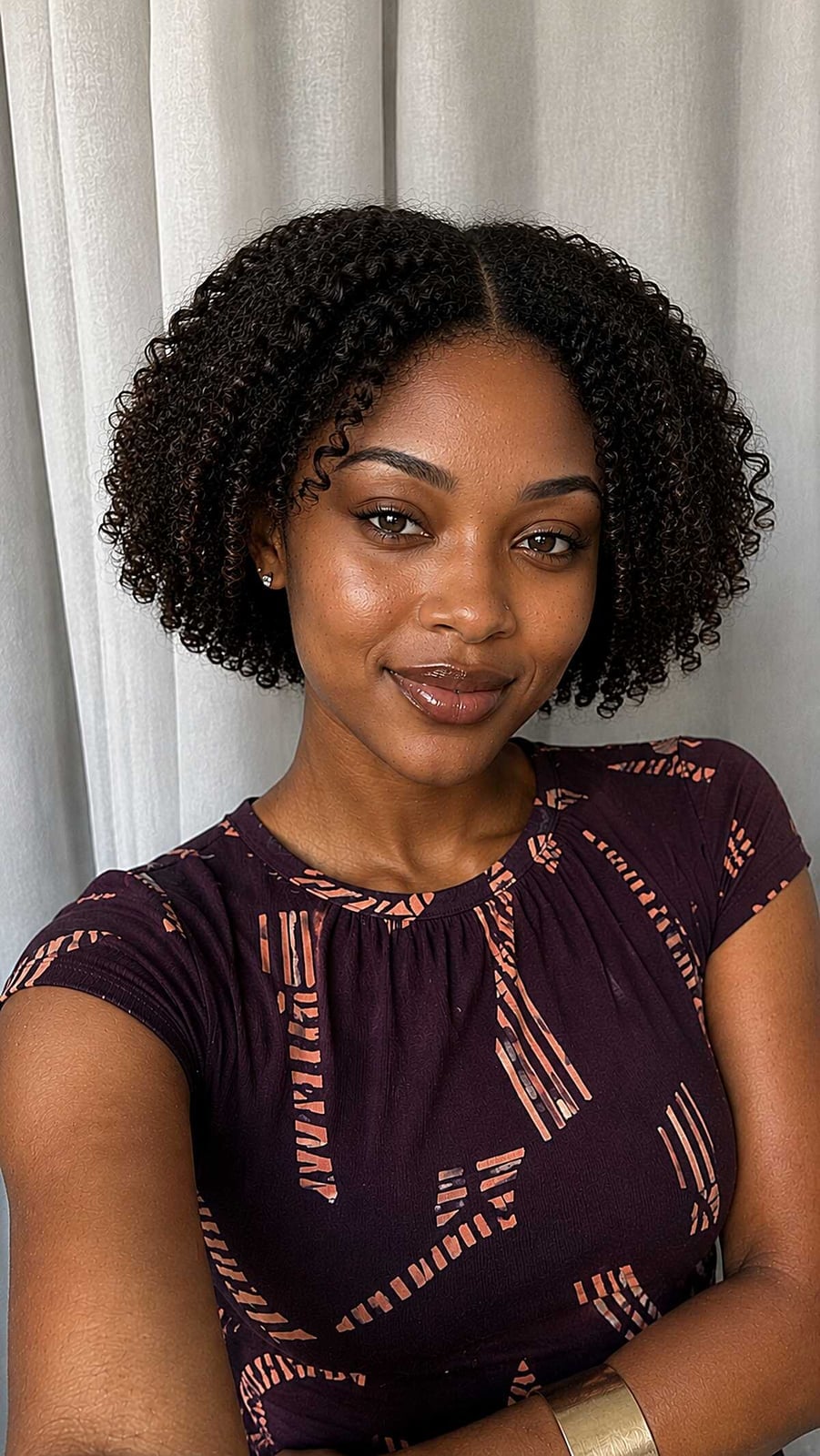
This cropped black bob stops at the ear, where the rounded silhouette gives fine to medium curl density a shape that holds its own. The middle parting keeps the volume balanced, and the air-dried finish means the definition comes from the cut, not a hot tool. Oval and heart-shaped faces get the most out of its proportions. Ask your stylist for a short black curly bob, ear length. Plan on a trim every six to eight weeks to keep the curve from turning into a triangle.
Short Layered Cut With Curly Bangs

Wondering how to get short curly bangs without the surprise shrinkage? Have them cut dry, curl by curl, so the spring factor is already accounted for. This ear-length layered cut with a side parting suits medium-density curls that need volume at the crown, and it softens round and square face shapes. Ask your stylist for a short layered curly cut with short curly bangs. The fringe needs a trim every four to six weeks, while the rest can go eight.
Black Bob With Short Curly Bangs
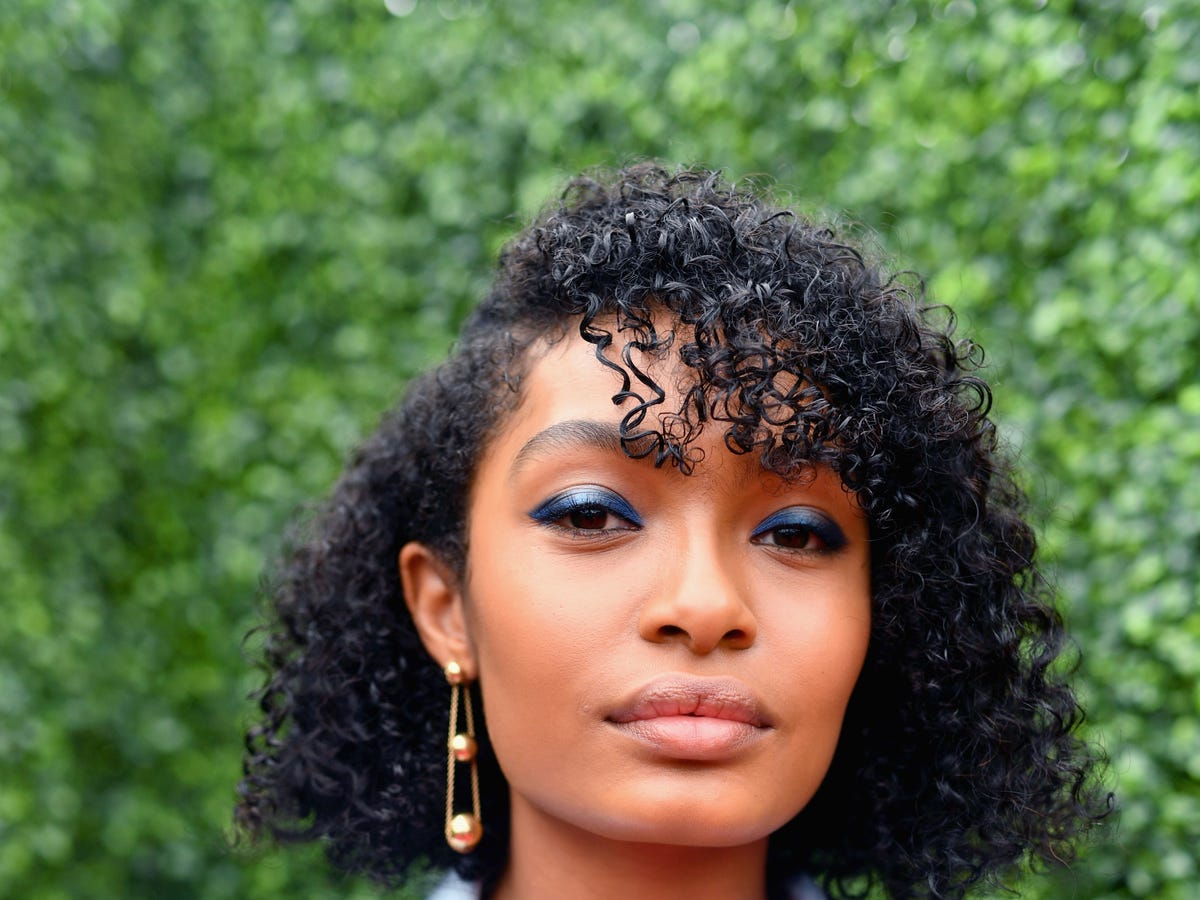
The precision here is in the fringe: short curly bangs cut to sit just above the brow, matched to a bob that ends at the ear. On thick curls, the middle parting gives the whole shape a balanced, deliberate weight. This cut suits oval and longer face shapes, since the compact outline adds width at the sides. Ask your stylist for a short black curly bob with short curly bangs. Diffuse on low heat to set the curl, and expect a bang trim every four weeks.
Short Layered Dark Brown Curls
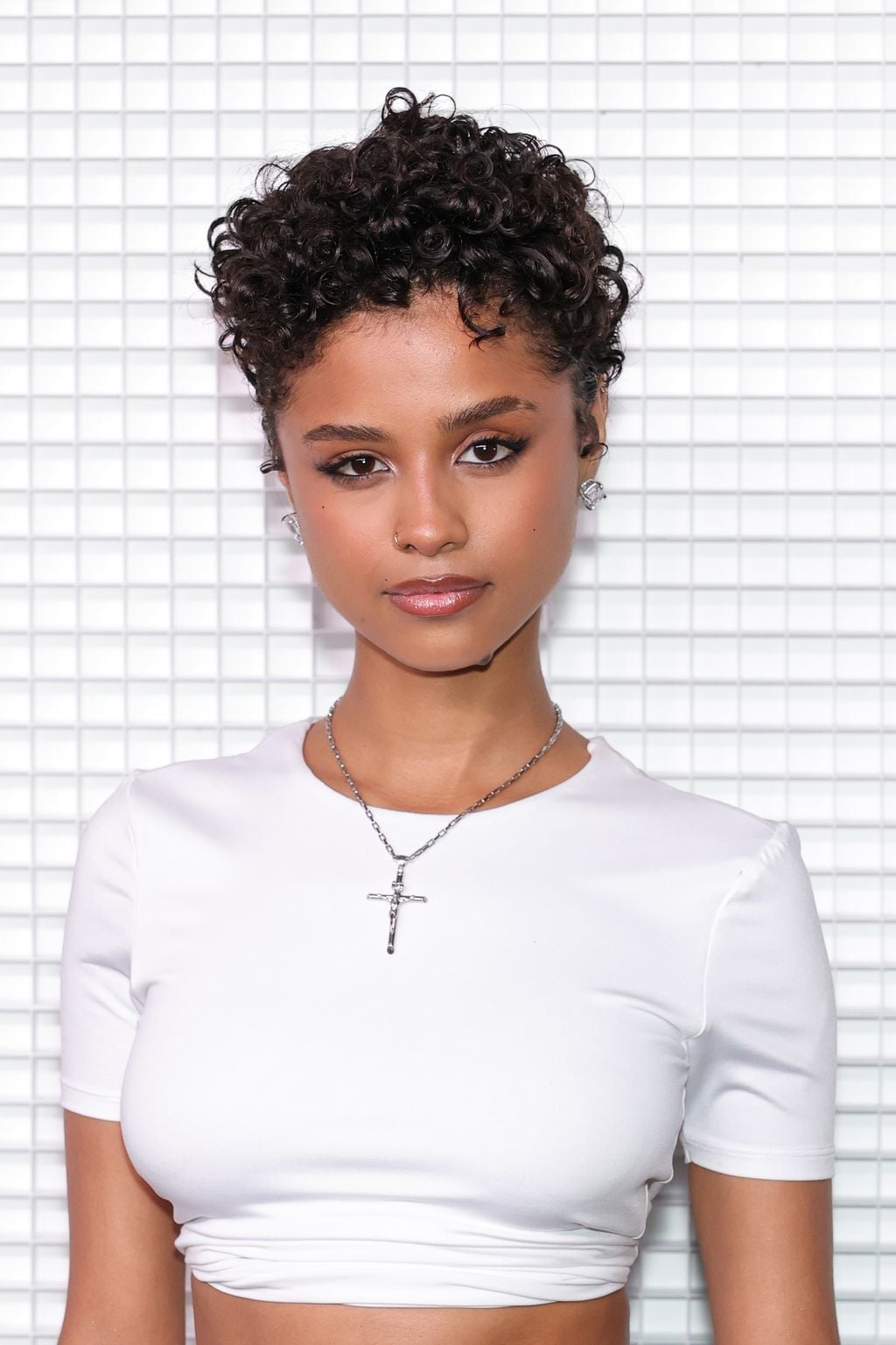
Unlike a blunt cut that can weigh fine curls down, this short layered version lets each coil move on its own. The ear length and slight side parting give fine, dark brown curls a lift at the roots without needing much product. It suits oval and round faces, where the layering adds height instead of width. Ask your stylist for a short layered cut for fine curls. A volumizing mousse on damp hair helps the air-dried texture hold its shape between trims, which land around every eight weeks.
Chin Length Bob With Short Bangs
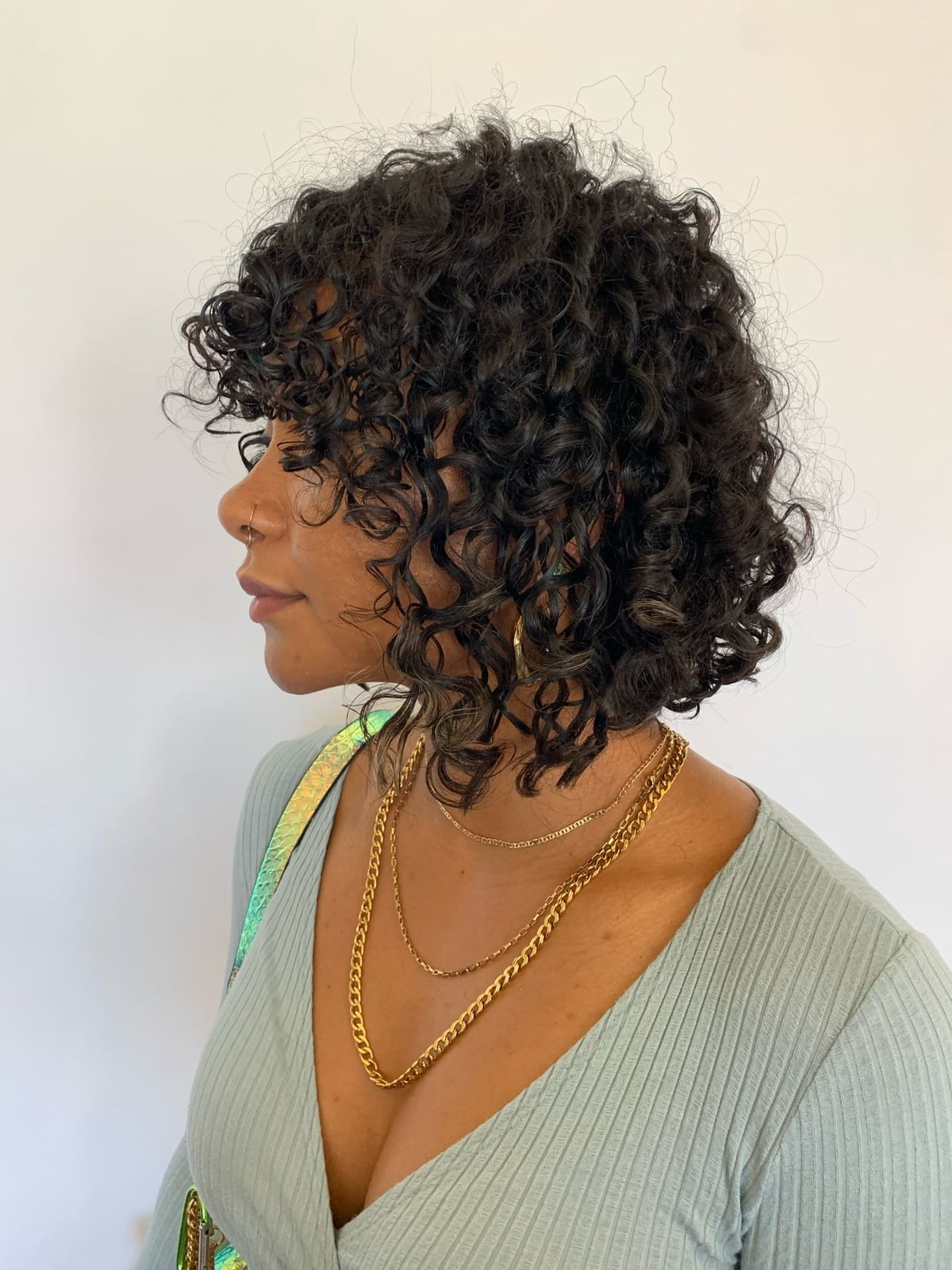
A chin-length bob with short bangs reads as a bold move on fine curly hair, but the structure is what makes it work. The side parting and air-dried finish keep the delicate texture from looking sparse. It flatters oval and long faces, where the chin-grazing line balances the length. Ask your stylist for a chin length bob with short curly bangs. While you can maintain this shape at home with regular trims, the initial cut is worth a professional hand to get the fringe right. Trim every six to eight weeks.
Fine Chin Length Bob
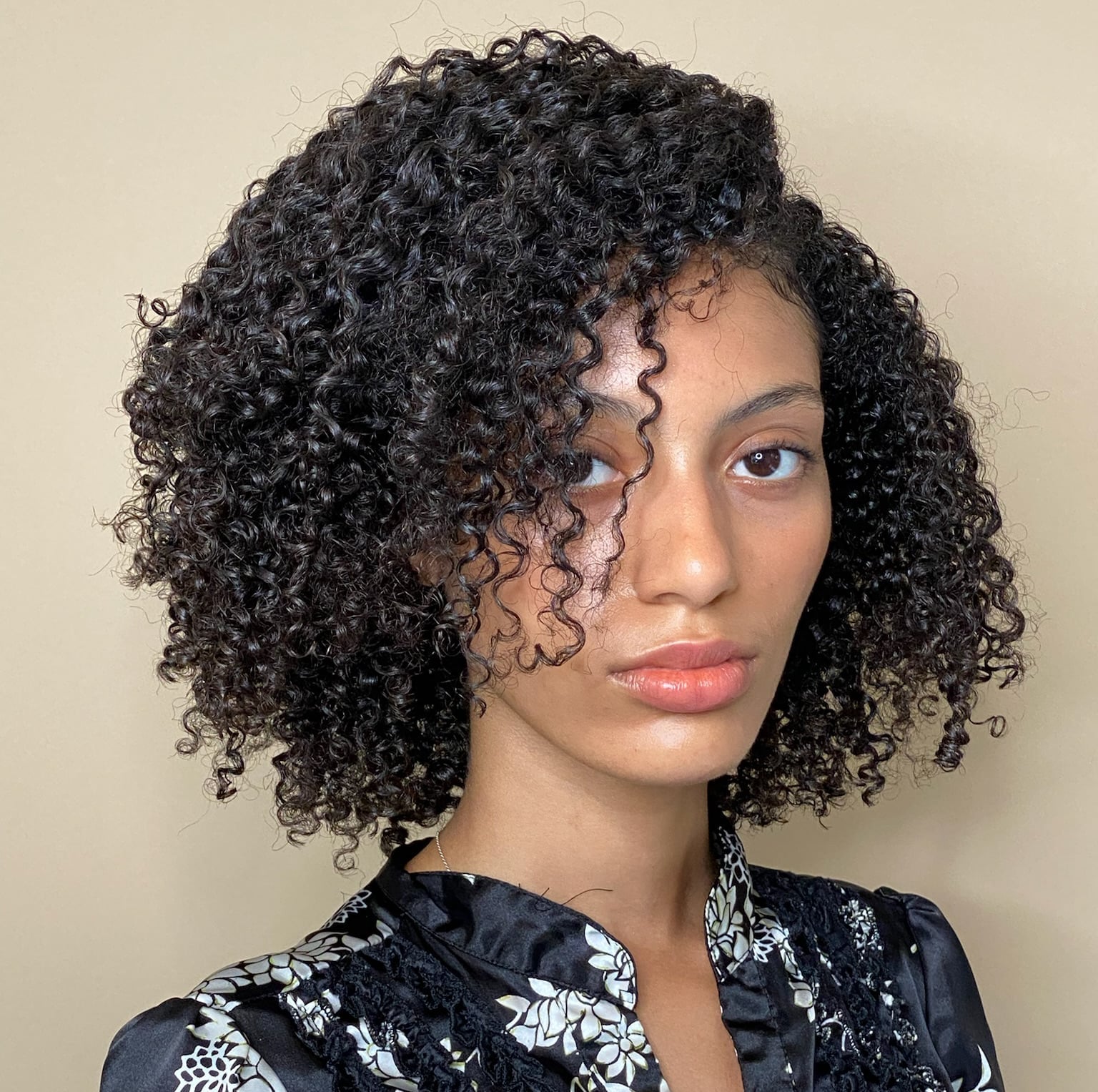
Fine curls need a bob that doesn’t deflate, and this chin-length version with a side parting gives them structure without weight. The shape is compact enough that the curls stack instead of spreading wide, which helps a fine texture read as dense rather than sparse. Ask your stylist for: chin length bob for fine curls. The trade-off is that a bob this short on fine hair can look flat by midday unless you apply a lightweight curl serum to damp hair before air drying. A trim every six to eight weeks keeps the shape from going vague on you.
Thick Chin Length Round Cut
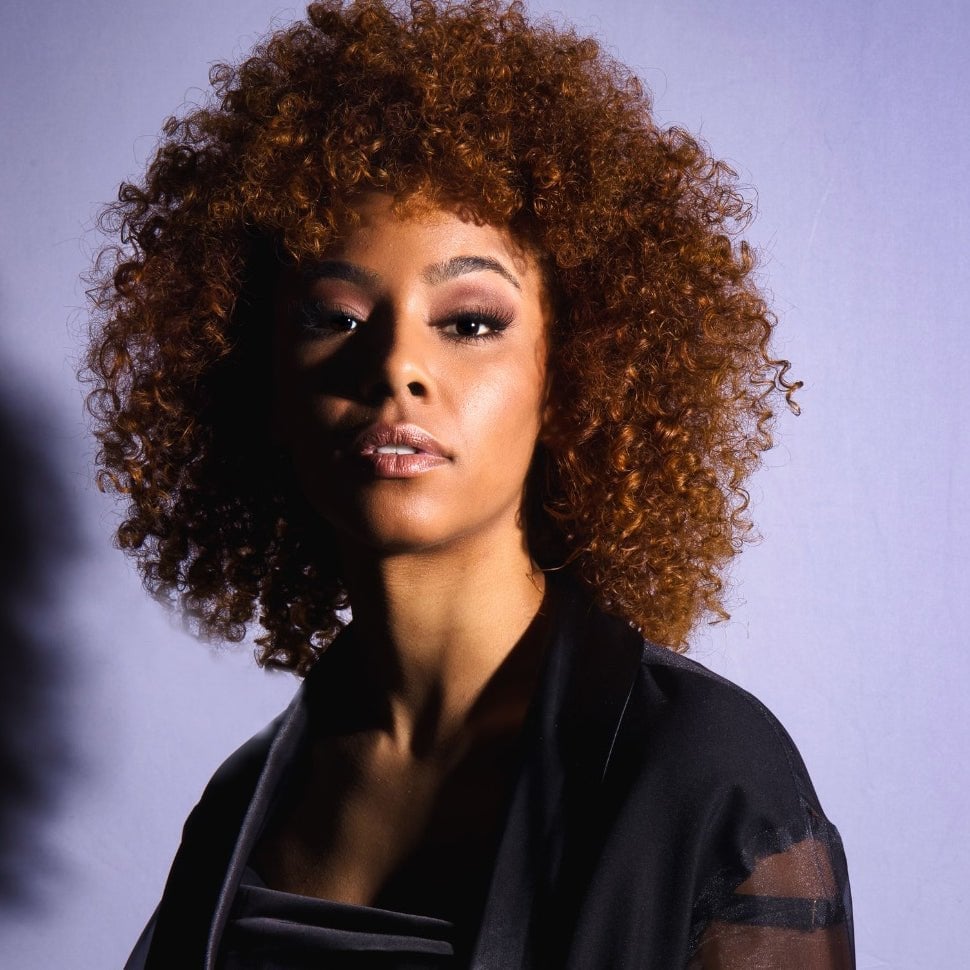
Is a round cut for thick curls just a mushroom waiting to happen? Not if the shape is cut with precision. This chin-length version uses a middle parting and a rounded outline that lets thick hair expand outward rather than building height, so you get a full, even silhouette instead of a top-heavy triangle. The round shape works best on oval and long faces, where it adds width without overwhelming. Ask your stylist for: chin length round cut for thick curls. A round cut needs a curl-defining cream and air drying; trim every eight to ten weeks to keep the curve intact.
Chin Length Bob With Curtain Bangs, Dark Brown
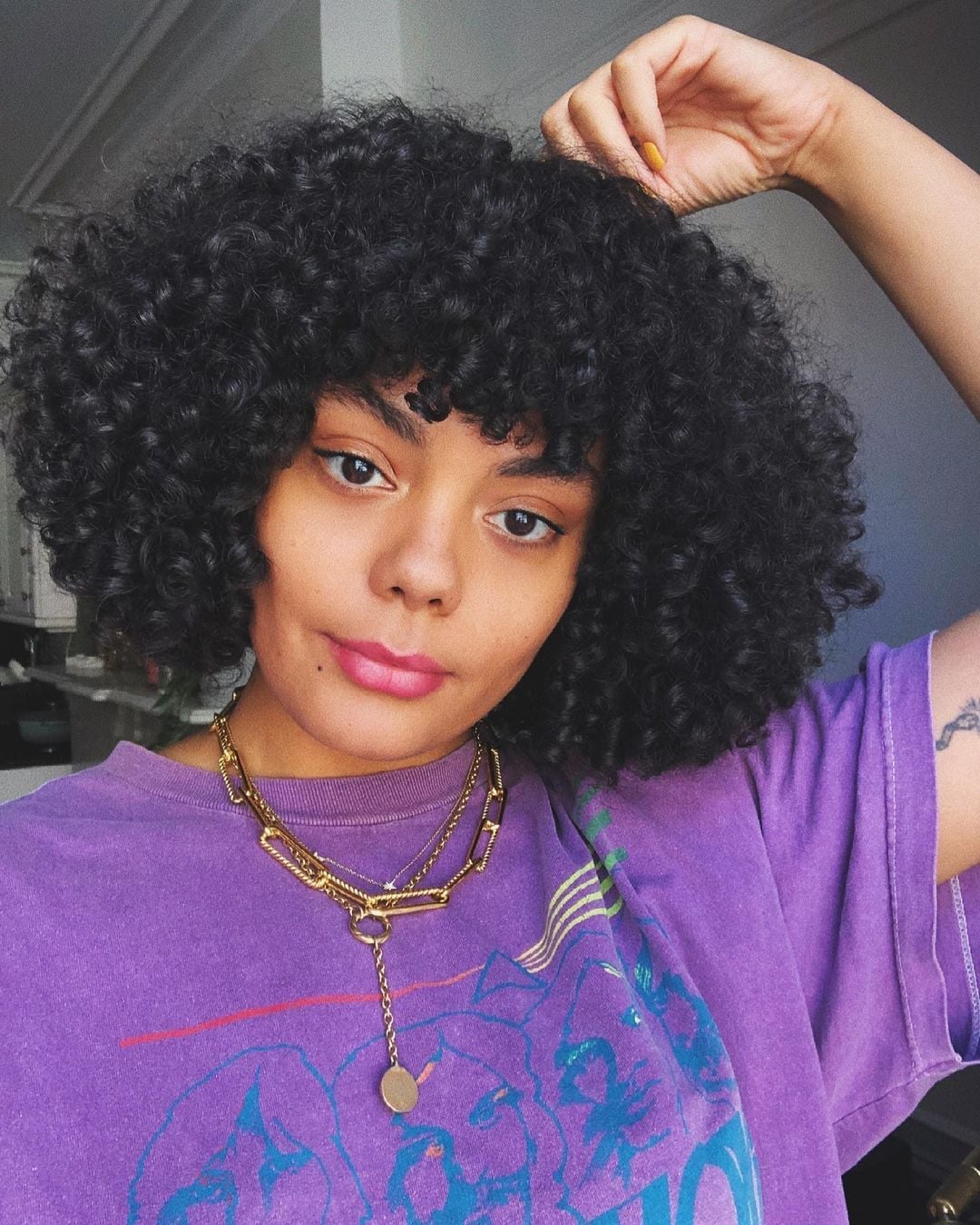
A chin-length bob with curtain bangs relies on the bangs to do the heavy framing while the bob holds the volume. The side parting and thick dark brown curls create a soft triangle that draws the eye inward, which suits oval and heart faces best. Ask your stylist for: chin length bob, curtain bangs. The bangs need a trim every four to six weeks to stay out of your eyes, and the bob itself can go six to eight weeks. Apply a curl enhancer to damp hair and air dry for a finish that looks polished without trying.
Chin Length Bob With Blonde Balayage
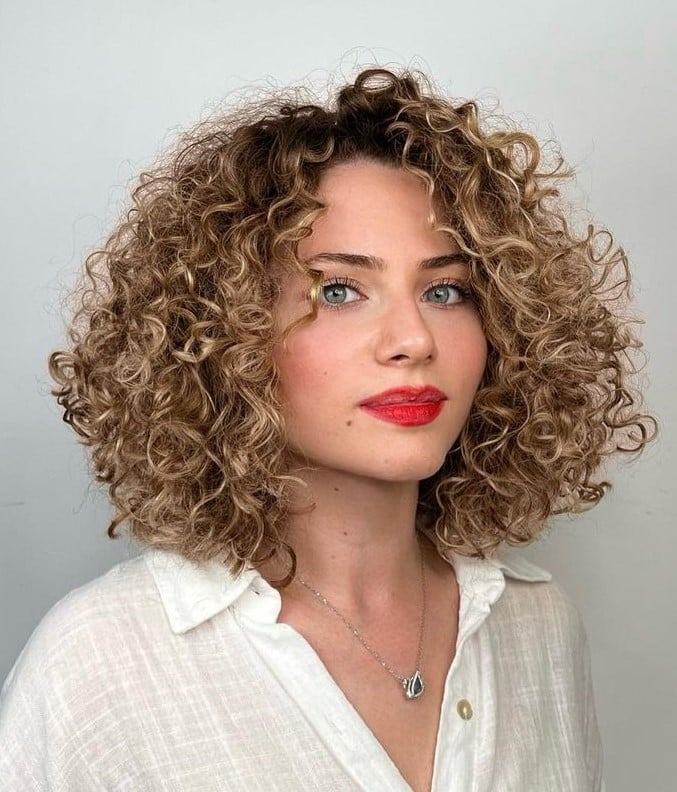
A chin-length bob with a blonde balayage and curtain bangs is a summer cut in the way that a cold drink is a summer drink: it just makes sense. The lighter pieces catch the sun and keep the bob from feeling heavy, and the blowout styling gives the curls a polished finish that holds up in humidity. Ask your stylist for: chin length bob, curtain bangs, blonde balayage. The balayage placement means you can stretch toning to every eight to twelve weeks, though the bob itself needs a trim every six to eight. A color-safe shampoo helps the blonde stay bright rather than brassy.
Shoulder Length Bob With Curtain Bangs
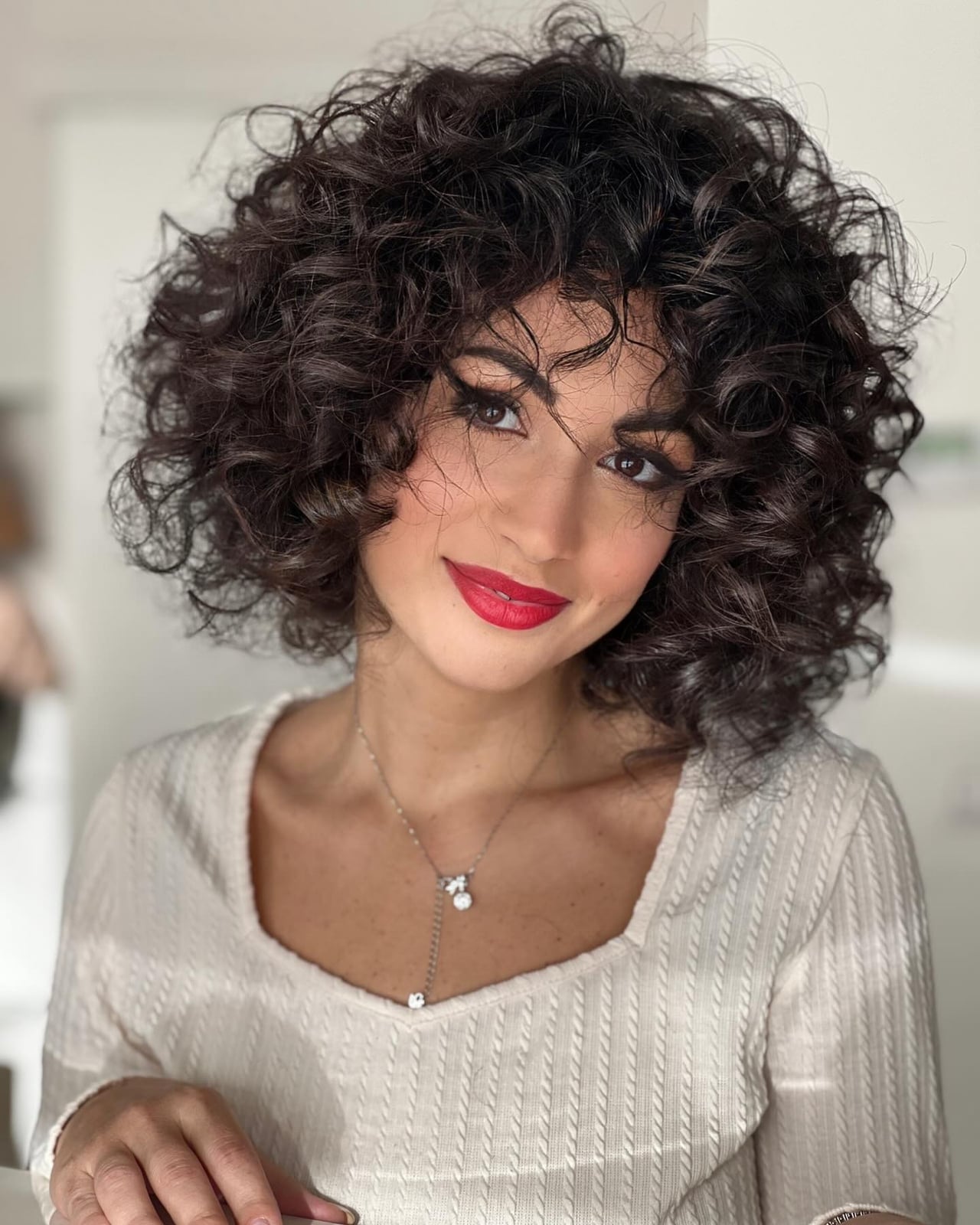
A shoulder-length bob with curtain bangs on thick curly hair is a lot of hair to manage, but the blowout styling tames it into something wearable. Subtle lighter highlights add dimension without making the volume feel like a single block. Ask your stylist for: shoulder length bob, curtain bangs. The bangs will need a trim every four weeks; the bob can go eight. A round brush during the blowout helps the curls land in the right direction. On humid days, the volume can double, so a curl cream is your friend.
Shoulder Length Layers With Face-Framing Bangs

How short is too short for face-framing bangs on curly hair? This shoulder-length cut answers with a short, deliberately disconnected fringe that stops well above the brow, leaving the rest of the layers to cascade. The medium density curls and side parting keep it from feeling heavy, and the medium brown base with blonde highlights adds dimension without requiring a full color overhaul. Ask your stylist for: shoulder length layers, short face-framing bangs. Medium density curly hair benefits from this kind of shaping, and the bangs work well on oval and round faces. It air-dries respectably with a curl cream, though a trim every eight to ten weeks keeps the fringe from turning into an accidental curtain.
Shoulder Length Layers With Full Fringe
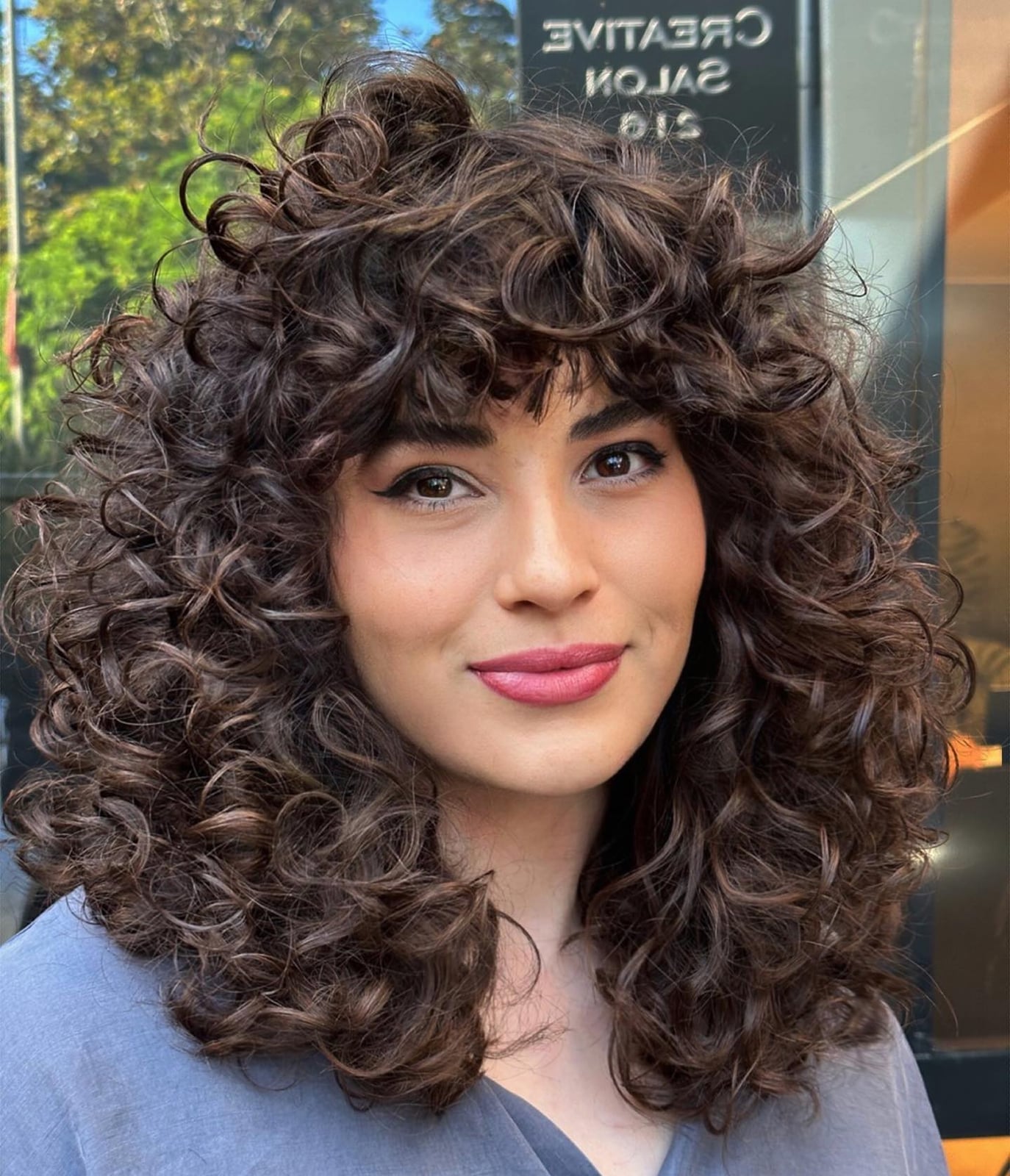
The cutting technique here is about weight distribution: the layers are carved to keep the full fringe dense without deflating the curl. The shoulder-length shape anchors the volume, while the dark brown base with subtle highlights prevents the thick texture from reading as one solid block. Ask your stylist for: shoulder length layers, full curly fringe. Thick curly hair is the only candidate for this level of fringe commitment, and oval or long faces carry the proportion best. A diffuser on low heat locks in the curl pattern, and the fringe needs a trim every four to six weeks to stay out of your eyes.
Shoulder Length Layers With Honey Highlights

Honey blonde highlights on a warm brown base create the kind of dimension that makes thick curly hair look lighter without losing density. The collarbone length and side parting keep the shape grounded, and the layers prevent the volume from turning pyramidal. Ask your colorist for: shoulder length layers, honey blonde highlights. This color placement works best on medium to thick curly hair; the warmth suits those who already have golden or caramel undertones in their natural shade. A blowout with a round brush defines the curl and shows off the highlights, and a trim every eight weeks maintains the line. Heart and oval faces get the most balanced framing from the side-swept shape.
Shoulder Length Layered Curls With Curtain Bangs
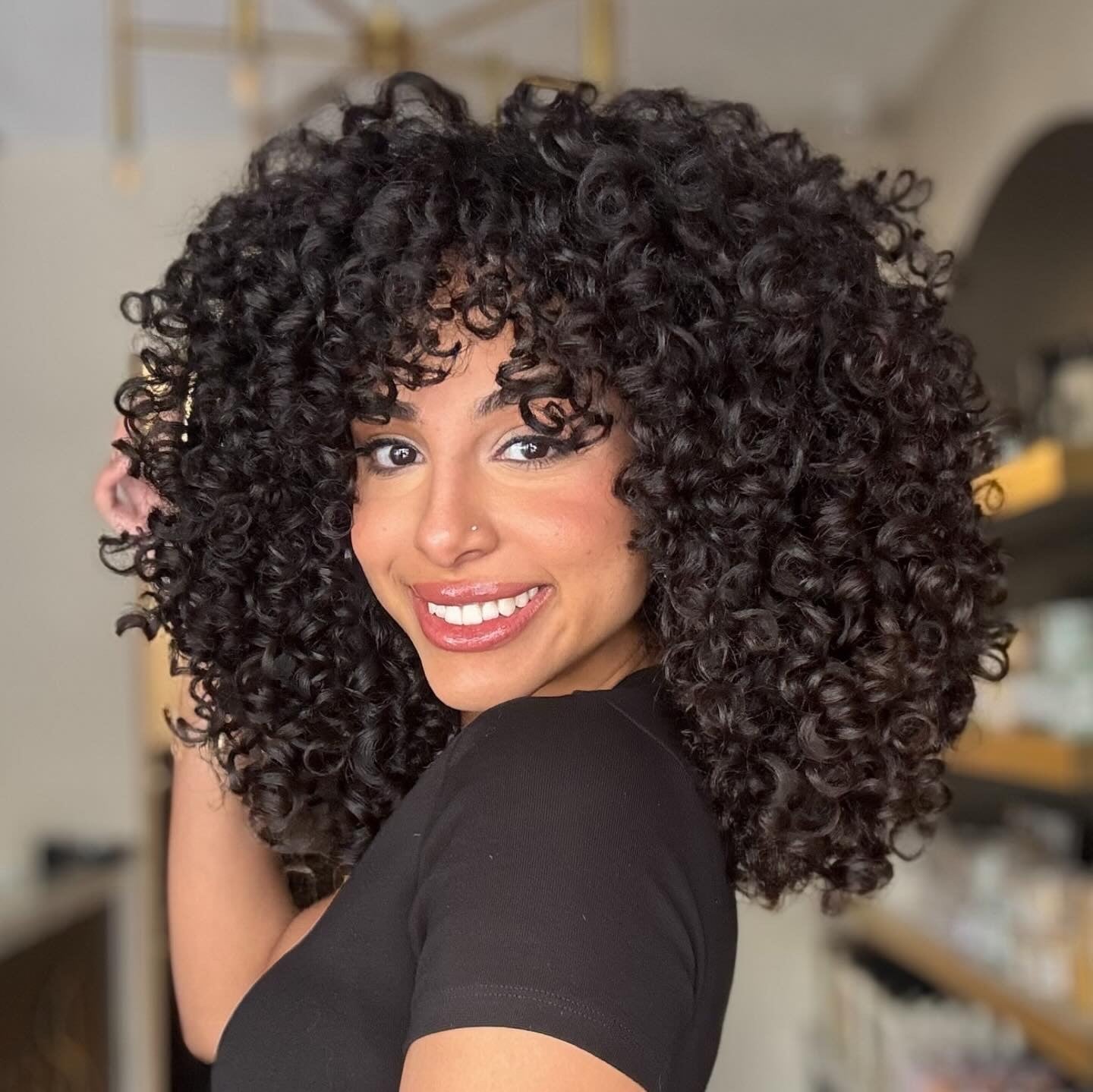
Without curtain bangs, this collarbone length cut would be a standard layered shape; with them, it becomes a deliberate frame for the face. The voluminous blowout emphasizes the dark brown base with subtle highlights, and the thick texture carries the fullness without looking overstyled. Ask your stylist for: collarbone length layered curls, curtain bangs. Oval and heart faces benefit from the soft opening the bangs create, while round faces may find the side volume elongating. A round brush during blow drying sets the curl, and a trim every eight weeks keeps the bangs from merging with the layers.
Collarbone Layers With Curtain Bangs
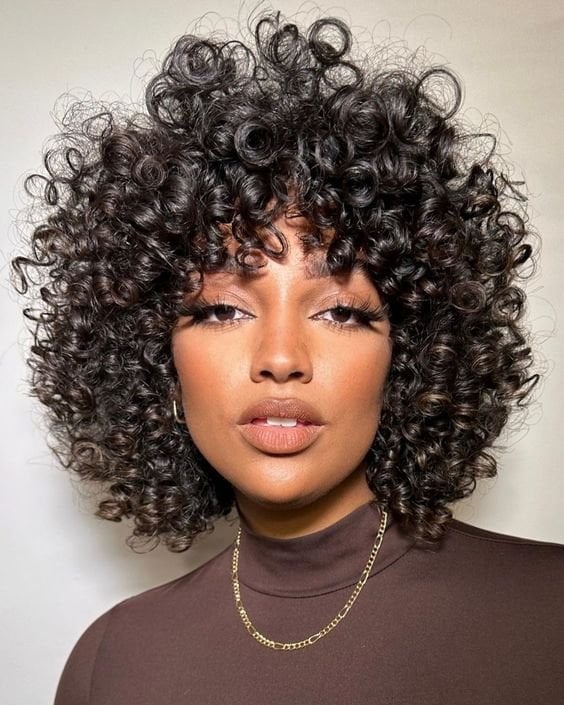
The daily reality of collarbone layers with curtain bangs on thick curly hair is that you are not fighting the texture; you are working with it. A side parting and air-dried finish let the dark brown base with subtle highlights show through naturally, and the defined curls keep their shape without constant manipulation. Ask your stylist for: collarbone length layers, curtain bangs. The bangs need a trim every four to six weeks to stay at the right grazing point, and a curl cream applied to damp hair is enough for most mornings. Oval and heart faces suit the balance best, and the collarbone length avoids the awkward shoulder-tucking phase.
Collarbone Layers With Wispy Bangs, Dark Brown
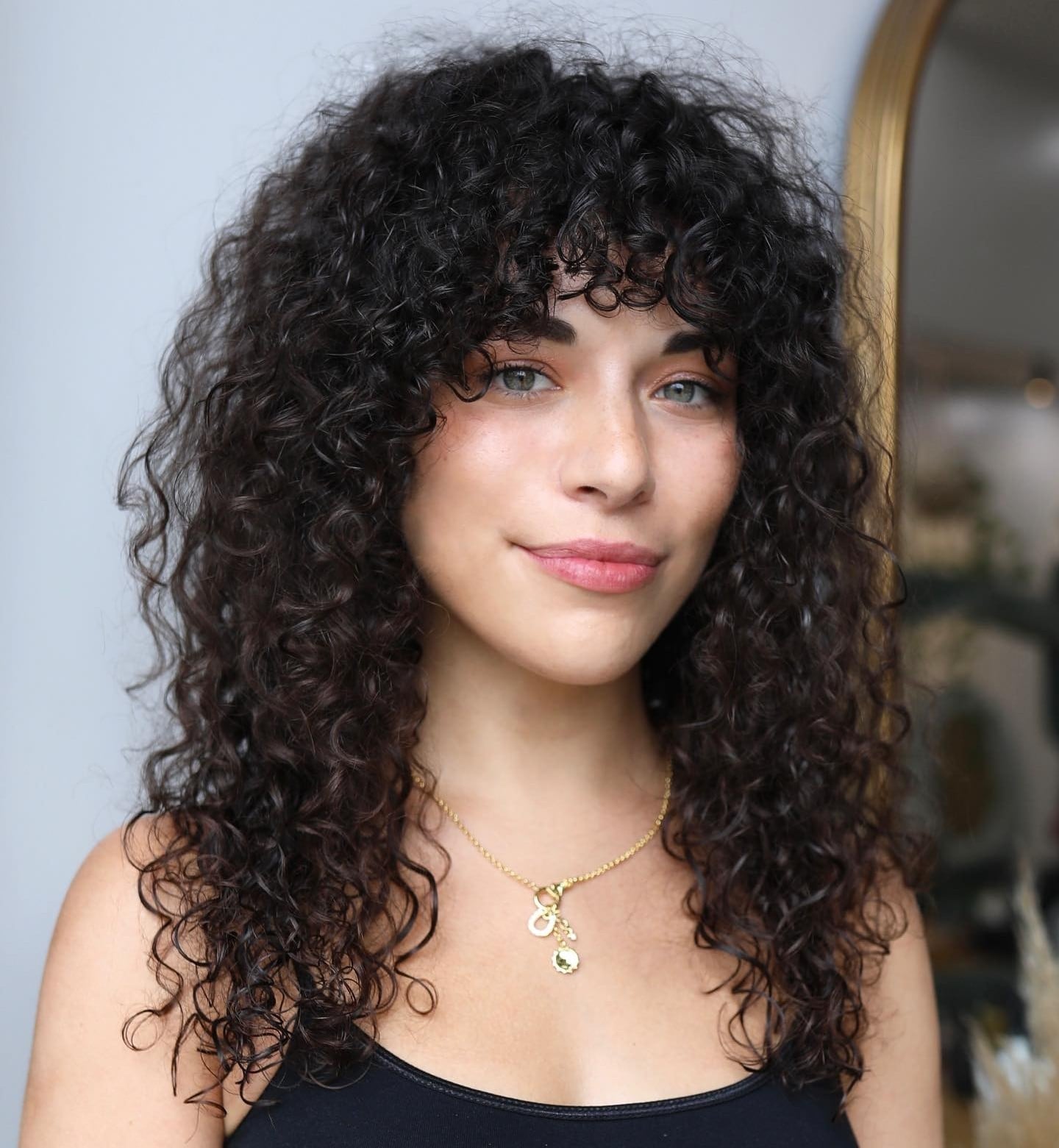
Wispy bangs on medium-density curls are a delicate negotiation: they soften the face without committing to a heavy fringe, but they also demand a trim every four to six weeks to keep their shape. The collarbone length gives the layers room to move, and the side parting lets the dark brown curls fall forward naturally. Ask your stylist for: collarbone length layers, wispy bangs. This cut suits oval and round faces, though anyone who hates frequent trims should skip it. Air dry with a light hold spray and accept that the bangs will need attention before the rest of your hair does.
Collarbone Curls With Curtain Bangs, Side
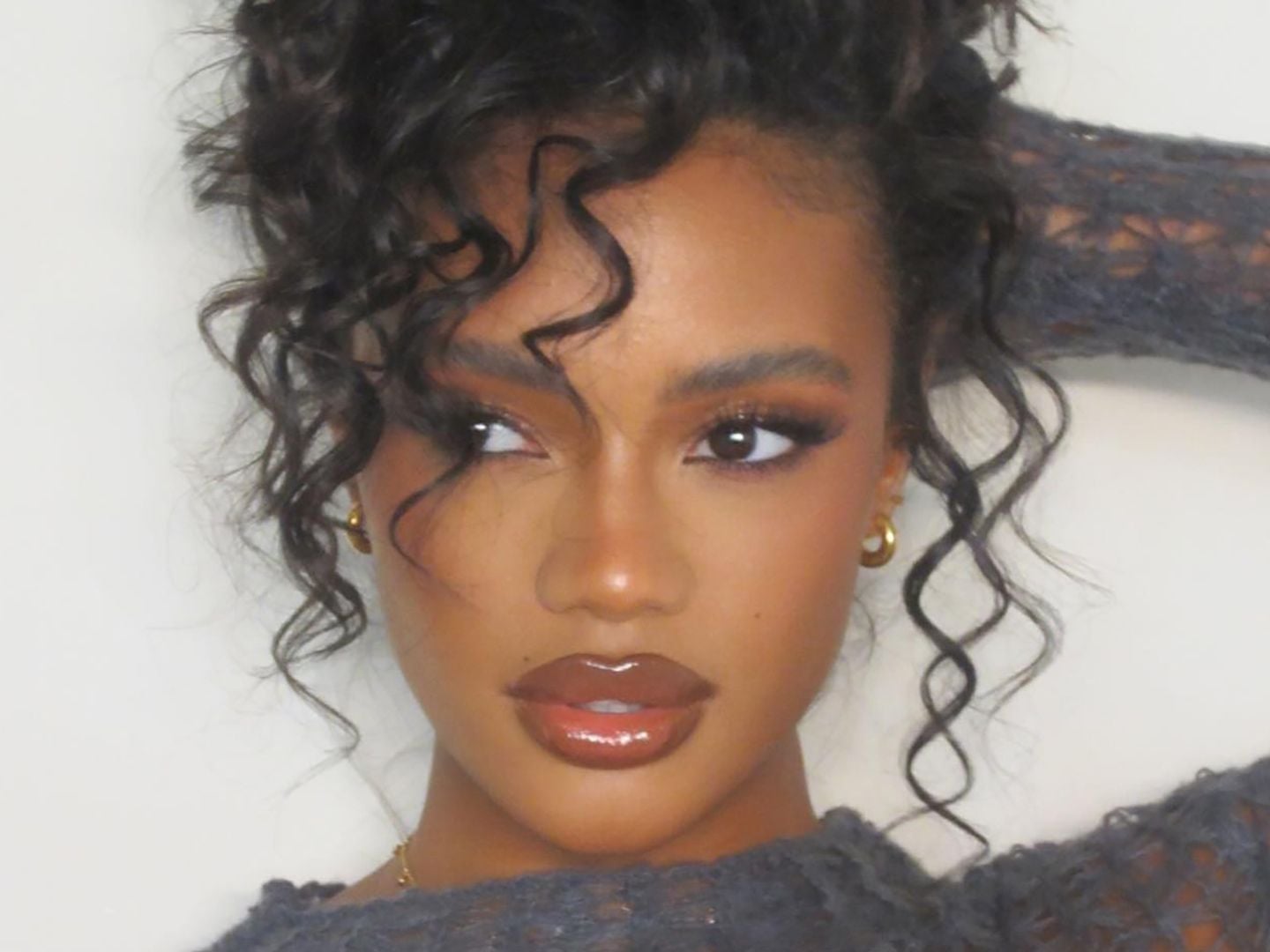
Why does this cut feel like it belongs in spring? Because the air-dried texture and face-framing curtain bangs do most of the work, leaving you with a look that suits warm weather without a heat tool in sight. The thick, dark brown curls hold their shape well, and the subtle highlights add dimension that catches the light as you move. Ask your stylist for: collarbone length curls, curtain bangs. This works best on oval and heart faces, where the soft bangs balance the forehead. Apply curl cream to wet hair, let it dry, and trim the bangs every four to six weeks to keep them from turning into a full fringe.
Collarbone Layers With Blonde Highlights

The trick to dark blonde highlights on a brown base is placement: they need to sit where the curls naturally catch light, not scattered randomly. On thick, curly hair, collarbone layers give the highlights room to show their dimension without the color getting lost. Ask your colorist for: blonde highlights on brown. This suits oval and heart faces, and the defined curls keep the look from reading as flat. Plan a trim every eight weeks and use a blowout technique to keep the curls and color looking their best.
Collarbone Layers With Lighter Highlights, Side
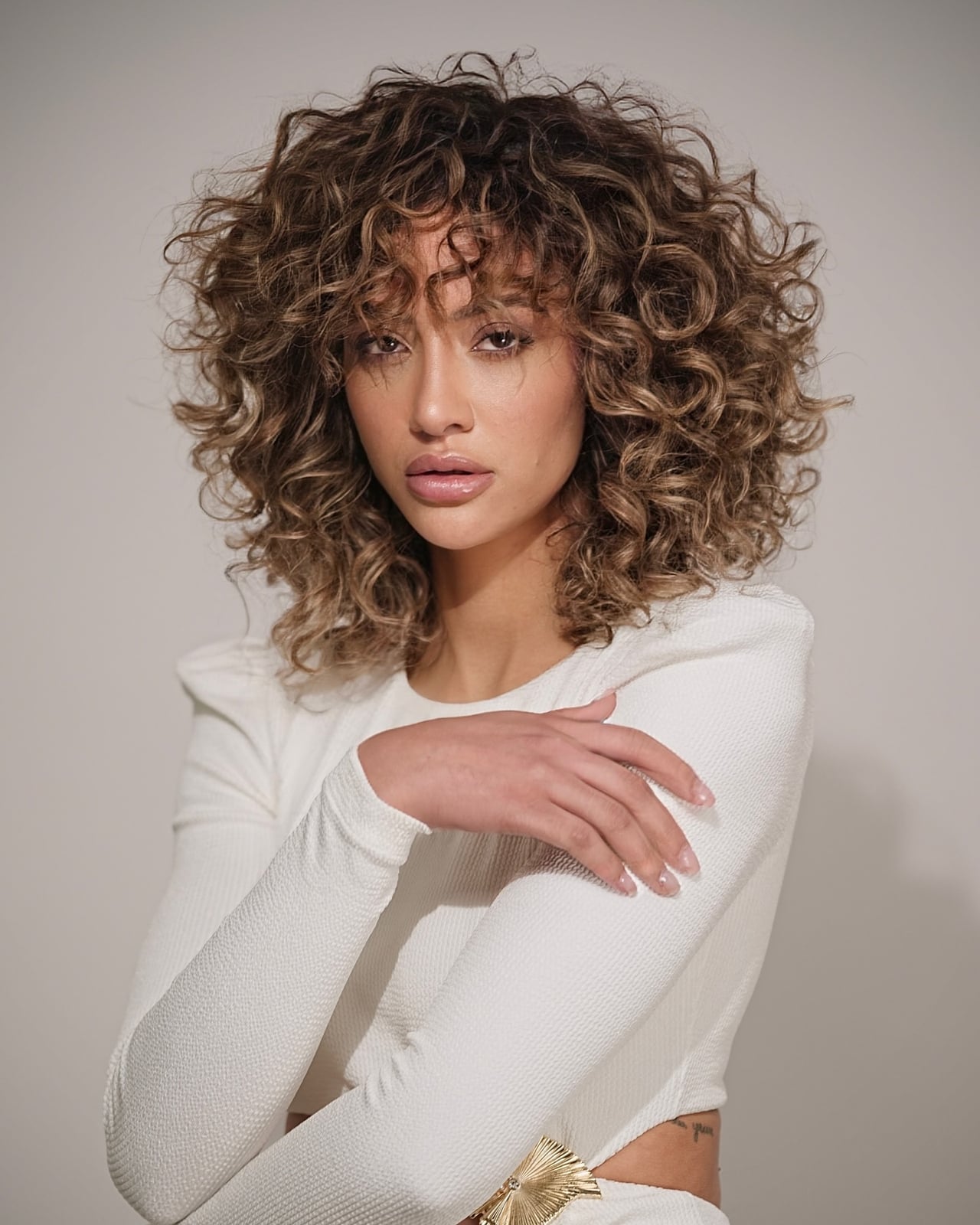
Lighter brown highlights on dark brown curls deliver dimension without the upkeep of a full color change. This is a salon-leaning cut because the layers need precision to keep the medium-density texture from looking shapeless, but the daily styling stays simple: air dry with a curl cream and go. Ask your stylist for: collarbone length layers, lighter brown highlights. The side parting lets the highlights peek through naturally, and the cut suits oval and heart faces. A trim every eight weeks keeps the ends healthy, though you could push it to ten if you are feeling brave. The DIY route is tempting, but the layering is what makes this work.
Collarbone Layers With Auburn Tones
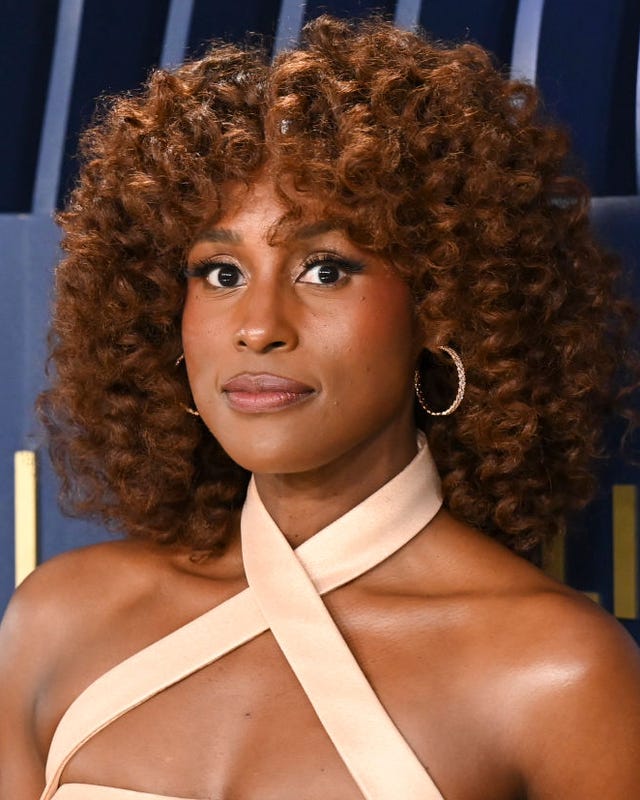
Subtle auburn tones on thick, dark brown curls create a rich depth that reads as expensive without being loud. The collarbone length keeps the weight manageable, and the layers give the thick texture a shape that does not turn into a triangle. Ask your colorist for: collarbone length layers, auburn tones. This genuinely suits oval and heart faces, and anyone with thick hair who wants color that does not demand constant attention. A color-depositing conditioner keeps the tones from fading, and a trim every eight weeks maintains the shape. Skip this if your hair is fine, since the rich color can weigh it down.
Collarbone Layers With Gray Streaks
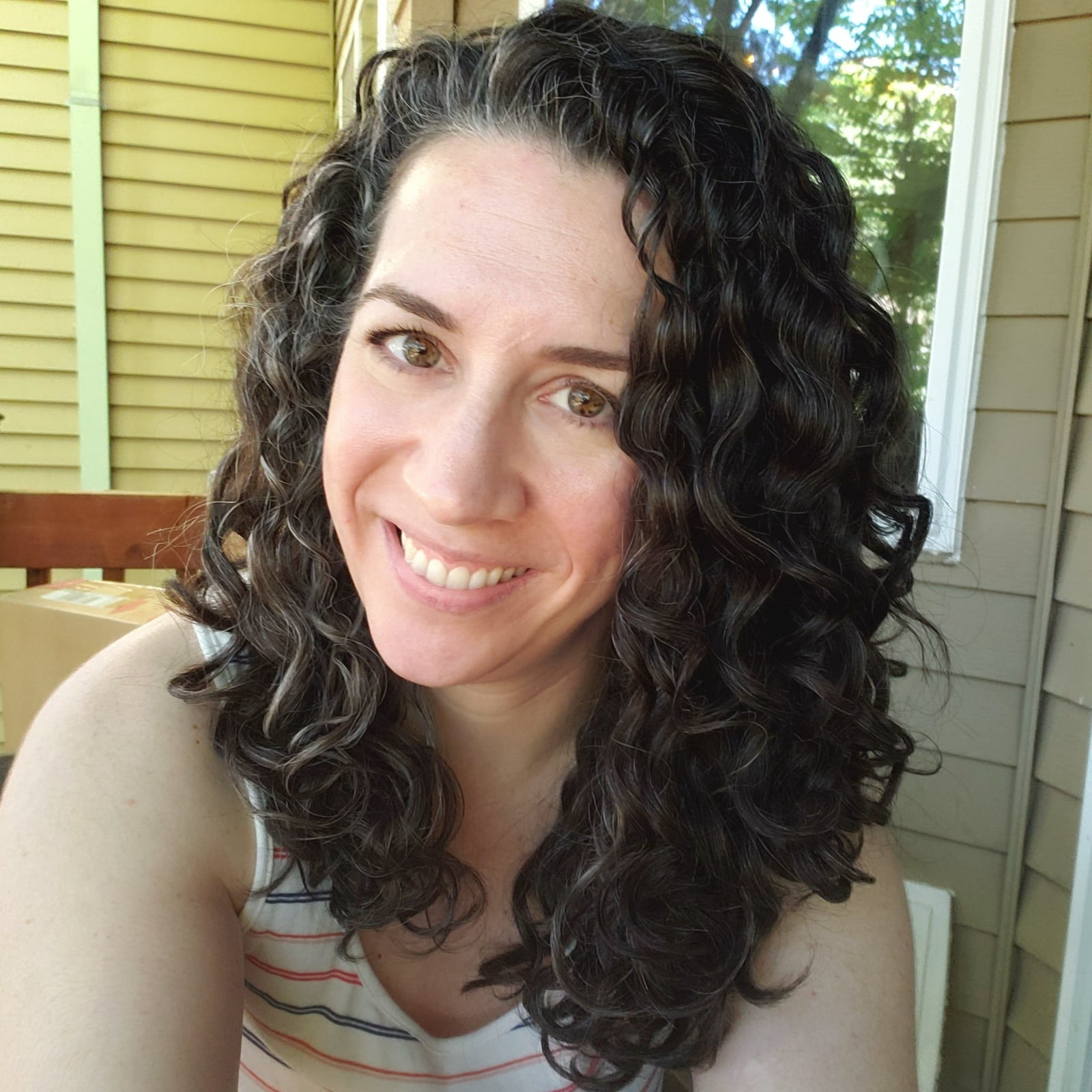
Natural gray streaks against dark brown curls create a dimension that no dye job can replicate. The collarbone length keeps the weight manageable for medium density hair, while the layers prevent the curls from forming a single heavy triangle. Ask your stylist for collarbone length layers, natural gray streaks. A purple shampoo once a week keeps the silver tones from turning brassy, and a trim every eight weeks stops the ends from looking ragged.
Collarbone Layers With Honey Balayage
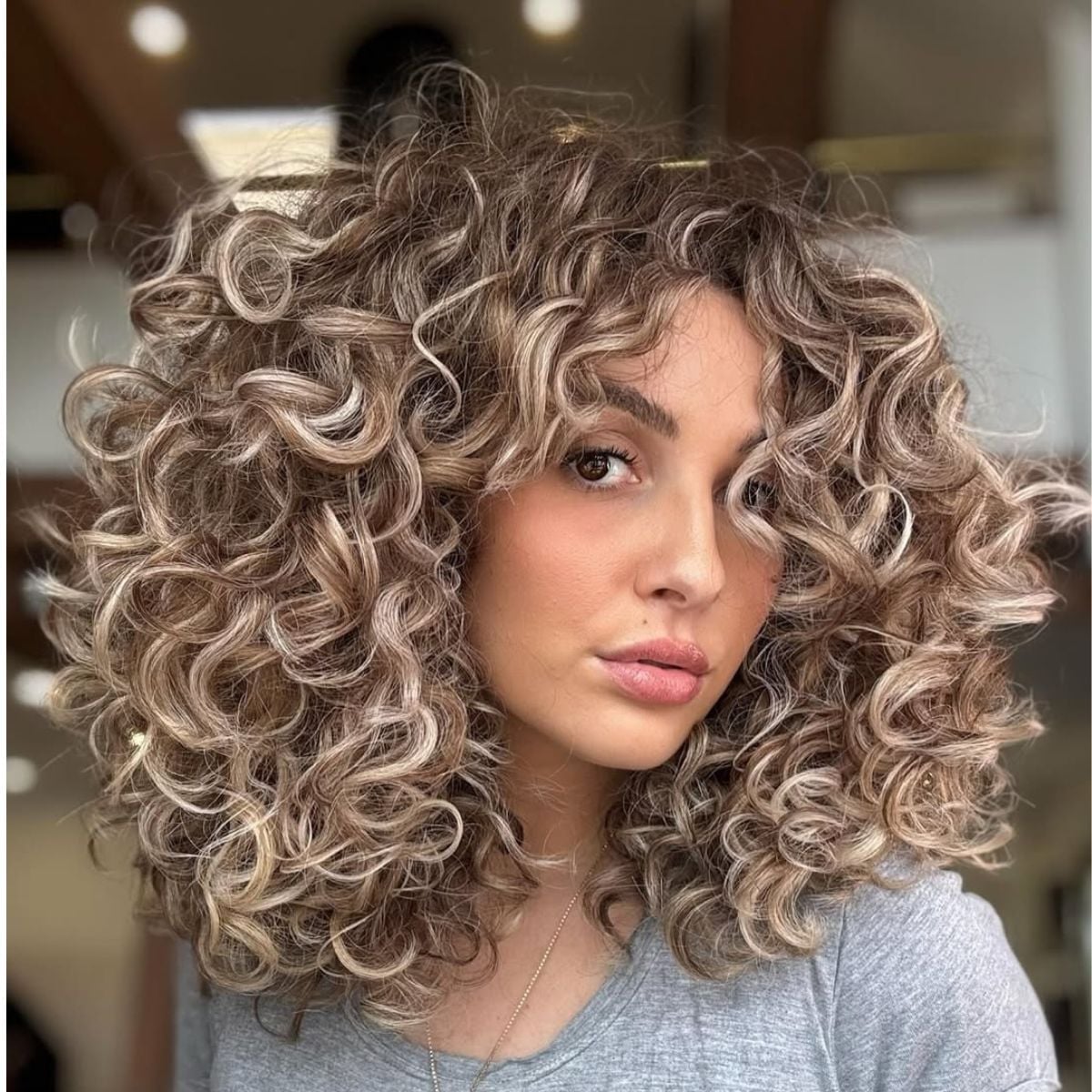
Is the honey balayage worth the salon time? It depends on how you feel about upkeep. The collarbone layers and curtain bangs frame the face well on thick curly hair, but the blonde highlights will need a toning appointment every six to eight weeks to stay warm rather than brassy. Ask your colorist for collarbone length layers, curtain bangs, honey blonde balayage. The drawback is that the bangs will need a trim every three weeks to keep them out of your eyes.
Collarbone Layers With Blonde Balayage and Curtain Bangs
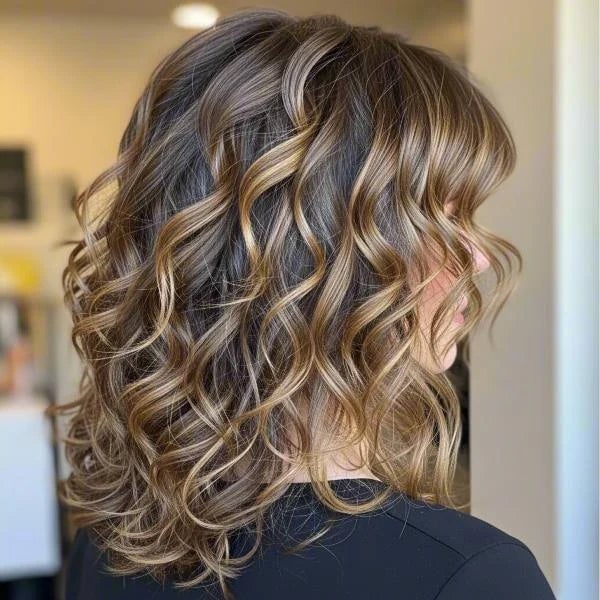
The curtain bangs here do the heavy lifting, softening the transition from the blonde highlights to the brown base. On fine wavy hair, the collarbone length and layers add movement without weighing the texture down. Ask your stylist for collarbone length layers, curtain bangs, blonde balayage. Spring is the season for this cut because it works with a blowout for a polished finish or air-dries into a relaxed wave. A trim every eight weeks keeps the bangs from growing past their prime.
Collarbone Layers With Blonde Highlights and Air Dried
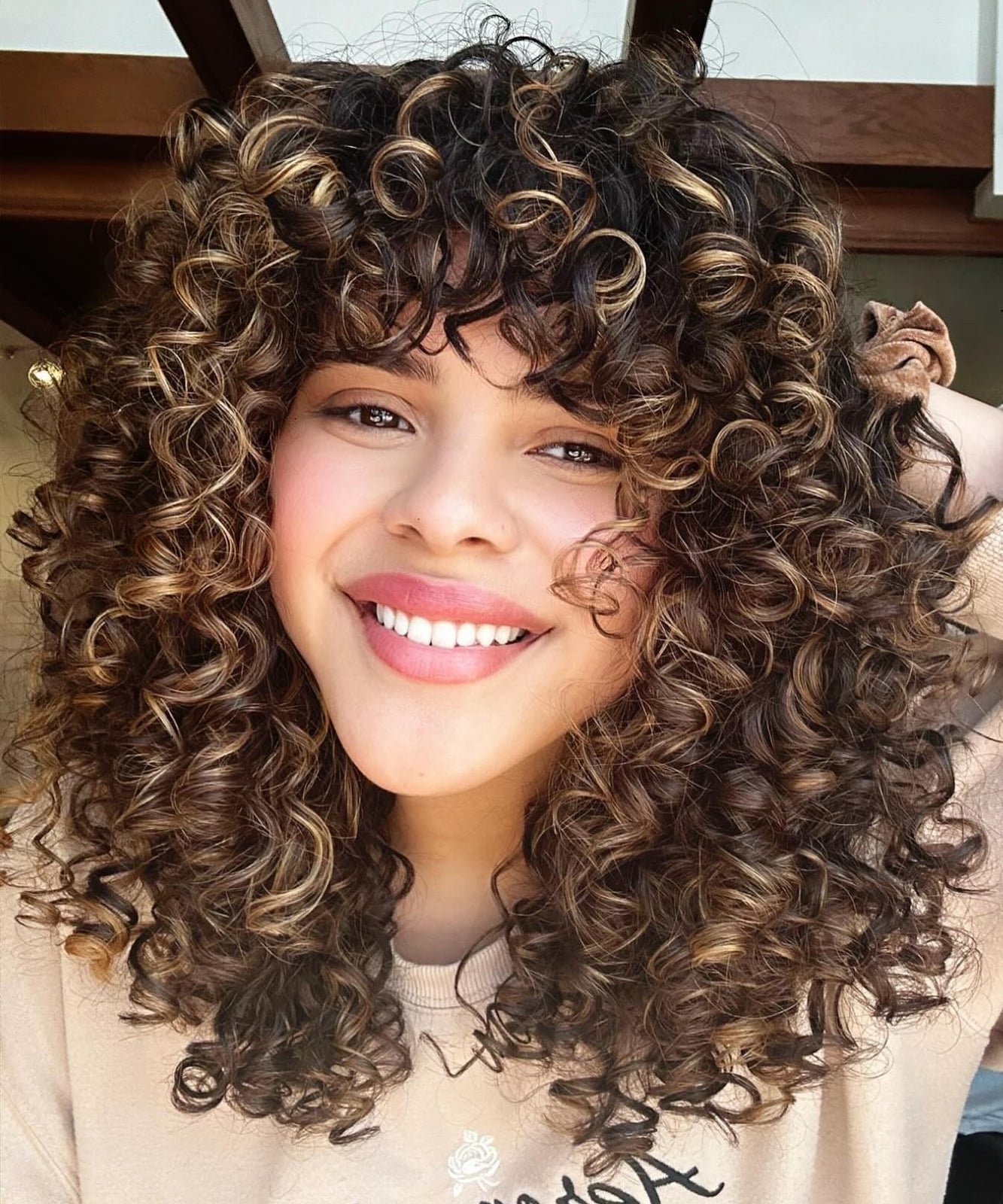
The technique here is straightforward: layers cut into collarbone-length curls to let the chestnut base and blonde highlights show through. The side parting and air-dried styling keep the look low-effort, relying on the cut to do the work. Ask your stylist for collarbone length layers, blonde highlights. Medium density curly hair benefits from the layers because they prevent the color from sitting in one solid block. A trim every eight weeks maintains the shape.
Mid-Back Layers With Side-Swept Bangs
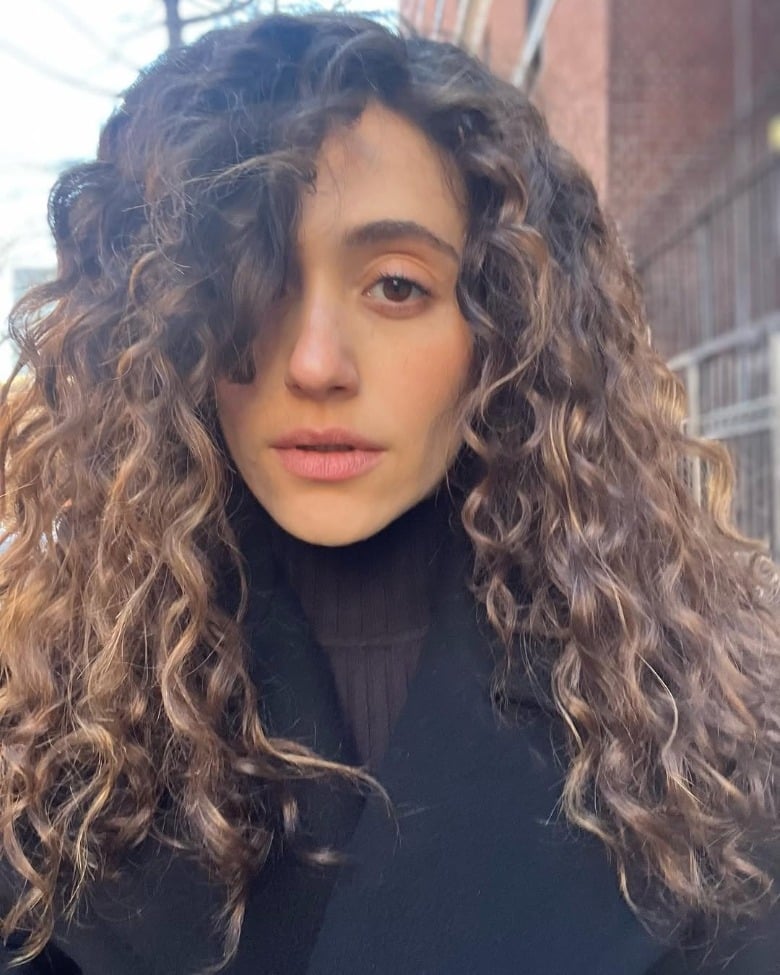
Wondering how to get movement without losing length? Ask for long layers that start below the chin, paired with side-swept bangs that blend into the rest of the hair. The mid-back length works for thick curly hair because the layers remove bulk while keeping the overall weight. Ask your stylist for mid-back length layers, side-swept bangs. The lighter blonde highlights add subtle dimension without a dramatic color change. A trim every ten to twelve weeks keeps the ends healthy and the bangs at the right angle.
Mid-Back Layers With Natural Curls
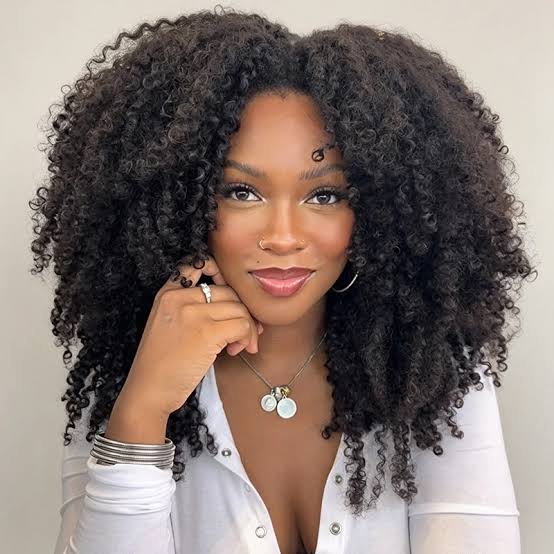
Skip the hot tools and the weekly blowout appointment: this cut is the anti-styled style. The mid-back length layers work with the curl pattern, letting thick texture fall where it wants with a middle parting that keeps the shape balanced.
Ask your stylist for: mid-back length layers, natural curls. It suits thick curly hair that can hold both length and volume, and it works well on oval and long faces. Air drying is the only styling required, and you are done in the time it takes to get dressed. A trim every ten to twelve weeks keeps the ends honest, because split ends on curls have a way of traveling upward fast.
Mid-Back Black Curly Hair
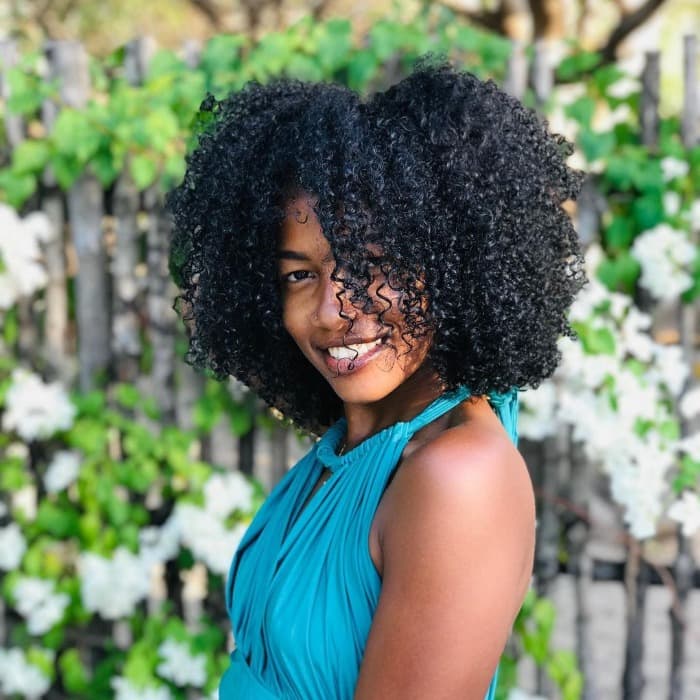
Black curls at mid-back length make a simple statement: the hair is the accessory, and it needs no help. Thick texture with well-defined volume carries the shape, and the middle parting gives the eye a clean line to follow from root to tip.
Ask your stylist for: mid-back length black curly hair. This cut works well for thick curly hair that can manage the weight, and it suits oval and long faces. Anyone with finer texture should pass, since the length will drag the curl pattern down. Air dry with a curl-defining gel and trim every ten to twelve weeks to keep the shape balanced.
Mid-Back Layers With Full Fringe
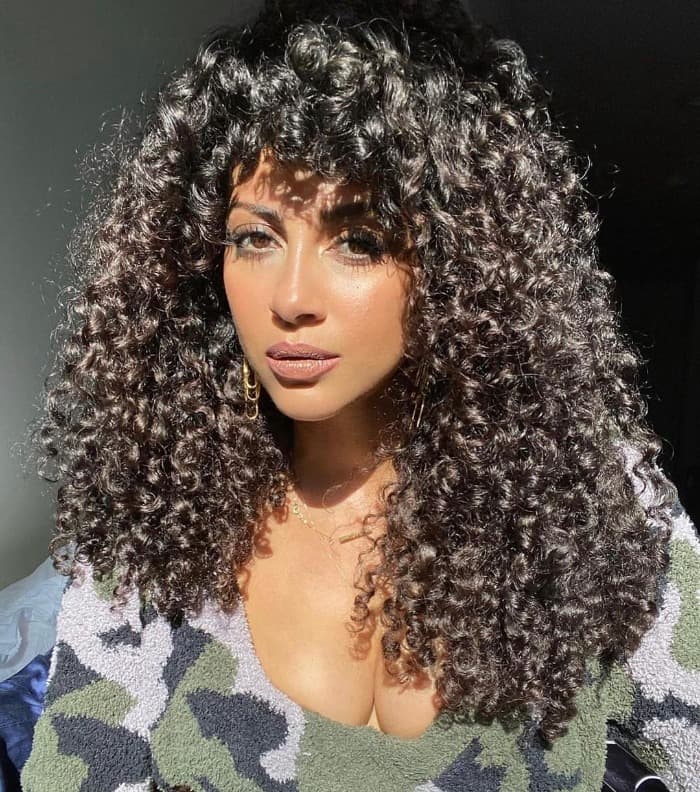
The full fringe on thick curly hair creates a bold yet practical look. The mid-back layers prevent the overall length from feeling heavy while the fringe frames the face in a deliberate way.
Ask your stylist for: mid-back length layers, full curly fringe. This cut works best on thick curly hair that can support both the length and the fringe, and it favors oval and long faces. The fringe needs attention every four to six weeks, because curly bangs grow quickly. Use a curl cream and let the fringe do what it wants. Fighting it is a waste of a morning.
Mid-Back Layers With Blonde Highlights
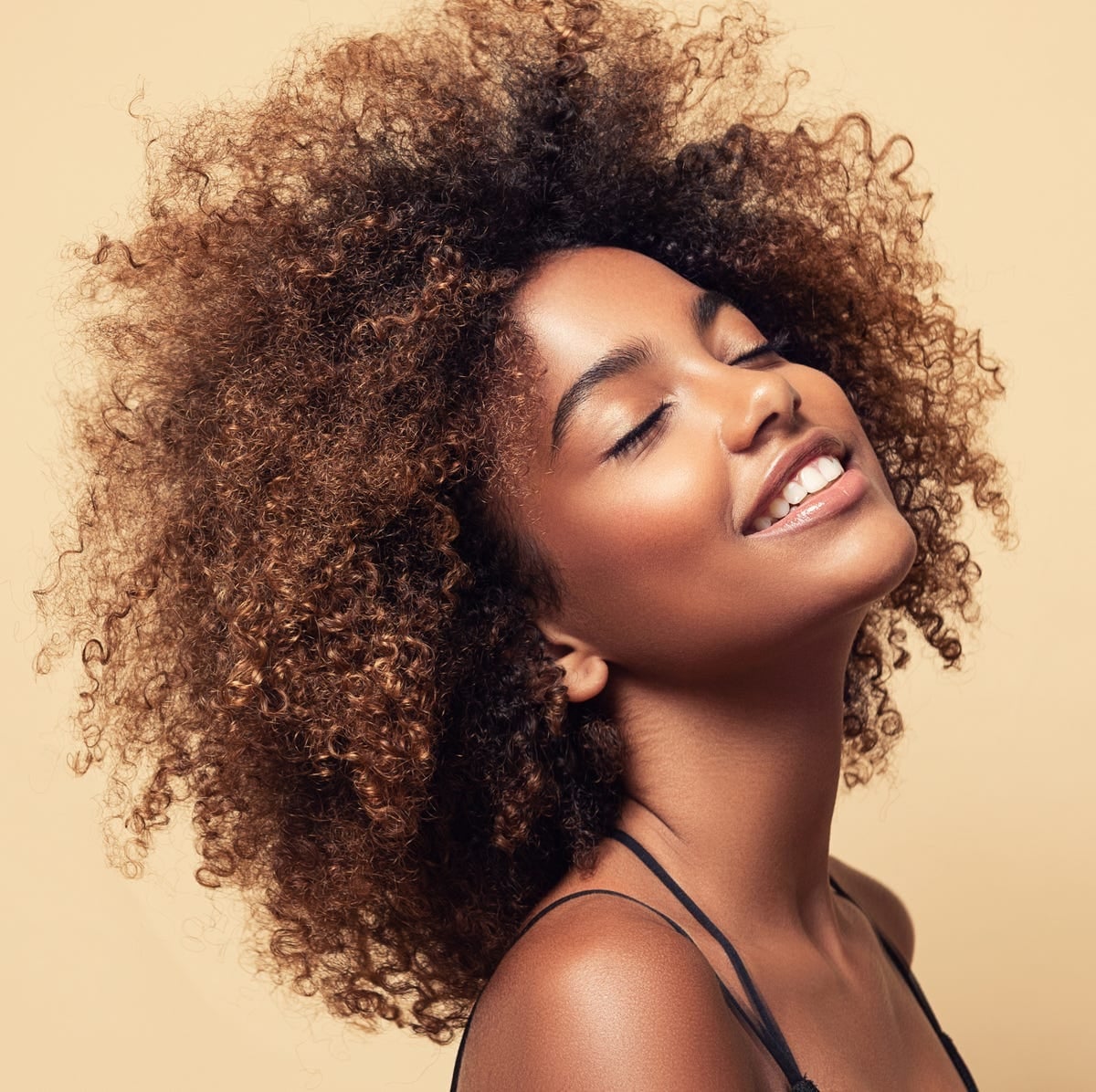
Blonde highlights on a medium brown base give thick curls dimension without a full color commitment. The mid-back layers let each curl reflect shine at a different point, which is the effect of scattering highlights instead of painting them on in solid bands.
Ask your colorist for: mid-back length layers, blonde highlights. It suits thick curly hair that can take the length and the color work, and it works on oval and long faces. The drawback is brassiness: blonde on curly hair fades warmer, so a purple shampoo and a toning visit every six to eight weeks are part of the deal. Air dry with a curl cream and trim every ten to twelve weeks.
Mid-Back Length With Face-Framing Pieces
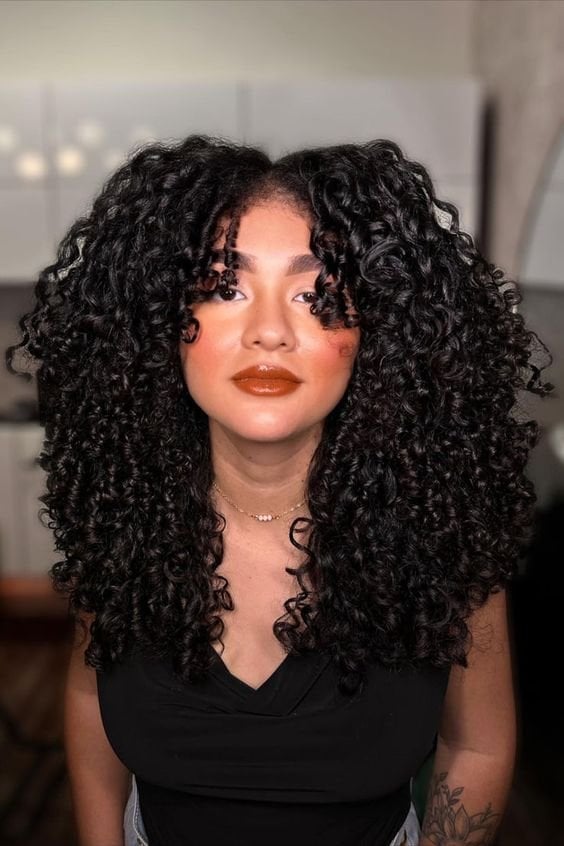
Wondering how to wear natural curls when the weather cannot decide what season it is? This is the transitional answer. The mid-back length keeps the weight and the warmth, while the face-framing pieces break up the shape so the dense texture does not read as one solid block.
Ask your stylist for: mid-back length natural curls, face-framing pieces. It suits dense, thick curly hair that holds its fullness, and it works well on oval and long faces. Air dry with a curl-defining cream, let the middle parting do its job, and book a trim every ten to twelve weeks. It is the rare cut that looks finished without a single styling tool involved.
Mid-Back Layers With Sparkly Clips
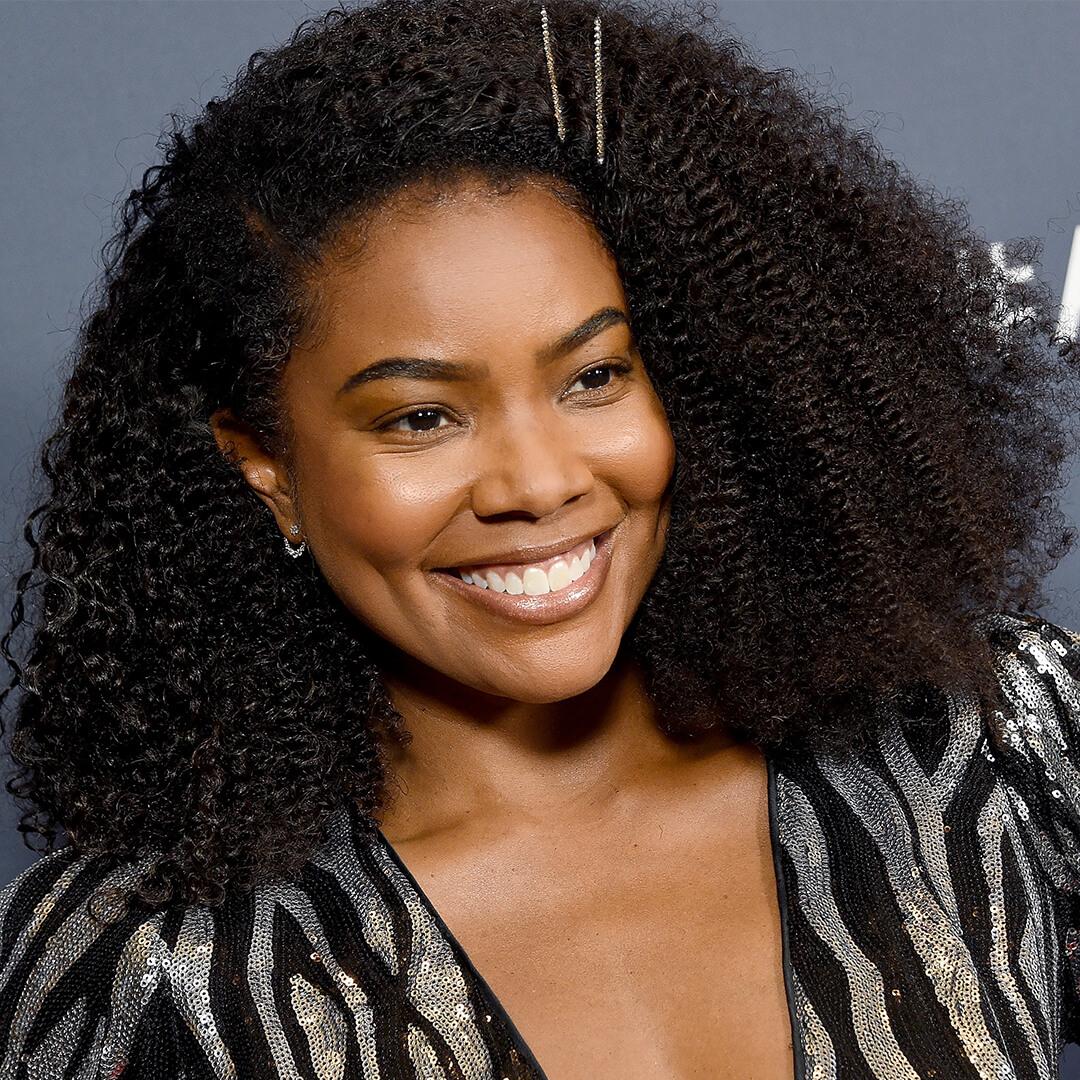
Sparkly hair clips turn a standard mid-back length into an event-ready style. The thick dark brown base and blonde highlights create contrast, so the clips stand out in the hair. A side parting keeps the front sections accessible for pinning back, which also frames the face without requiring bangs. This look works best on thick curly hair with enough grip to hold metal clips in place. Ask your stylist for: mid-back length layers, sparkly hair clips. Air dry, then add the clips where you want lift or a face frame. A trim every 10 to 12 weeks keeps the layers from losing shape, though the clips distract nicely from any grow-out.
Mid-Back Layers With Caramel Highlights, Side
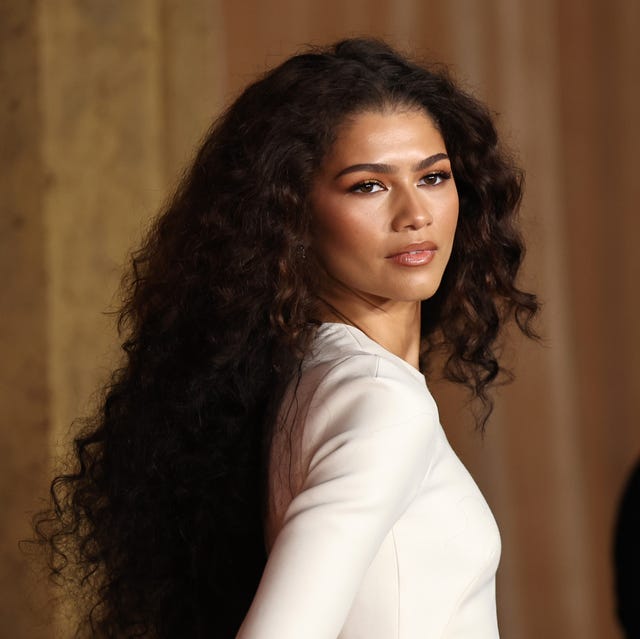
Thick dark brown curls with caramel highlights appear warmer and more dimensional than a solid color, especially when the highlights stay subtle. The mid-back length and long layers keep the volume under control without sacrificing shape. A side view shows how the caramel pieces wrap around the curl pattern. This kind of color works well on thick hair that can handle the lightening without turning brittle. Ask your colorist for: mid-back length long layers, caramel highlights. Air drying with a curl cream finishes the style. A trim every 10 to 12 weeks maintains the shape. The grow-out is soft since the highlights are painted closer to the ends.
Mid-Back Fine Gray Hair With Layers
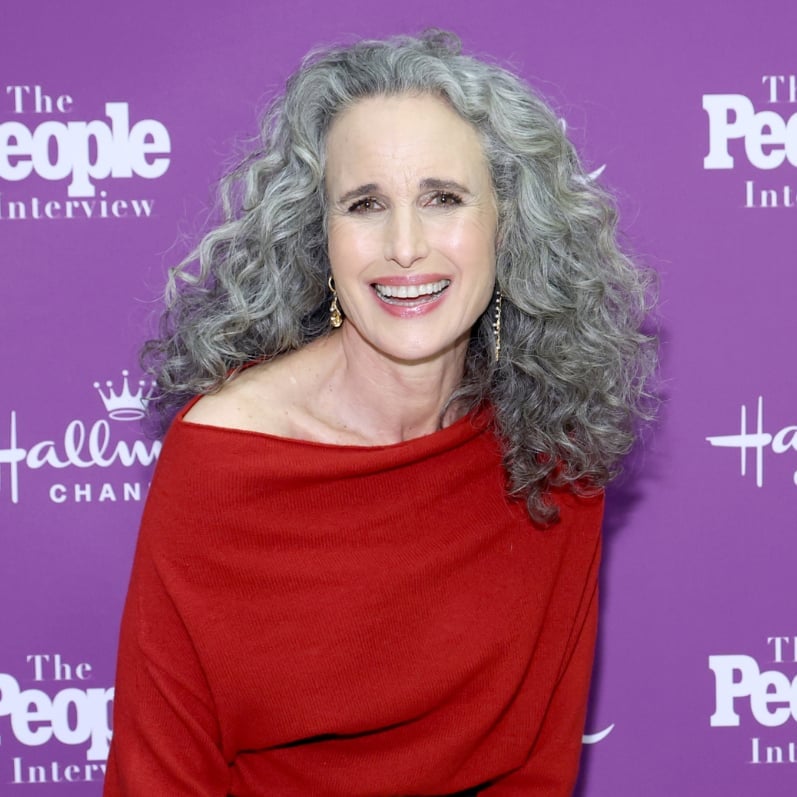
Can you get away with cutting fine gray curls yourself if you are in a pinch, or is a salon the only honest option? A DIY trim on mid-back fine hair risks removing the wrong amount of weight, which can make the curls look stringy rather than bouncy. A salon brings precision to the layers, so the shape holds and the curl pattern stays defined rather than collapsing. The gray color needs no toning, which is one less appointment to schedule. Ask your stylist for: mid-back length layers for fine gray curls. A volumizing mousse applied to damp hair and left to air dry adds lift. A trim every 10 to 12 weeks keeps the shape from going flat. This is one cut where the salon earns its keep.
Mid-Back Layers With Blonde Highlights and A Front View Of Thick
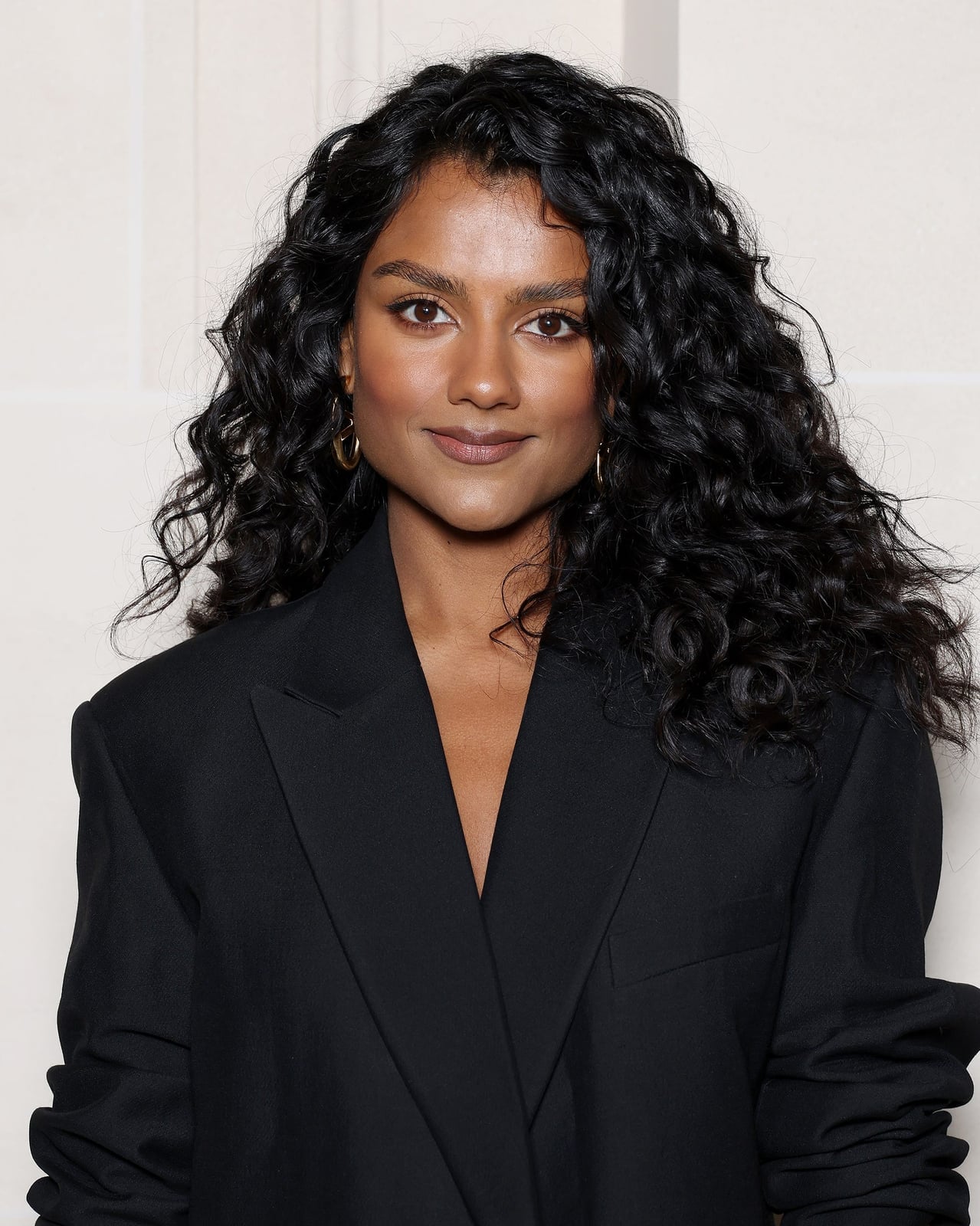
Thick black curls with blonde balayage and curtain bangs create a front view that offsets the forehead without a full fringe, and the layers keep the mass of thick hair from turning triangular. The blonde pieces are painted from the mid-lengths down, so the roots stay dark and the grow-out is low-maintenance. This combination works best on thick hair that can carry both the cut and the color without losing curl definition. Ask your colorist for: mid-back length layers, blonde balayage. Air dry with a curl cream and let the curtain bangs fall where they want. A trim every 10 to 12 weeks keeps the bangs from grazing your eyes.
Mid-Back Braided Ponytail Updo
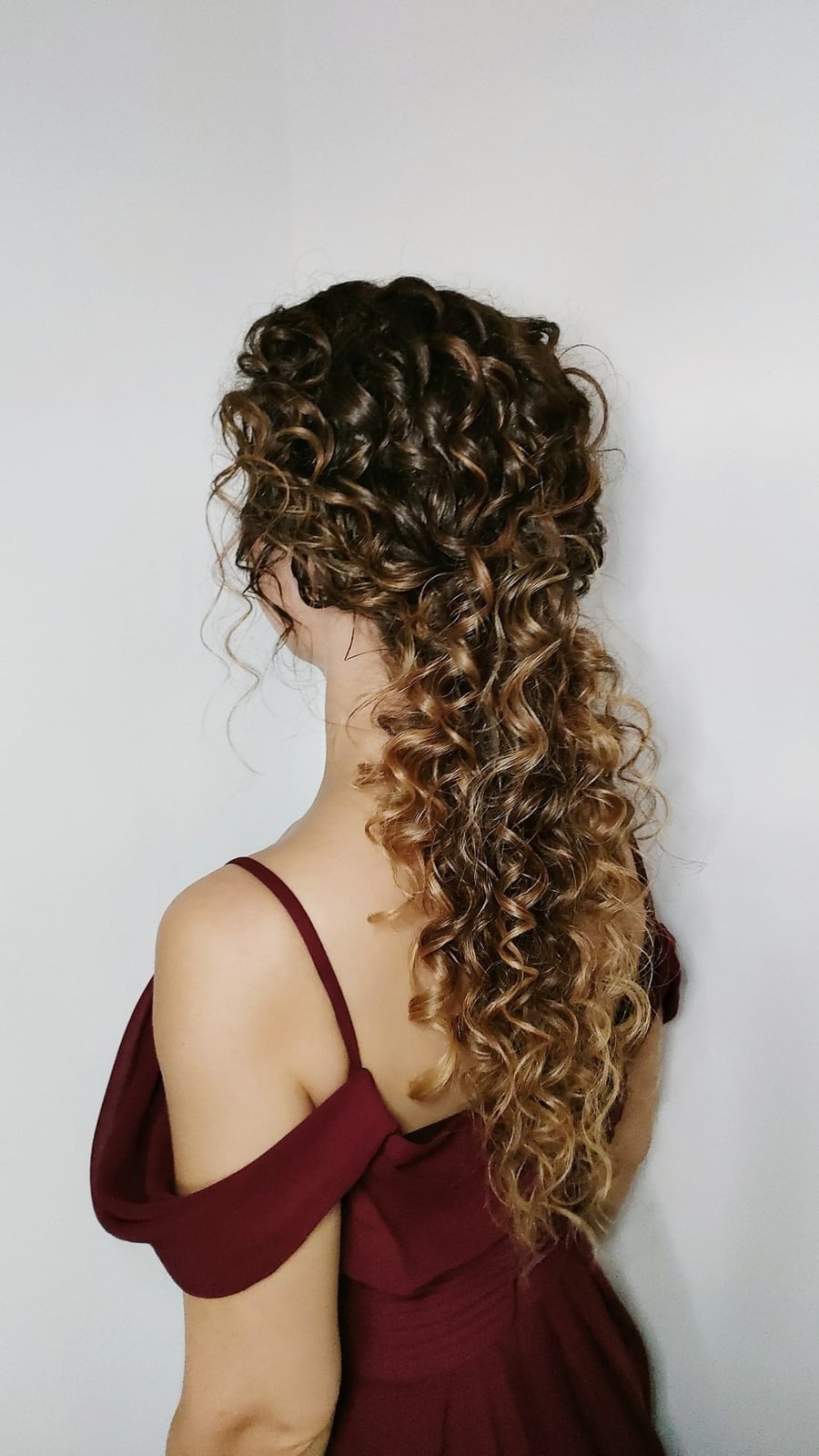
A mid-back braided ponytail updo on thick curly hair with blonde balayage is the kind of style that looks complicated but follows a surprisingly simple logic. The braid pulls the bulk of the hair back, while the remaining curls at the nape provide texture and movement. The blonde balayage reads more clearly in the braid than it would loose, since the lighter pieces sit against the dark base. This updo genuinely flatters anyone with thick curly hair of mid-back length or longer; shorter lengths may not have enough weight to hold the braid secure. Ask your stylist for: mid-back braided ponytail updo. Secure with pins and hairspray, and undo gently to preserve the curl pattern underneath. A trim every 10 to 12 weeks keeps the ends healthy for braiding.
Shoulder Length Layers With Curtain Bangs, Middle
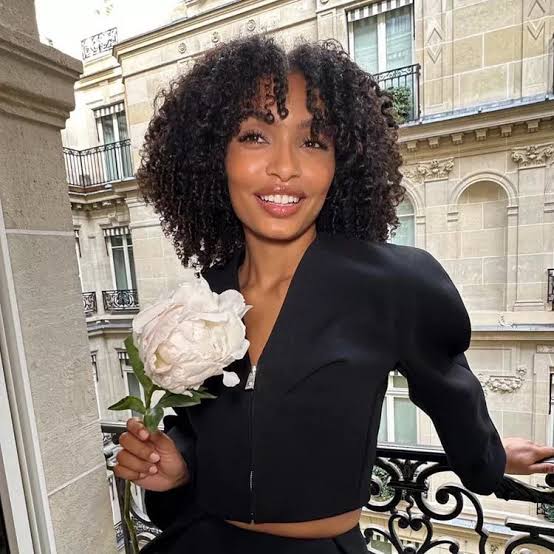
Full bangs on thick curly hair are a commitment, unlike face-framing pieces that can hide behind the hair. This shoulder length cut pairs a middle parting with curtain bangs that blend into the layers, so the fringe does the framing while the dense texture carries the volume. It suits oval and heart faces, where the bangs balance the forehead without overwhelming it. Ask your stylist for: shoulder length layers, curtain bangs. Air drying is the recommended styling method, and expect to trim the bangs every four to six weeks to keep them from falling into the eyes.
Shoulder Length Layers With Face-Framing Bangs, Close-Up Take
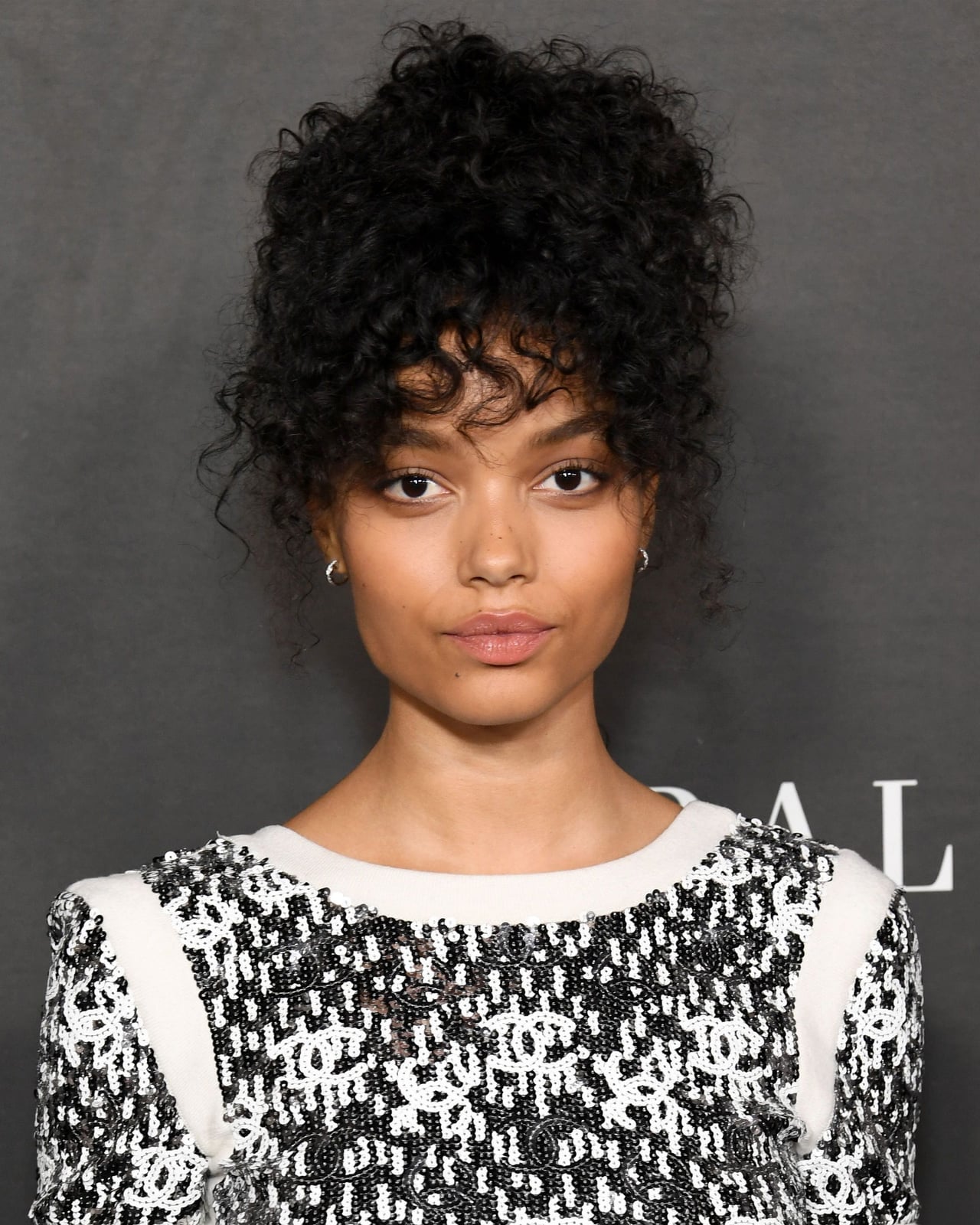
Face-framing bangs on medium-density curly hair create a soft, open shape that does not rely on the cut for definition. The shoulder length layers give the dark brown base with subtle highlights room to move, and the side parting directs the bangs outward instead of straight down. Air-dried medium curls can frizz at the ends without a curl cream, and the bangs need a trim every eight to ten weeks to keep their shape. Ask your stylist for: shoulder length layers, face-framing bangs. It suits oval and round faces best, where the framing softens the jawline.
Final Thoughts
The rule for curly cuts is simple: fine hair benefits from a blunt baseline with minimal layers to keep density, while thicker curls need plenty of internal layers to manage volume without losing definition. Trim every eight to twelve weeks to keep the shape crisp and the ends healthy.
- Trim every 8-12 weeks to maintain shape and prevent split ends.
- Deep condition weekly to keep curls hydrated and defined.
- Use a microfiber towel or cotton t-shirt to dry hair, avoiding rough toweling.
- Apply curl-defining products to wet hair before air-drying or diffusing.
Embrace your natural texture with confidence.
