

Babylights are the coloring technique that uses ultra-fine highlights to mimic the natural, sun-bleached effect hair gets after a summer outdoors. The current shift leans toward softer, more blended color placement, moving away from obvious chunky streaks in favor of something that looks like it happened on its own.
This collection of 38 ideas spans everything from low-maintenance toasted almond bases to brighter blonde blends, covering collarbone cuts, mid-back lengths, and curtain bangs. Whether your struggle is fine hair that goes flat, a visible grow-out line, or a fringe that never sits right, these babylights offer a sun-kissed solution that grows out gracefully.
Toasted Almond Base With Fine Blonde Highlights
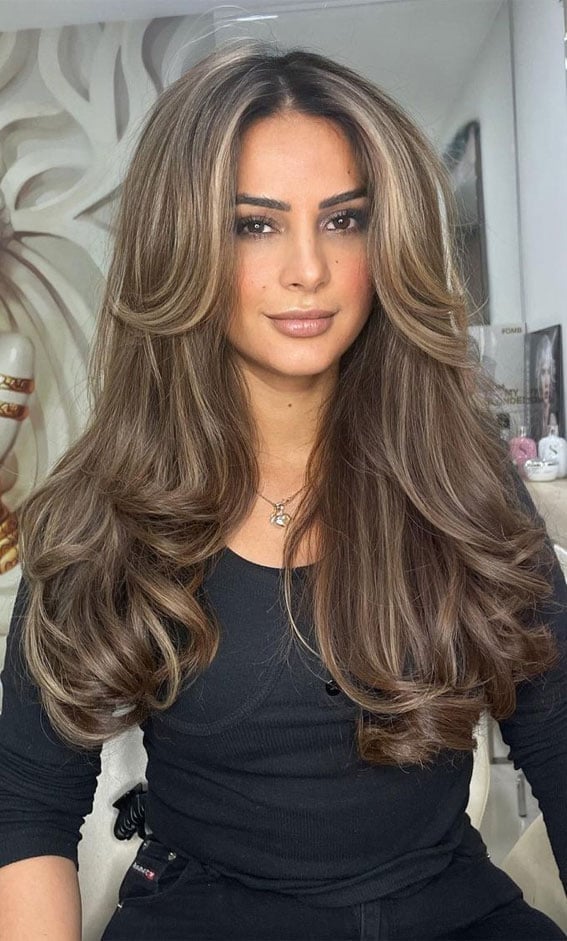
The logic here is simple: the toasted almond base provides the depth, and the fine blonde babylights supply the dimension without turning the whole thing into a stripey mess. Thick, wavy hair at mid-back length handles the face-framing layers well, and the middle part keeps things symmetrical for oval and long faces. Ask your colorist for: toasted almond base with fine, blended blonde babylights. A volumizing mousse at the roots before blow-drying keeps the lift going, and those layers need a trim every 10 to 12 weeks.
Blonde Base With Sun-Kissed Babylights and Curtain Bangs
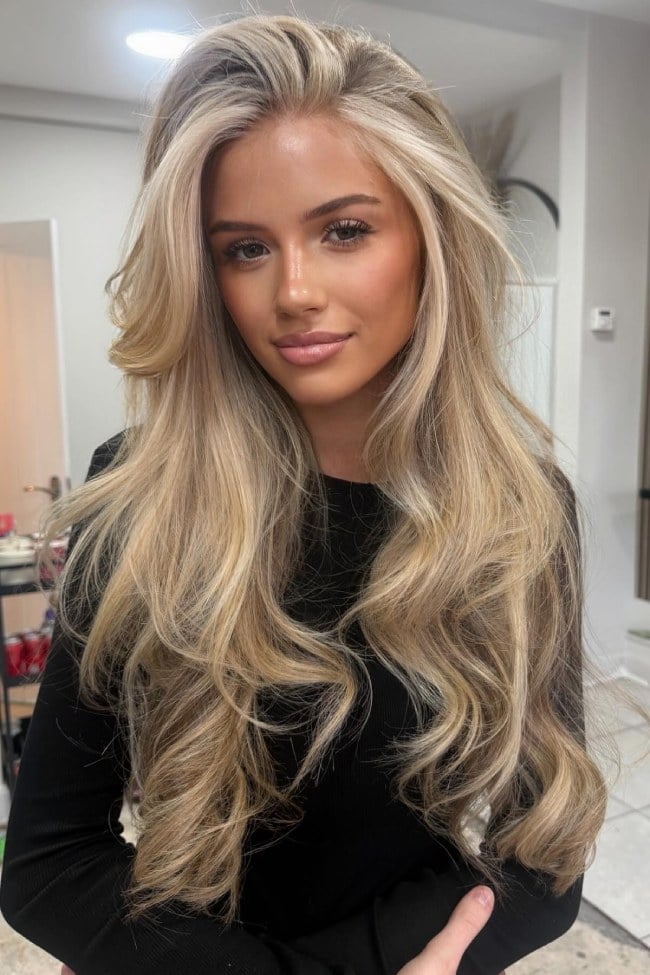
Can a blonde base actually look natural? Yes, when the babylights are woven fine enough to mimic sun exposure rather than a foil packet. Thick, wavy hair at mid-back length gives the curtain bangs enough weight to sit properly, and those bangs soften round and square face shapes by breaking up the perimeter. Ask your colorist for: blonde base with fine, sun-kissed babylights, curtain bangs. The curtain bangs need a round brush directed away from the face, and a toning appointment every 6 to 8 weeks keeps the highlights from veering brassy.
Collarbone Brunette With Fine Blonde Highlights
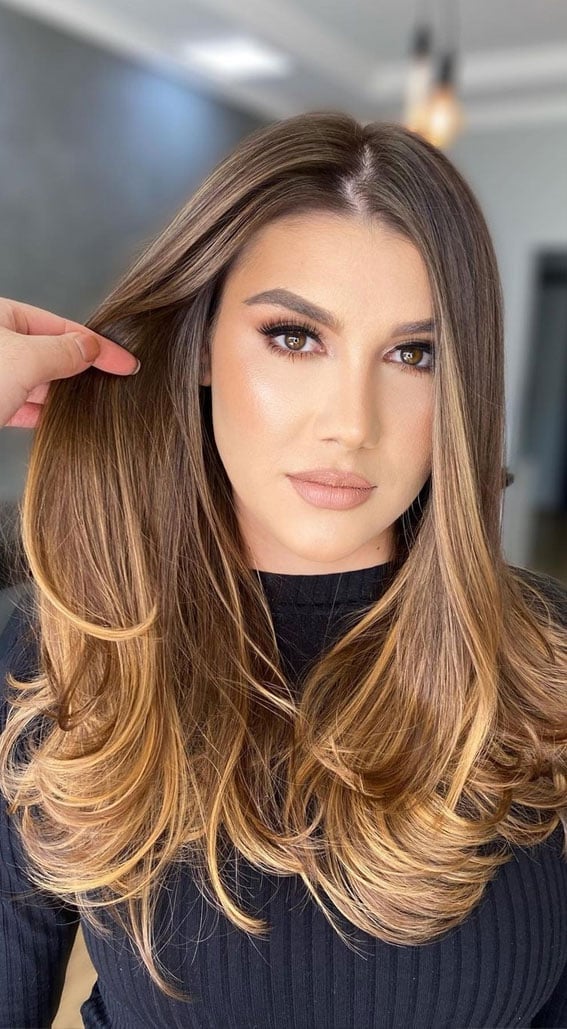
Collarbone length is the sweet spot where a rich brunette base can carry light blonde babylights without the contrast feeling abrupt. The fine weave keeps the dimension soft rather than chunky, and the face-framing layers draw attention to the jawline for oval and heart-shaped faces. Ask your colorist for: brunette base with fine, light blonde babylights. This styling typically uses a texturizing product on the mid-lengths and ends to define waves, and a trim every 6 to 8 weeks keeps the collarbone line sharp.
Collarbone Dark Brown With Wavy Blonde Highlights
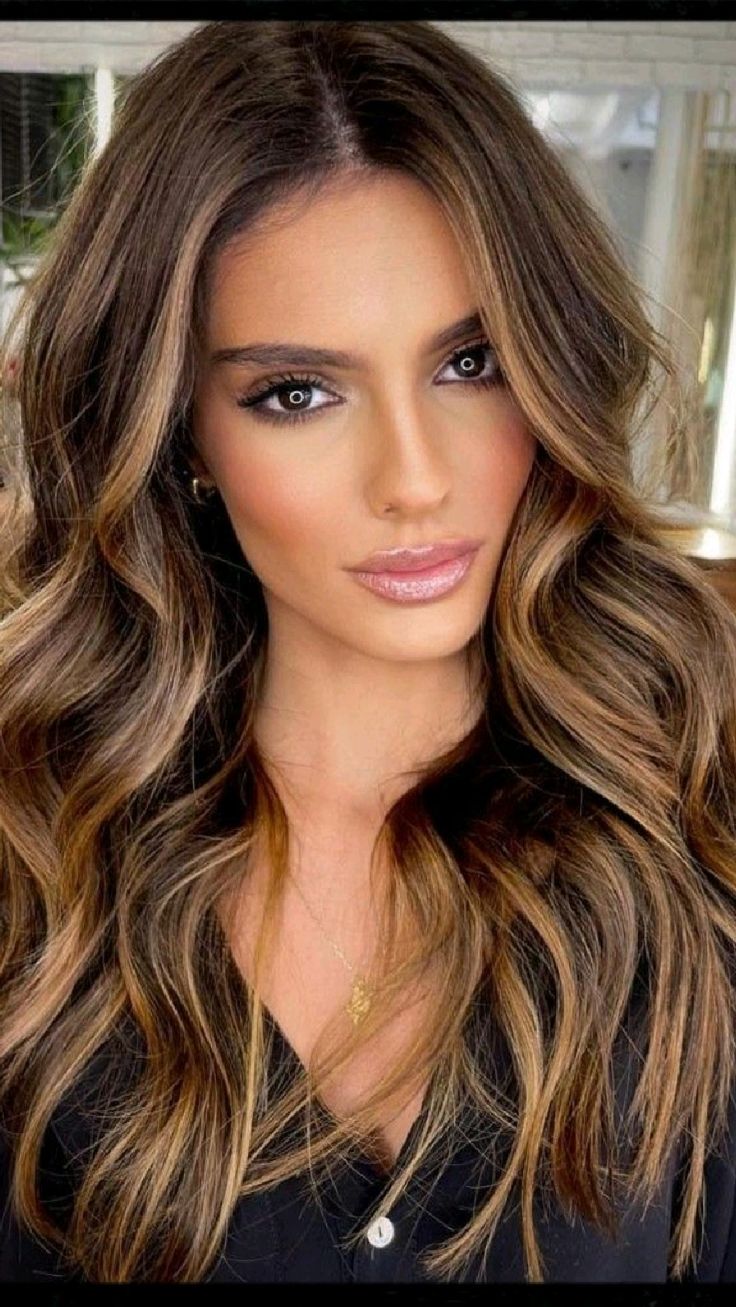
Dark brown bases can feel flat compared to lighter brunette shades, which is where fine blonde highlights earn their keep. Unlike a caramel balayage that sinks into the mid-lengths, babylights here start closer to the root for a brighter overall effect. Thick, wavy hair at collarbone length carries the dimension well, and a middle part with soft layers suits most face shapes without fuss. Ask your colorist for: dark brown base with fine, lighter blonde highlights. A heat protectant before a curling wand is non-negotiable, and the baseline needs a trim every six weeks.
Collarbone Blonde With Platinum Babylights and Curtain Bangs
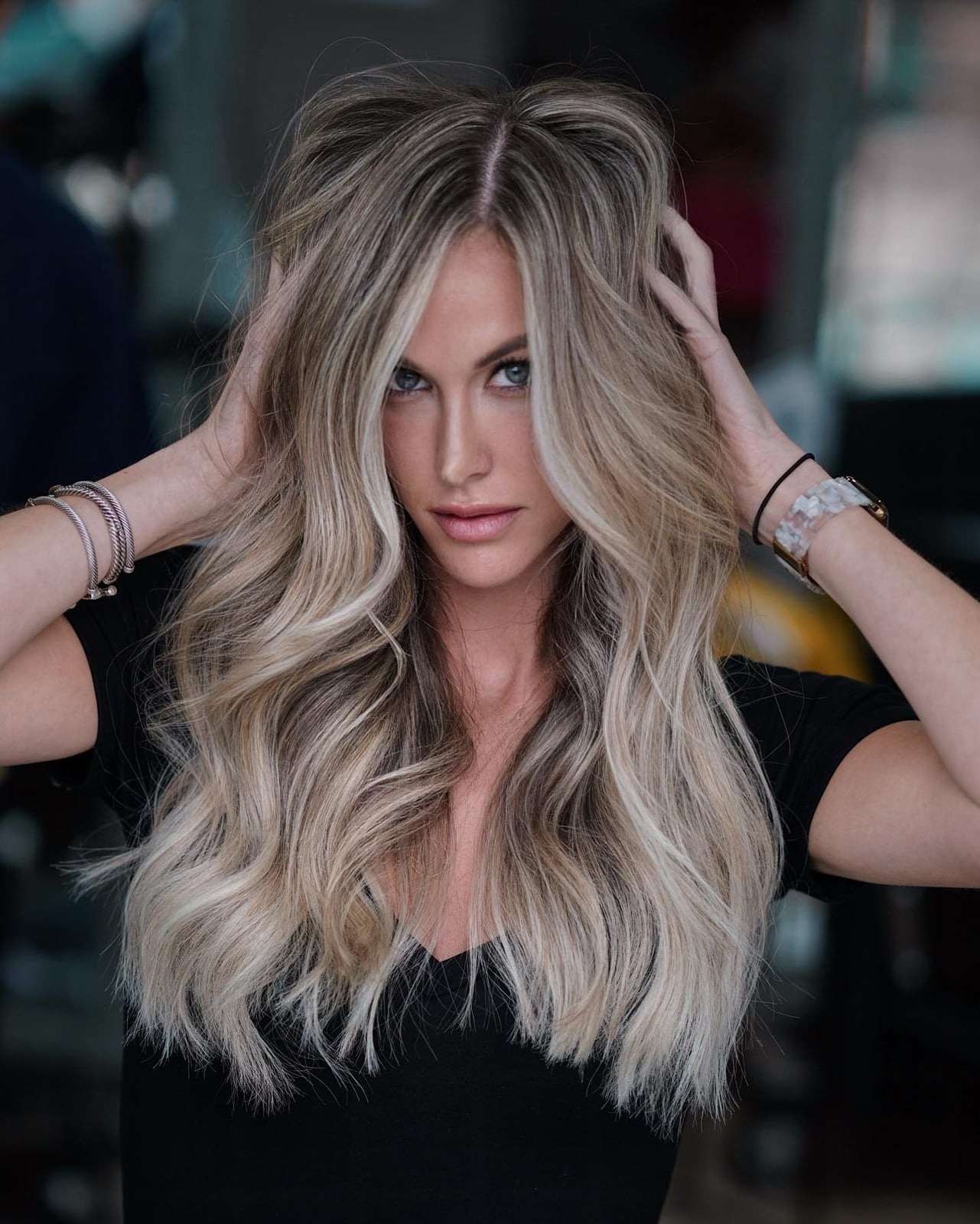
Platinum babylights on a blonde base is the kind of high-contrast move that looks deliberate but wears like a grow-out you planned. The fine weave keeps the brightness from reading as a solid block, and the curtain bangs soften the overall effect. Thick, wavy hair at collarbone length has enough density to show the dimension, and the bangs work well on angular faces.
Ask your colorist for: blonde base with fine platinum blonde babylights, curtain bangs. A texturizing spray on dry hair enhances the waves, but the real commitment is the curtain bangs: they need trimming every 4 to 6 weeks. The babylights themselves can stretch to 8 to 10 weeks between appointments if you use a purple shampoo once a week.
Collarbone Pale Blonde With Subtle Blonde Highlights
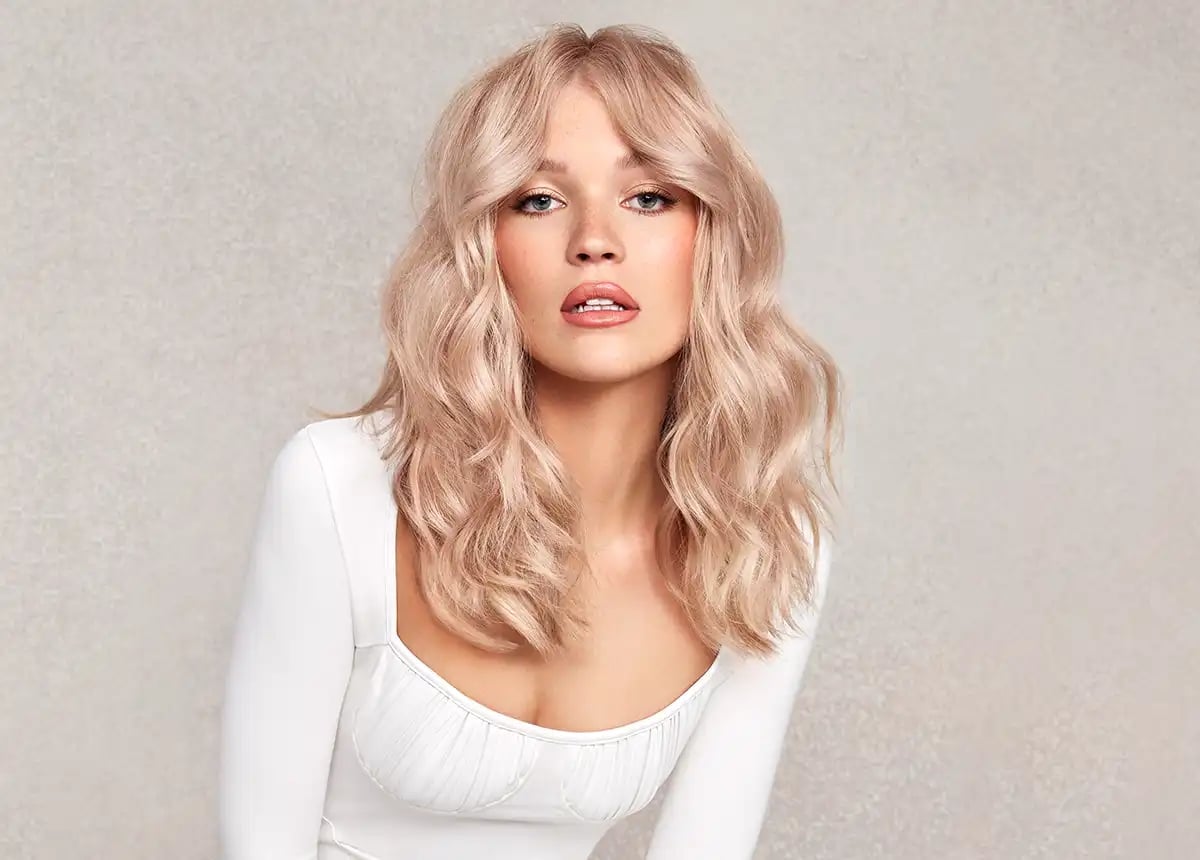
Pale blonde babylights on a collarbone-length base give you dimension without the stripe effect, which is harder to pull off than it sounds. The curtain bangs and soft waves make the whole thing read as sun-kissed. Ask your colorist for: pale blonde base with subtle blonde babylights, curtain bangs. This is a salon-only technique; the fine weaving requires precision, and trying it at home usually ends in regret. Medium, wavy hair at this length suits round faces, and the middle parting keeps the softness balanced. A smoothing serum keeps the frizz down, and a baseline trim every eight weeks keeps the ends honest.
Dark Blonde With Seamless Blonde Babylights
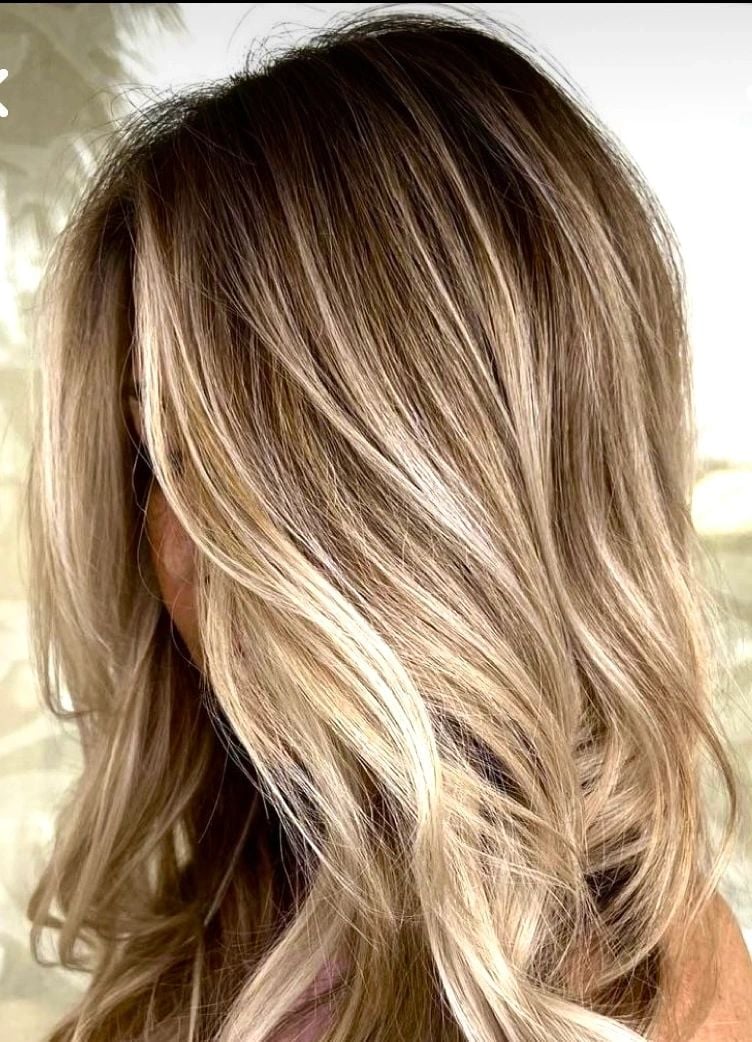
The seamless blend here comes from weaving the fine blonde highlights close to the root, then feathering them out through the mid-lengths so no line appears. On a dark blonde base, that means the light pieces catch the wave pattern without looking painted on. Ask your colorist for: dark blonde base with fine, seamless blonde babylights. Thick, wavy hair at collarbone length carries the technique best, and the soft face-framing layers keep the movement natural. A sea salt spray adds beachy texture without weighing down the waves, and a trim every six to eight weeks maintains the shape.
Collarbone Dark Blonde With Caramel Highlights
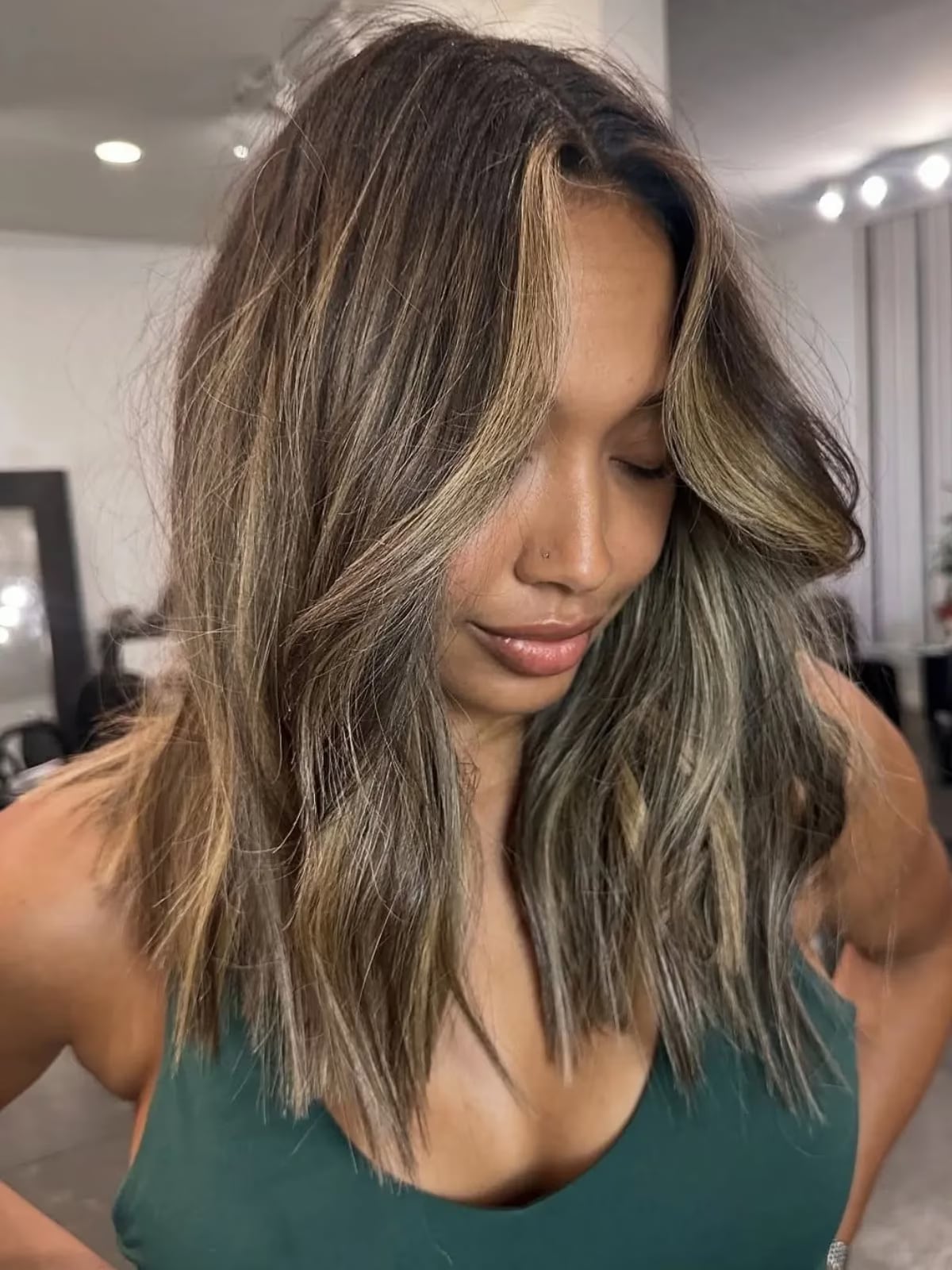
Wondering how to warm up a dark blonde base without going full copper? Caramel highlights are the answer that works from late summer into fall. The warm tone sits close to the base shade, so it adds depth with soft contrast, and the loose waves let the color shift with each bend. Ask your colorist for: dark blonde base with warm caramel highlights. Thick, wavy hair at collarbone length gives the color enough surface to show off, and the middle part keeps it wearable for most face shapes. A color-protecting serum keeps the shine, and a toning appointment every eight to ten weeks keeps the warmth from turning brassy.
Dark Brown With Subtle Blonde Babylights and Curtain Bangs
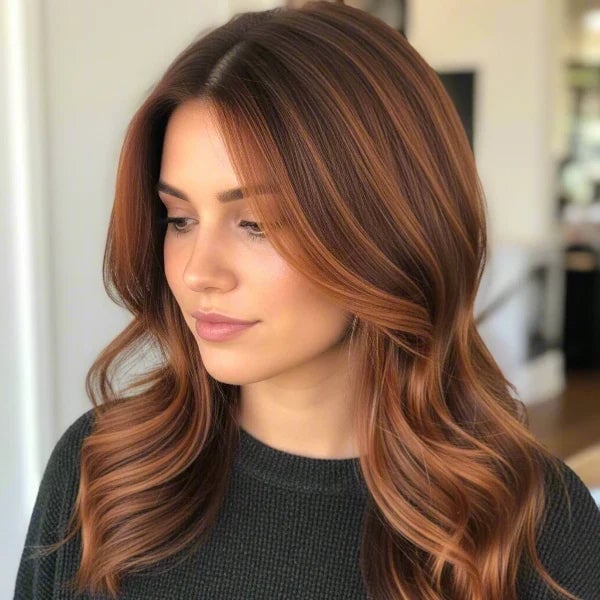
Subtle blonde babylights on dark brown hair add light without announcing themselves. The curtain bangs and smooth blowout make the face the focal point, which is why this suits square faces that want softness around the jaw. Ask your colorist for: dark brown base with subtle blonde babylights, curtain bangs. Thick, wavy hair at collarbone length carries the fine highlights well. Blowout styling directs the bangs to frame the face. Book a trim every six to eight weeks.
Collarbone Dark Brown With Face-Framing Highlights
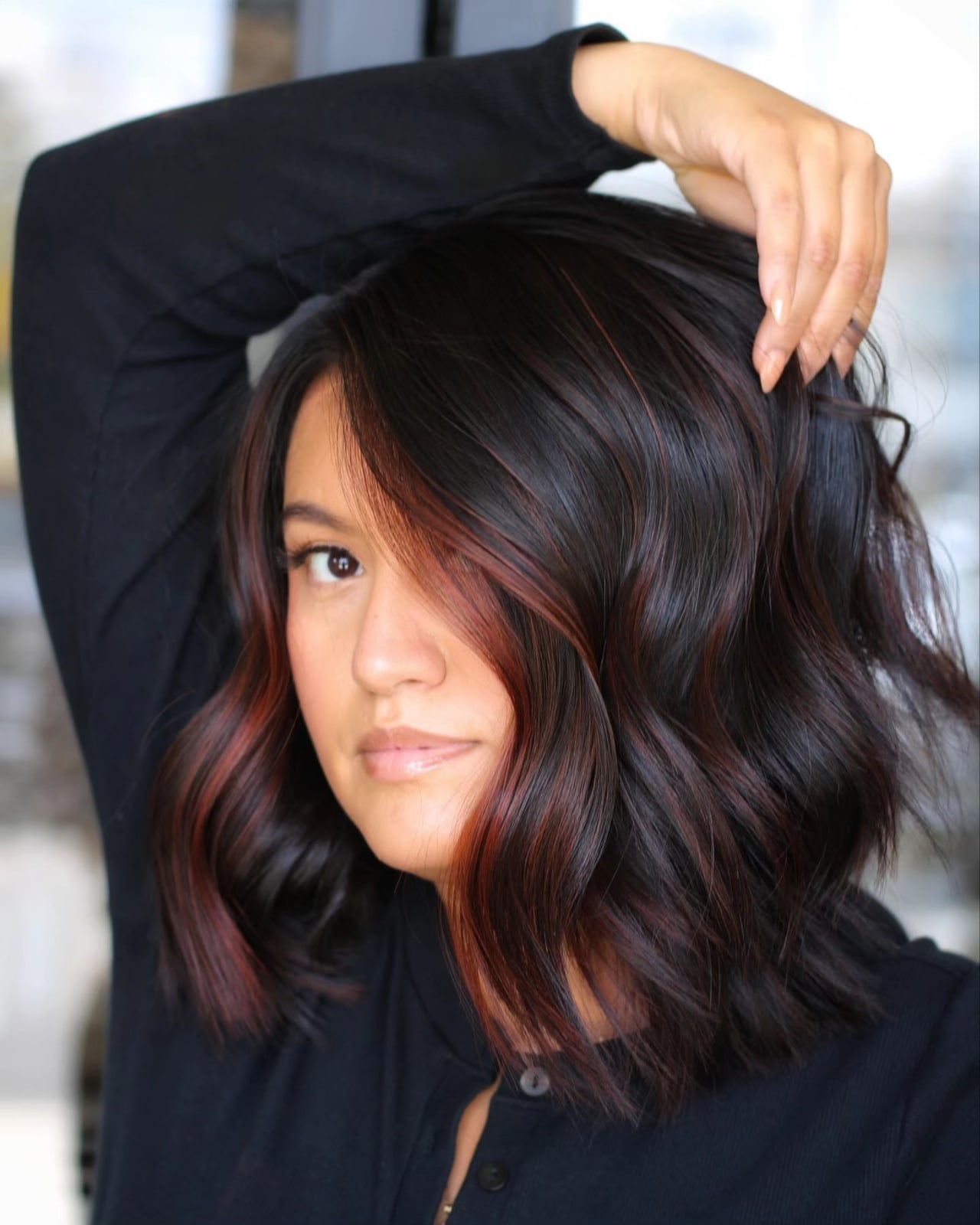
The fine blonde highlights here concentrate around the face, which is a deliberate choice: it brightens the features without committing the whole head to lightening. On a dark brown base, the effect is a natural, lived-in dimension that grows out gracefully. Ask your colorist for: dark brown base with fine, face-framing blonde highlights. This suits round and square faces because the lighter pieces draw the eye outward, and the wavy blowout keeps it from looking severe. A texturizing spray adds definition to the ends, and a baseline trim every six to eight weeks keeps the collarbone length sharp.
Collarbone Brown With Face-Framing Curtain Bangs
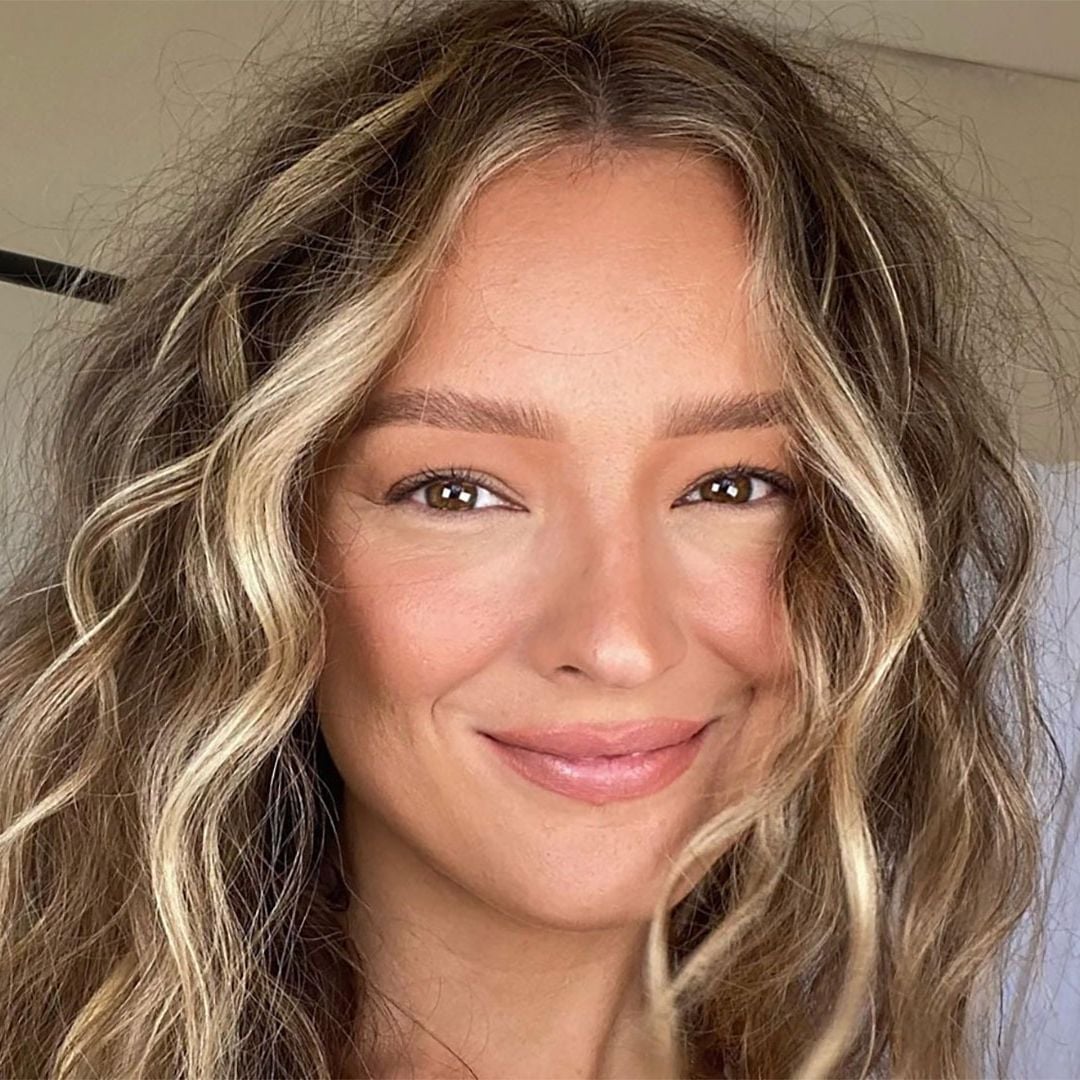
Set this against a plain middle part and you will notice the difference immediately: the curtain bangs pull the blonde highlights forward, so the lightest strands sit right around the jaw instead of getting lost in the wave. It is a softer take on the same brown base, built for thick, wavy hair that already has some movement to it. The collarbone length keeps the weight low enough that the layers do not turn into a pyramid.
Angular faces get the most out of curtain bangs because the outward curve softens a strong jawline. Ask your colorist for: brown base with fine blonde highlights, curtain bangs. The parting is in the middle, which lets the bangs frame both sides evenly. This is a salon finish through and through, so budget a few hours in the chair rather than attempting it at home.
Collarbone Dark Brown With Lighter Blonde Highlights and Curtain Bangs
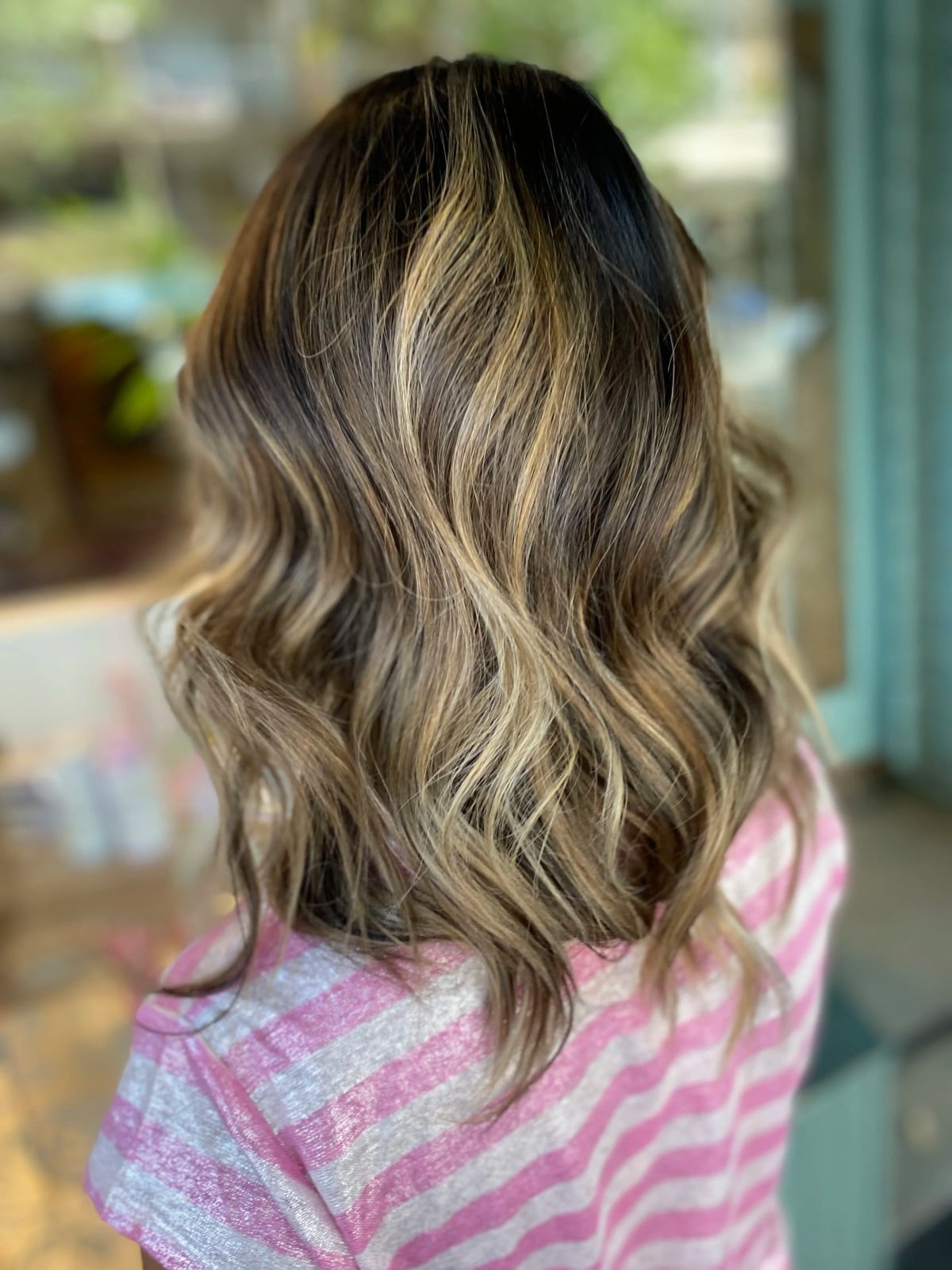
On a dark brown base, lighter blonde highlights read as deliberate contrast, not subtle shimmer. The fine weave keeps the difference from turning brassy, and the curtain bangs carry the brightest strands right up to the face where they actually register. Thick, wavy hair at collarbone length holds the movement well. Ask your colorist for: dark brown base with fine, lighter blonde highlights, curtain bangs. A texturizing spray on dry hair gives the waves definition, and the baseline needs a trim every six to eight weeks to keep the shape honest.
Collarbone Sandy Blonde With Fine Highlights and Curtain Bangs
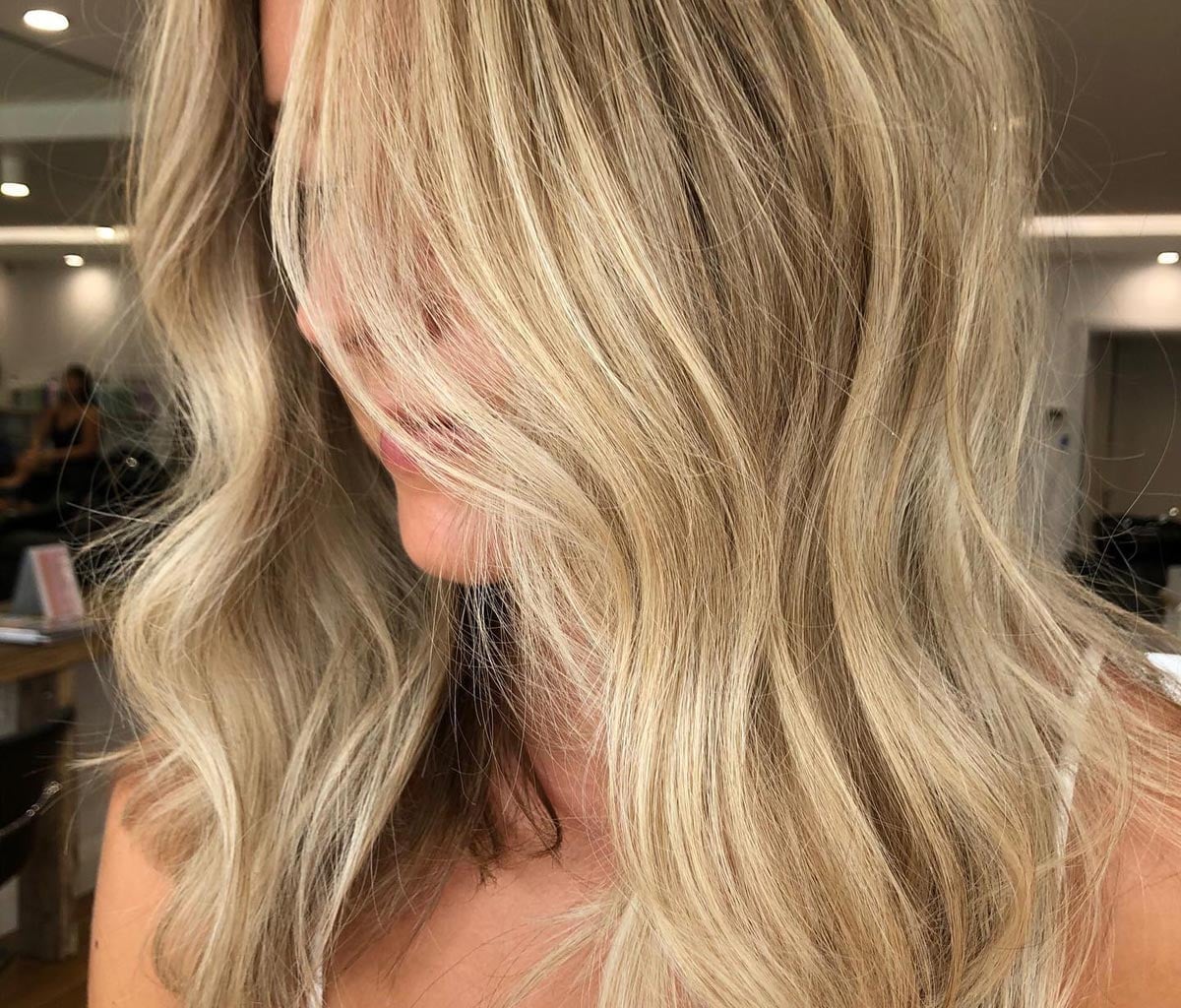
The trick with a sandy blonde base is keeping the highlights finer than the eye expects. Each strand is woven in separately, so the dimension looks like natural variation, not a stripe effect. Curtain bangs carry that same fineness forward, framing the face without a hard line. Thick, wavy hair at collarbone length works well for this style. Ask your colorist for: sandy blonde base with fine, blended babylights, curtain bangs. The middle parting keeps both sides symmetrical, and the blowout does the rest.
Collarbone Medium Brown With Blonde Babylights
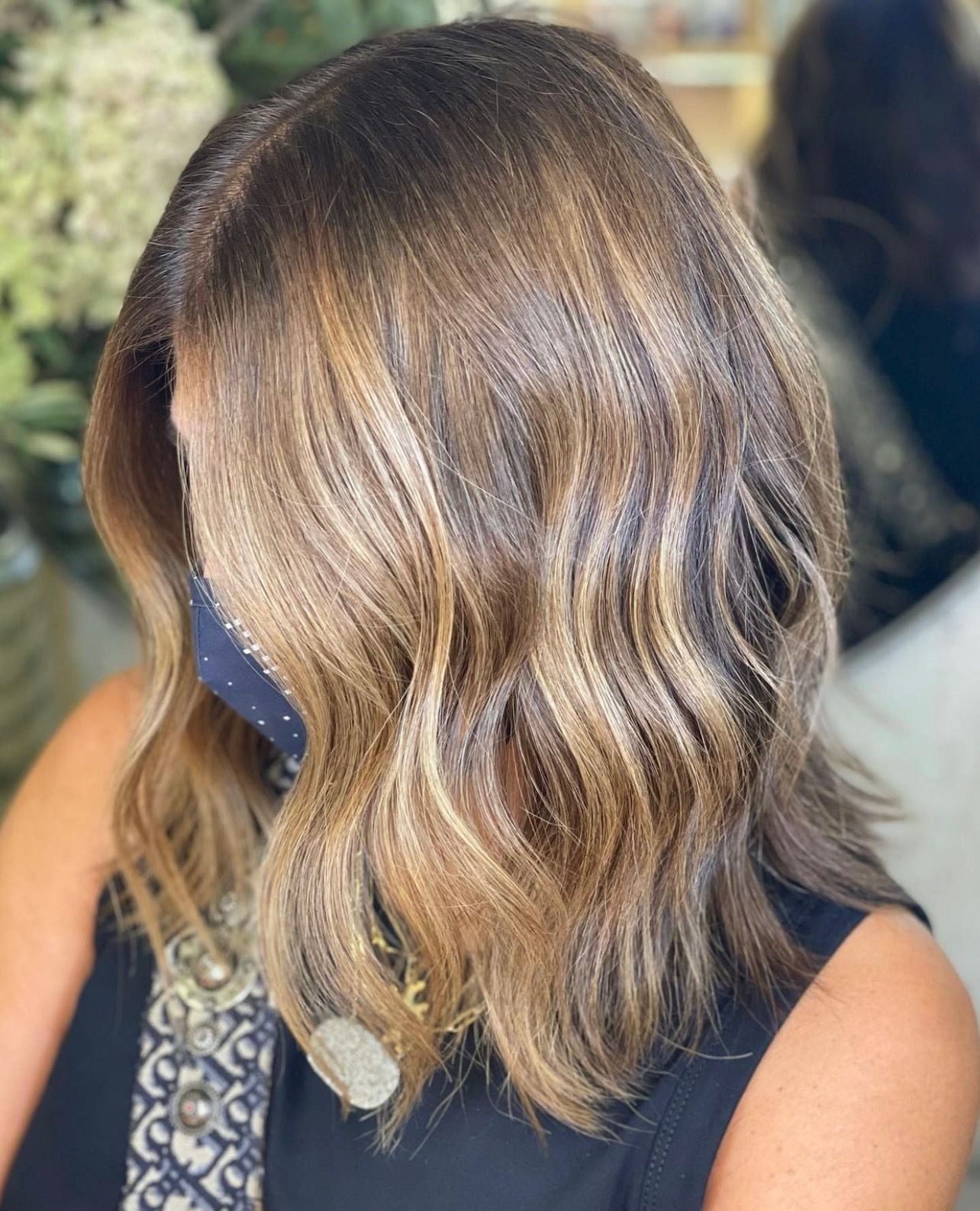
Is medium brown with blonde babylights worth the upkeep, or should you just go full blonde? If you want dimension without a constant root line, the answer is yes, worth it. The fine babylights sit close to the base shade, so the grow-out blends instead of announcing itself. Medium density, wavy hair at collarbone length shows the variation without needing heavy styling. A middle part suits most face shapes, which keeps this a safe bet for a first color appointment. Ask your colorist for: medium brown base with fine blonde babylights. The side view is where the subtlety pays off, since the light catches the strands at different angles.
Skip this if you are after a dramatic change. The whole point is restraint, and a single process will not shift your base more than a shade or two. What you get instead is a lived-in look that fades gracefully, no harsh regrowth line to chase every month.
Collarbone Medium Blonde With Ash Blonde Babylights, Straight
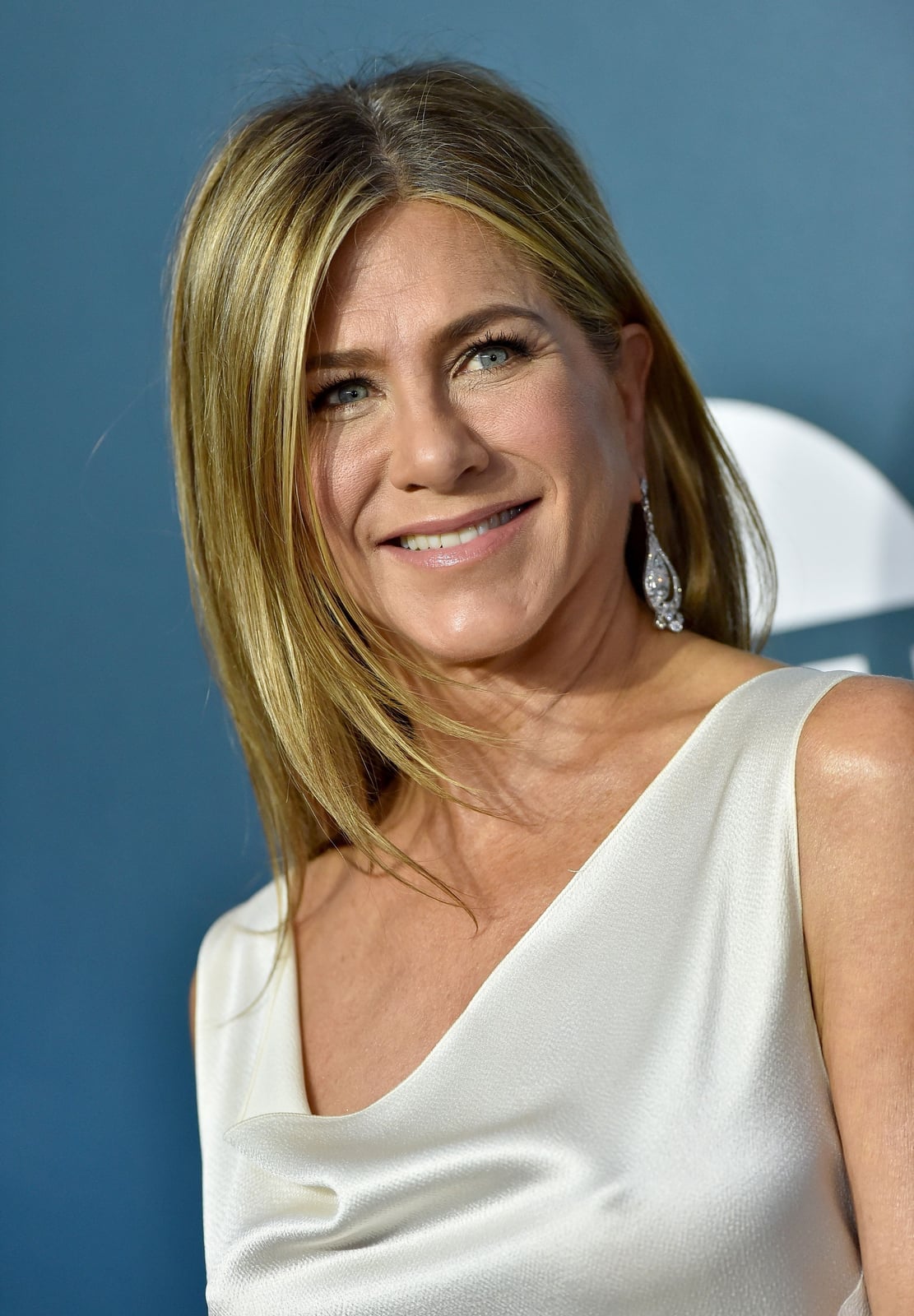
Ask any colorist and they will tell you that ash blonde on a medium blonde base is a tone request, not just a lightness one. The babylights here are woven fine enough to read as a sun-kissed effect, and the straight, smooth blowout lets the delicate strands show without curl interference. Fine hair at collarbone length benefits from the subtle layers, which add movement without sacrificing density. Ask your colorist for: medium blonde base with fine ash blonde babylights. A middle part and long layers complement longer face shapes by adding width at the sides. The finish is glossy and low-fuss.
Collarbone Dark Blonde With Lighter Blonde Babylights
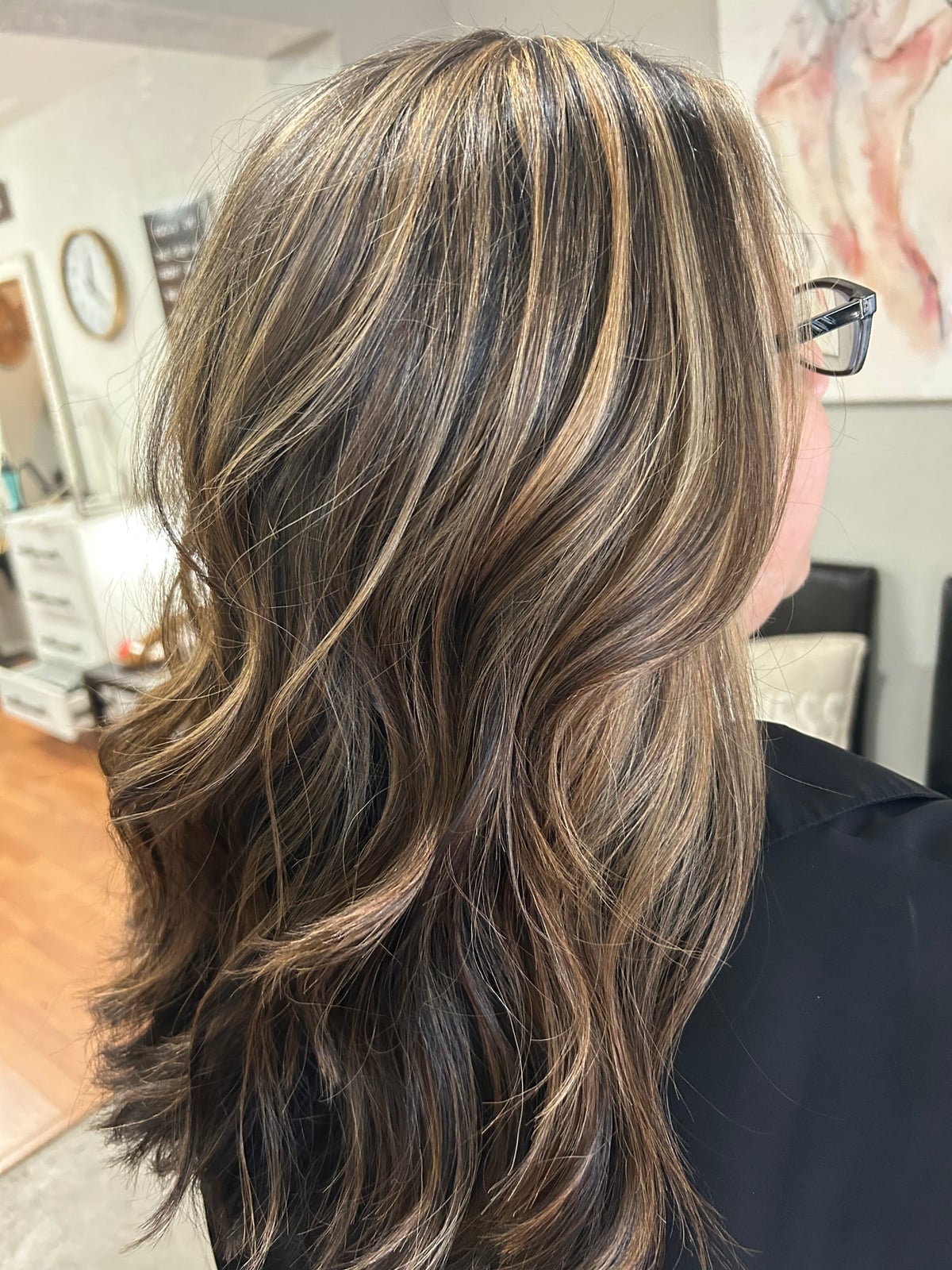
These are not chunky highlights. Where a foil would deposit a stripe, babylights paint fine, blended ribbons through a dark blonde base, so the lift reads as sunlight rather than salon work. A middle part and collarbone-length waves keep the effect soft. Ask your colorist for: dark blonde base with fine lighter blonde babylights. Medium-density, wavy hair gets the most movement from this technique, while thick hair may need more sections to let the lighter pieces read.
Shoulder Ash Blonde With Fine Blended Highlights
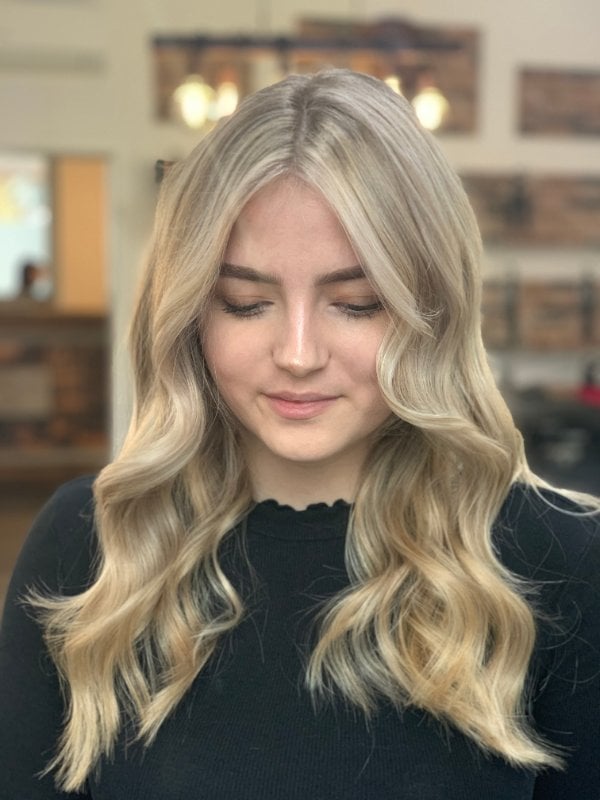
Ask your colorist for: ash blonde base with fine, blended highlights. The grow-out on this is forgiving. The fine placement means no visible root line for about eight weeks. Thick, wavy hair at shoulder length holds the shape well; a trim every six to eight weeks keeps the ends from looking straggly.
Shoulder Dark Brown With Subtle Babylights
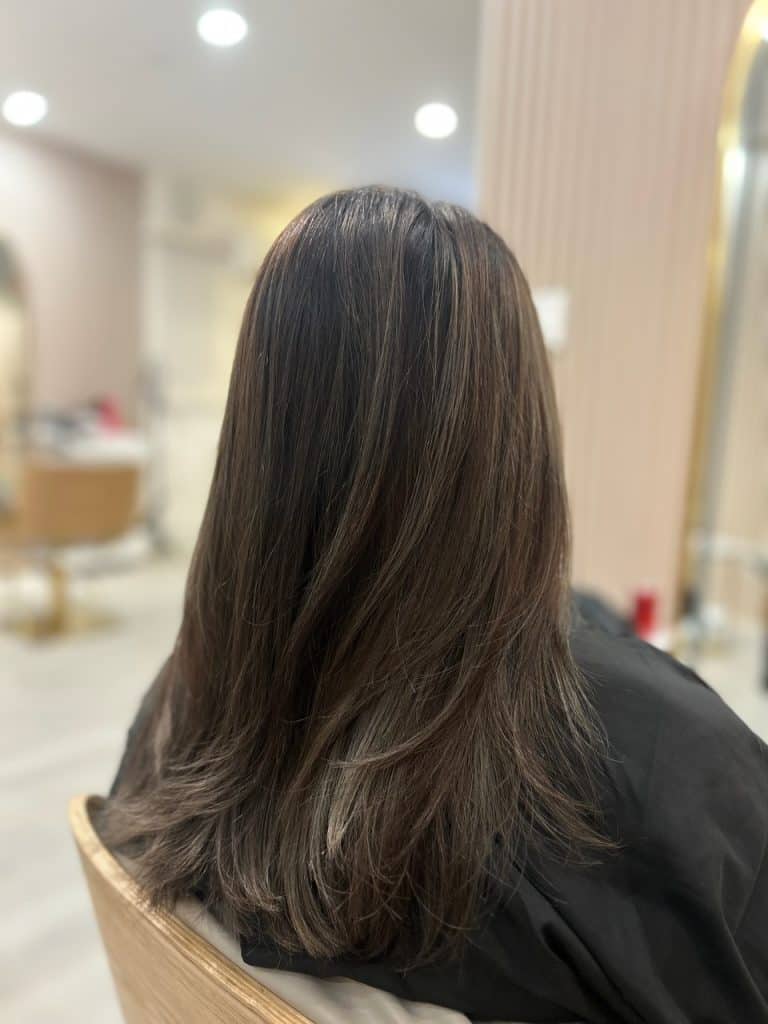
Subtle babylights on dark brown hair are a salon-only proposition. The lift from dark to light needs precision, and the fine sections mean a single slip creates a stripe. Here the babylights are woven straight through shoulder-length layers, so the dimension is there but never announces itself. Ask your colorist for: dark brown base with subtle, fine lighter babylights. Thick, straight hair at this length keeps the clean line, but straight hair shows uneven placement more readily than wavy texture. The grow-out is gentle, about ten weeks before the contrast feels lived-in.
Collarbone Bob With Ash Blonde Babylights
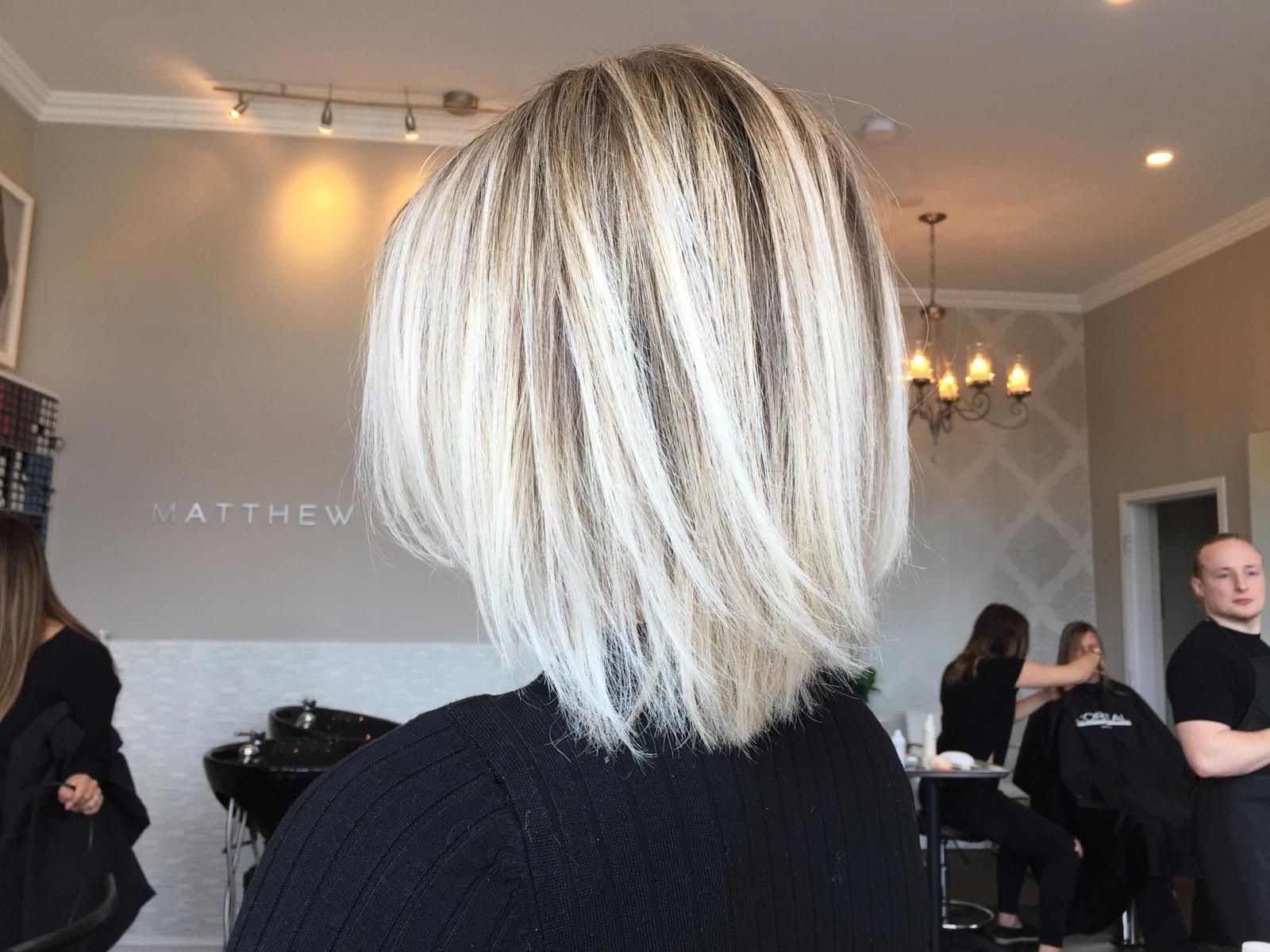
Babylights on a collarbone bob require a steady hand and a fine-tooth comb. The technique uses a weaving motion to lift thin sections from a dark blonde base, painting on ash blonde lightener so the tones blend rather than stack. The result is a cool-toned dimension that keeps a short cut from looking single-note. Ask your colorist for: collarbone bob with ash blonde babylights. Fine, straight hair at this length holds the smooth blowout well, and a middle part keeps the bob symmetrical. Oval and heart face shapes get the cleanest line from this cut.
Collarbone Dark Blonde With Sun-Kissed Babylights and Side Fringe
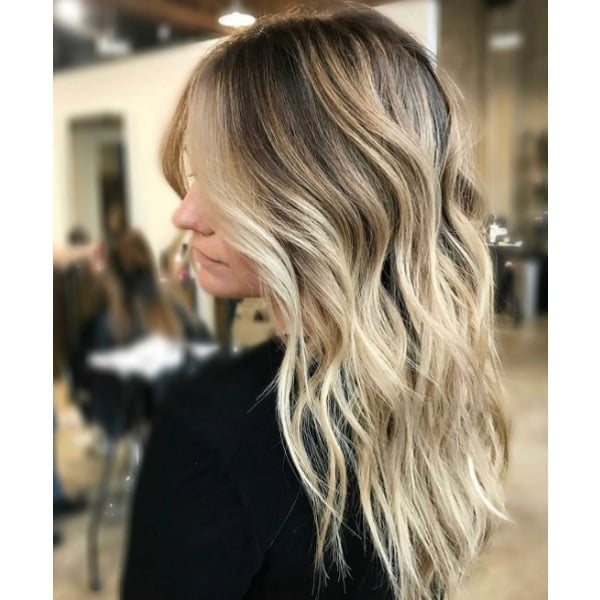
Who should ask for sun-kissed babylights on a dark blonde base with a side fringe? Anyone whose hair leans fine and whose texture can handle soft waves without falling flat. The fringe here is side-swept, not heavy, so it softens angular faces without demanding a trim every three weeks. The babylights are painted close to the root line, then blended down through the collarbone length, creating a warm, graduated lift rather than a stark contrast.
Ask your colorist for: dark blonde base with sun-kissed blonde babylights, side-swept fringe. This is not the look for ultra-straight, low-porosity hair. The waves are what sell the sun-kissed effect. Fine, wavy texture at collarbone length hits the sweet spot between movement and hold.
Collarbone Dark Brown With Lived-In Blonde Highlights and Air Dried
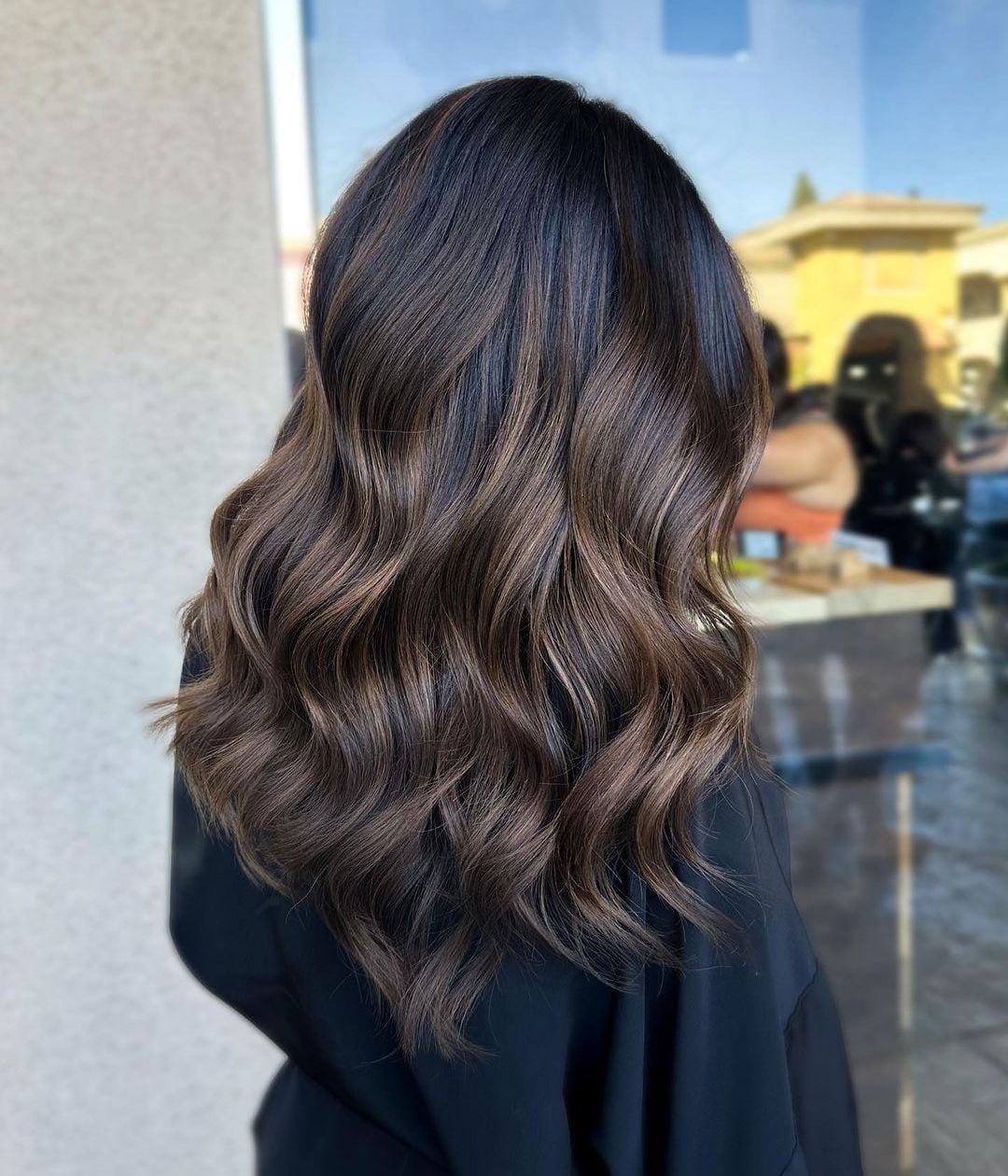
For dark brown hair that wants a sun-kissed glow without a dramatic change, this lived-in effect starts with a dark brown base and finely woven blonde highlights. The loose waves and middle parting let the color peek through, and the face-framing layers add movement. This suits thick, wavy hair at collarbone length, and it’s a salon-leaning process because the highlights need to be placed to look natural. Ask your colorist for: dark brown base with subtle, lived-in blonde highlights. Finish by air drying with a texturizing cream, and plan a trim every six to eight weeks.
Collarbone Dark Brown With Subtle Blonde Highlights, Mid-Back
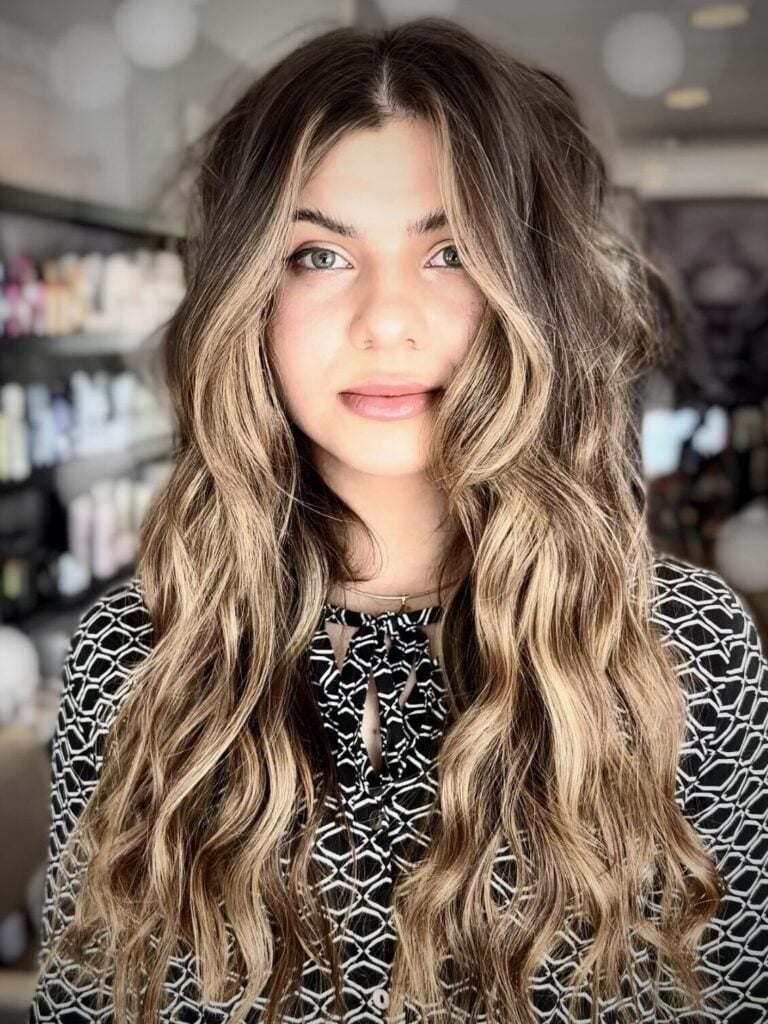
Choosing between face-framing babylights on collarbone length versus mid-back length comes down to how much drama you want. On collarbone length, the lighter pieces concentrate near the face and are more deliberate; on mid-back length, they spread out and feel more casual. Here, the dark brown base with fine, lighter blonde highlights and loose waves suits thick, wavy hair, and the side part works with most face shapes. Ask your colorist for: dark brown base with fine, lighter blonde highlights. Use a heat protectant before styling with a curling wand, and get a baseline trim every six weeks.
Mid-Back Dark Brown With Face-Framing Layers
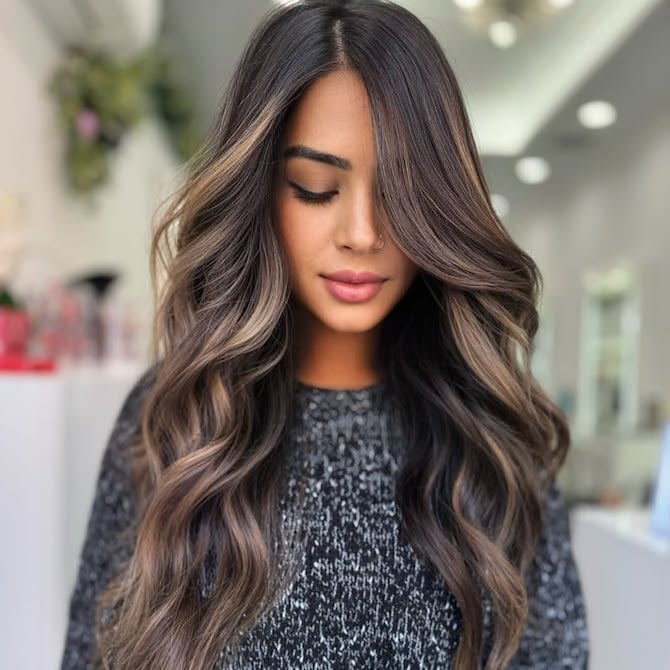
The face-framing layers and curtain bangs draw attention to the middle of the face, while the subtle blonde highlights add dimension to the dark brown base. On mid-back length hair, the color grows out gracefully because the babylights are so fine, so you can stretch the salon visit. This works well on thick, wavy hair, and the curtain bangs soften a round face. Ask your stylist for: dark brown base with subtle blonde highlights, face-framing layers, curtain bangs. Blow-dry the bangs with a round brush, directing them to each side, and trim every four to six weeks.
Mid-Back Brown With Ash Blonde Babylights
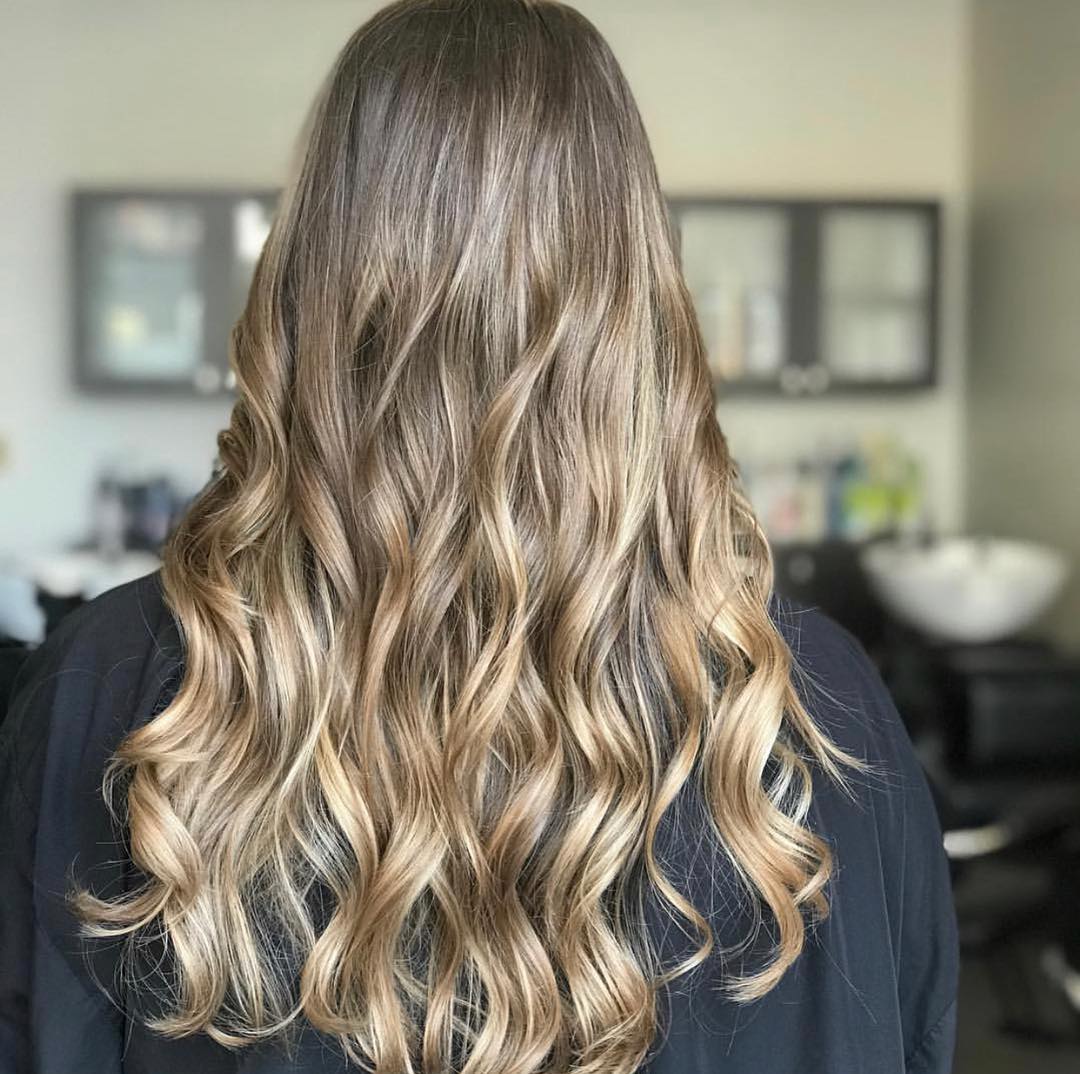
Achieving ash blonde babylights on a brown base is a salon commitment, because the toner does the real work. The brown base keeps the overall look grounded, while the ash blonde highlights add subtle dimension that reads as cool and lived-in. This suits thick, wavy hair at mid-back length, and the layers help the color move. Ask your colorist for: brown base with ash blonde babylights. This is not a DIY project; the placement and toning need a professional hand. Between visits, use a color-depositing conditioner to keep the ash tone from turning brassy, and book a trim every ten to twelve weeks.
Mid-Back Ash Blonde With Fine Ash Blonde Babylights, Wavy
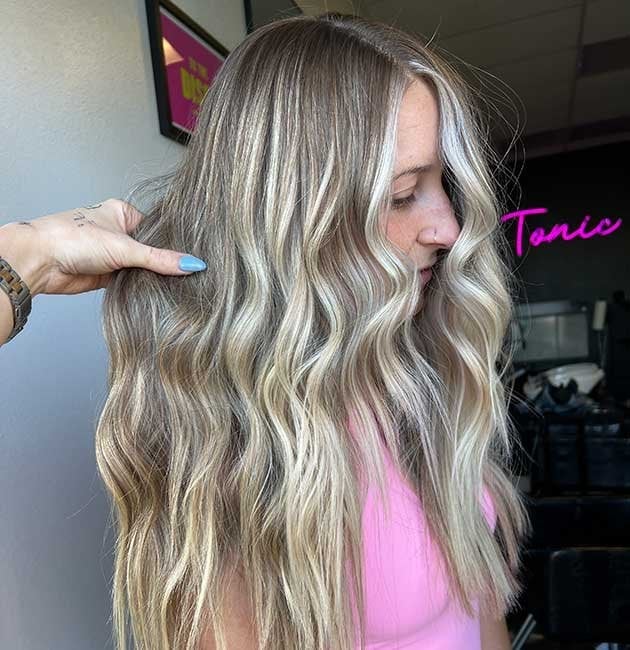
The long layers and loose waves give the lighter pieces movement, and the middle parting frames the face. This style suits thick, wavy hair at mid-back length, where the color can shift with each wave. Ask your colorist for: ash blonde base with fine, ash blonde babylights. Use a purple shampoo occasionally to keep the cool tone from going yellow, and plan a trim every ten to twelve weeks.
Mid-Back Medium Blonde With Delicate Babylights
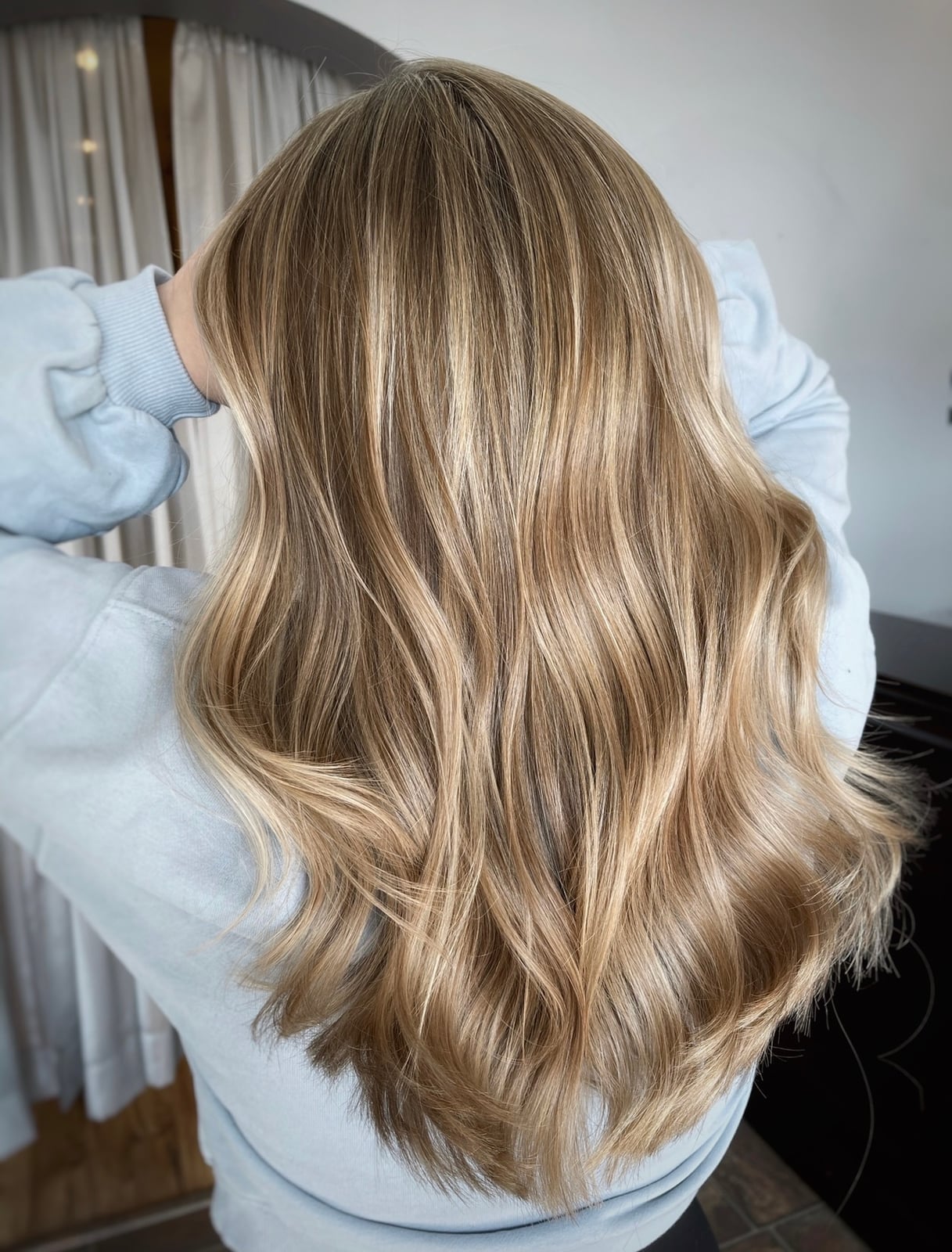
Who actually looks good with delicate babylights on a medium blonde base? Anyone with medium-density, wavy hair that reaches mid-back and already has long layers. The fine, lighter blonde pieces add brightness without committing to a full bleach-out, which means the grow-out line stays soft for weeks. Ask your colorist for: a medium blonde base with delicate, lighter blonde babylights. The loose waves and middle part do the rest, keeping the dimension visible from the front without any extra styling effort beyond a quick wave with a curling iron.
Mid-Back Toasted Almond With Fine Blonde Highlights and Curtain Bangs
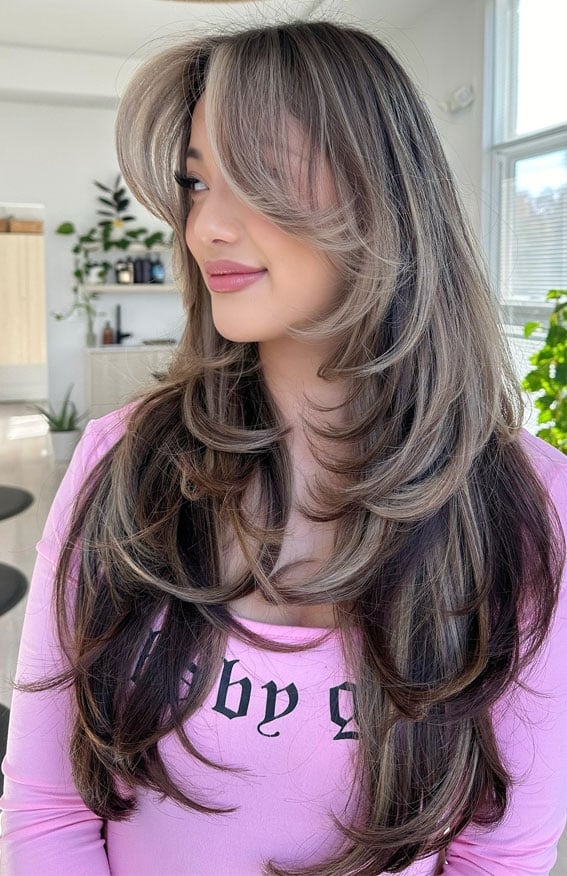
The side part and curtain bangs here frame the face, while the fine blonde highlights on the toasted almond base add depth through the mid-back length. The key is asking for the highlights to be woven finely, not painted in thick sections, so they blend with the ash brown base instead of sitting on top of it. Ask your colorist for: a toasted almond base with fine, blended blonde babylights. Pair it with a blowout that curls the bangs to the sides, and the layers will move naturally with every step.
Mid-Back Blonde With Sun-Kissed Babylights
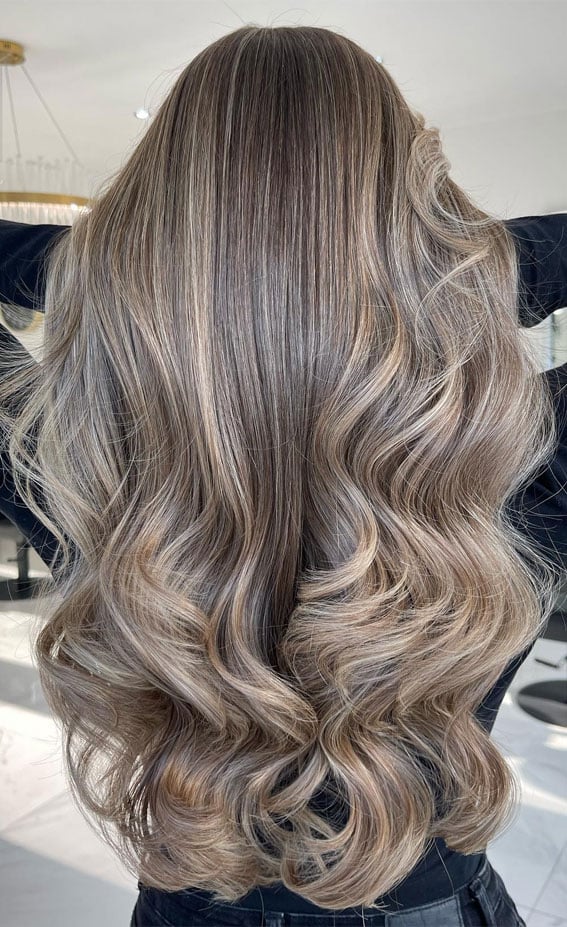
Compared to a solid platinum or a heavy balayage, these sun-kissed babylights on a creamy blonde base are the quiet cousin: they add warmth and dimension without shouting for attention. The fine highlights are scattered through thick, wavy mid-back hair, so the effect reads as naturally faded by the sun rather than painted on. Ask your colorist for: a creamy blonde base with fine, sun-kissed babylights. If your hair is on the thinner side, the subtle contrast might get lost, so this one suits those with enough density to let the highlights peek through.
Mid-Back Blonde With Face-Framing Babylights
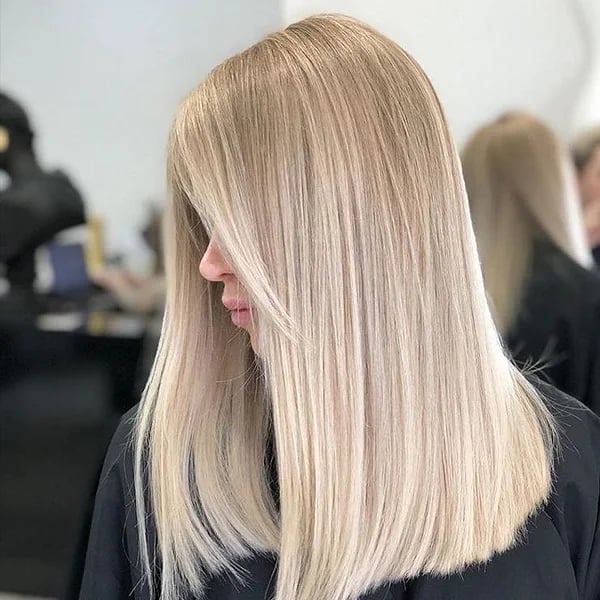
The face-framing pieces here are the workhorses of the whole cut: they pull the eye toward the lighter ash blonde babylights at the front, while the rest of the mid-back length stays a shade deeper. Because the babylights are fine and ash-toned, the grow-out is forgiving, but the face-framing sections will need a toner every six to eight weeks to keep them from turning brassy. Ask your colorist for: an ash blonde base with fine babylights, face-framing pieces. Loose waves and a middle part let the layers move, so the lighter pieces catch the light instead of disappearing into the rest of the hair.
Mid-Back Creamy Blonde With Sun-Kissed Highlights, Wavy
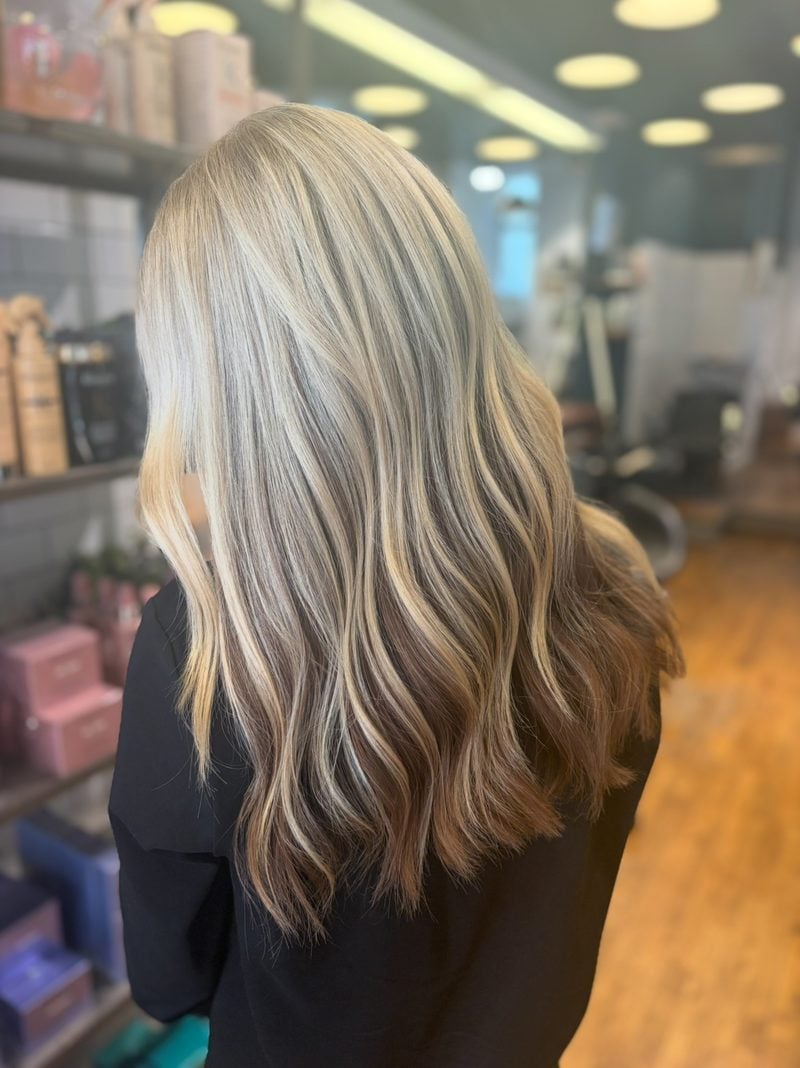
Dimensional color on mid-back length hair is a salon commitment, not a weekend DIY: the root shadow and babylights require two separate applications, which means a few hours in the chair and a touch-up every eight to ten weeks to keep the shadow from creeping down. The payoff is a creamy blonde base with delicate, sun-kissed highlights that look like they happened on a beach vacation, not in a foil. Ask your colorist for: a creamy blonde base with delicate, sun-kissed highlights and a root shadow. Wavy blowouts and a middle part show off the contrast between the deeper root and the lighter lengths.
Mid-Back Ash Blonde With Fine Ash Blonde Babylights, Close-Up Take
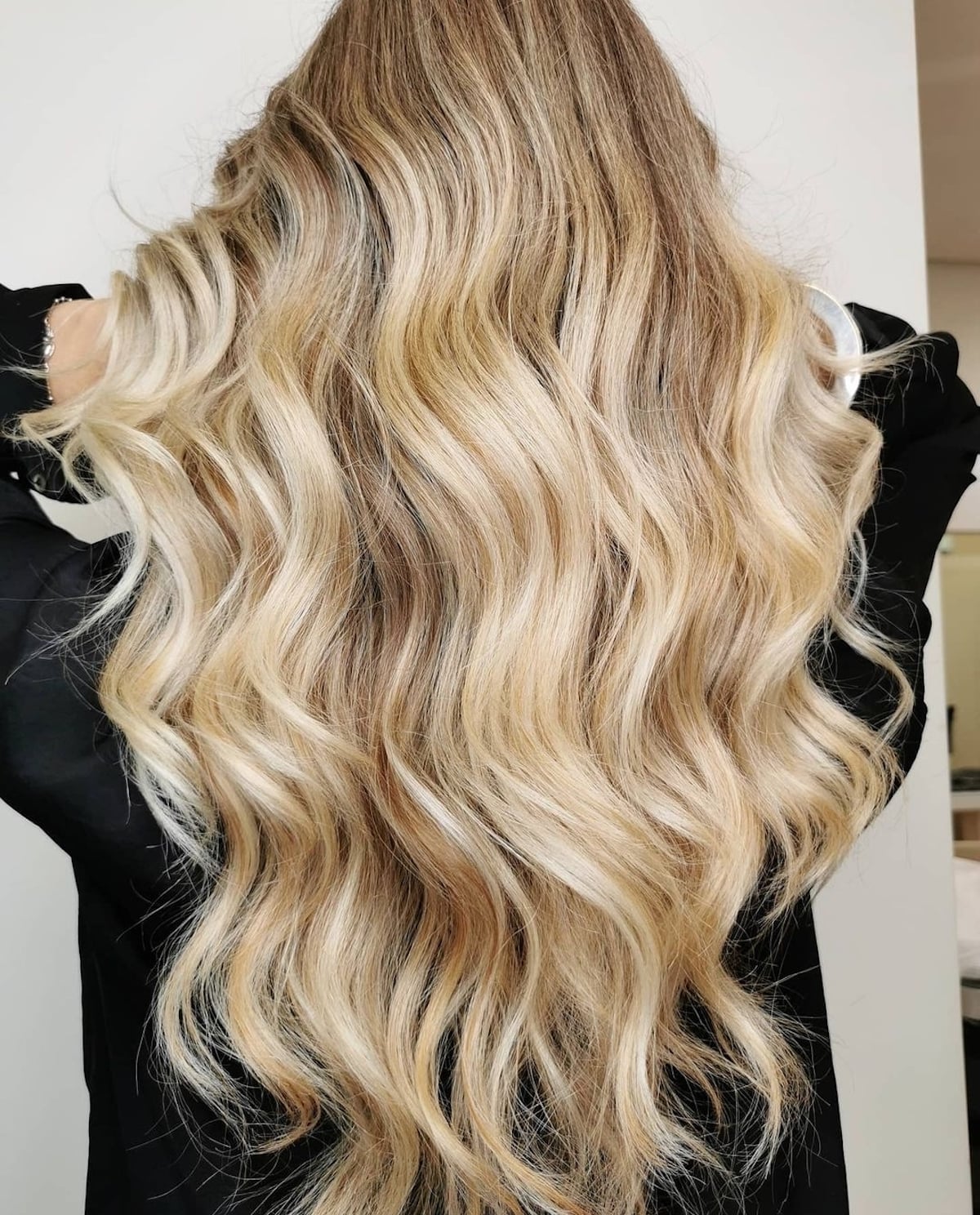
The beauty of fine babylights is that they don’t announce themselves; they just make ash blonde look richer. The technique uses ultra-thin sections at the root, painted with a lighter tone that blends seamlessly into the base. Thick, wavy hair at mid-back length shows the dimension best, especially with long layers that let the lighter pieces catch the light at different points. A middle part keeps the distribution even. Ask your colorist for: ash blonde base with fine, ash blonde babylights. A purple shampoo every few washes keeps the cool tone fresh, and a trim every 10 to 12 weeks maintains the shape.
Mid-Back Blonde With Root Shadow and Babylights
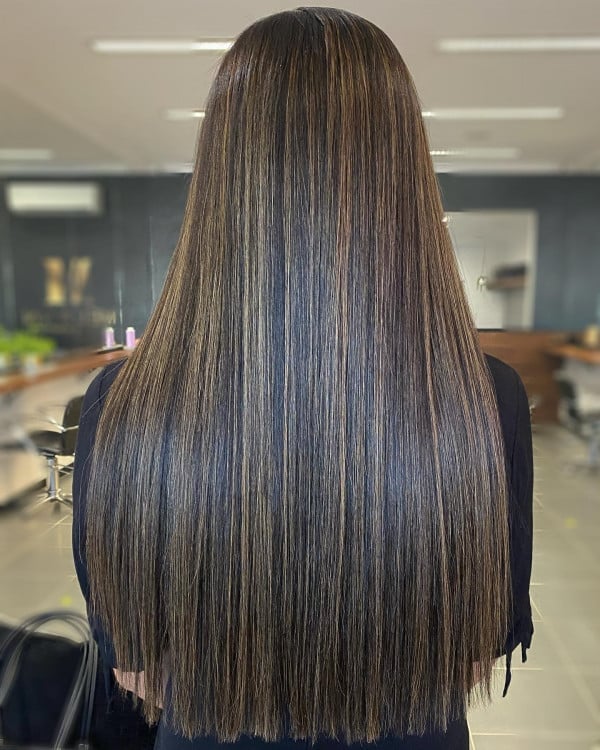
Wondering if babylights work on straight, thick hair at mid-back length? They do, especially when paired with a root shadow. The espresso base gets a subtle lift from fine blonde babylights that run vertically through the strands, creating depth without obvious contrast. The root shadow softens the grow-out line, so touch-ups feel less urgent. Thick, straight hair holds the sleekness well, and the overall effect is glossy and polished. Ask your colorist for: espresso base with blonde babylights and root shadow. A trim every 10 to 12 weeks keeps the ends healthy and the silhouette clean.
Mid-Back Ash Blonde With Subtle Lighter Highlights
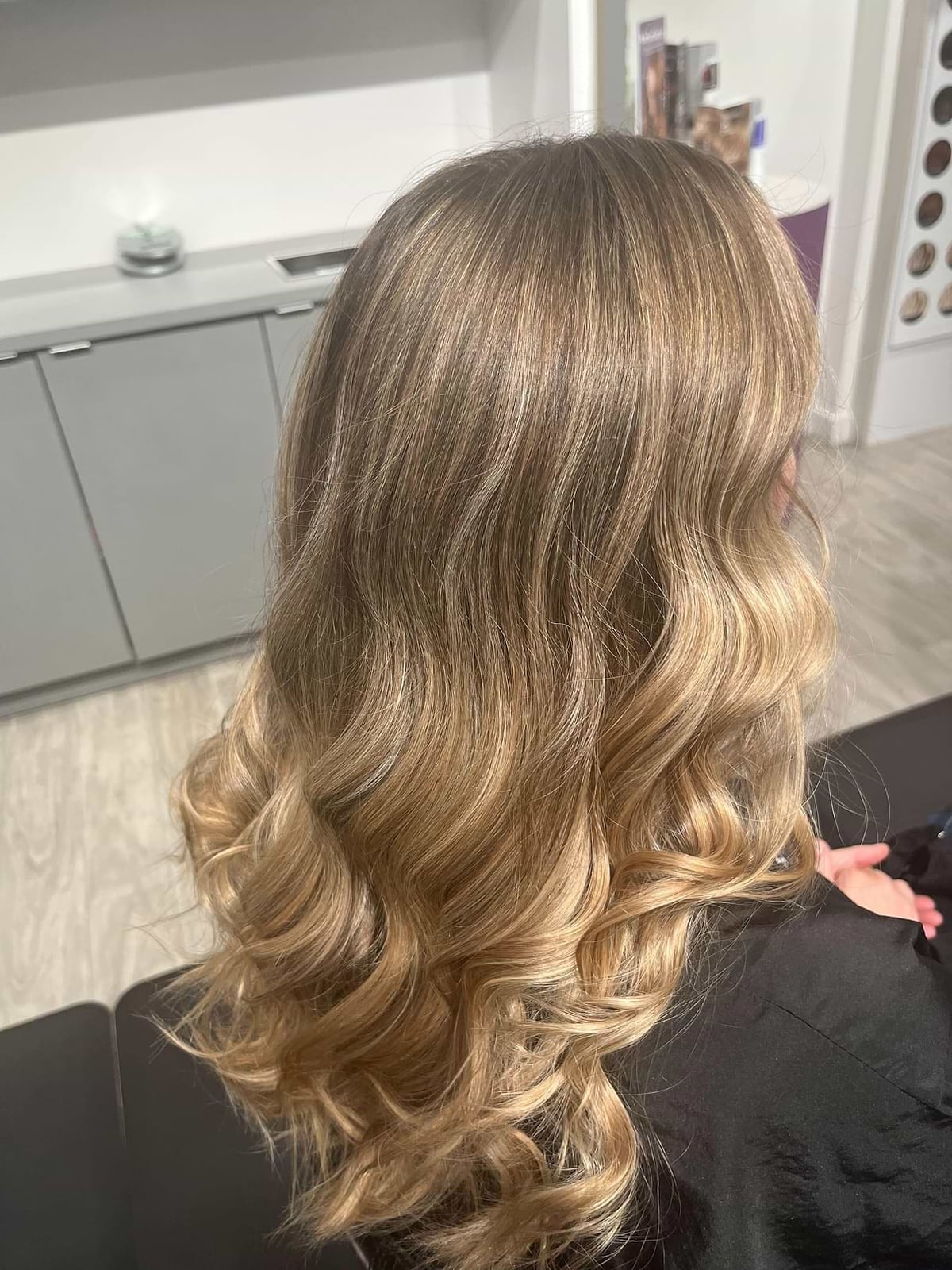
The telltale sign of natural babylights is that they look like the sun did the work, not a brush. The lighter blonde highlights are woven finely enough that they create a soft glow. Thick, wavy hair at mid-back length with long layers lets the color move with each wave. A middle part shows the distribution clearly. Ask your colorist for: dark blonde base with fine, sun-kissed blonde babylights. The grow-out is gentle, and a toning appointment every 8 to 10 weeks keeps the blonde from warming up.
Mid-Back Blonde With Fine Light Blonde Babylights
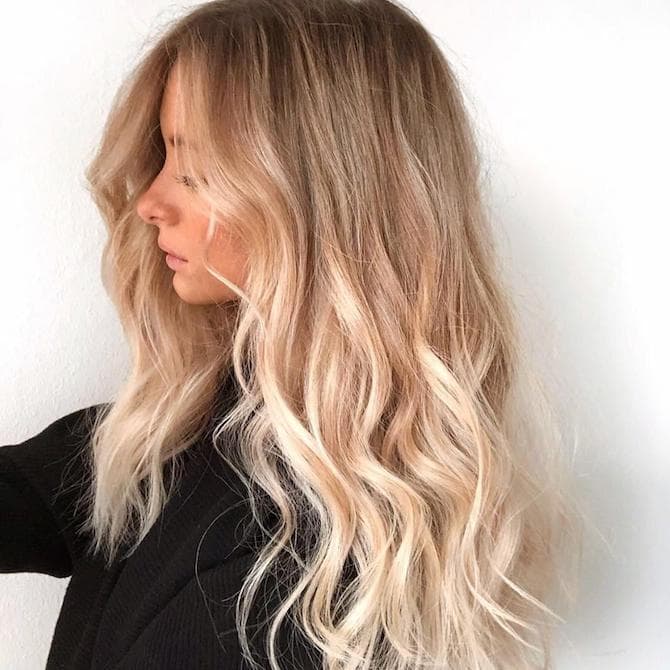
Chunky highlights announce themselves; fine babylights simply suggest you spend a lot of time outside. This version uses very light blonde threads against a blonde base, painted so thinly that the transition is barely there. Thick, wavy hair at mid-back length with a middle part shows the blended effect best, especially with a soft blowout that adds volume. The result is dimension without drama. Ask your colorist for: blonde base with very fine, light blonde babylights. A trim every 10 to 12 weeks and a toning appointment every 8 to 10 weeks keep the color and shape intact.
Mid-Back Dark Blonde With Ash Blonde Babylights, Layers
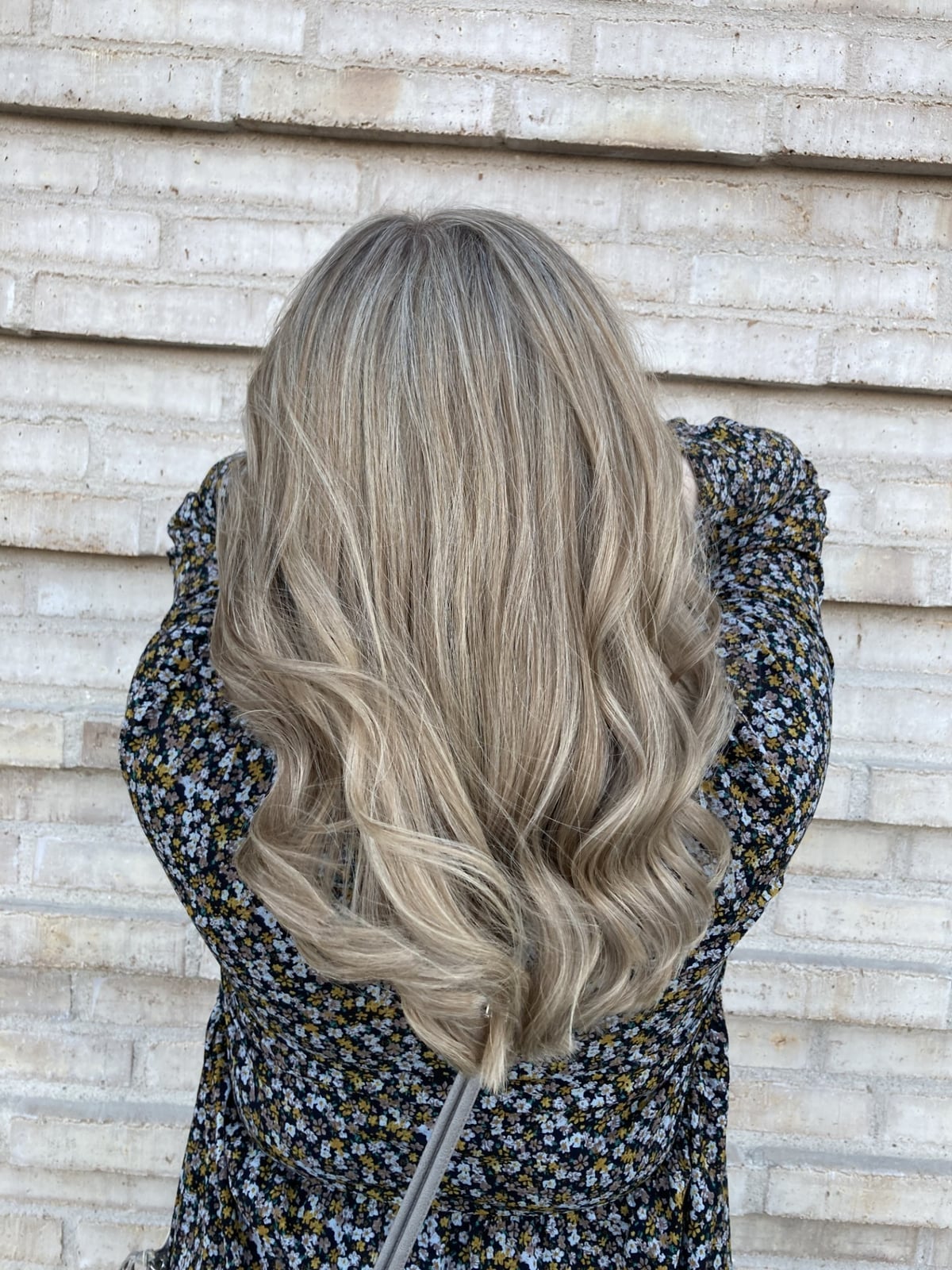
Ash blonde babylights on a dark blonde base create a cool, muted dimension that doesn’t scream for attention. The fine highlights are woven through the layers, so the lighter pieces appear naturally scattered rather than placed. Thick, wavy hair at mid-back length with a middle part and a blowout style shows the subtle lift best. The grow-out is low-contrast, meaning you can stretch your salon visits a little longer. Ask your colorist for: dark blonde base with fine ash blonde babylights. A trim every 10 to 12 weeks keeps the layers defined and the ends healthy.
Mid-Back Dark Brown With Ash Blonde Babylights and Loose Curls
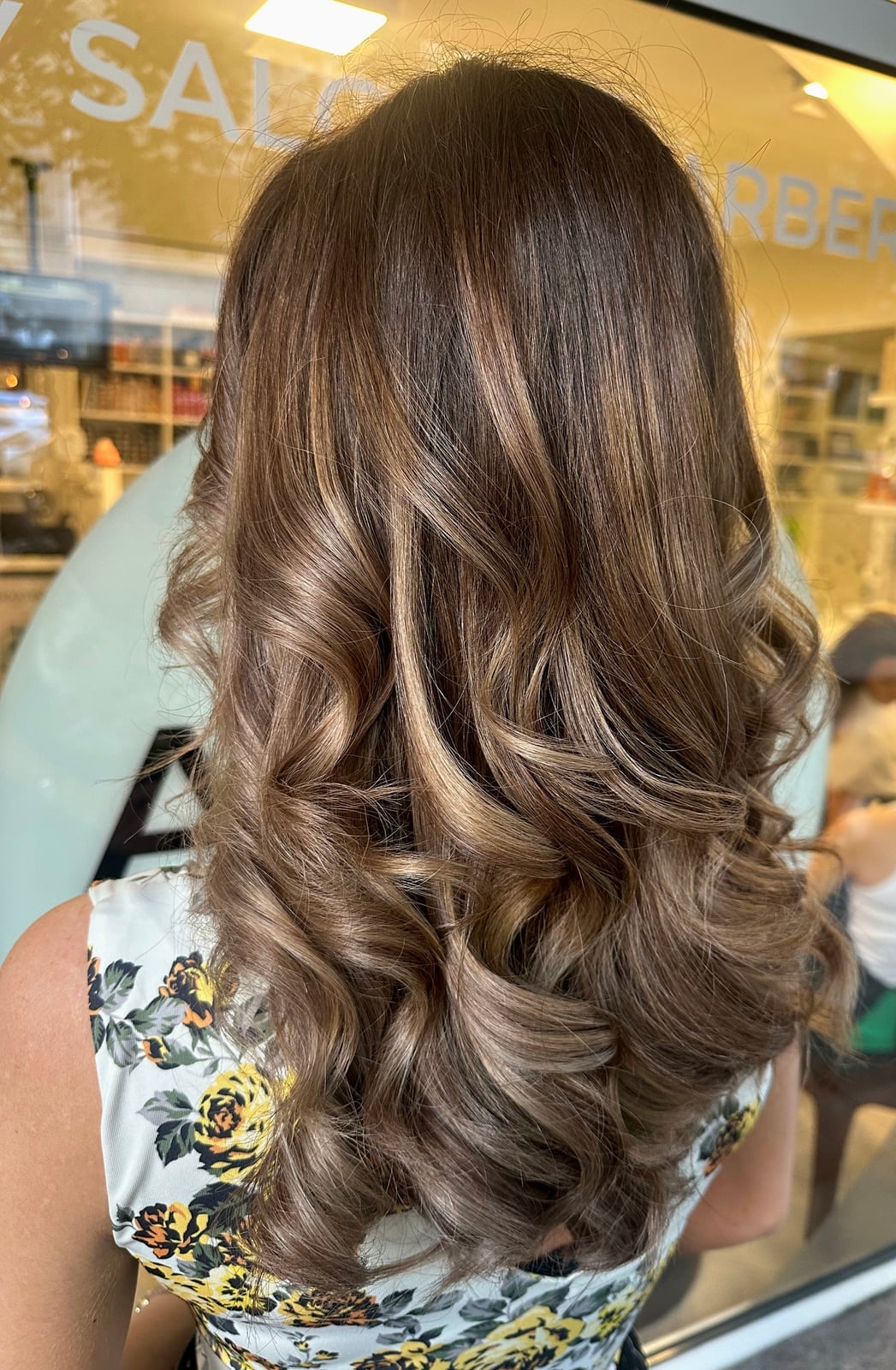
Loose curls on a dark brown base are the ideal canvas for ash blonde babylights: the bend in each strand catches the lighter pieces, so the dimension looks like a natural shimmer instead of a deliberate placement. This is precision work, because lifting dark brown to ash blonde in fine sections requires skill and a toner that won’t shift green. Thick, wavy hair at mid-back length with long layers and no bangs handles the loose curl pattern best; the middle part keeps the weight centered. Ask your colorist for: dark brown base with subtle ash blonde babylights. The upside is a lived-in look that grows out softly, but the ash tone needs a toning gloss every six to eight weeks to stay cool and avoid a muddy cast.
Mid-Back Dark Brown With Straight Subtle Highlights, Close-Up Take
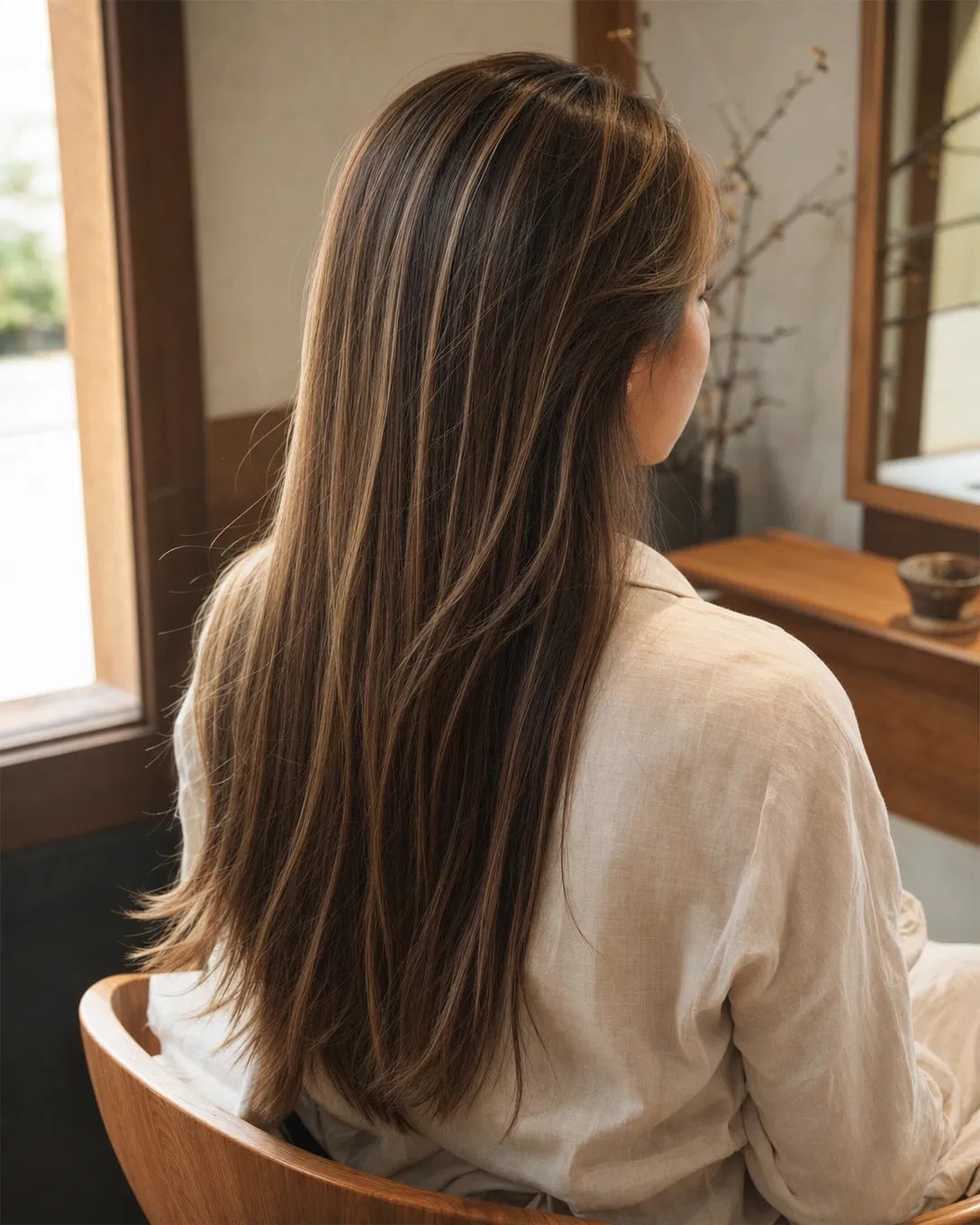
Straight hair shows the precision of a layered cut more clearly than wavy texture ever can, and here the subtle blonde highlights on a dark brown base follow the same logic: each fine strand of light is visible because nothing bends or curls to blur it. The layers are cut through the mid-back length, so the highlights fall at different heights and create depth without a stripe. Thick, straight hair with a middle part keeps the look clean. Ask your colorist for: dark brown base with subtle blonde highlights. A trim every eight weeks keeps the layers sharp and the ends full, which matters more when the hair is worn straight.
Mid-Back Honey Blonde With Lighter Honey Babylights
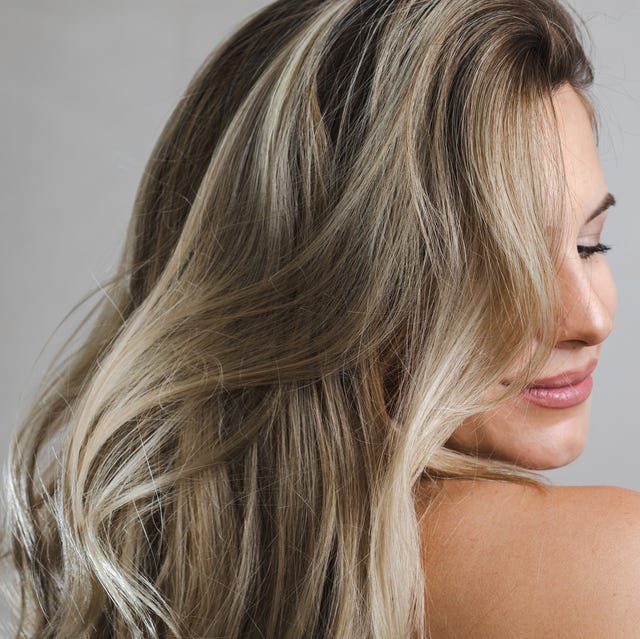
Who should ask for fine, lighter honey babylights on a honey blonde base? Anyone whose natural base already leans warm and who wants dimension without a second color. The babylights here are one to two shades lighter than the base, so the effect is subtle lift rather than contrast. Thick, wavy hair at mid-back length with long layers and an air-dried texture lets the color move naturally. A middle part keeps the look current. Ask your colorist for: honey blonde base with fine, lighter honey babylights. This technique works best on medium to thick density, because fine hair can look overworked with even delicate babylights.
Final Thoughts
For a low-maintenance, natural look, opt for babylights that closely match your base shade. For more visible contrast, choose highlights a few shades lighter.
- Toning is generally recommended every 6-8 weeks to maintain the desired cool or warm tones.
- Babylights require less frequent salon visits than traditional highlights, with touch-ups needed every 3-4 months.
- Use color-safe shampoos and conditioners to preserve the vibrancy of the highlights.
- Minimize heat styling to prevent premature fading and damage to lighter strands.
Babylights provide subtle, sun-kissed dimension for a natural glow.
